Greenboog botanical-label guide
Learn which part of a label carries taxonomic evidence, which part records horticultural history and which claims still need provenance.
How to read an Anthurium name
In a binomial, the genus is capitalized and the species epithet is lowercase; both are italicized: Anthurium papillilaminum. An author citation can follow in roman type, as in Anthurium papillilaminum Croat. The author is not a cultivar, parent or seller—it points to the published botanical name.
Kew’s Plants of the World Online currently accepts Anthurium Schott and places it in Araceae. Its accepted-species backbone is the right starting point for current status and distribution. IPNI is valuable for publication and nomenclatural details, but a recorded name is not automatically a currently accepted taxon.
| Element | Meaning | Verify with |
|---|---|---|
| Anthurium | Accepted genus | Current taxonomic backbone |
| species epithet | Taxon within the genus | Accepted status, description and range |
| Author citation | Published-name authorship | IPNI/publication record |
| A × B | Recorded hybrid parentage | Breeder/seller provenance |
| ‘Cultivar’ / trade label | Horticultural identity or descriptor | Registration, clone history and exact plant |
Accepted, synonym and unresolved are not interchangeable
An accepted name is the backbone’s current choice for a taxon. A synonym is a different published name referred to that accepted taxon. An unresolved or absent seller name should not be upgraded to a species simply because many shops repeat it. Taxonomy changes as evidence is assessed, so record the source and access date for high-stakes labels.
This distinction matters on real Greenboog pages: `Renaissance`, `Queen`, `King` and `Cochabamba` can function as useful market labels without becoming formal botanical ranks. The Veitchii Queen-versus-King guide and Renaissance Variegated guide show how to preserve a live seller label while stating its evidence boundary.
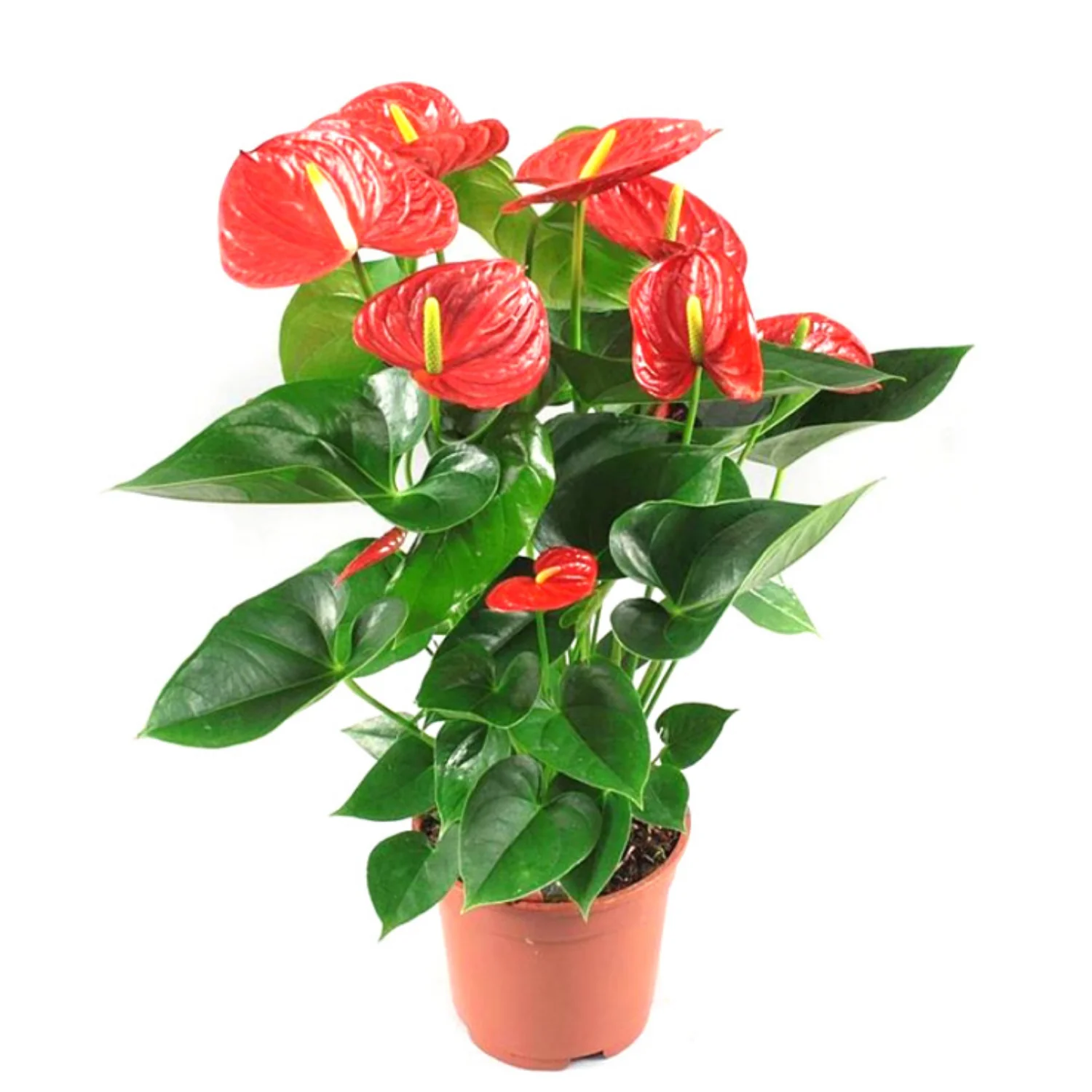
Spathe and spadix: useful morphology words
The colorful structure commonly called a flower is a spathe, a modified bract. The small individual flowers are borne on the spadix. These terms describe structures; they do not identify a species by themselves. Combine them with blade shape, venation, petiole, stem, roots, inflorescence details, provenance and range.
Likewise, `heart-shaped`, `velvet` or `corrugated` is not a complete identification. Similar-looking traits occur across species and hybrids, and camera angle or leaf stage can hide diagnostic details.
A label-check workflow
- Transcribe: preserve spelling, capitalization, × symbols, parentheses and cultivar quotes.
- Check status: search the exact binomial in a current taxonomic backbone.
- Check publication: use IPNI when authorship or publication history matters.
- Match evidence: compare whole-plant morphology, maturity and provenance.
- Keep uncertainty: use `seller-labeled`, `cf.` or `unresolved` rather than guessing.
What taxonomy cannot promise
| Question | Taxonomy helps? | Additional evidence |
|---|---|---|
| Is the species name accepted? | Yes | Backbone and publication |
| Will this clone match a photo? | Not alone | Exact image and clonal provenance |
| How large will it get indoors? | Only context | Stage, lineage, support and conditions |
| Is this current listing healthy? | No | Roots, leaves, pests and shipping state |
For plant selection, use the Anthurium types guide; for condition-led growing, use the care guide; for provenance and exact-photo checks, use the rare Anthurium buying guide. Live offers remain in the Anthurium collection.
Anthurium name FAQ
Is Anthurium the scientific name?
It is the scientific genus name. A species-level identity adds a lowercase epithet, such as A. veitchii.
Is Schott part of the plant name?
It is the author citation for the genus name, not a cultivar or hybrid parent.
Does a name in IPNI mean it is accepted?
Not necessarily. IPNI records nomenclatural publication; check a current taxonomic backbone for accepted status.
Can a trade label still be useful?
Yes, when its seller, clone, exact photo and provenance are preserved and it is not presented as a formal taxon.