Greenboog established-plant guide
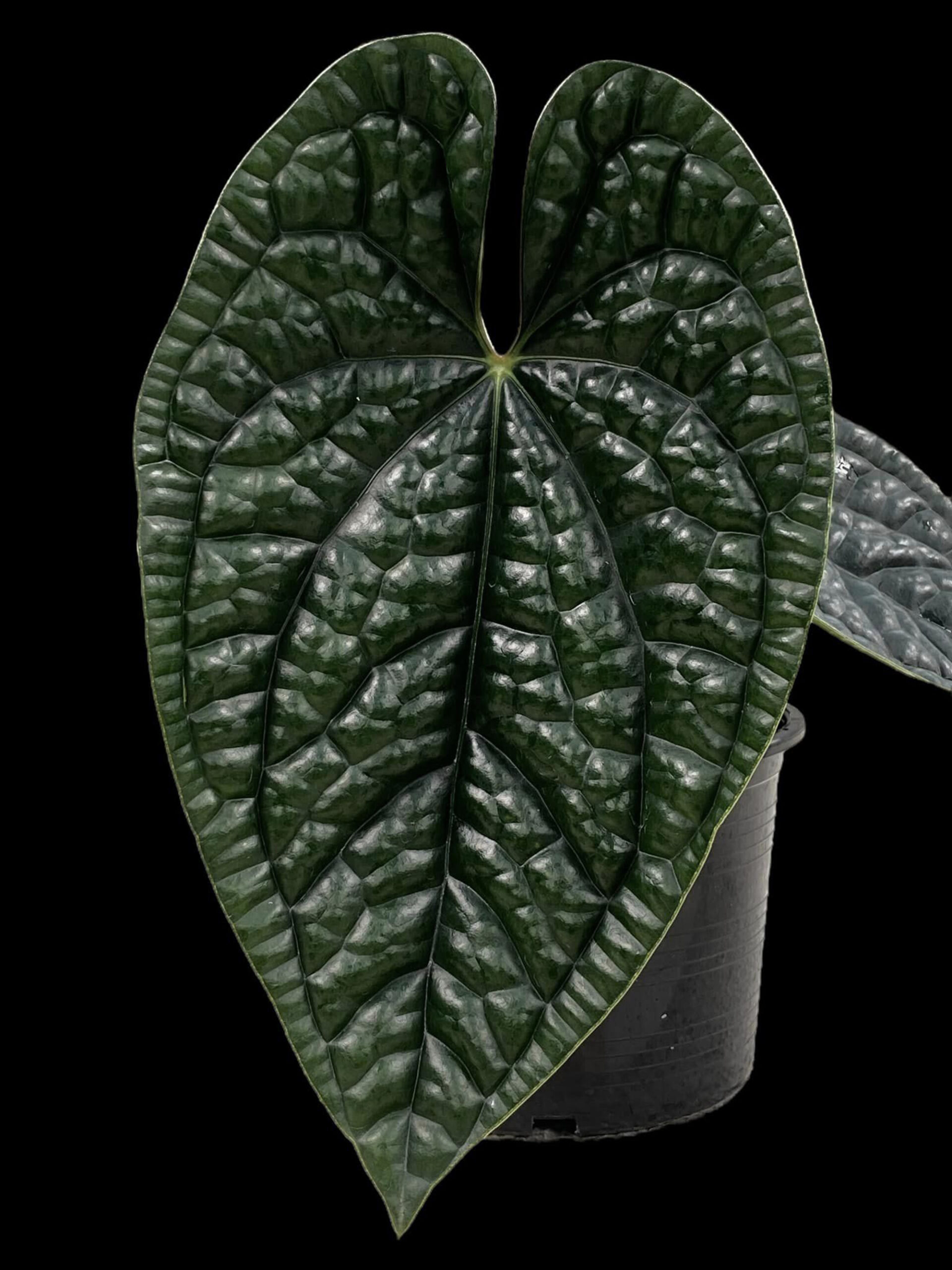
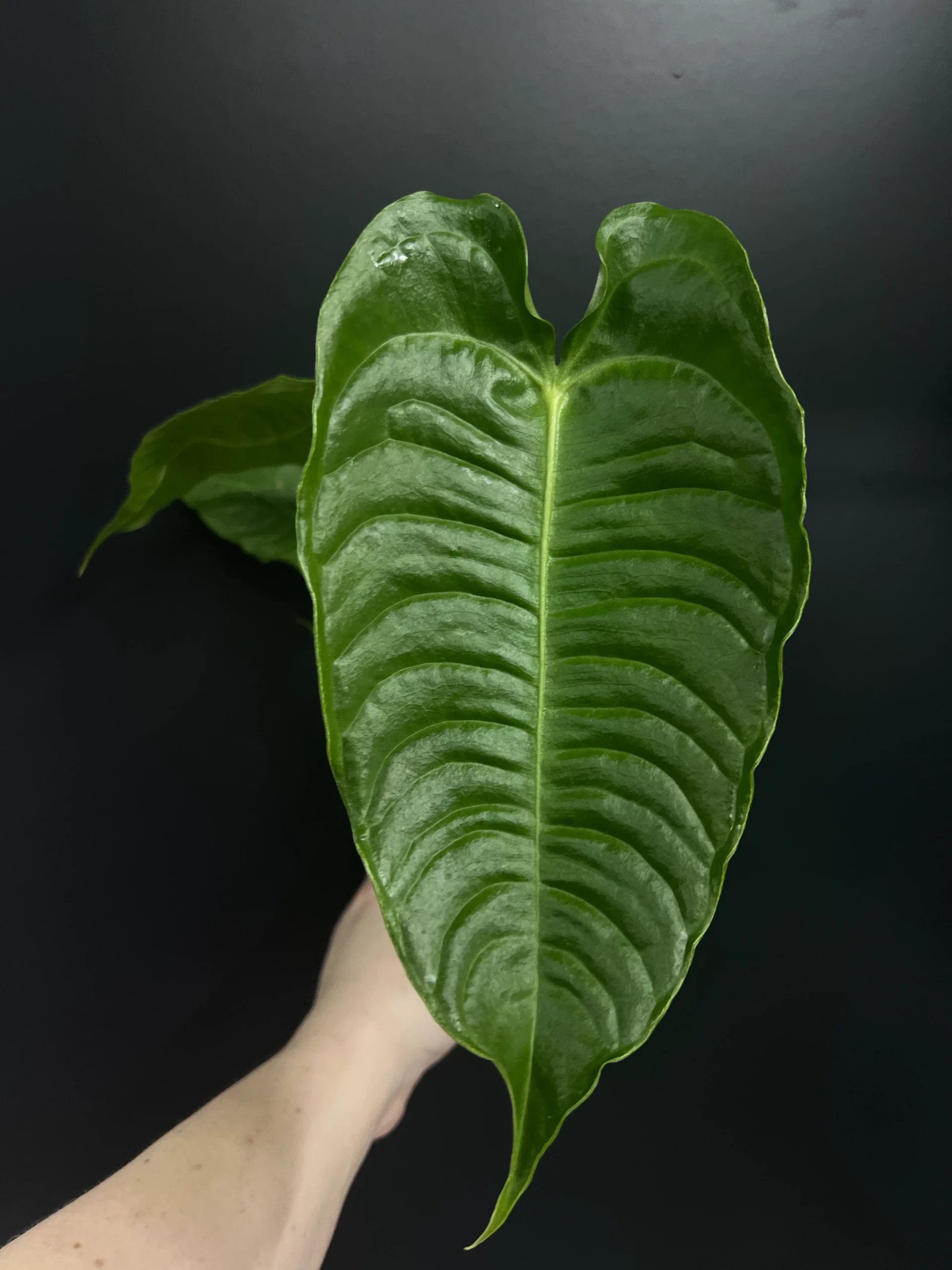
The genus includes compact flowering hybrids, velvet foliage species, bird’s-nest forms and climbers. Good care starts with a shared baseline, then adds the correct species and plant-format delta.
Read five systems together
| Factor | Working goal | Evidence |
|---|---|---|
| Light | Bright filtered exposure, increased gradually | New-leaf size, color, lean, scorch and flowering trend |
| Water | Even rehydration followed by drainage and root-zone air | Depth moisture, pot weight, roots and temperature |
| Container/mix | Root-sized volume with moisture retention and open pores | Root occupancy, dry/wet pockets, collapse and stability |
| Warmth/humidity | Stable warmth; supported leaves without stagnant wetness | Leaf expansion, condensation, airflow and cold exposure |
| Nutrition | Label-directed feed during active rooted growth | New growth, existing charge, tip burn and salt buildup |
Light sets water use and flowering capacity
Start in bright filtered or indirect light. Too little light slows growth and can reduce flowering, while abrupt intense exposure can bleach or scorch leaves. South- or west-facing windows are not automatically best: glazing, latitude, season, outdoor shade and distance change the actual dose.
Increase exposure gradually and compare the newest hardened leaf with the previous one. A grow light can help, but height and hours alone do not describe intensity. Use plant response and a light measurement when possible; adding fertilizer cannot replace missing light.
Water the root zone, not the top inch
Water thoroughly enough to wet the occupied root ball, let excess drain, then wait until the rooted zone is ready again. Check below the surface and lift the pot. A dry top layer can hide a wet center, especially in an oversized container; a cool low-light plant uses water more slowly than a warm actively growing one.
Droop or a yellow leaf is not a watering instruction by itself. A light dry pot and a heavy wet pot can show similar foliage but need opposite responses. After shipping or root loss, reassess capacity before repeating the parent plant’s old schedule.
Container and substrate must reopen air
Use a container only modestly larger than the roots, with clear drainage. Bark, coir or peat-free organic material, coarse mineral components and fine fractions each change air and water behavior; no 30–50% bark formula suits every pot, species and climate.
Repot when roots densely occupy the pot, the mix has collapsed, drainage is unreliable or the plant is unstable. Do not bury the stem or growth point merely to make the plant sit lower. Existing aerial roots may be guided toward a suitable medium without forcing or breaking them.
Warmth, humidity and airflow
Anthuriums are warm-growing plants. Protect roots and leaves from cold glass, air-conditioning and sudden drafts. Humidity can support expanding leaves, but a fixed 60–80% target does not override root function, temperature or airflow.
Use a clean humidifier when a measurable increase is needed. Pebble trays and grouping may change only a small boundary layer; misting is temporary and does not hydrate roots. Avoid persistent condensation and crowded wet leaves, especially when bacterial or fungal lesions are suspected.
Feed roots without chasing blooms
Feed a rooted, actively growing plant according to the fertilizer label and account for nutrients already in the mix. Reduce or pause after shipping, division, root damage or cold/low-light slowdown. UF/IFAS notes that indoor overfertilization can build soluble salts and injure leaf margins or tips.
Few inflorescences can reflect inadequate light, immature or foliage-focused genetics, root stress, recent acclimation or nutrition. Correct measured constraints in that order; a high-phosphorus or two-week schedule is not a universal shortcut.
Troubleshoot patterns, not isolated symptoms
| Pattern | Check first | Safer response |
|---|---|---|
| Few flowers, steady leaves | Identity, maturity and measured light | Increase light gradually; do not force feed |
| Pale dry blotch | Recent sun/heat change | Reduce abrupt exposure and acclimate |
| Brown tips | Roots, salts, dryness, humidity and water quality | Diagnose the combination before changing one input |
| Yellow leaf + heavy pot | Cold, saturation, odor and root firmness | Restore warmth/air; inspect roots if decline spreads |
| Fine stippling or webbing | Leaf undersides for spider mites | Isolate, confirm and follow the treatment label |
| Wet lesion or yellow halo | Spread pattern and sanitation | Isolate; avoid propagation and splashing foliage |
Arrival, propagation and tissue-culture boundaries
Photograph leaves, roots, medium and count on arrival; isolate and inspect leaf undersides, petiole bases and roots. Shipping droop alone does not mean water immediately. Stabilize light, warmth and root-zone moisture before stacking a repot and fertilizer change.
For division or a viable stem node, use the Anthurium propagation guide. A detached blade and petiole cannot make a complete plant. In-vitro plantlets need the tissue-culture acclimation workflow before this established-plant baseline applies.
Safety
Anthurium tissues contain irritating calcium oxalate crystals. Keep plants away from chewing pets and children, wear gloves when sap contact is likely, and avoid eyes and mouth. Seek veterinary or poison guidance after chewing, drooling, oral pain, swelling, vomiting or difficulty swallowing.
Anthurium care FAQ
How often should I water Anthurium?
There is no universal interval. Use depth moisture, pot weight, roots, light, warmth and active growth to decide when the occupied root zone is ready.
Does Anthurium need direct sun?
Start with bright filtered light. Some plants tolerate gentle direct exposure after acclimation, but abrupt intense sun can scorch.
Why is my Anthurium not flowering?
First confirm that it is a flowering form and mature enough, then check measured light, roots, warmth and active growth before changing fertilizer.
What humidity does Anthurium need?
Moderate-to-high humidity can support leaf expansion, but no single percentage fits every species and room. Balance it with warmth and airflow.
Can this guide be used for tissue-culture plants?
Only after staged acclimation. Sealed-vessel plantlets have a different transition and root-zone risk.
Choose the correct owner
Use the Anthurium types guide to identify the right species/form owner. Live price, stock and format belong to the Anthurium collection; household fit and claim boundaries belong to the Anthurium benefits guide.