
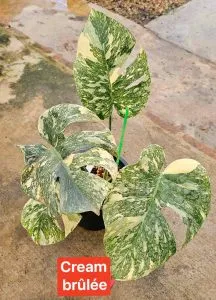

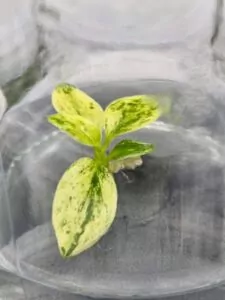
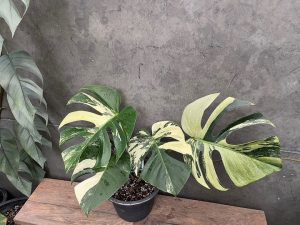
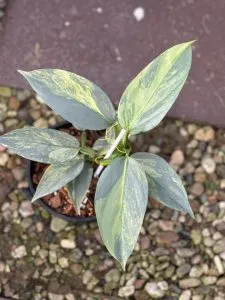


Amydrium
Showing all 6 results
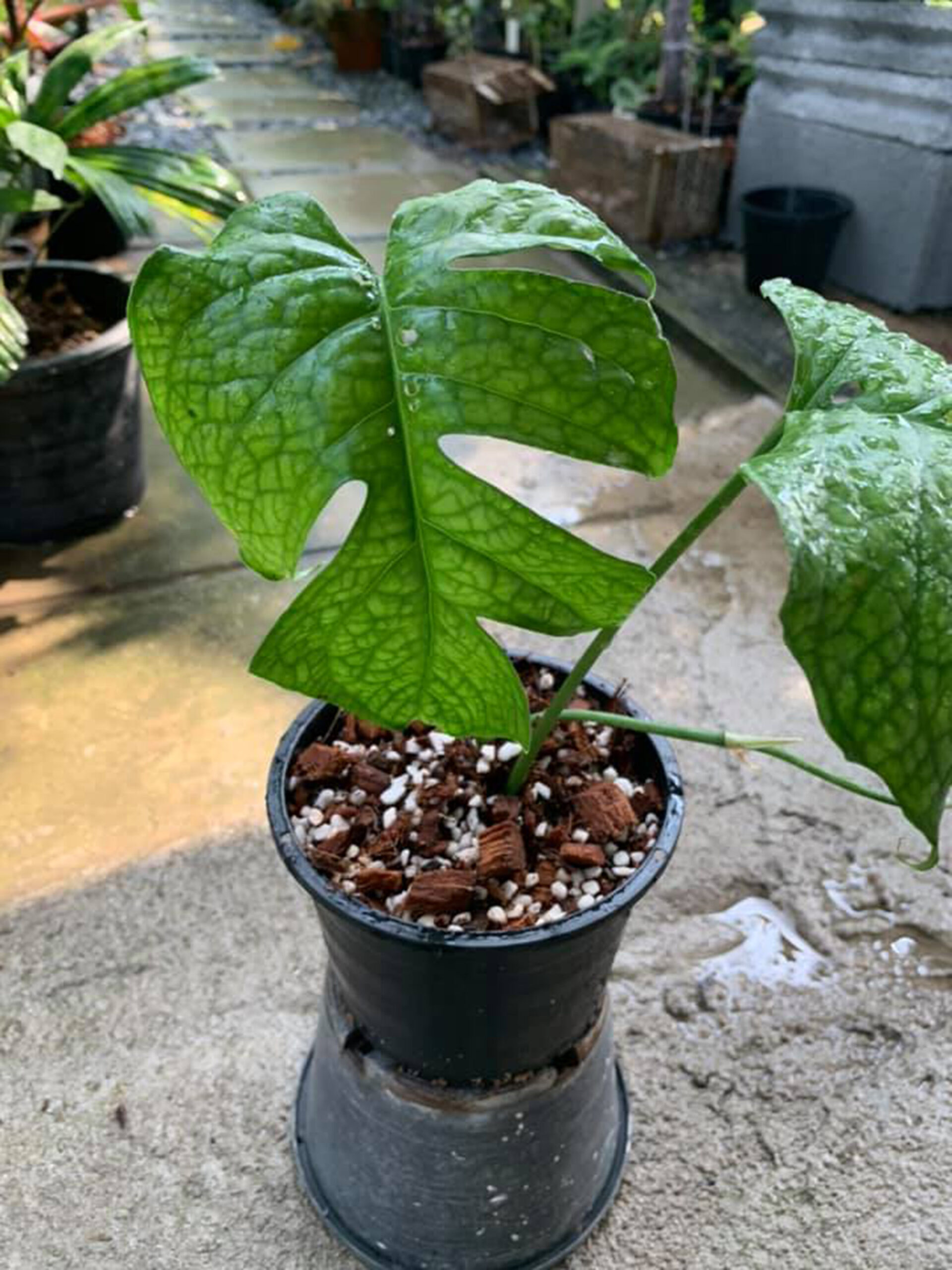
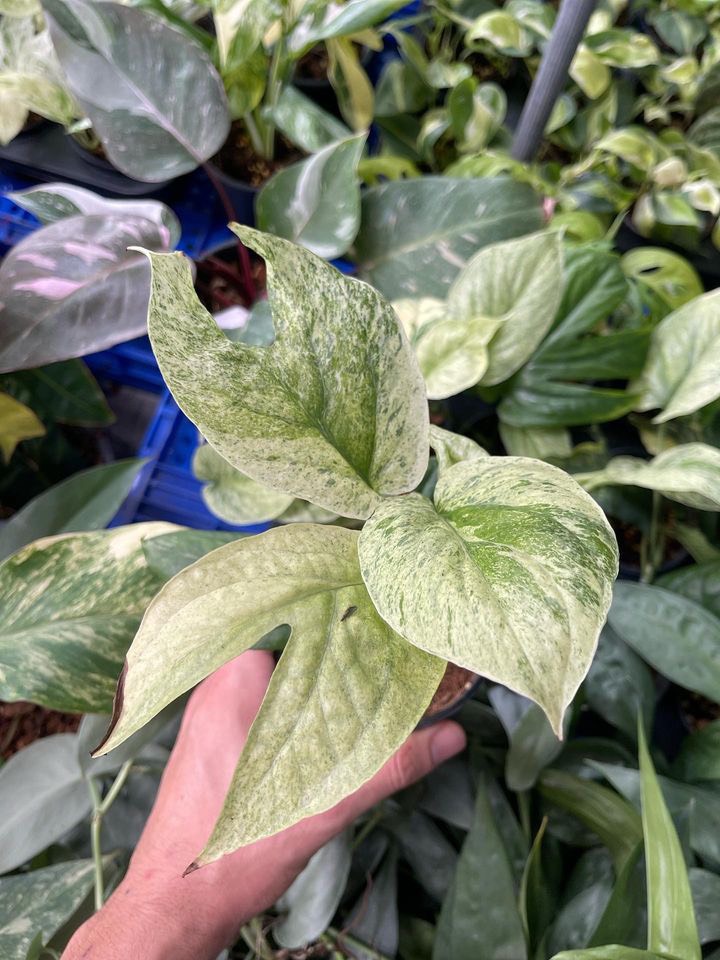
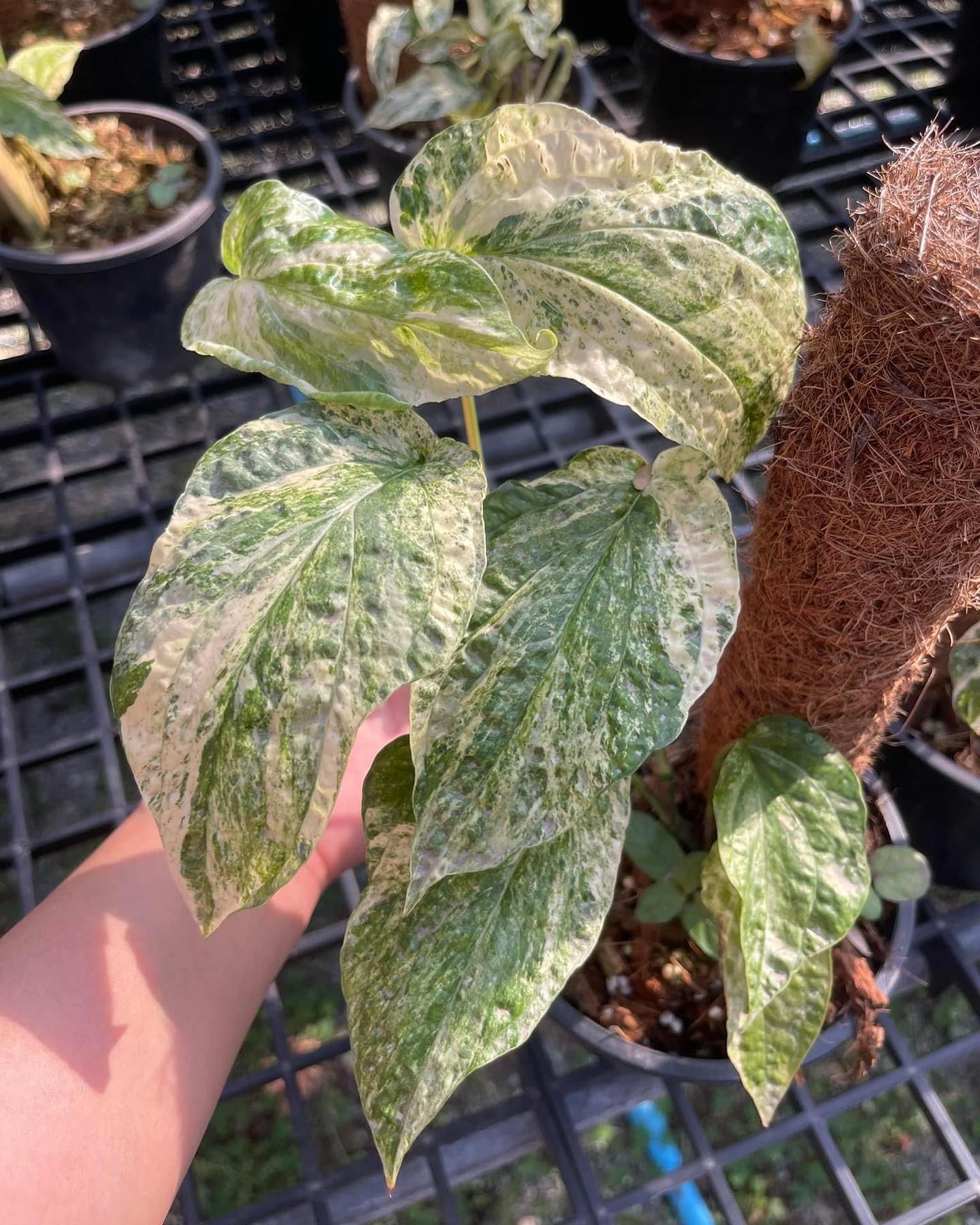
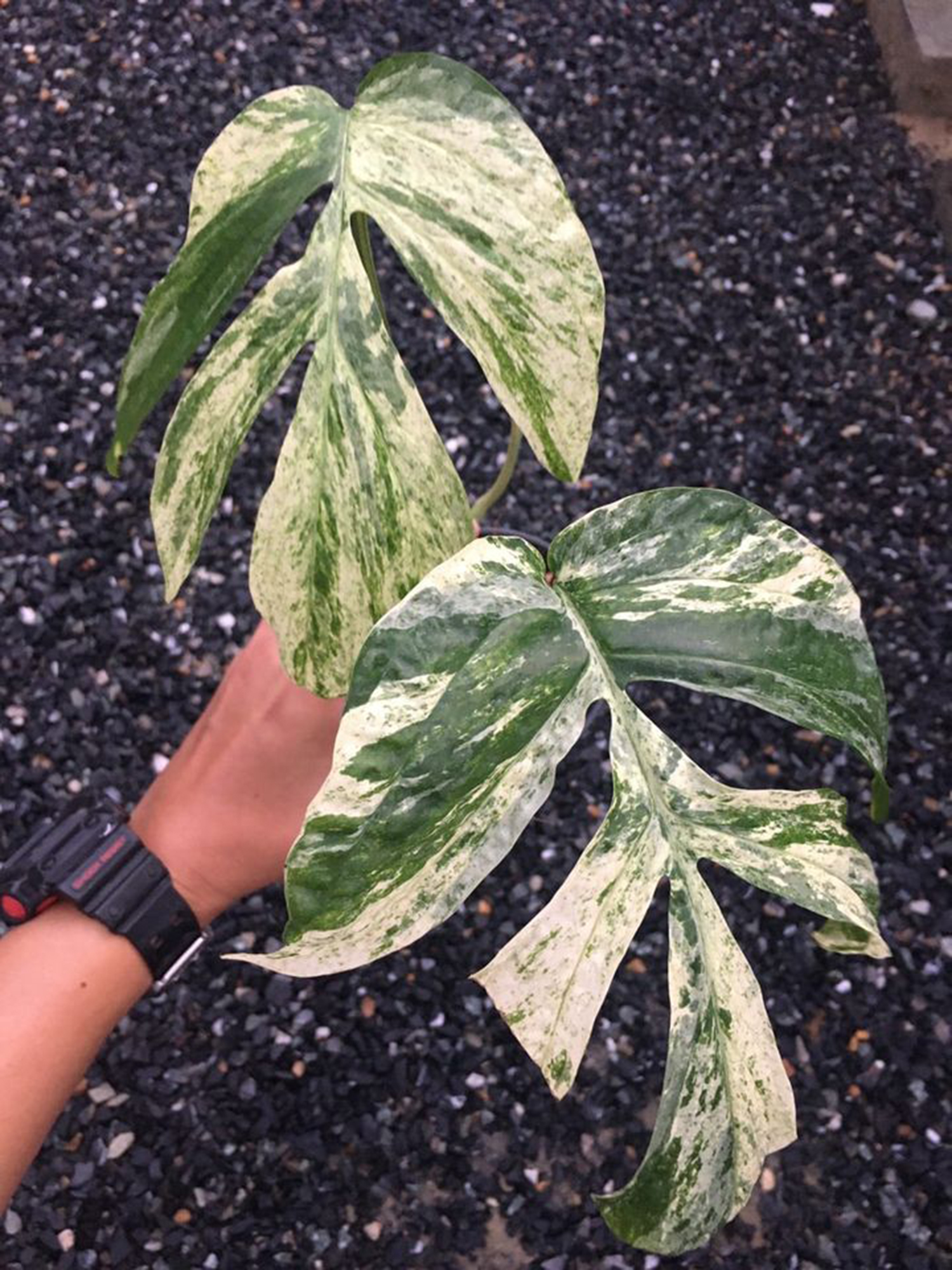
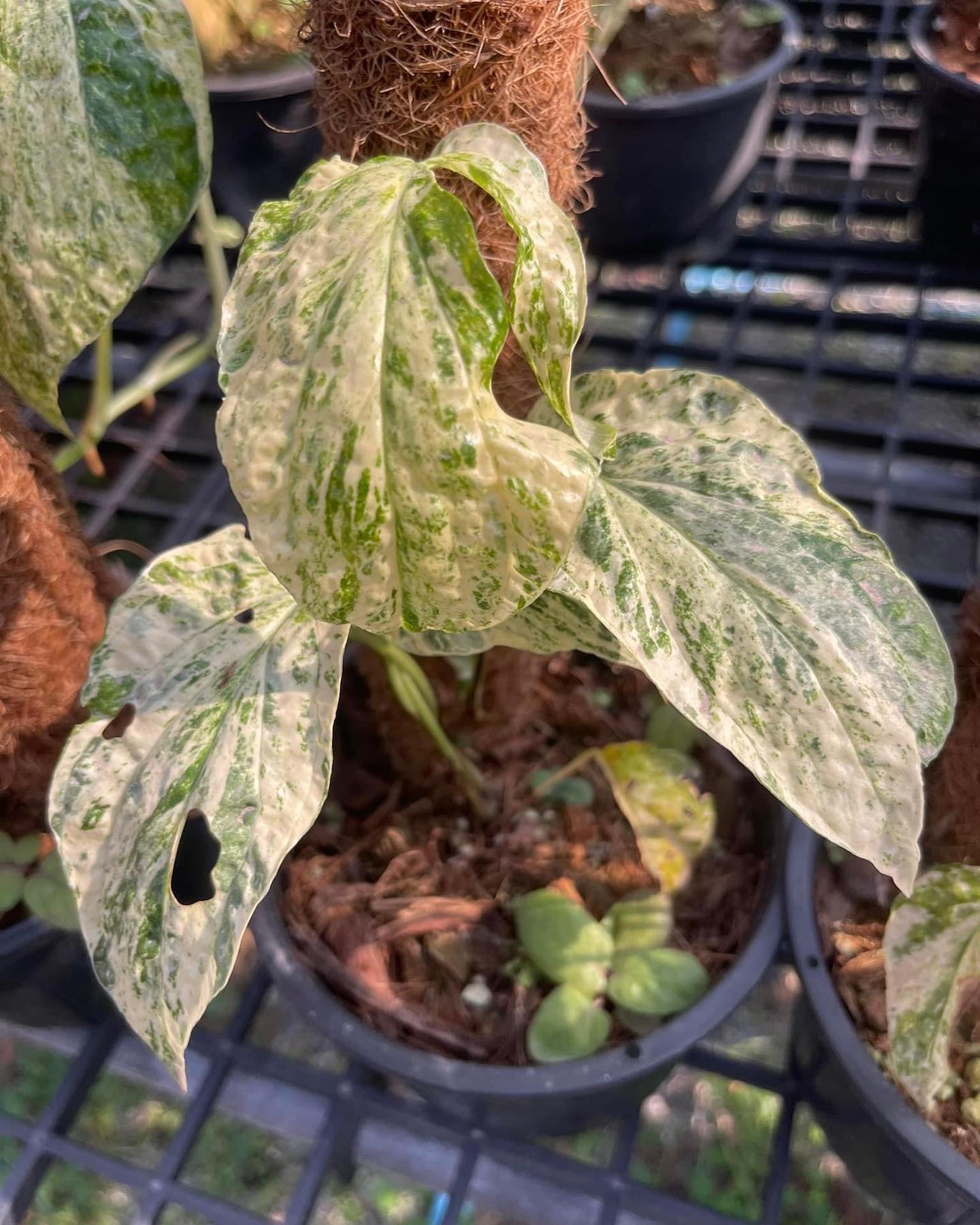
Greenboog Amydrium collection
Compare Amydrium plants from the growth you can verify now
The product grid above is the live source for price, stock and selectable options. This compact collection includes Amydrium medium, zippelianum and variegated trade selections, plus a multi-pot listing. Open the chosen product to confirm its written identity, current leaf count and shape, variegation evidence, root or pot format and whether the gallery shows the exact plant or a representative example.
Built for climbing-aroid collectors, international buyers and small nurseries, this guide helps separate a juvenile plant from the mature form buyers may have seen elsewhere. It keeps species-level promises on the product page and uses the category only for cross-product comparison.
Start with the distinction that changes the purchase
Medium or “Spider” label
Compare the written botanical identity with current leaf architecture and age. Juvenile leaves may not yet show the divisions or openings associated with a mature reference plant, so maturity should not be inferred from the trade name alone.
Zippelianum label
Use the selected listing's leaf form, current dimensions and identity wording to distinguish it from other Amydrium. A species name is useful context, but the delivered plant is still defined by the listing's current evidence.
Variegated or mint selection
Review several leaves for color distribution and active growth. One highly colored reference leaf does not guarantee the same pattern on every current or future leaf.
Single plant or multi-pot lot
A collector selecting one plant and a nursery buying a 10-pot package need different evidence. Verify the included quantity, pot size, image basis and allowed variation within the lot.
Read the selected product page in this order
| Check | Why it matters | Use this evidence |
|---|---|---|
| Botanical or trade identity | Similar-looking juvenile plants can be sold under shorthand labels. | Product title, written identity and uncertainty qualifiers. |
| Exact or representative image | A batch photo describes a range, not one guaranteed specimen. | Image wording, captions and current plant notes. |
| Current growth stage | Leaf division and proportions can develop with maturity and climbing. | Leaf count, dimensions, nodes and active growth. |
| Variegation evidence | Color distribution can differ among leaves and plants. | Several current leaves and the written image basis. |
| Pot quantity and support | Single plants and multi-pot lots require different receiving space. | Selected option, stated pot count and current support format. |
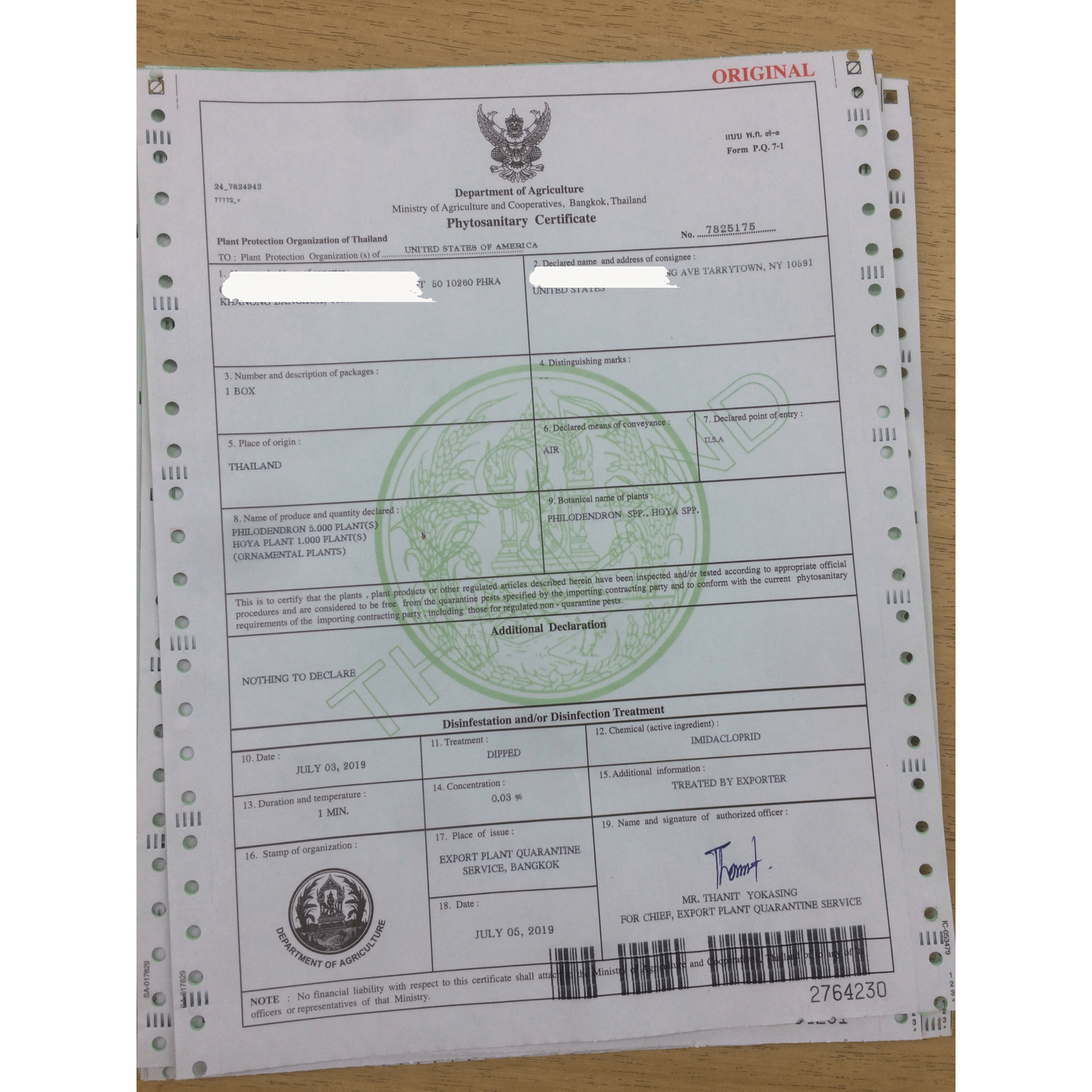
| Destination readiness | Transit time, weather and import requirements affect the receiving plan. | Current shipping information and destination rules. |
Prepare the receiving space before delivery
- Reserve a clean quarantine area away from established plants.
- Prepare stable vertical support without forcing a recently shipped stem into a new position.
- Photograph the parcel, leaves, nodes, roots and medium before irreversible changes.
- Use bright filtered light while the plant settles; avoid an abrupt move into harsh direct sun.
- Base watering on the received medium and local drying rate instead of a universal schedule.
Kew Plants of the World Online accepts Amydrium in Araceae and lists five accepted species, including A. medium and A. zippelianum. This supports an identity-led hub without turning every trade selection into an unsupported species claim.