

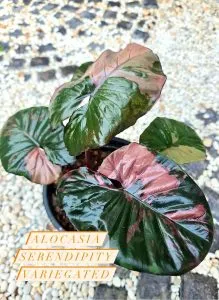
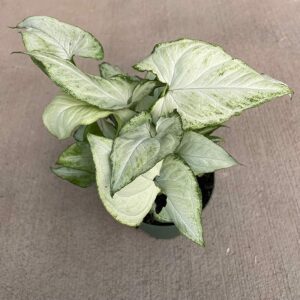


Homalomena
Showing all 13 results
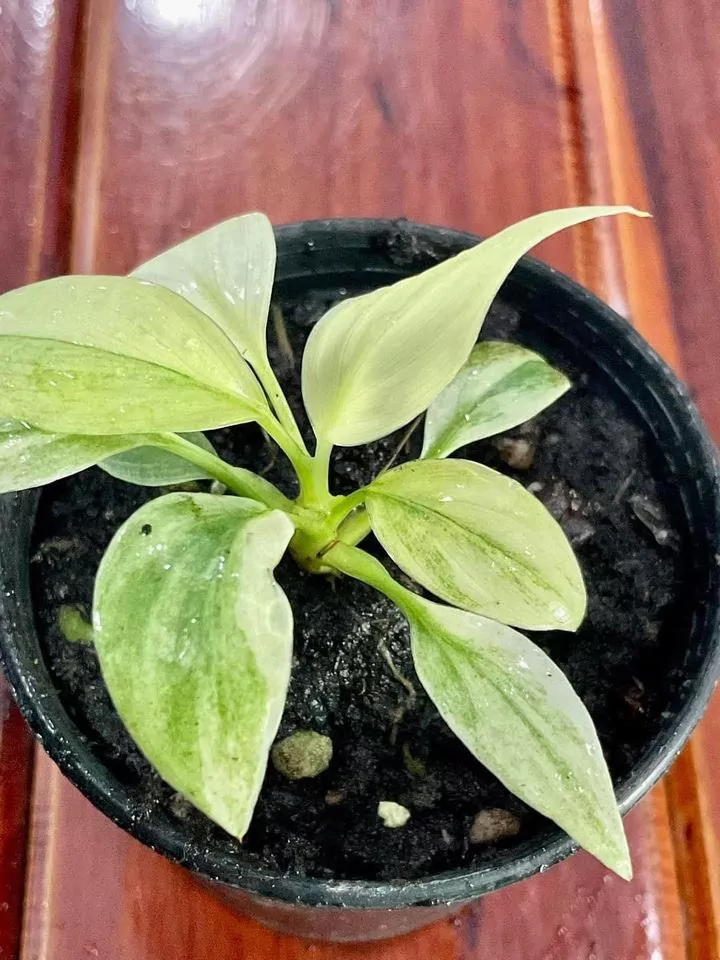
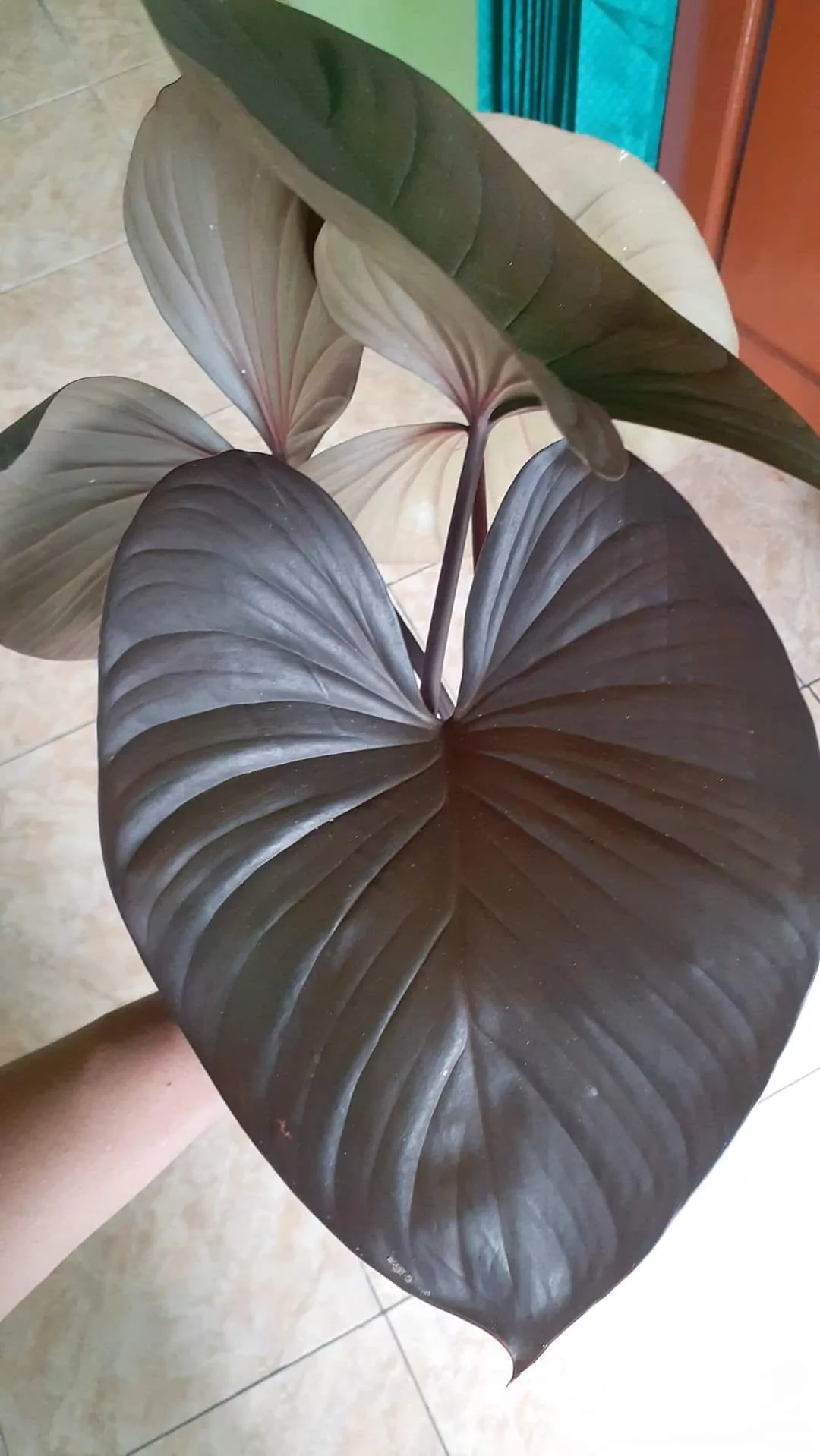
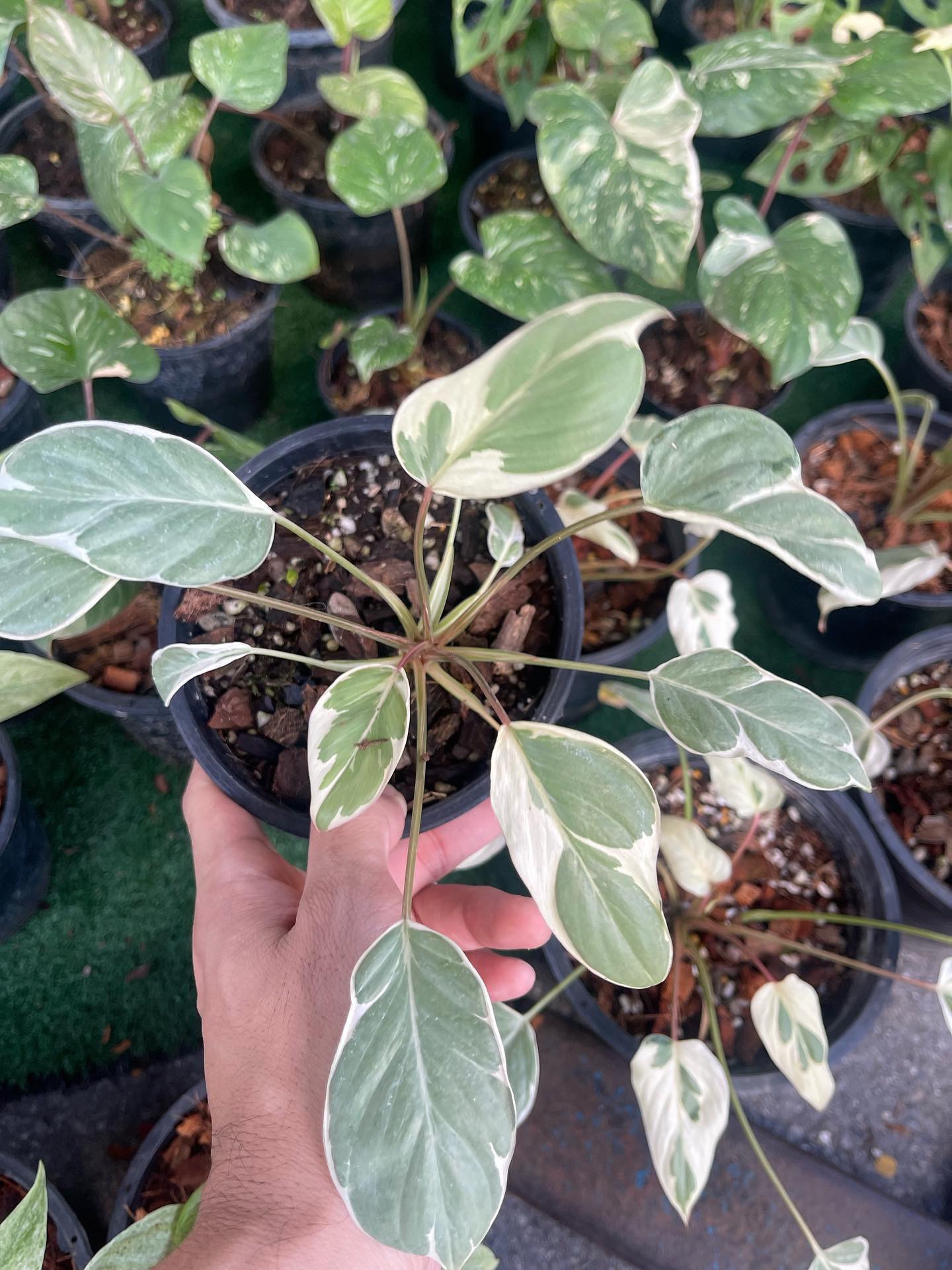
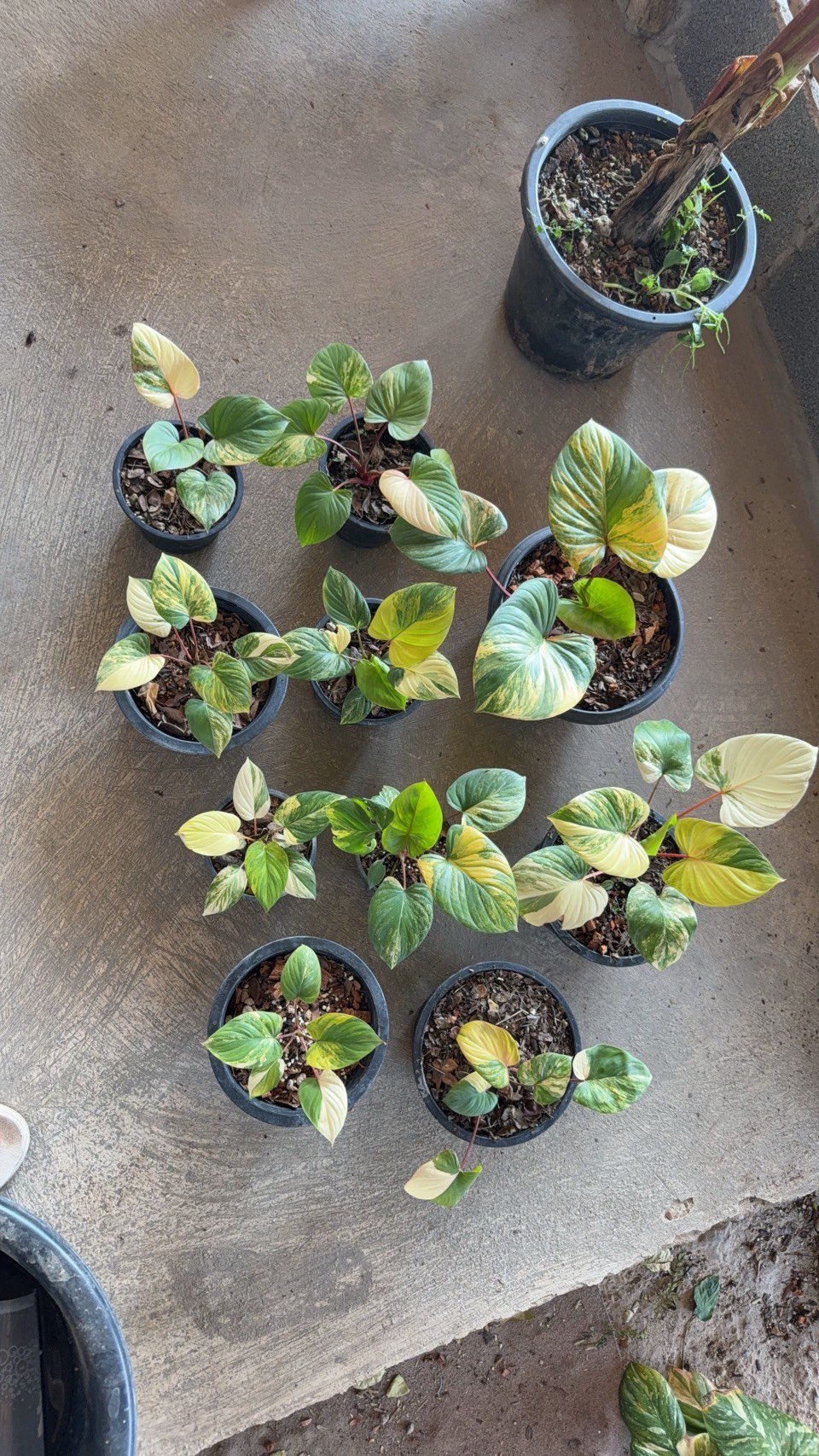
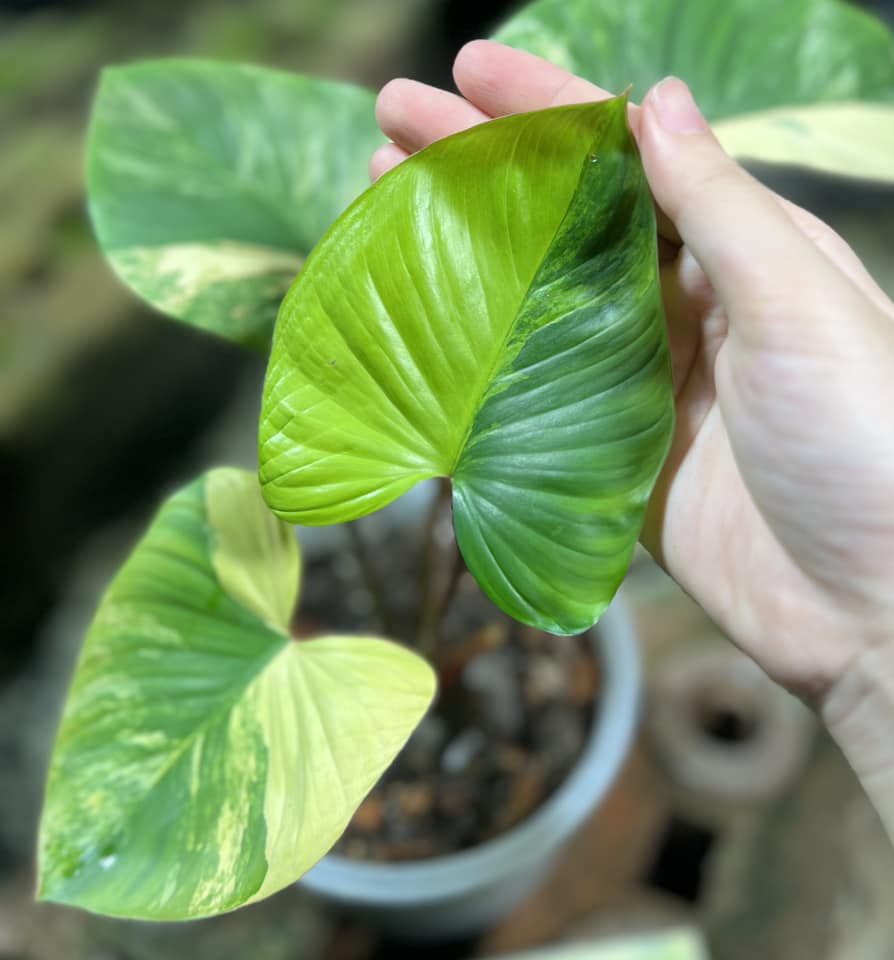
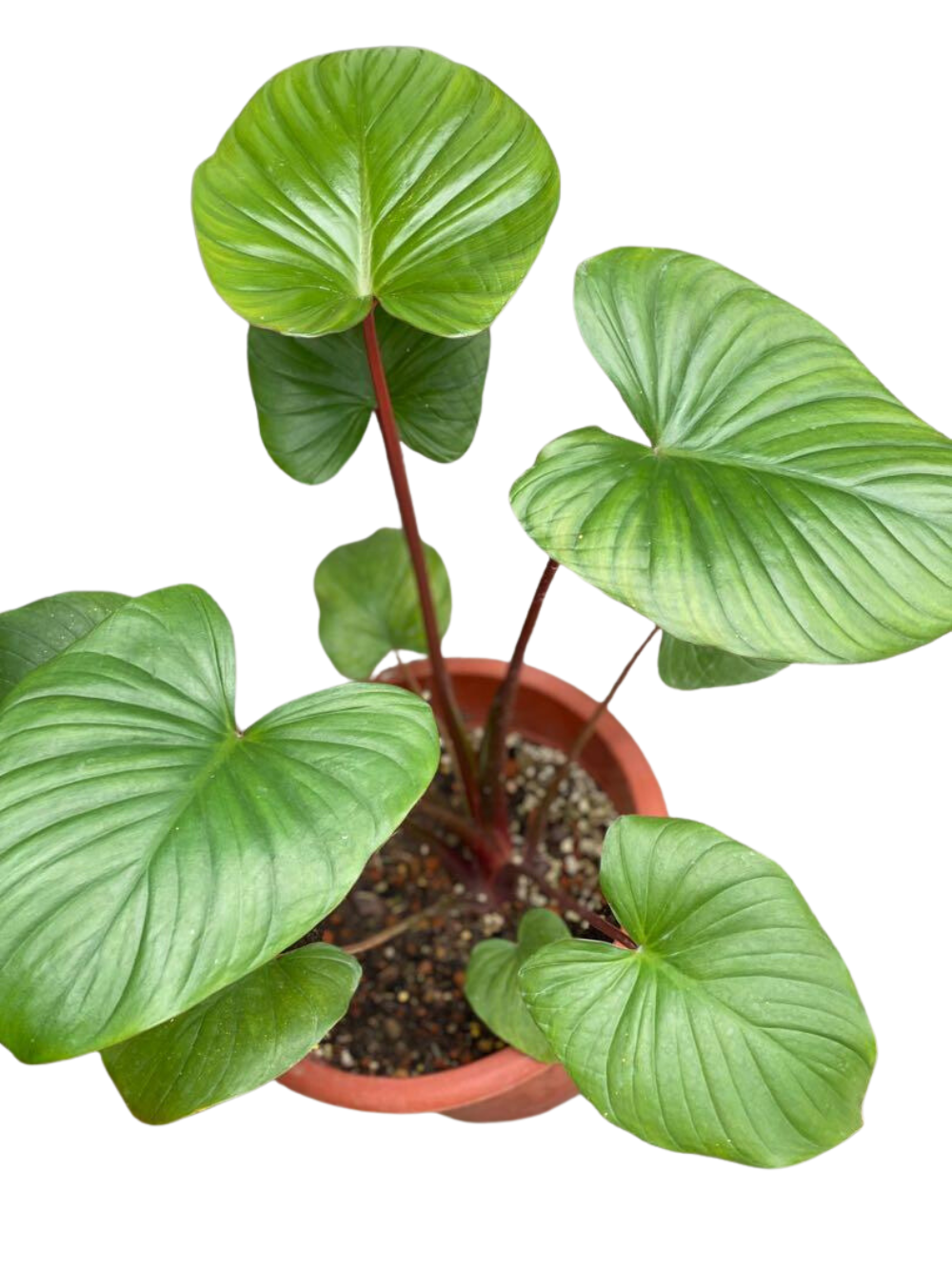
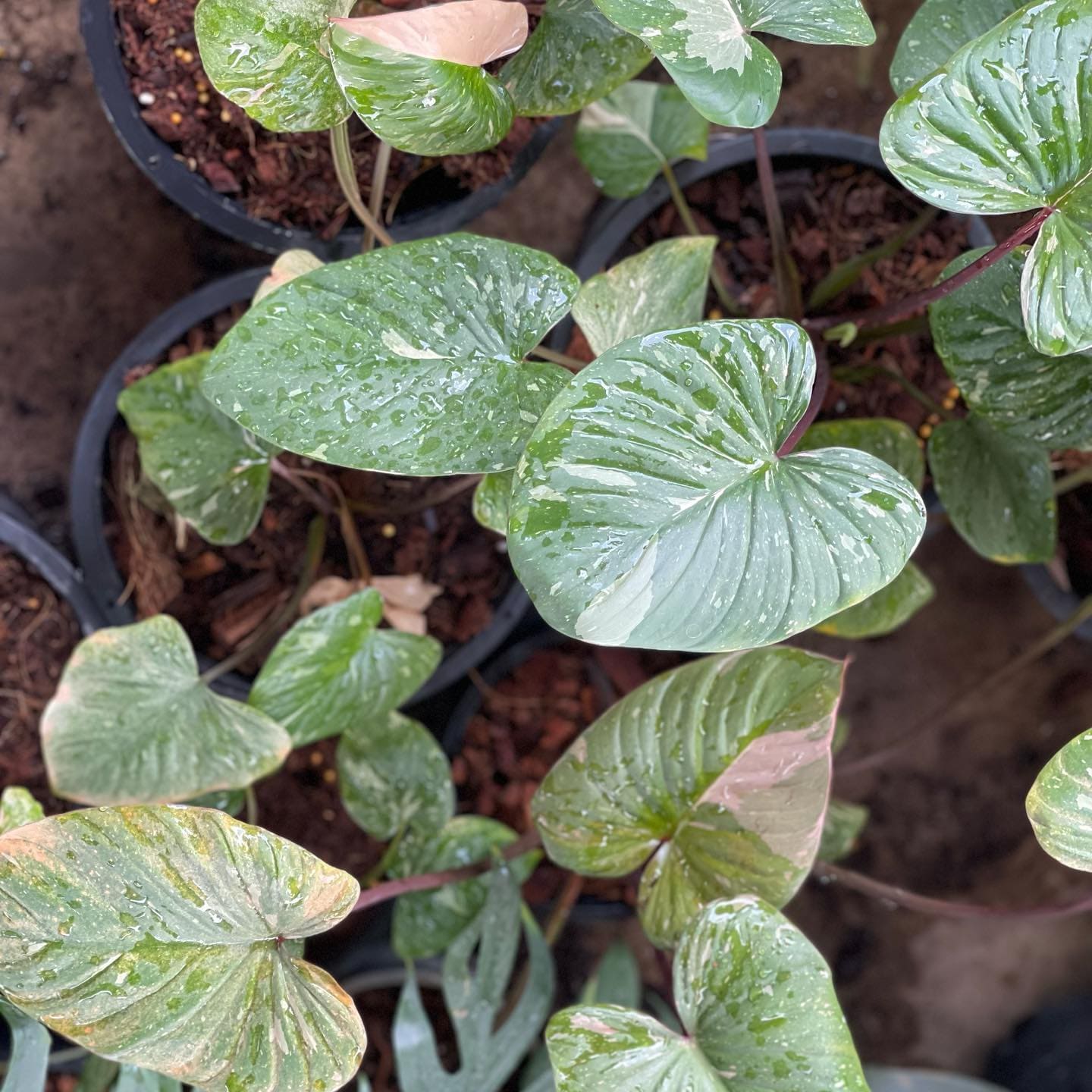
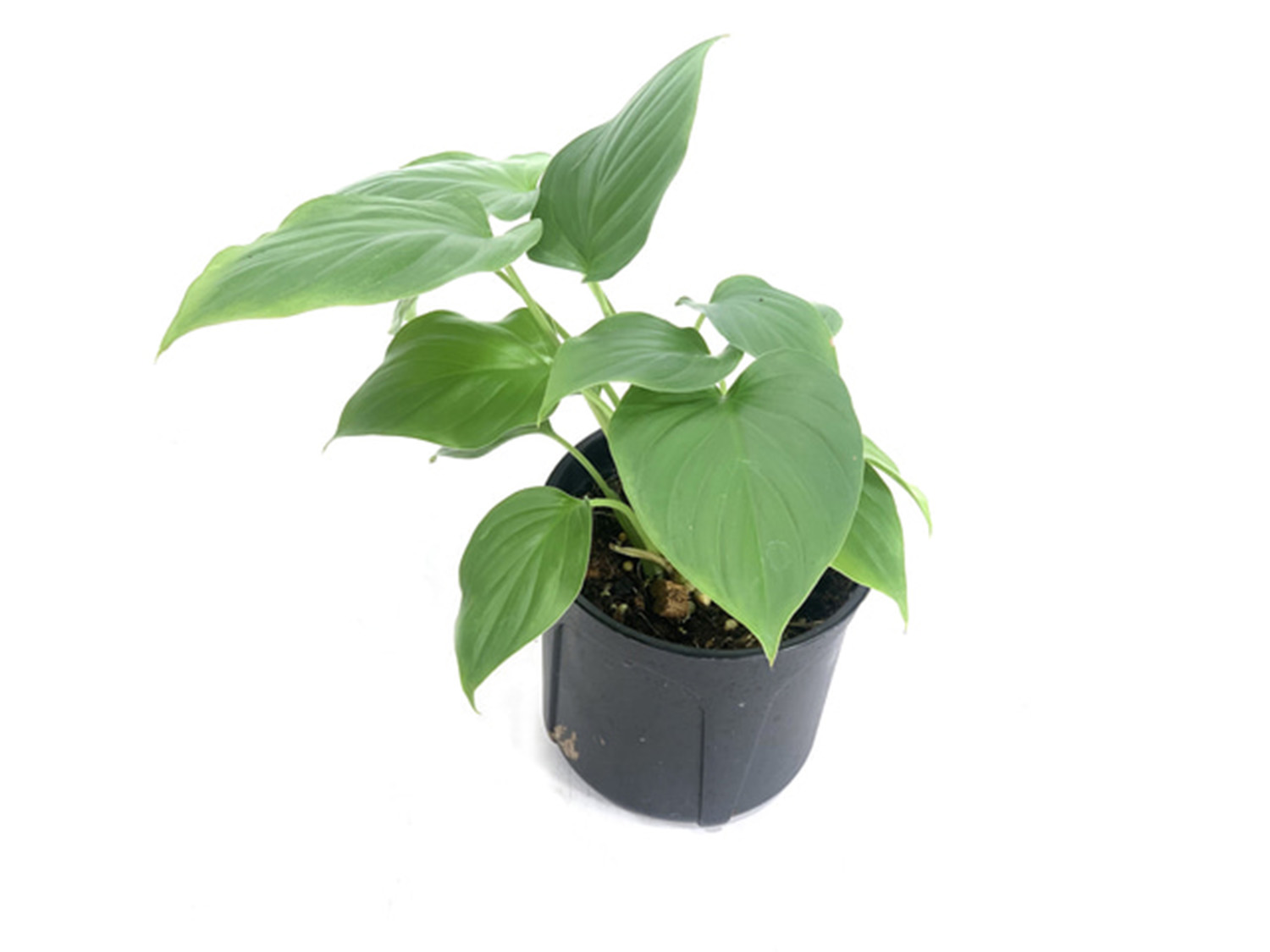
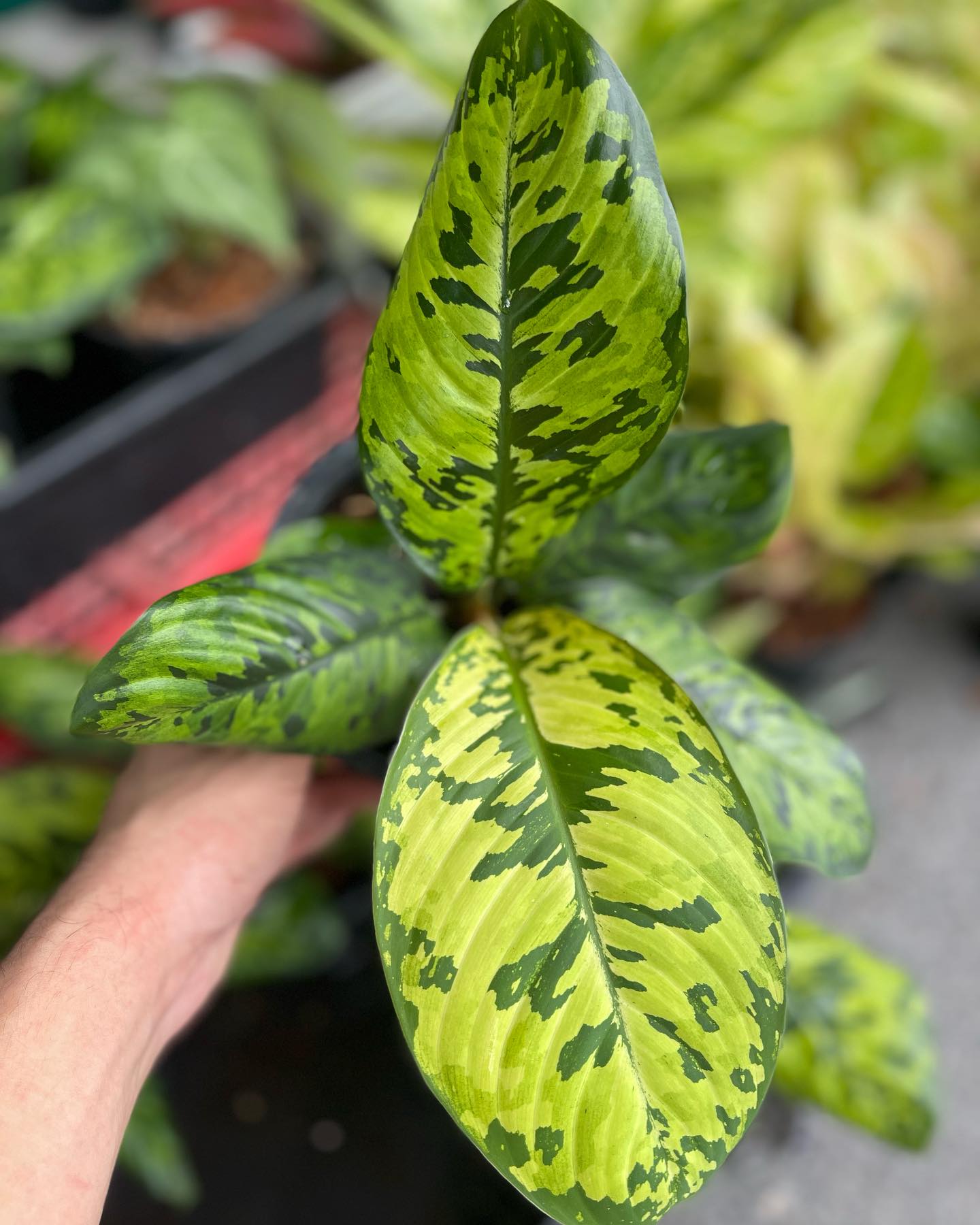
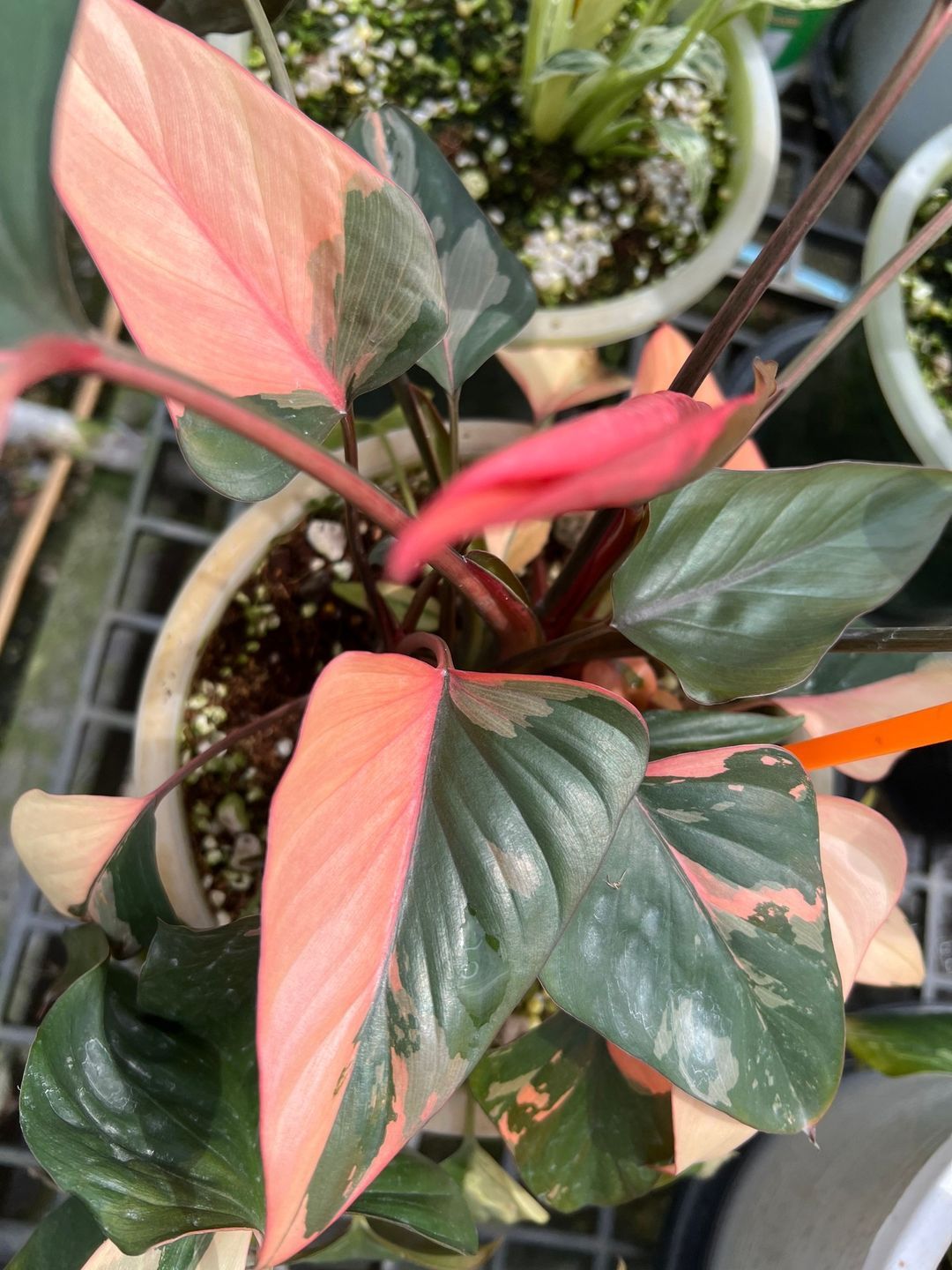
Greenboog Homalomena collection
Compare Homalomena plants from the specimen and format offered now
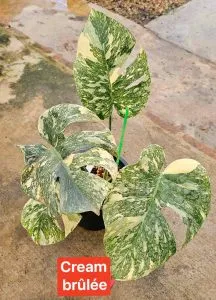
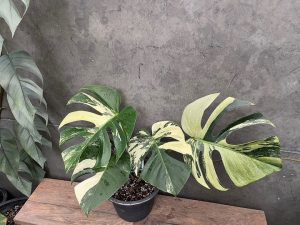
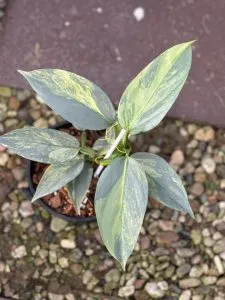
The product grid above is the live source for price, stock and selectable options. This collection currently brings together established Homalomena plants, named foliage forms and several multi-pot listings. Open the selected product to confirm whether its gallery represents the exact plant or a batch, its current size, pot quantity and the variegation visible at the time of listing.
This shopping guide is for rare-plant collectors, international buyers and small nurseries comparing potted Homalomena. Tissue-culture plantlets follow a different receiving process, so they remain in a separate collection rather than being treated as interchangeable with established plants.
Start with the order format that fits your plan
Single established plant
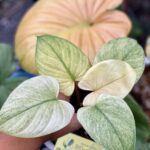
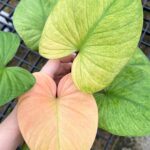
Use the written size, pot information, leaf count and gallery basis to understand what is offered. A mature reference leaf can help identify the form, but it should not be read as a promise that a younger specimen will arrive with identical proportions.
Variegated collector form
Compare more than the brightest leaf. Review several current leaves for distribution, color balance and active growth, and check whether the listing is for the photographed plant or a representative plant from the same batch.
Multi-pot package
Listings marked with a pot quantity are suited to buyers planning a grouped display or a small restock. Verify the number of plants, pot size and whether individual appearance can vary within the package before checkout.
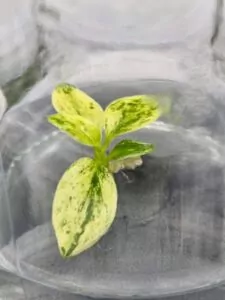
Tissue-culture plantlet
Choose the dedicated tissue-culture collection when you want a lab-propagated plantlet and are prepared for deflasking or acclimation. Do not compare its arrival stage directly with an established potted Homalomena.
Read the product page in this order
| Check | Why it matters | Use this evidence |
|---|---|---|
| Name and label | The catalog includes botanical names, comparison labels and horticultural trade names. | Product title, written identity and any uncertainty qualifier such as “cf.” |
| Exact or representative gallery | A batch image describes a range rather than one guaranteed specimen. | Image wording, captions and current plant notes. |
| Current plant stage | Leaf shape, color and proportions may develop as the plant matures. | Current dimensions, leaf count, crown and active growth. |
| Variegation evidence | One unusually bright leaf does not describe the whole plant. | Several leaves, stem or petiole evidence and the written description. |
| Quantity and pot format | A single plant and a multi-pot package solve different buying needs. | Selected option, stated pot count and container size. |
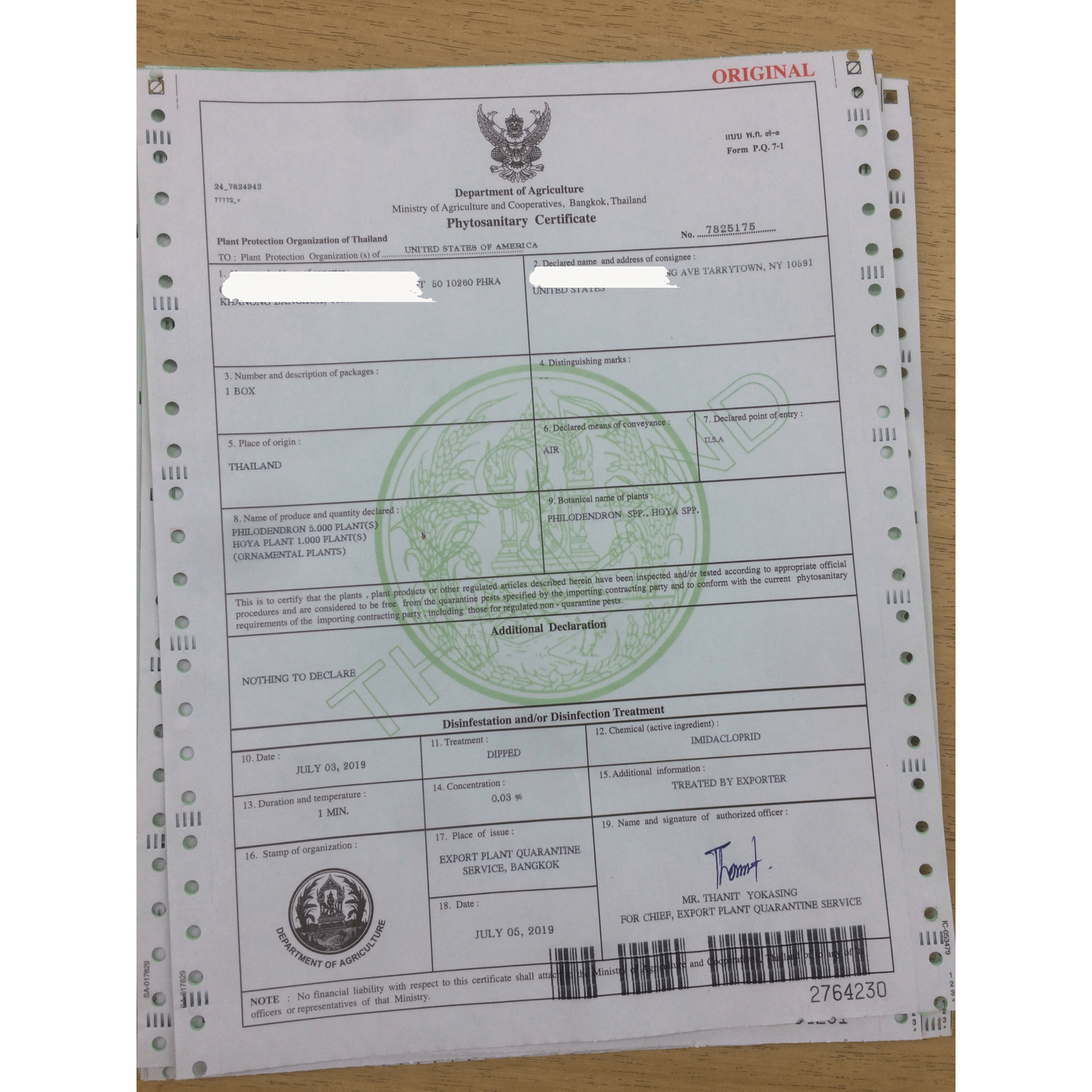
| Destination readiness | Transit time, weather and import requirements affect the receiving plan. | Current shipping information and destination rules. |
Prepare for arrival without guessing a fixed routine
- Reserve a clean quarantine area away from established plants.
- Photograph the parcel, foliage, crown, roots and medium before making irreversible changes.
- Keep the received plant in the listed format while you assess root-zone moisture and transit stress.
- Use bright filtered light and avoid an abrupt move into harsh direct sun while the plant settles.
- Base watering on the received medium and local drying rate rather than a universal calendar.
Kew Plants of the World Online accepts Homalomena in Araceae and records its native range from tropical and subtropical Asia to the southwest Pacific. That botanical boundary supports keeping this page focused on Homalomena purchase comparison rather than repeating broad aroid care or tissue-culture instructions.