
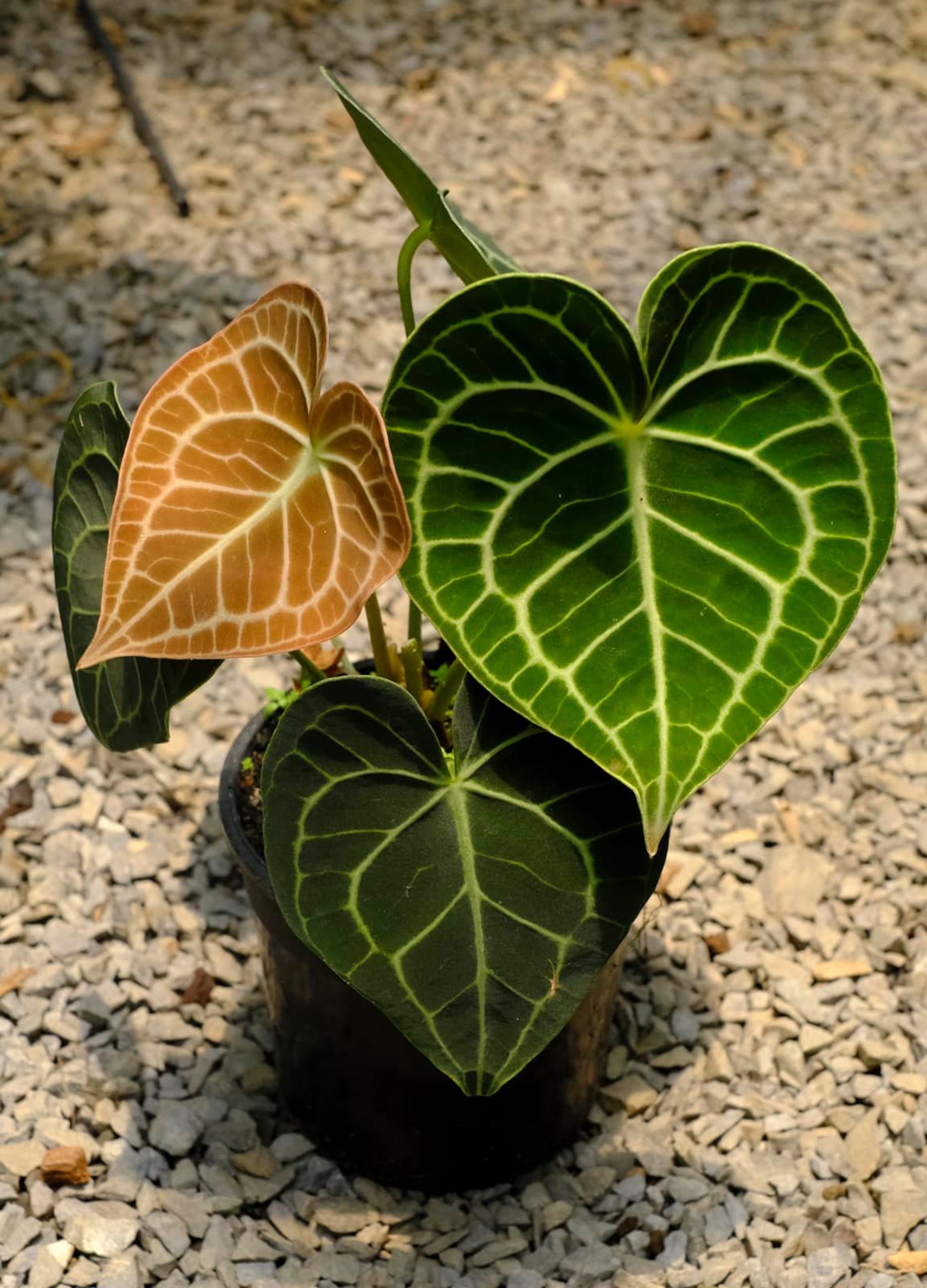
Greenboog collector buying guide
Rarity is not one botanical trait, and a mature leaf photo is not a shipping specification. A safer purchase begins by naming the uncertainty.
What does “rare Anthurium” mean?
In plant commerce, “rare” may describe limited local supply, slow production, an uncommon seller format, a named horticultural selection or a plant that is temporarily fashionable. It does not automatically mean the species is threatened in the wild, hard to grow, genetically unique or likely to increase in value.
Kew Plants of the World Online can help verify whether a species name is accepted and where a species occurs. It cannot verify a seller’s clone label, current rootedness, shipped size or market scarcity. Keep those evidence types separate.
Read the name in layers
| Layer | Evidence to request | What it changes |
|---|---|---|
| Accepted species | Botanical name checked against a current taxonomic source | Identity, native range and species-level context |
| Hybrid parentage | Parent names and direction if known | Expected variation; seedlings are not identical clones |
| Cultivar/clone label | Provenance and propagation history | Whether a named trait can reasonably be repeated |
| Seller label | Explicitly marked as seller terminology | Useful search language, not botanical proof |
Compare morphology through the Anthurium types and identification guide. Species names should not be assigned from leaf color or one juvenile photograph alone.
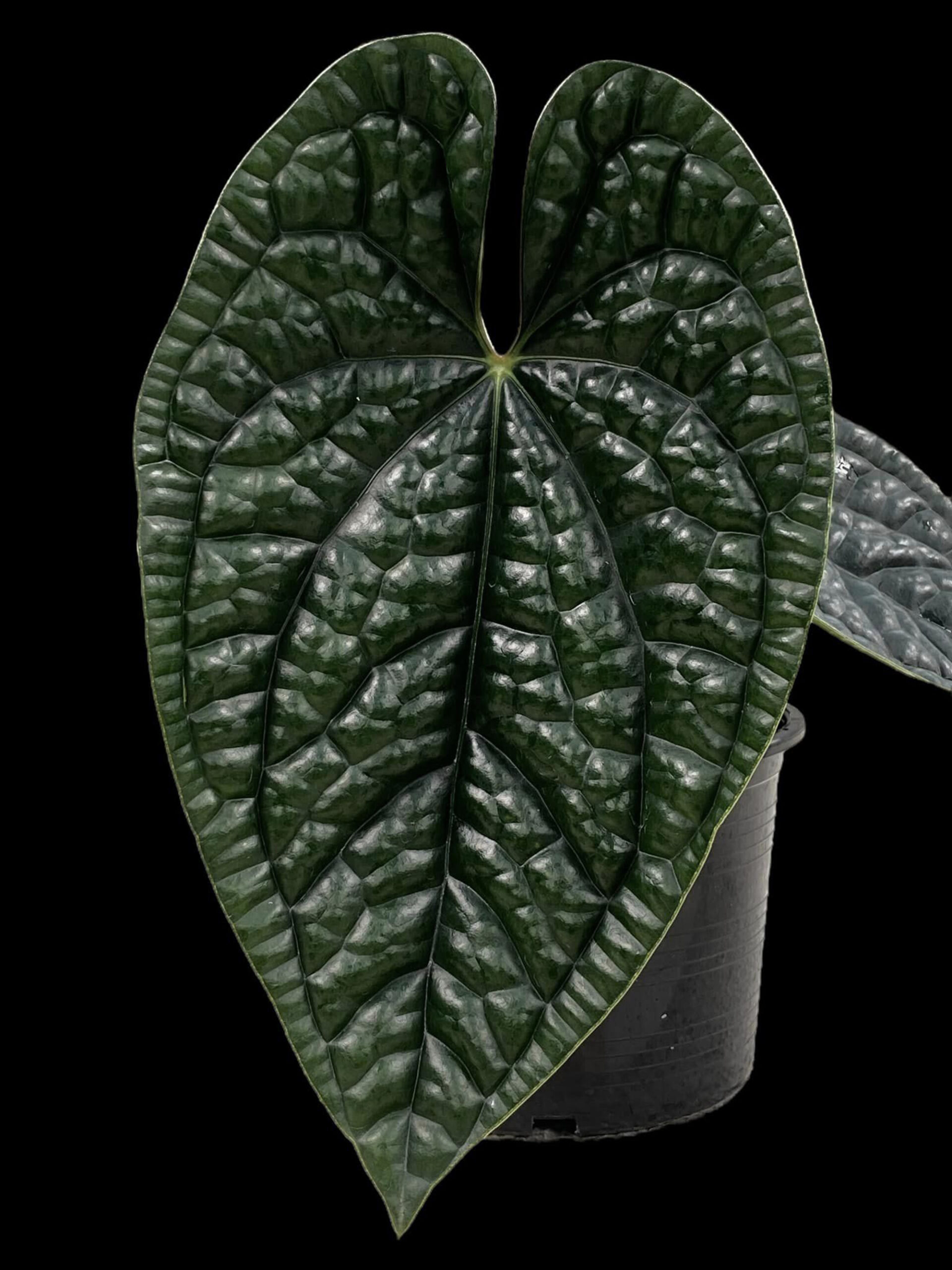
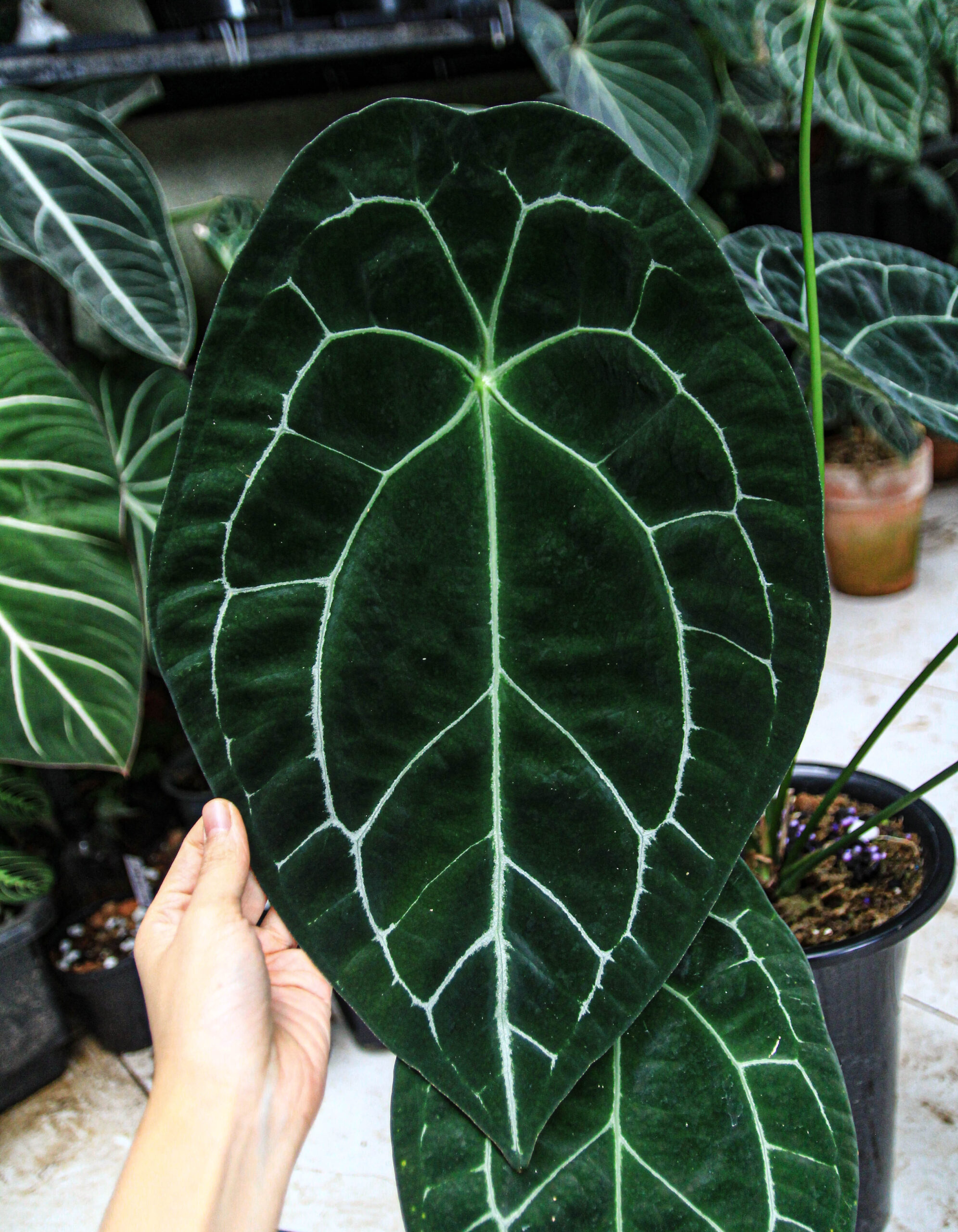
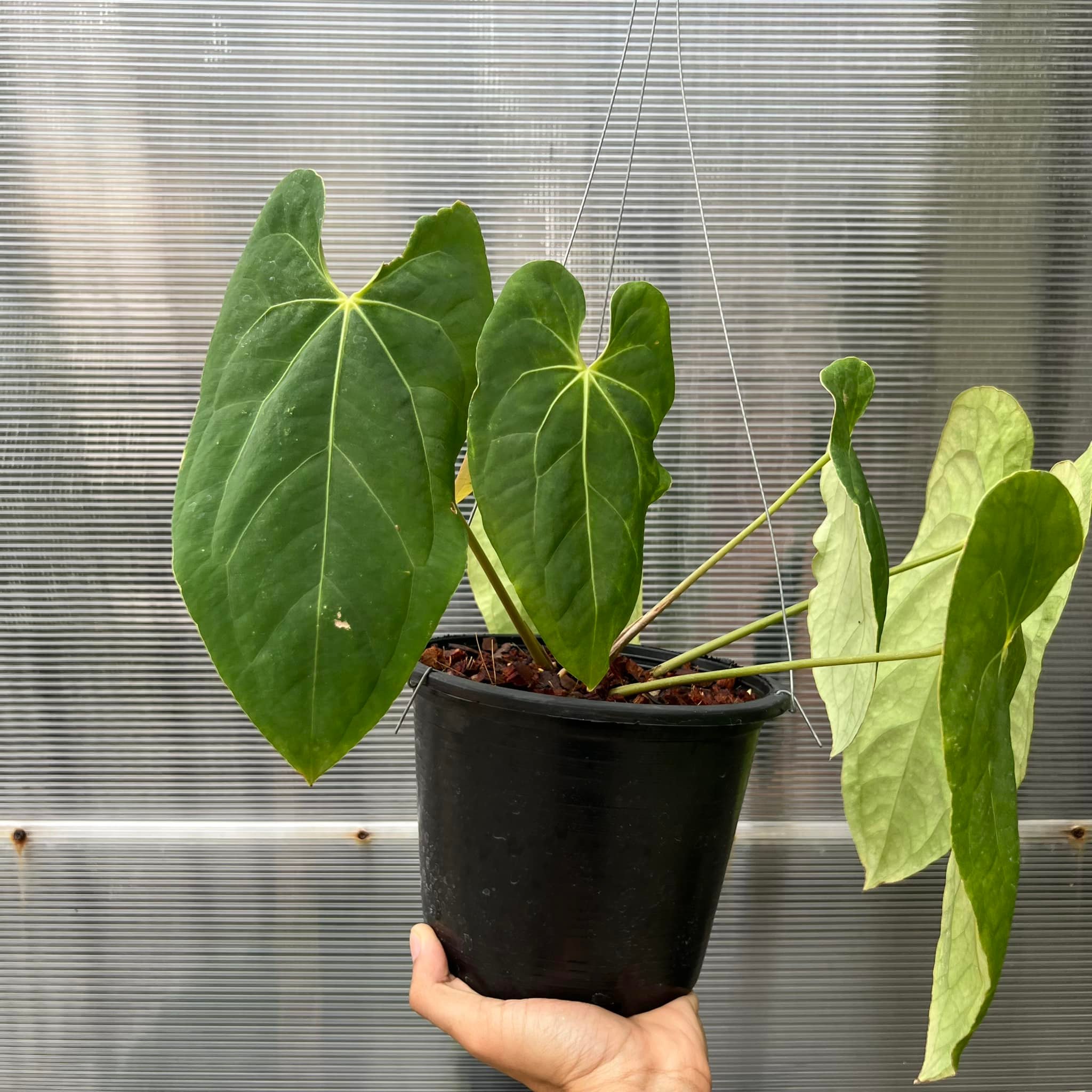
Choose the format before the phenotype
A mature potted plant, rooted division, unrooted stem section and in-vitro plantlet have different evidence and acclimation needs. Do not compare headline prices until quantity, current size, roots, medium and establishment stage match.
| Format | Verify | First risk to plan |
|---|---|---|
| Established potted plant | Exact vs representative photo, roots, pot, leaf count | Shipping damage and environment change |
| Rooted division | Viable growth point, current roots, cut history | Limited reserve and fresh wound |
| Stem section | Node/growth tissue and condition | Rooting failure; leaf-only pieces cannot regenerate |
| Tissue-culture plantlet | Plant count, in-vitro/ex-vitro state, container | Gradual acclimation from protected conditions |
Use the Anthurium propagation guide to verify what constitutes viable material. A detached leaf and petiole are not a complete propagule.
Build a landed-cost comparison
The useful number is not the plant price alone. Compare plant quantity, shipping, documentation, destination fees, weather protection and the cost of establishment supplies. Destination and import requirements can change, so verify the current terms in the listing and the Greenboog shopping guide before payment.
Higher price can reflect establishment time, larger current size, documentation, a verified clone, lower production volume or seller service. It does not prove identity, perfect health or future resale value.
Photo evidence that reduces uncertainty
- Whole plant: pot/container, growth point and every included plant in one frame.
- Newest and hardened leaves: stage change, damage and stable morphology.
- Underside and petiole: identity clues plus pest inspection.
- Roots/medium: current establishment state, not “healthy roots” as a slogan.
- Scale: ruler, pot dimension or written current measurement.
- Date: a recent image when the listing is for the exact plant.
Match the plant to your growing system
Before buying, compare your light, warmth, airflow, root-zone control and available leaf clearance with the plant’s current stage. Use the Anthurium care guide for condition-led decisions rather than adopting a seller’s universal humidity or weekly watering rule.
Large-leaf species may need protected expansion space; textured species collect dust and show abrasion; newly acclimating plantlets need a gradual transition. The “rarest” option is not automatically the best fit.
Where live shopping belongs
The Anthurium collection owns live availability, price and product format. Filter there, open the exact listing, then bring its evidence back through this checklist. This article deliberately does not maintain a static “top five rarest” list that becomes stale or competes with the category grid.
Rare Anthurium buying FAQ
Does “rare” mean threatened in the wild?
No. Market scarcity and conservation status are different claims. Verify conservation information from an authoritative source rather than a product adjective.
Is tissue culture less valuable than a potted plant?
It is a different format and stage. Compare identity evidence, plant count, acclimation work and current condition; “value” depends on your goal and growing capacity.
Why do two listings with the same name look different?
Leaf age, environment, genetics, hybrid variation, seller labeling and photography can all contribute. Request provenance and several visible structures before deciding.
Are rare Anthuriums an investment?
A plant purchase has biological, shipping and market risk. Buy for a documented plant and a growing goal, not an assumed resale return.

1 thought on “Rare Anthurium Buying Guide: Identity, Format & Risk”