
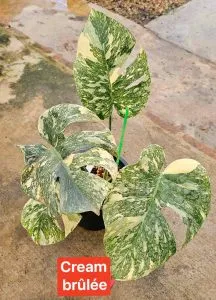

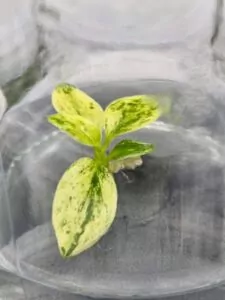
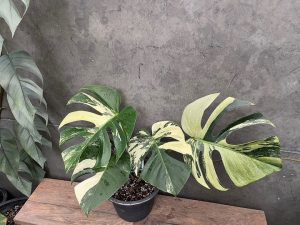
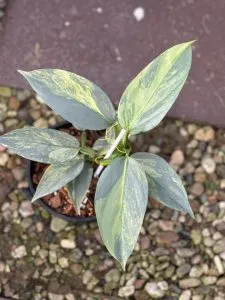


Philodendron
Showing 121–160 of 181 results
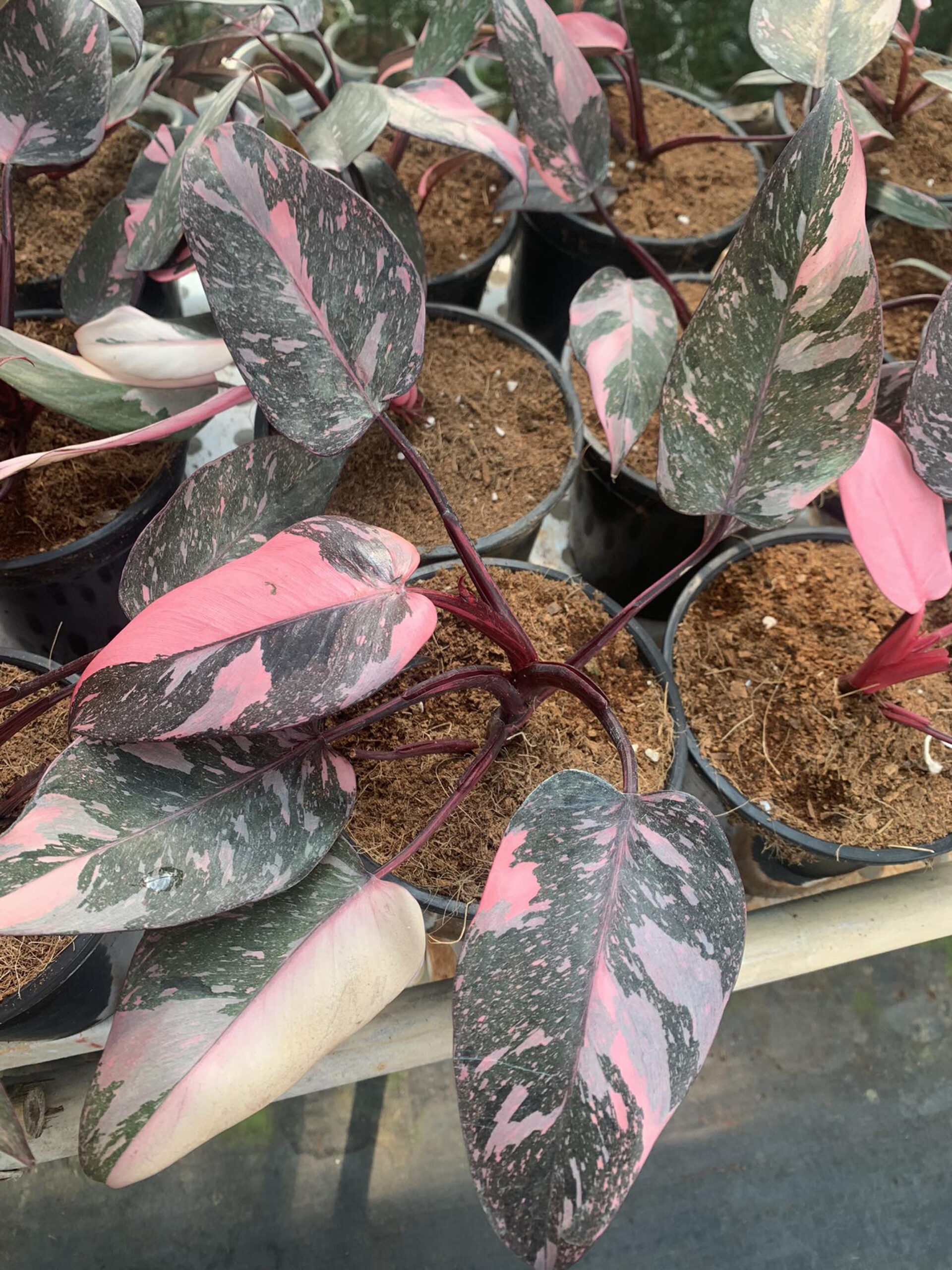
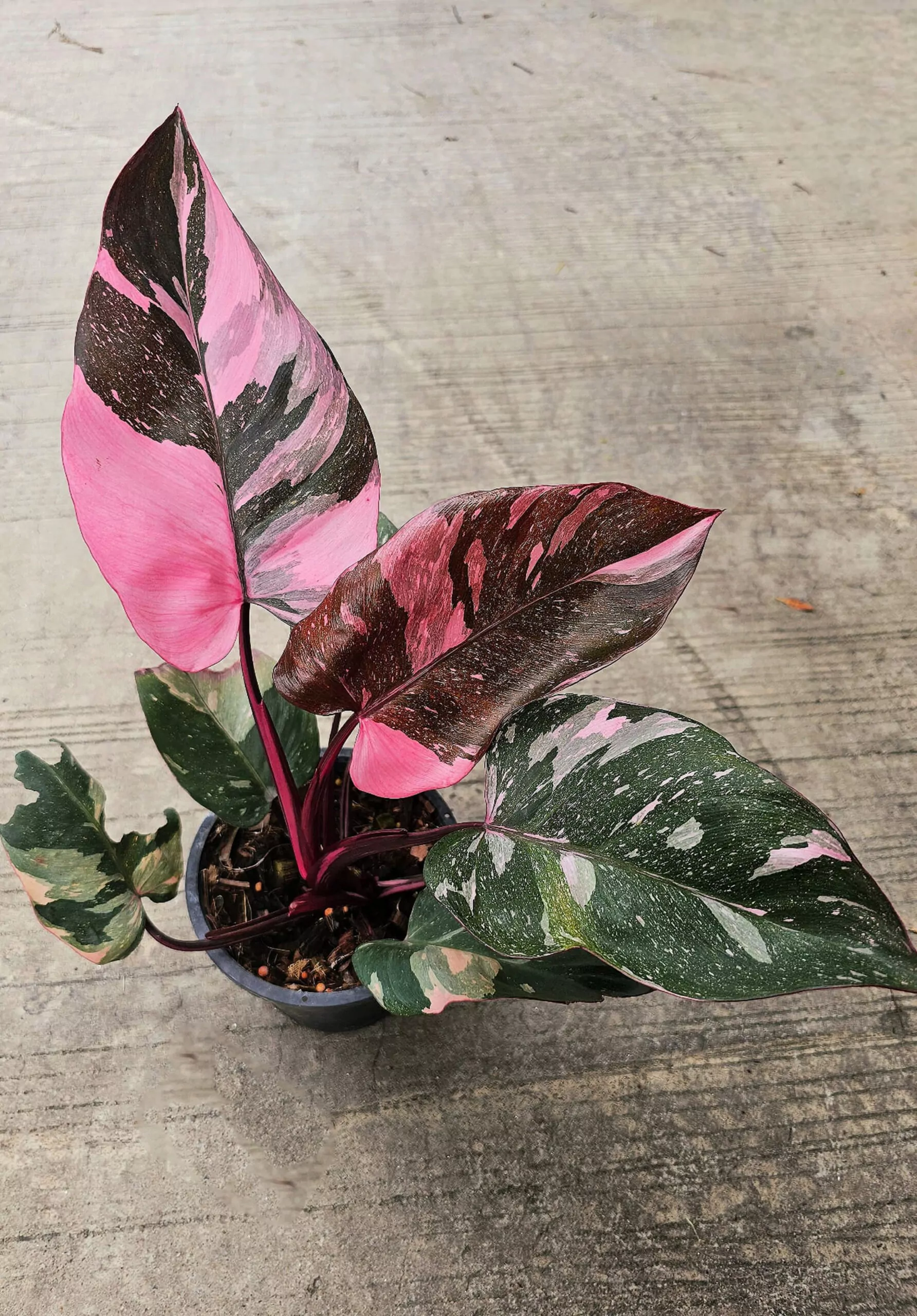
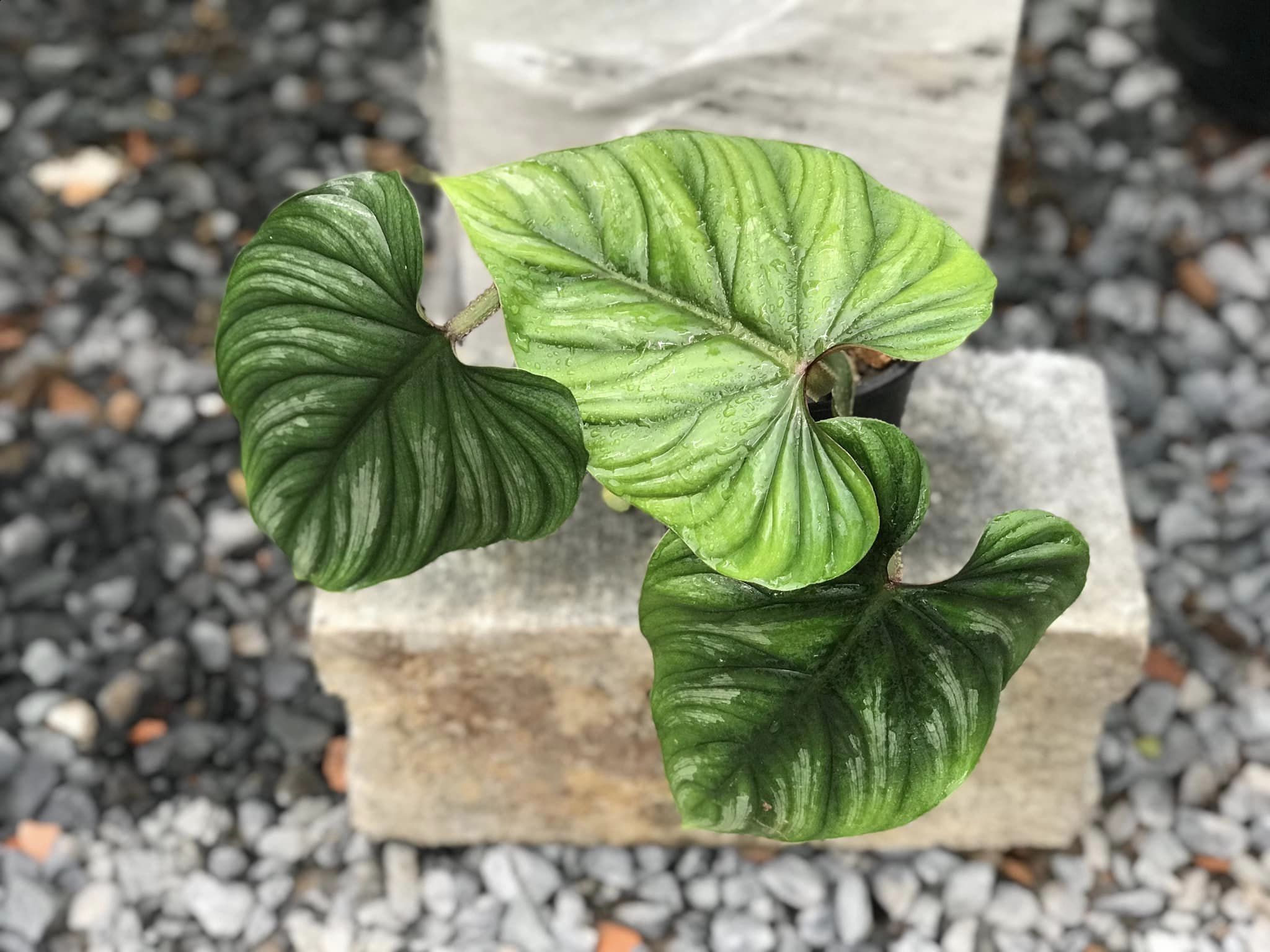
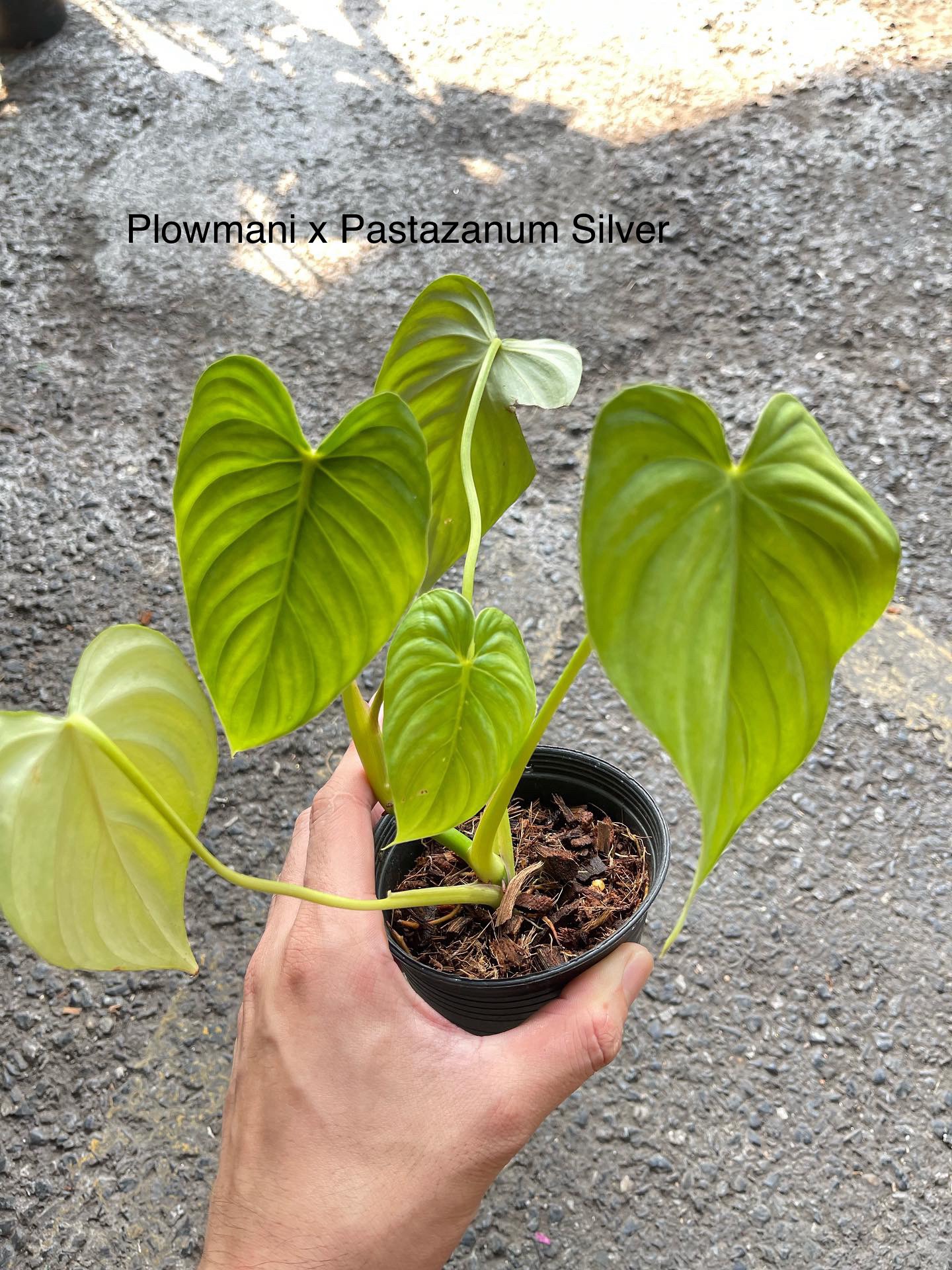
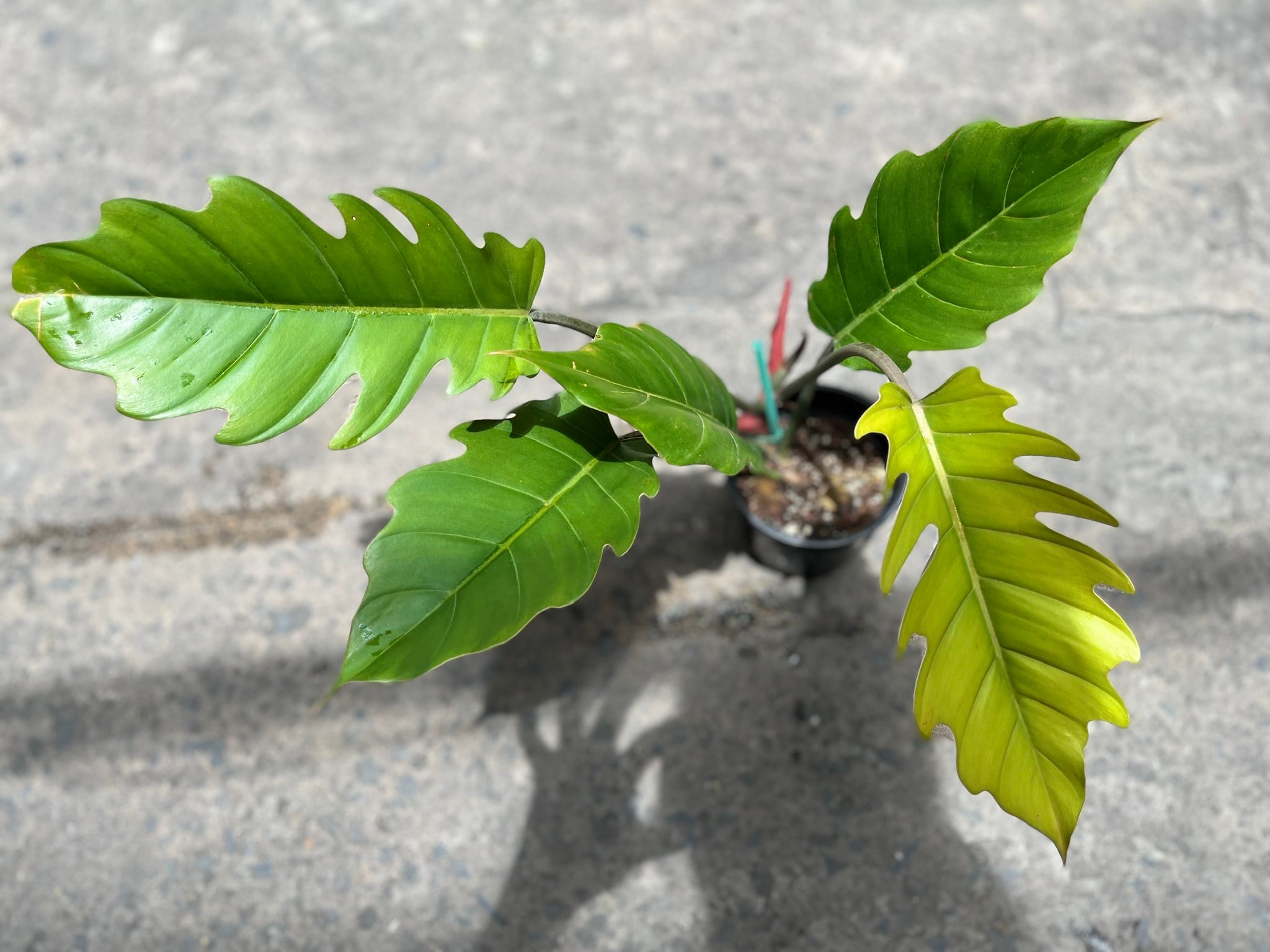
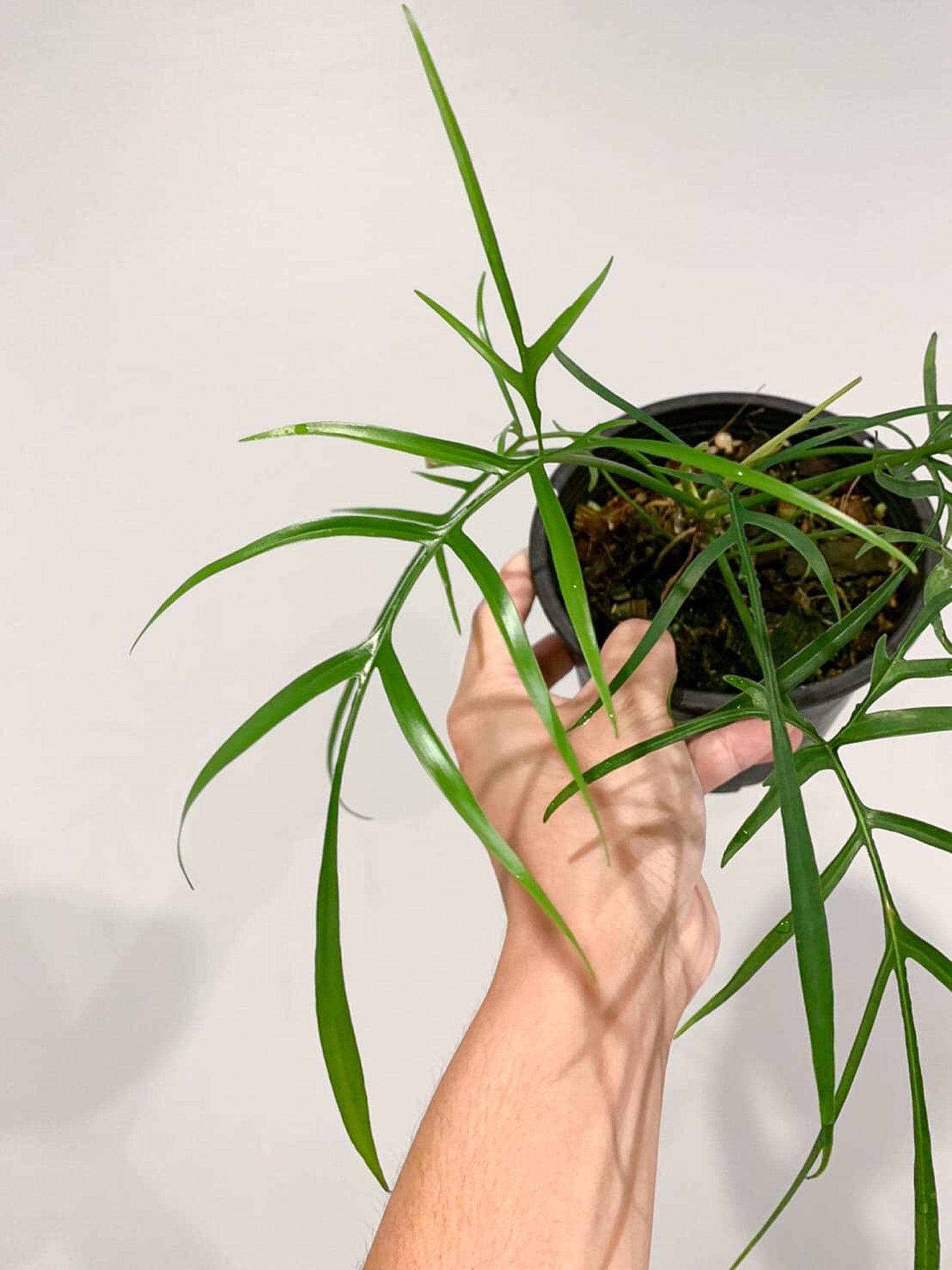
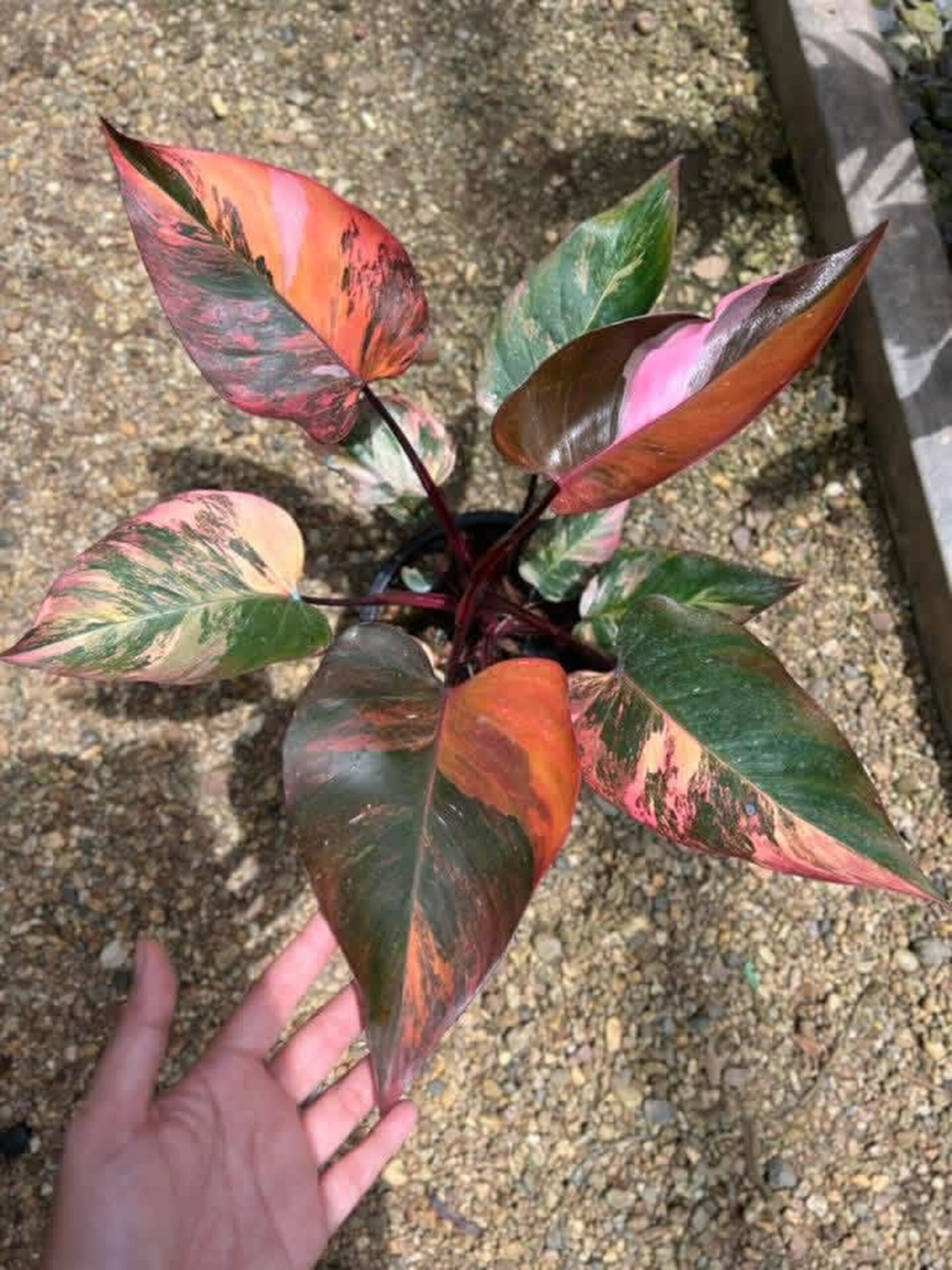
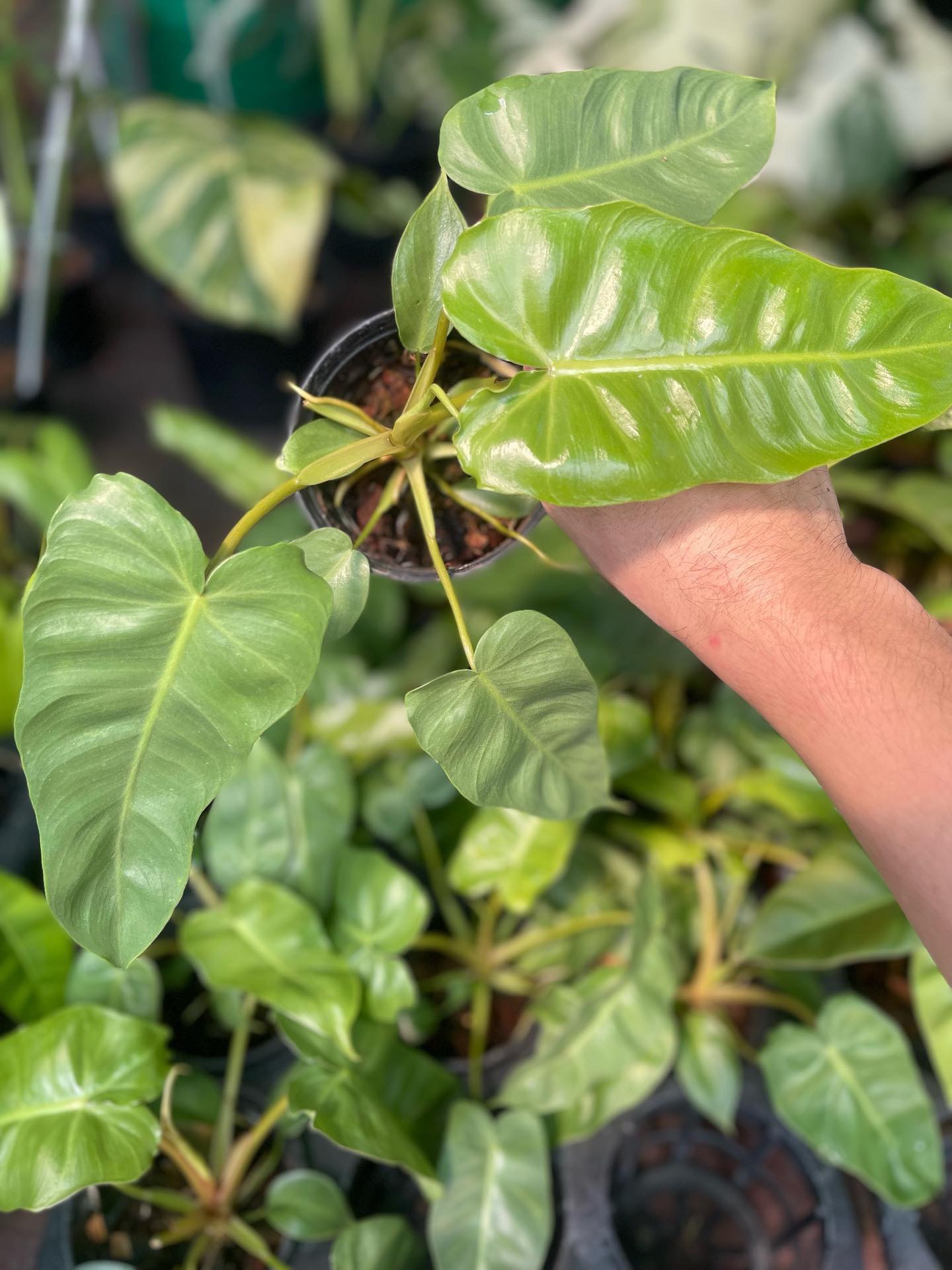
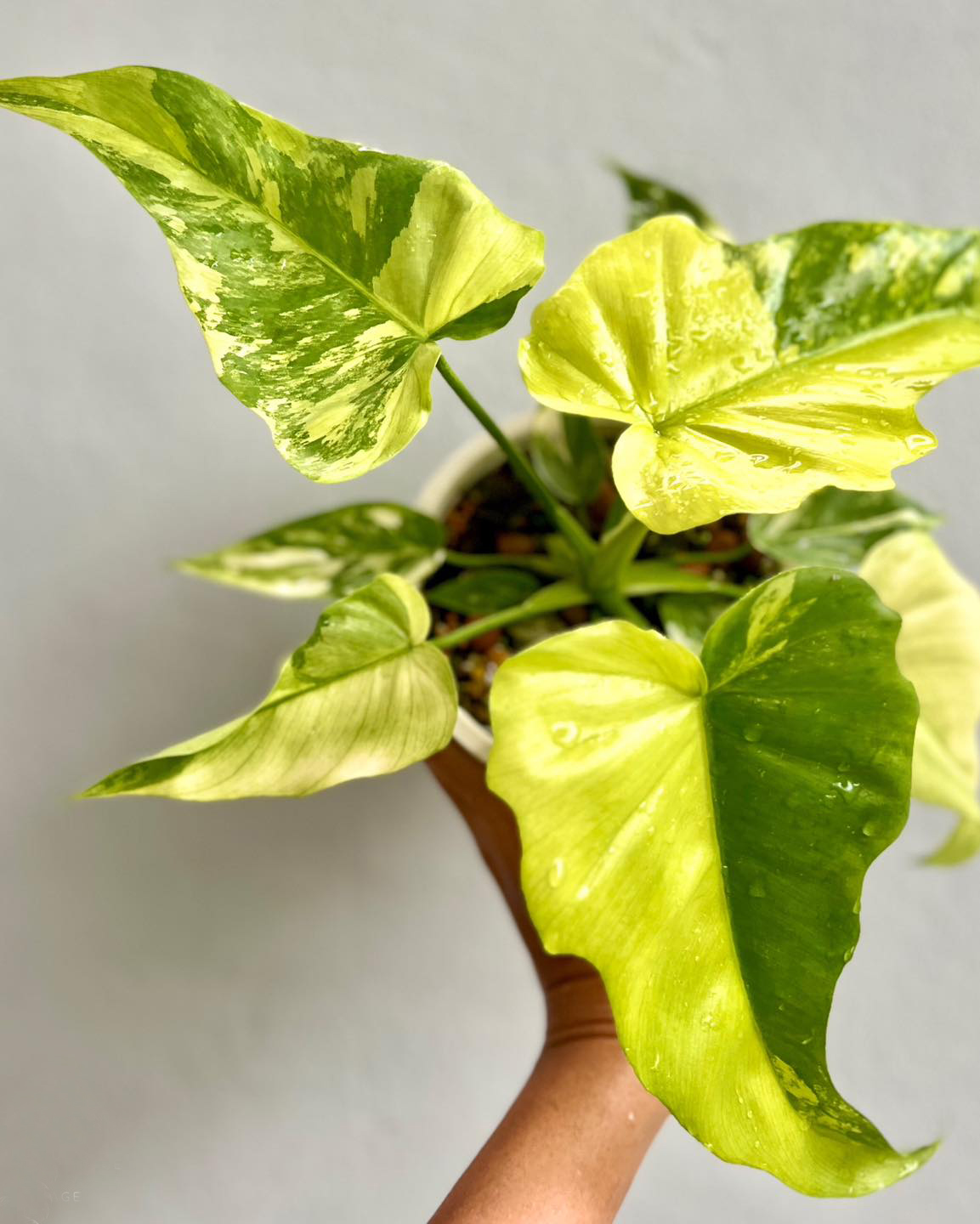

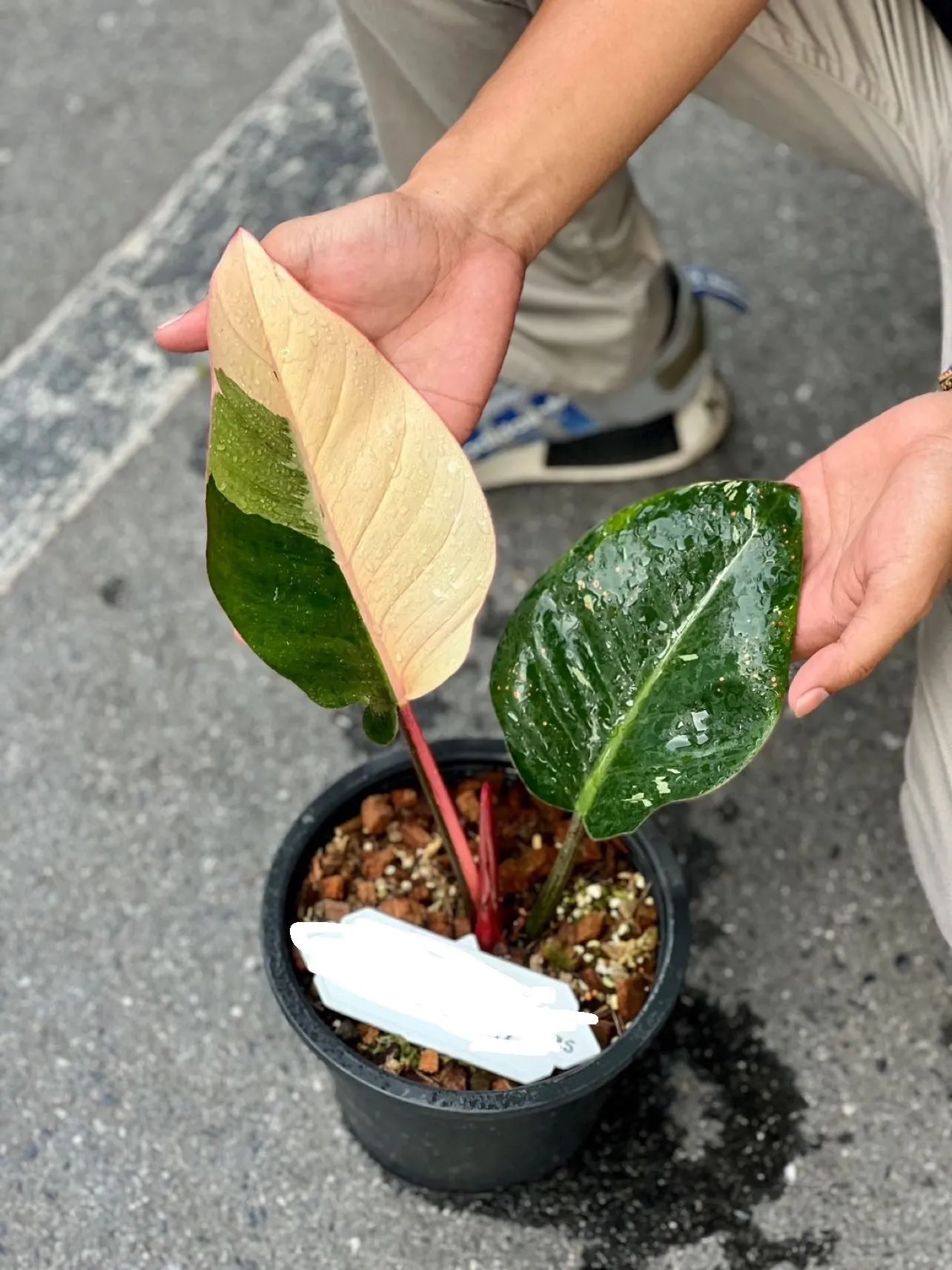
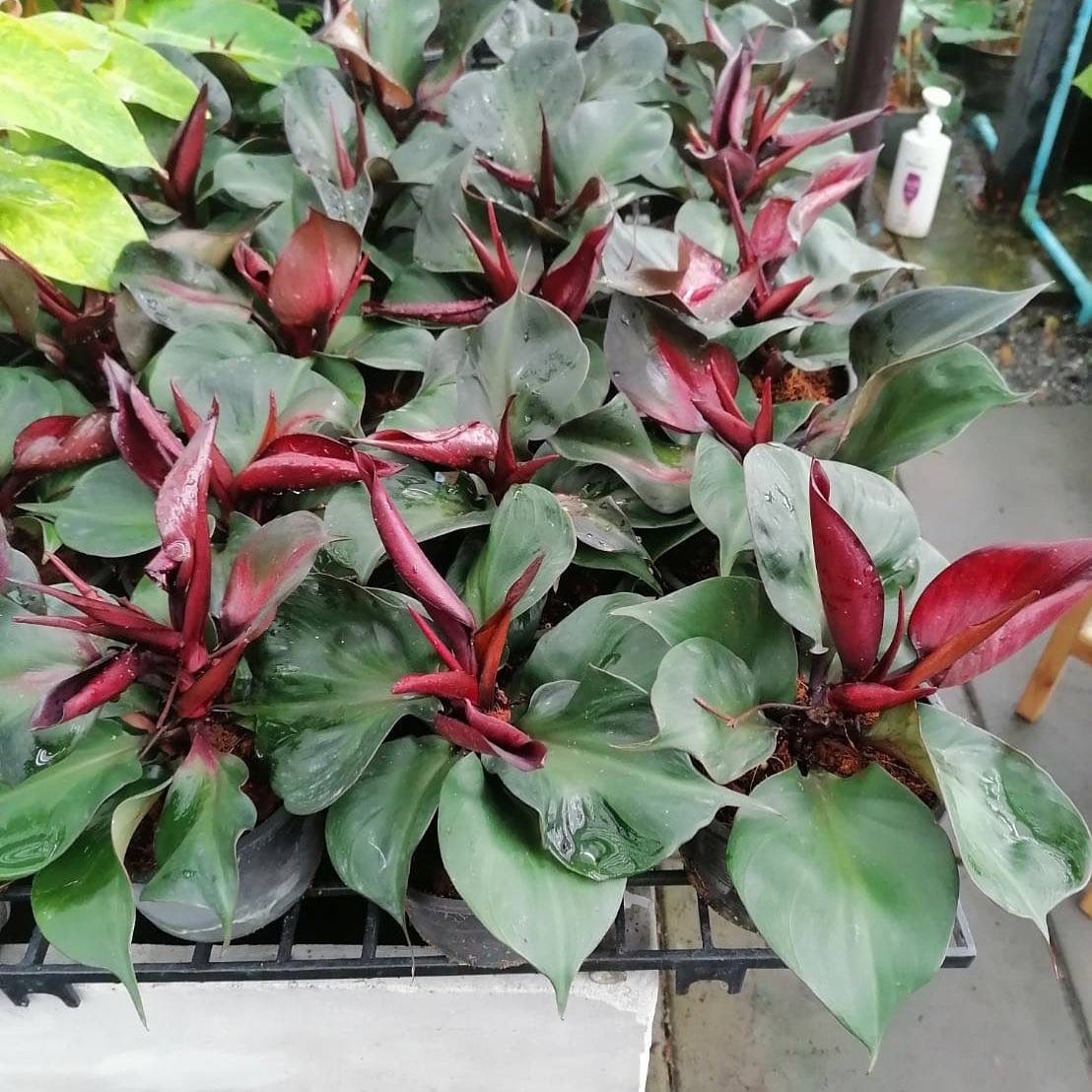
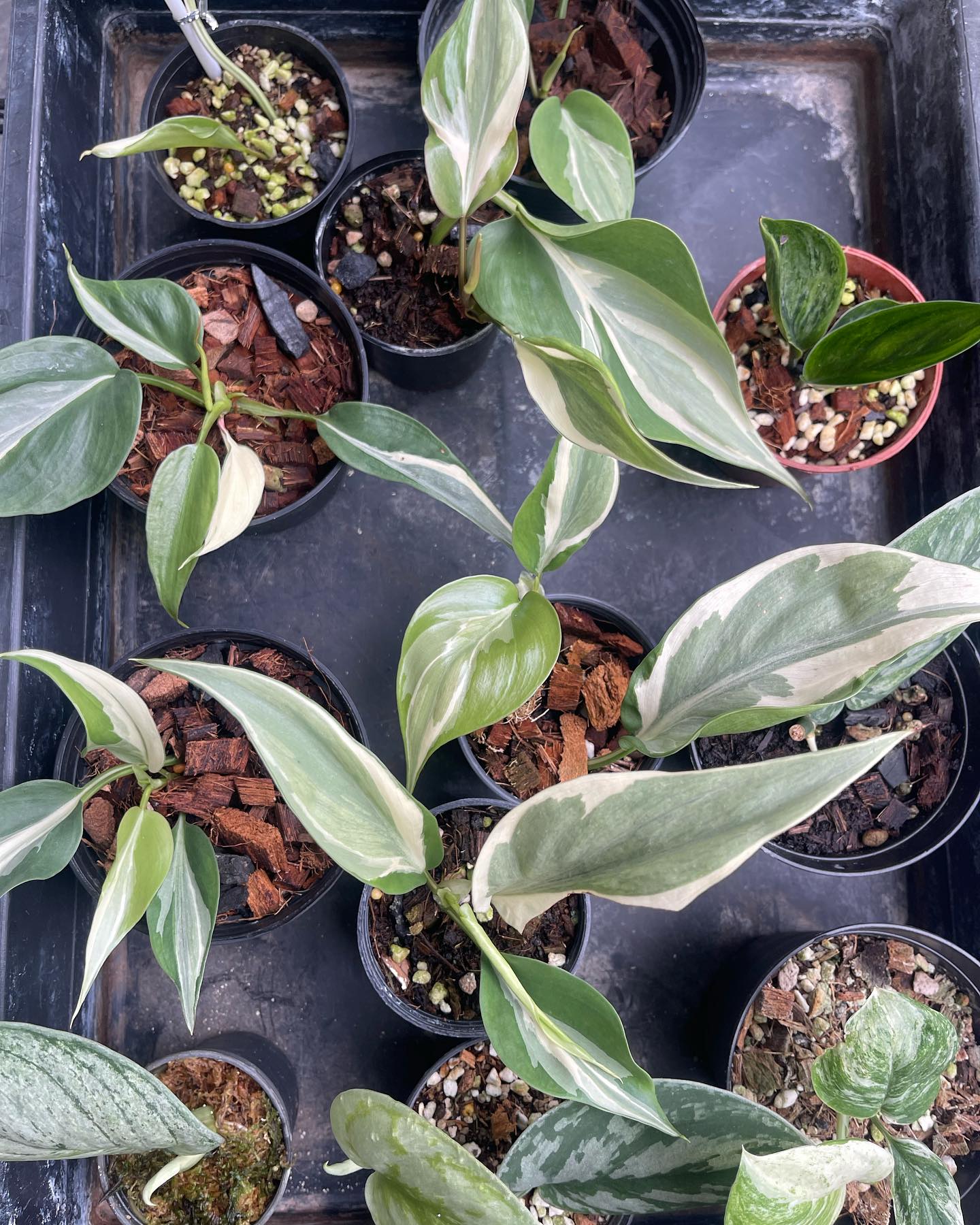
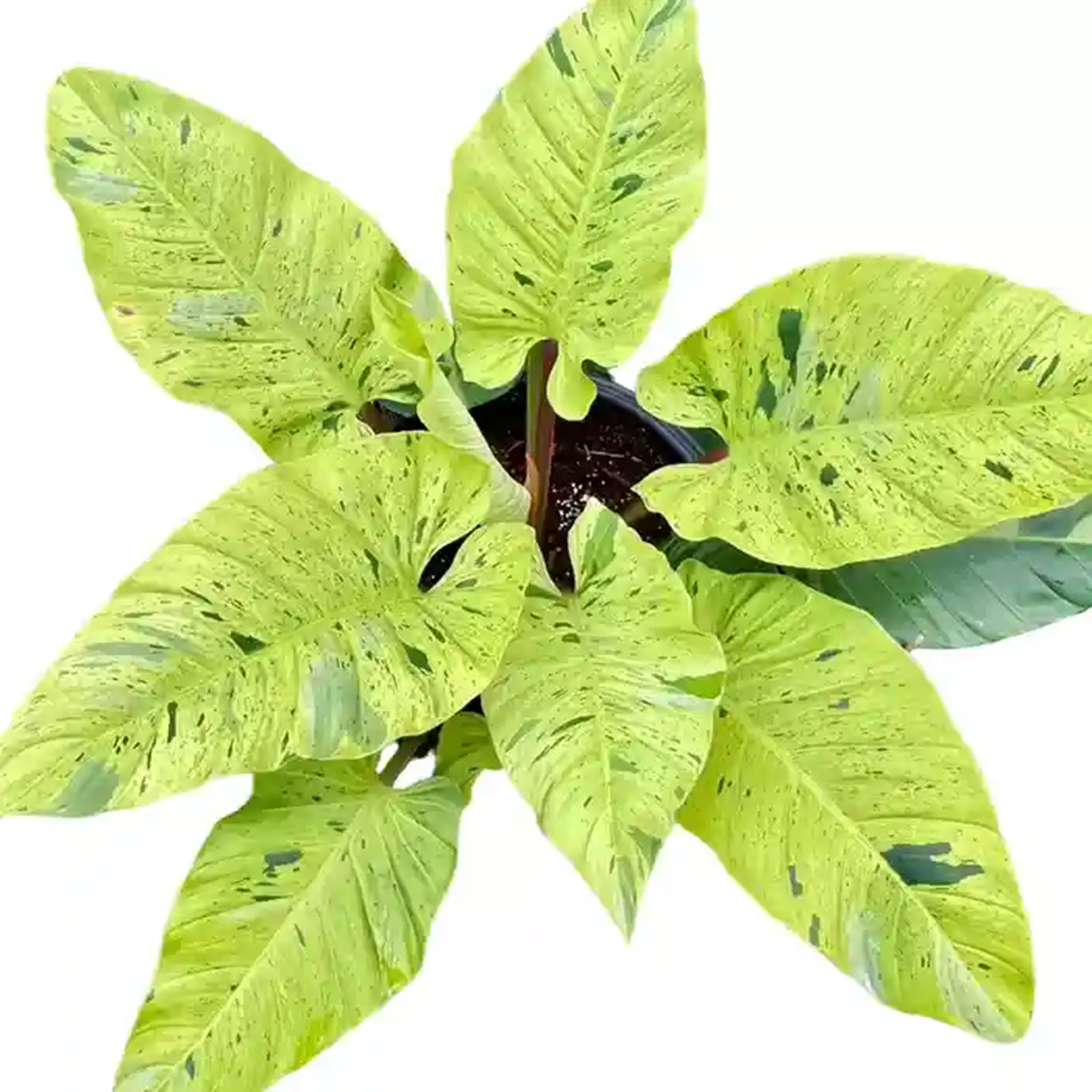
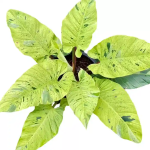
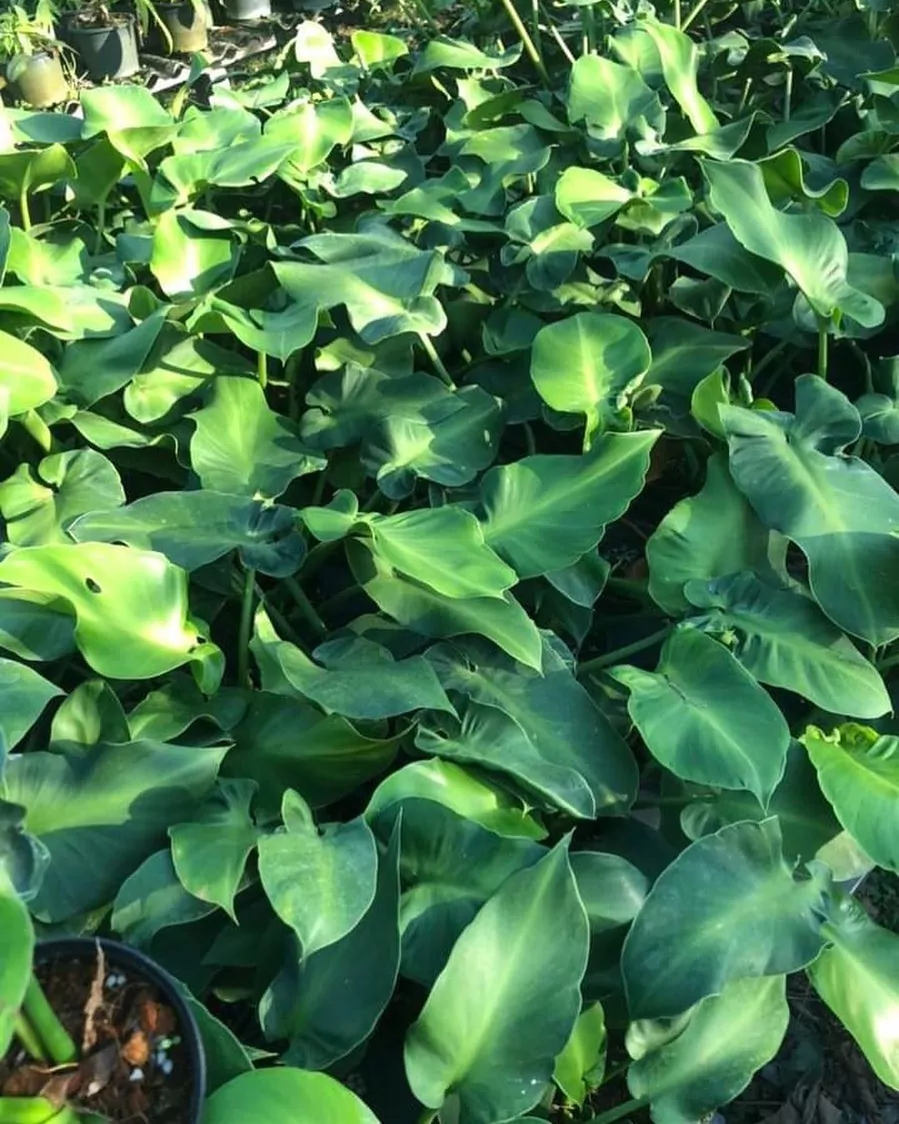
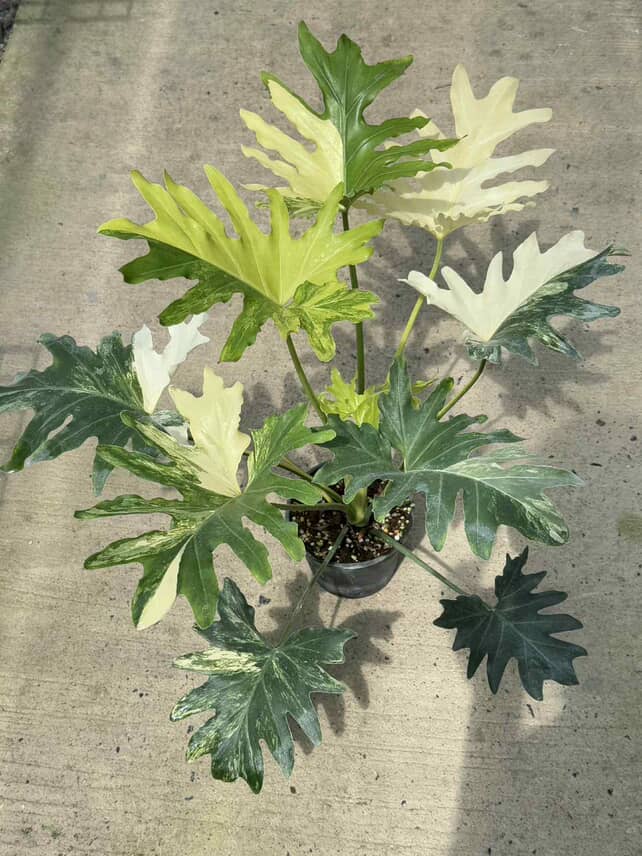
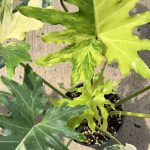
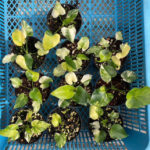
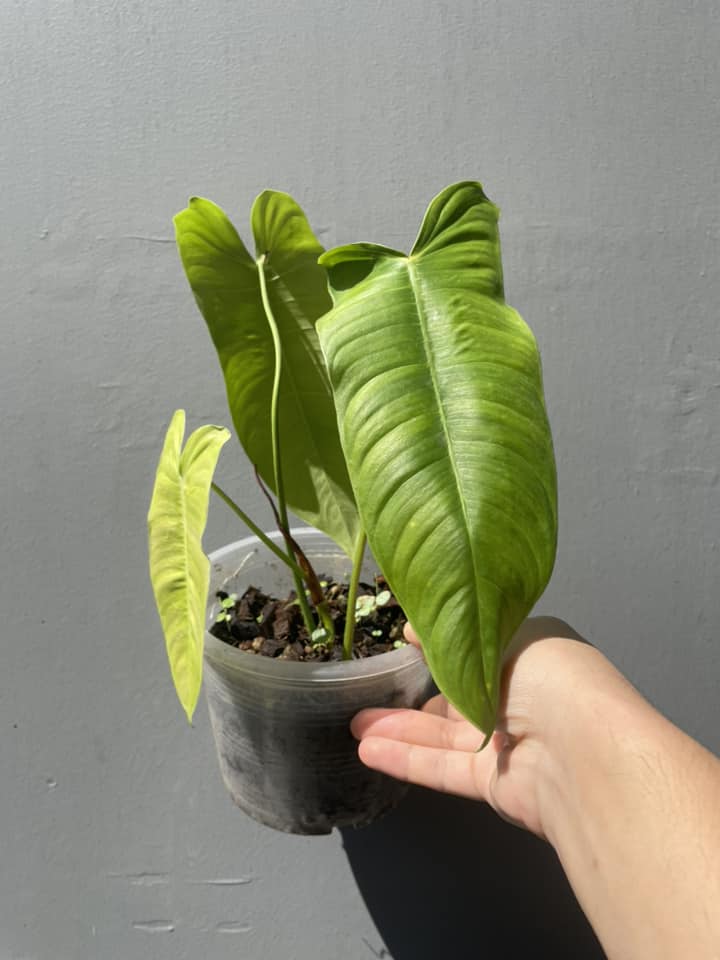
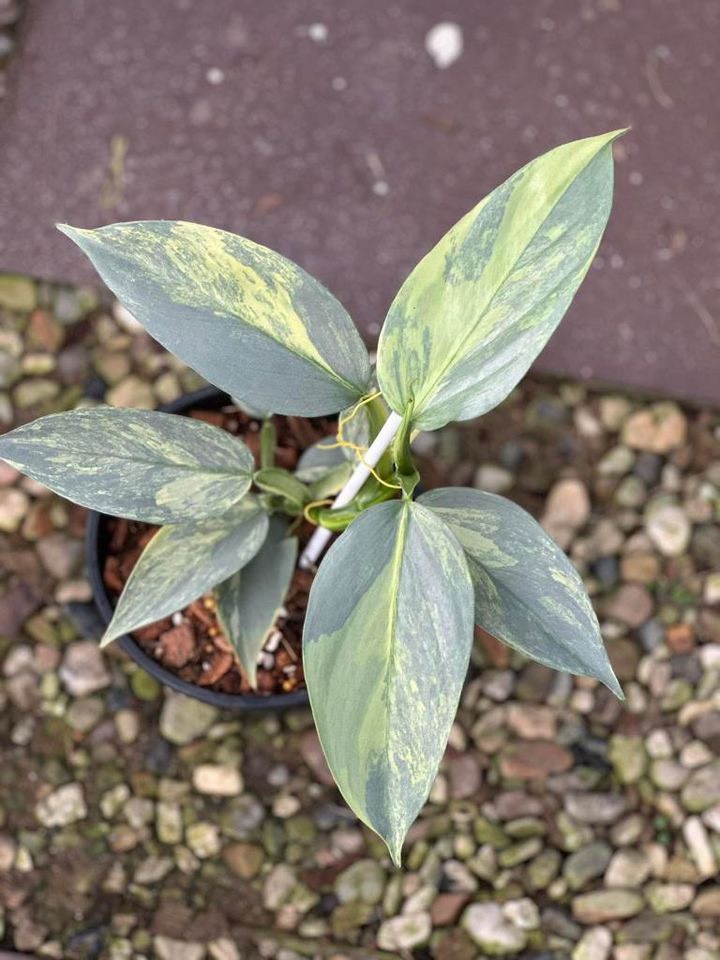
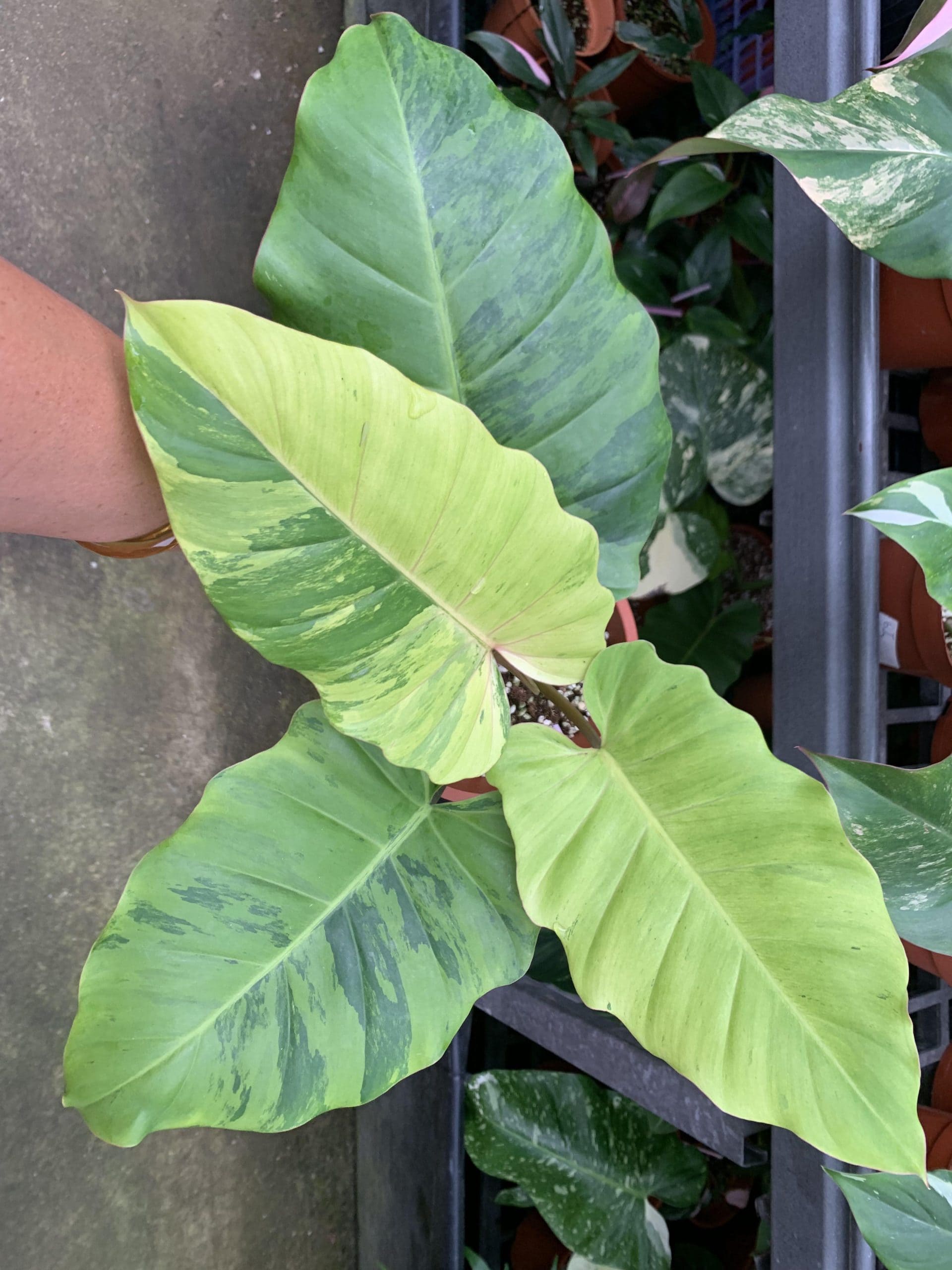
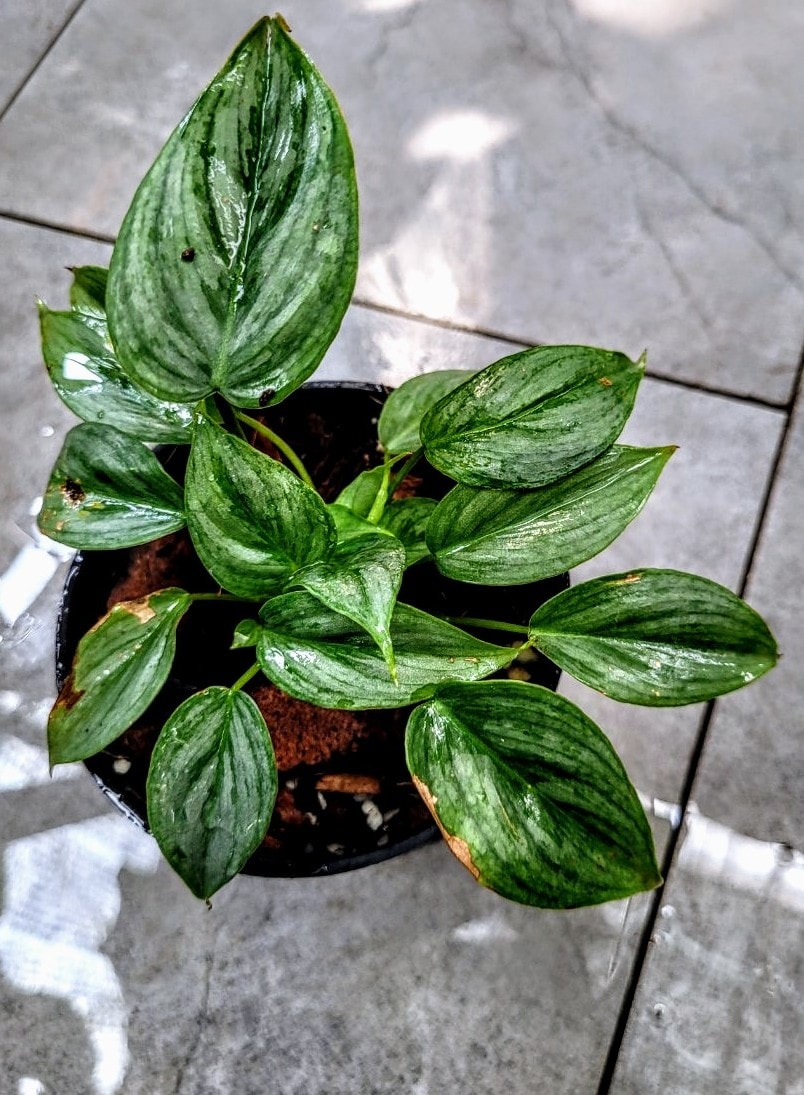
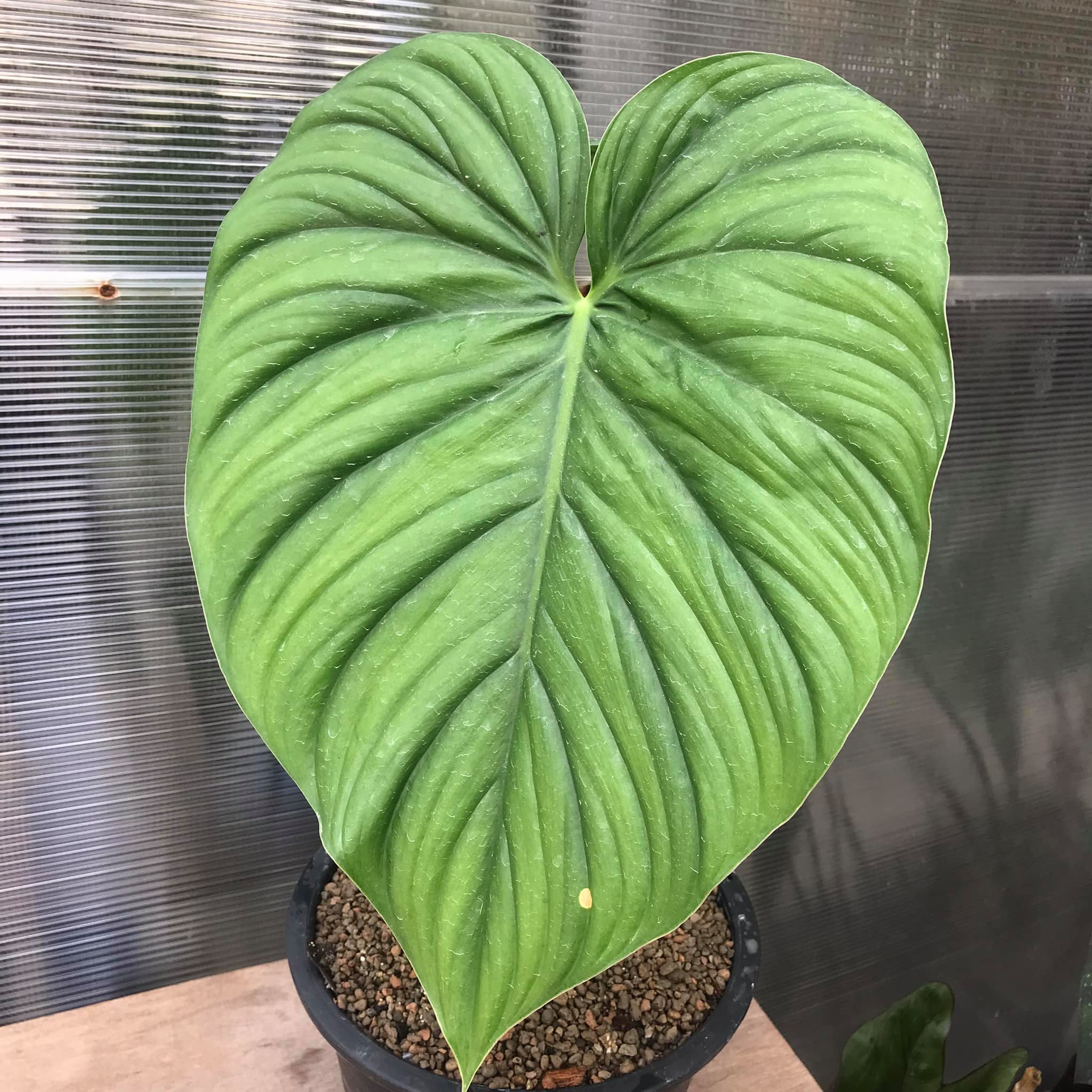
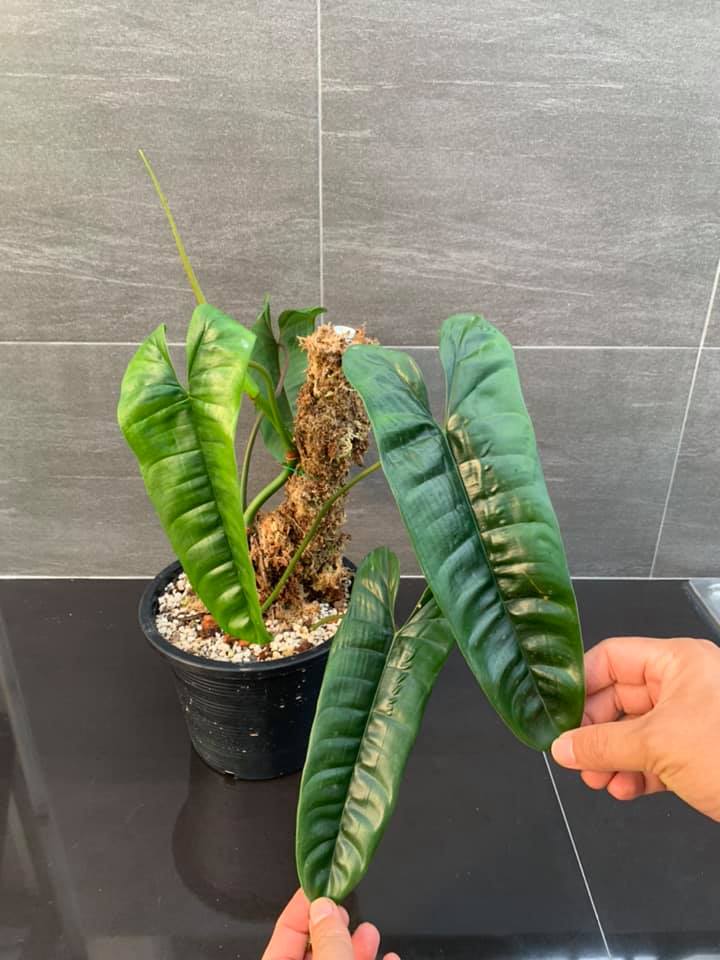

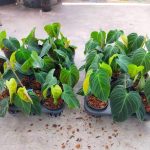
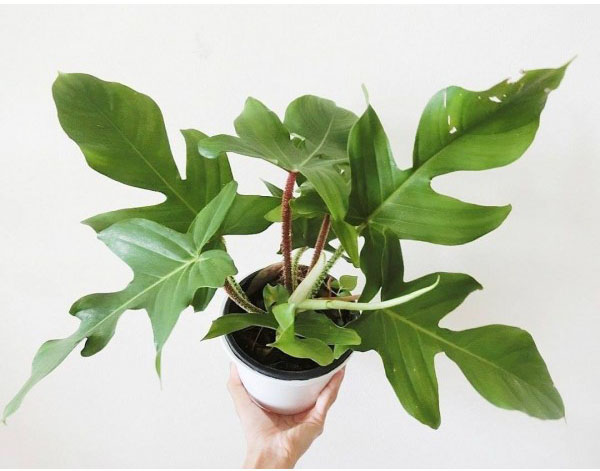
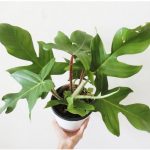
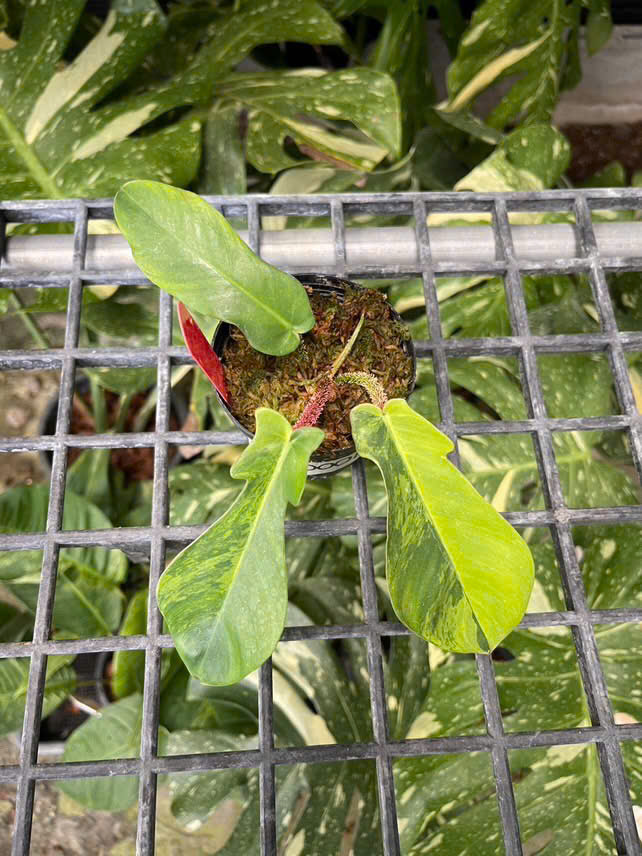
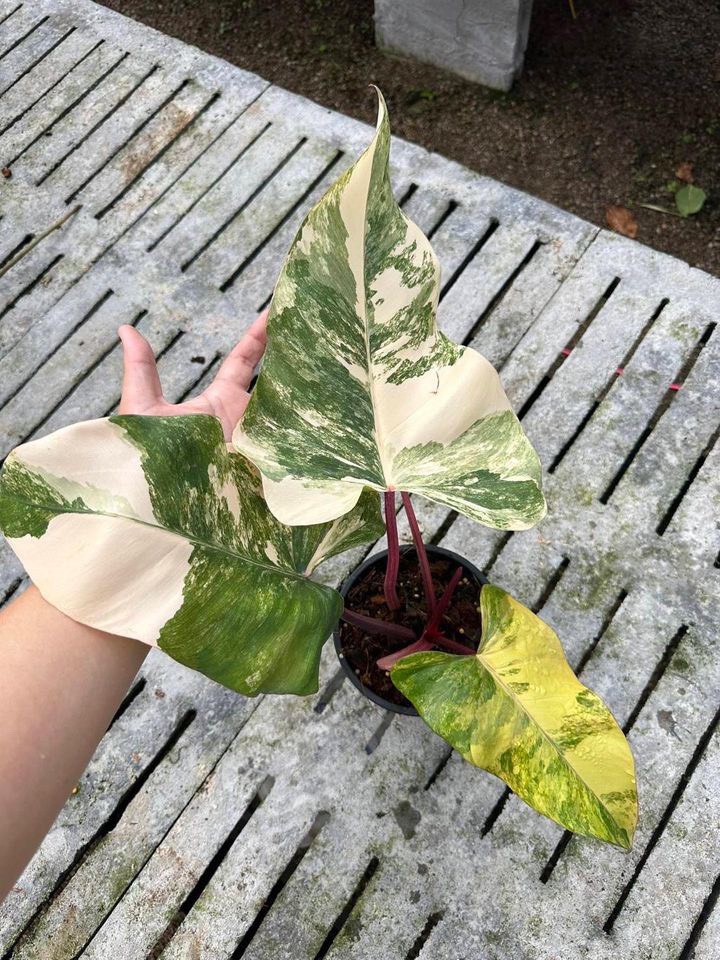

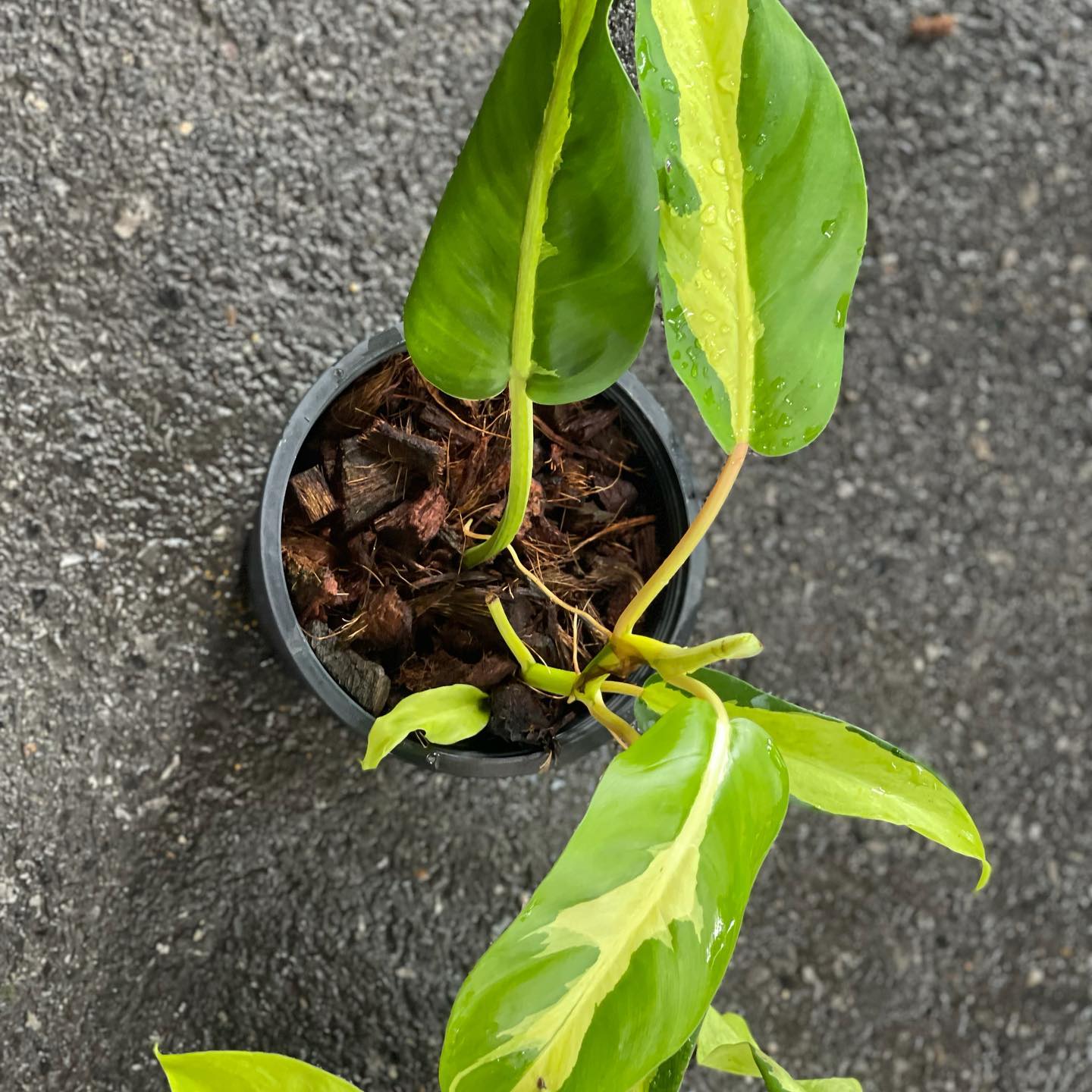
Greenboog rare Philodendron buyer guide
Choose by growth habit before choosing by color
The product grid above is the live source for current stock, price and available variations. Before checkout, identify whether the plant climbs, crawls or holds a more compact self-heading form; then verify the exact plant or representative-photo policy, plant stage, pot or quantity and variegation wording on the selected option.
This collection is built for collectors, international buyers and small nurseries comparing rare Philodendron. A striking leaf gets attention, but the growth habit tells you what support, floor or shelf space and receiving setup the plant will actually need.
Choose the growth route you can support
Climbing Philodendron
Climbers usually benefit from a pole, board or trellis as they establish. Check internode length and current size so the support fits the plant now, not only its mature potential.
Crawling Philodendron
Crawlers extend a rhizome horizontally and may outgrow a standard round pot. A wider container and room for the growth point can matter more than a tall support.
Compact or self-heading forms
These can suit buyers who prefer a more contained silhouette, but “compact” is relative. Verify current pot size, mature spread and whether the listing is a young start.
Velvet and delicate foliage
Thin or velvety leaves can show transit marks more readily than thick, glossy foliage. Decide whether you value an immaculate current leaf or a healthy growth point and future leaves.
Read the selected listing in this order
| Check | Why it changes the decision | Evidence to use |
|---|---|---|
| Exact or representative plant | An actual-plant offer can identify one specimen; representative photos show a range rather than one guaranteed leaf pattern. | Match image captions, variation name and description. |
| Growth habit | A climber, crawler and self-heading plant use space differently and need different support or pot geometry. | Use the stated habit and species/cultivar guide; ask when absent. |
| Plant stage and roots | A young start, rooted plant and larger potted specimen require different post-transit handling. | Check root, medium, leaf count and pot-size information. |
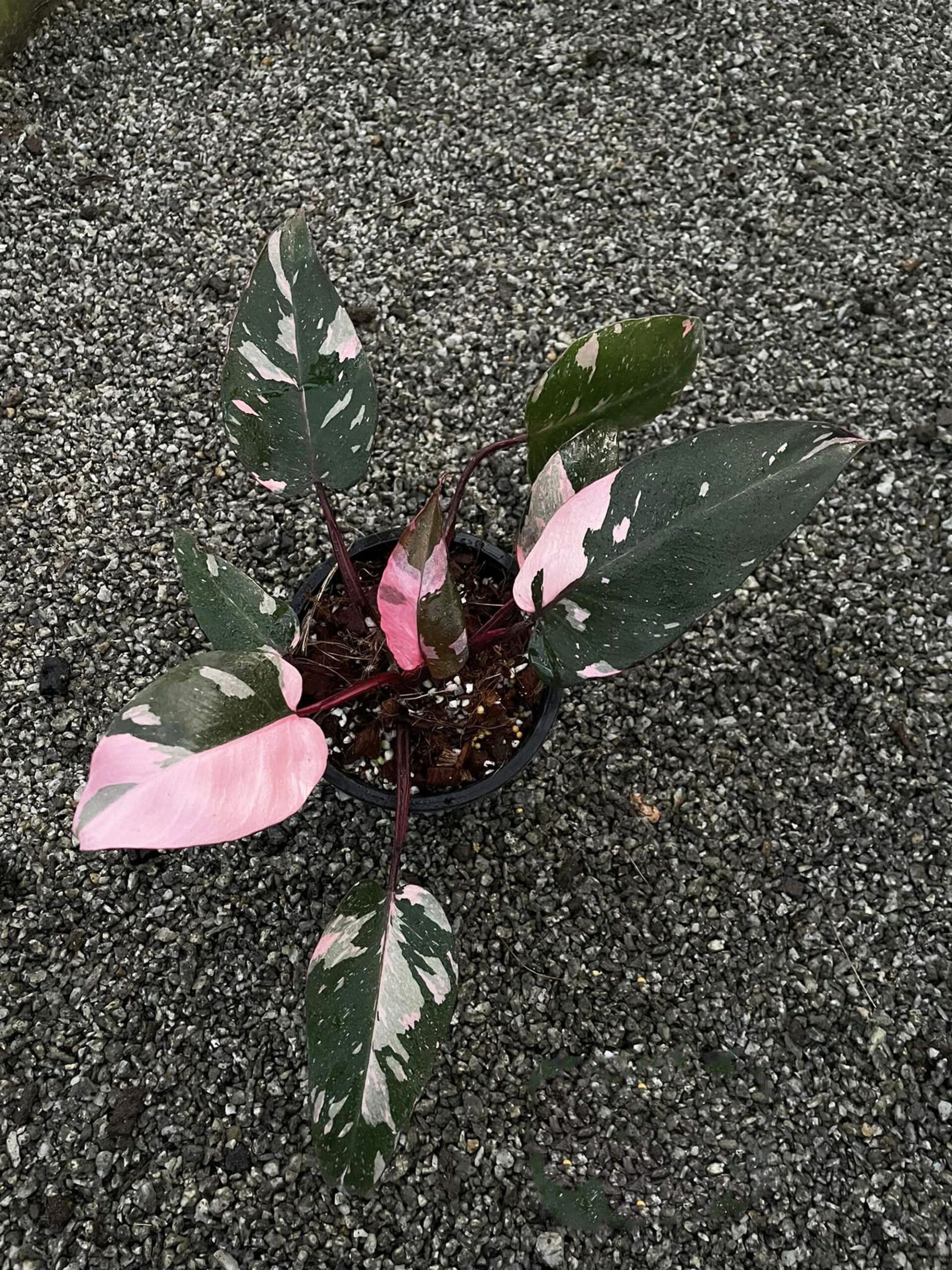
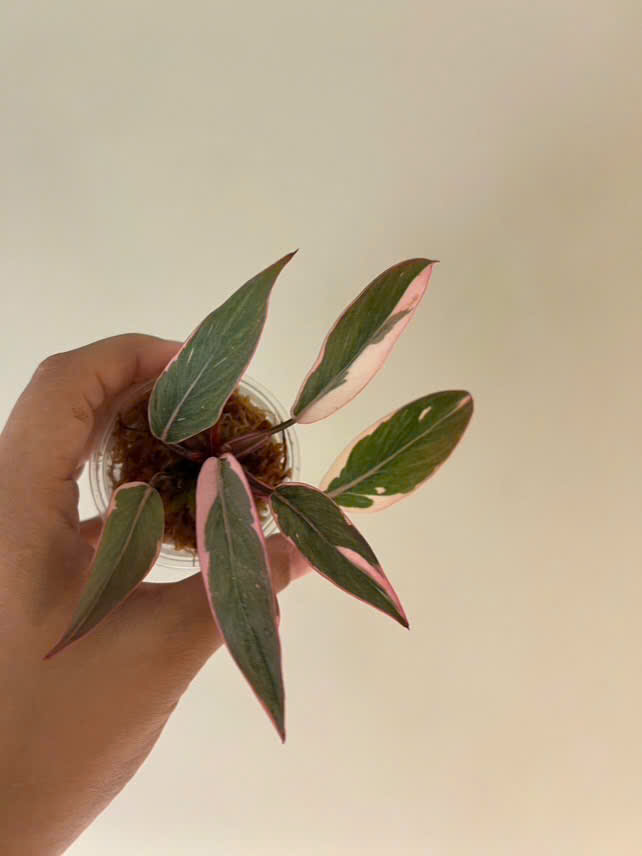
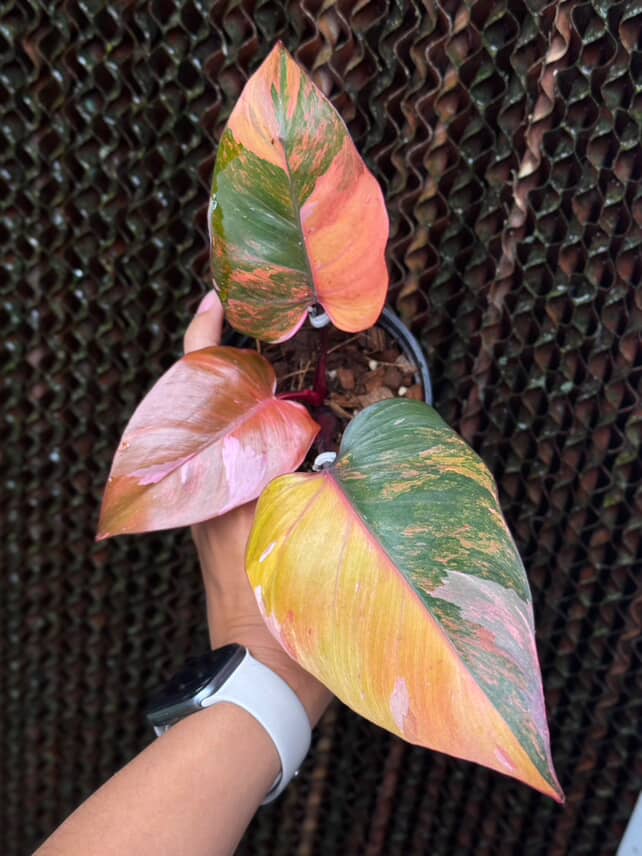
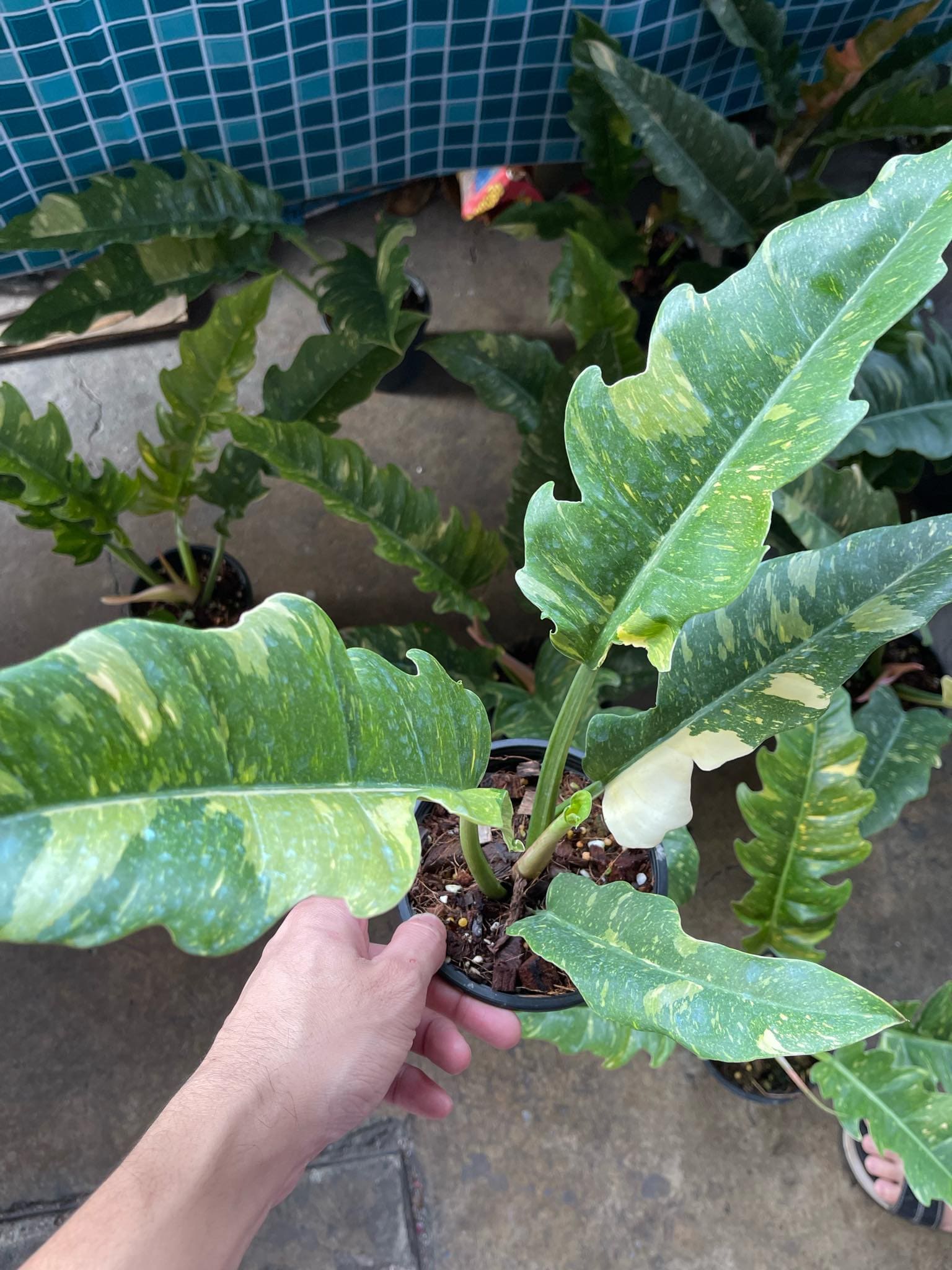
| Variegation evidence | Color can vary between leaves and individual plants; a trade name alone is not a fixed visual guarantee. | Review current foliage, stem or growth-point evidence and seller notes. |
| Selected quantity | One plant, multiple pots and wholesale offers can share imagery but represent different units. | Confirm the exact option and quantity beside the final price. |
| Destination requirements | International rules may depend on plant material, taxon, quantity and destination. | Check shipping terms and the destination authority before purchase. |
Use the cluster guides to compare named plants
For a broader overview, start with the rare Philodendron varieties guide. Then move to the article that matches the listing you are considering: Florida Beauty, White Wizard, Caramel Marble or Ring of Fire. These pages explain identification and care context; the product page remains the source for the plant currently offered.
Prepare for arrival, not an instant mature display
- Set aside a quarantine and inspection area before delivery.
- Use bright indirect light, warm stable conditions and a well-drained root zone appropriate to the plant stage.
- Have the correct support or wider pot ready only when the roots and growth habit call for it.
- Photograph the unpacking condition before cleaning, pruning or repotting.
- Keep Philodendron away from children and pets that may chew it; plant tissues contain irritating calcium oxalate crystals.
International orders need a current destination check
Review Greenboog’s shipping information before checkout. Import conditions can change, and no single document automatically satisfies every country or order type. U.S. buyers should verify current rules with USDA APHIS; buyers elsewhere should use their own plant-health authority.
Quick buying questions
Does “variegated” guarantee the same pattern on every new leaf?
No. Pattern and intensity can change between leaves and plants. Use current evidence on the offered plant or representative range, and ask when a minimum pattern is essential.
Should I choose the plant with the most white or pink?
Not automatically. A balanced plant with useful green tissue, healthy roots and an active growth point may be a safer purchase than the most dramatic single leaf.
Are all Philodendron easy-care plants?
No universal label fits this large group. Growth habit, foliage texture, plant stage and your conditions change the difficulty. Match the listing to the environment you can provide.
Where can I compare other aroids?
Return to the rare aroids collection to compare Monstera, Alocasia, Anthurium and other current inventory.