Philodendron identity and care
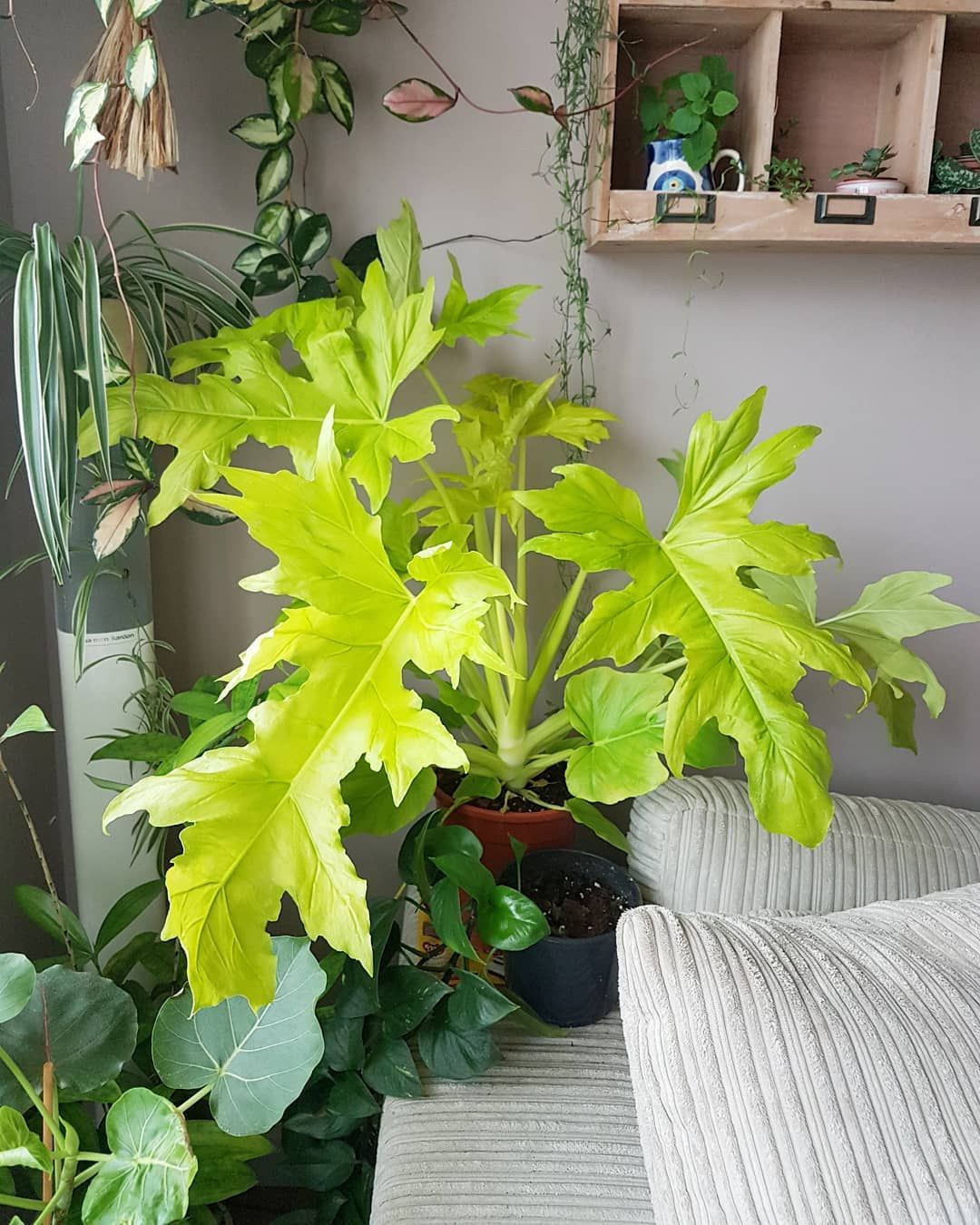
Philodendron warszewiczii is an accepted Central American species with deeply divided foliage and an appressed-climbing habit. “Flavum” is best treated as a lime/golden commercial descriptor until a listing supplies a traceable cultivar or propagation-line record.
Name the species and the seller layer separately
Royal Botanic Gardens, Kew recognizes Philodendron warszewiczii K.Koch & C.D.Bouché as an accepted species from southern Mexico to Central America. Kew lists the plant primarily in seasonally dry tropical biome and does not include `flavum` in the accepted name or synonymy.
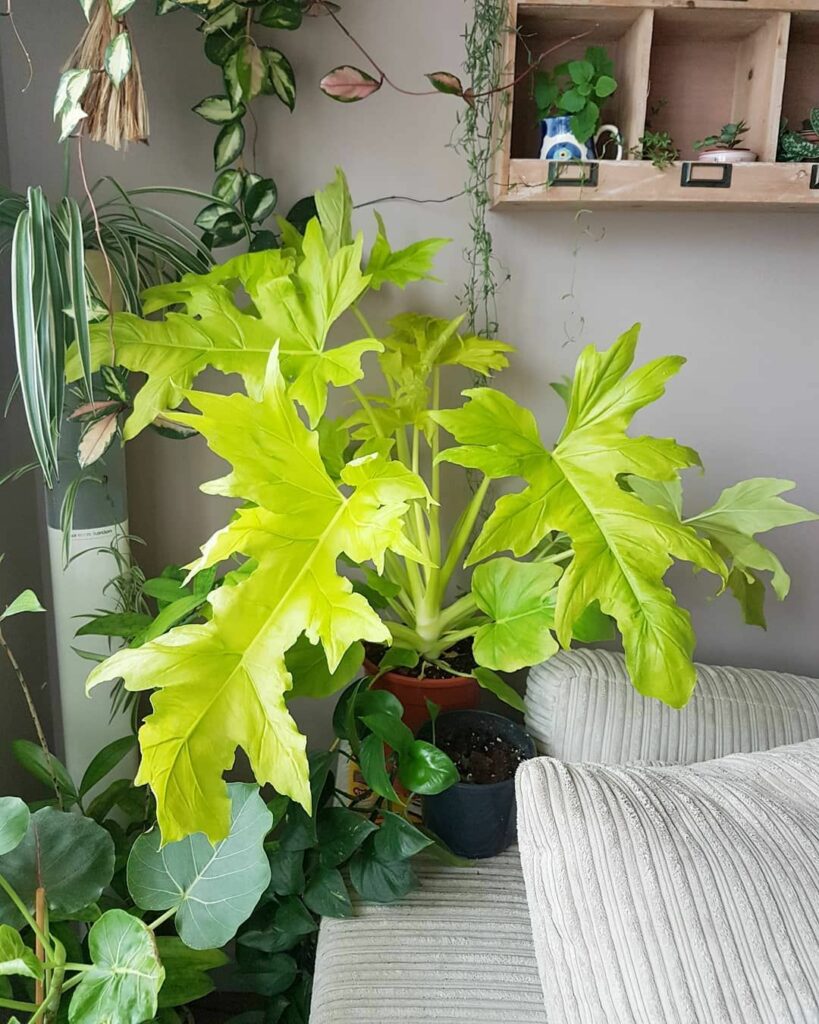
That does not make a photographed golden selection unreal. It means the label needs a boundary: `Philodendron warszewiczii` is the botanical layer; `flavum`, golden or lime describes the commercial plant/line unless registration or lineage evidence establishes more.
| Claim | Evidence-led reading | Buyer check |
|---|---|---|
| Heart-shaped deep-green leaves | Kew/CATE describes mature blades as deeply bipinnately divided; the pictured lime plants also show divided blades. | Ask for the current leaf sequence and whole stem, not one cropped leaf. |
| Yellow flowers define flavum | Kew describes a green spathe outside, a pale-to-coloured tube inside and a white spadix—not a diagnostic yellow flower. | Do not pay a premium based on an unsupported bloom story. |
| Generic rainforest vine | The accepted species is an appressed climber that may also occur on ground/rocks and is associated with seasonally dry tropical habitat. | Plan support and root aeration; do not copy a desert or permanently saturated recipe. |
Plan for divided foliage and a climbing stem
Mature P. warszewiczii can carry large, finely divided leaves on a thick stem. Kew describes the stem as appressed-climbing, with roots produced at nodes. Indoors, place a sturdy plank, pole or other support close to the stem before the plant becomes top-heavy. Support the stem, not the petioles. Petioles must remain free to orient leaves toward useful light.
Protect colour without chasing it
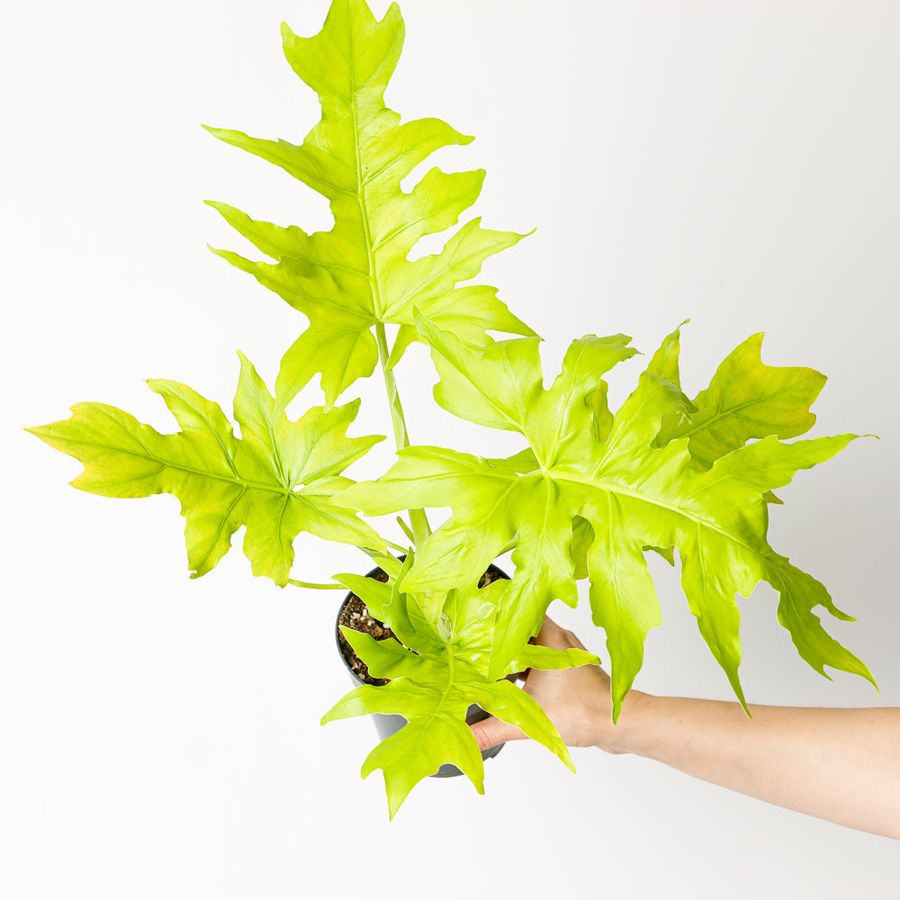
Bright diffused light supports photosynthesis and compact growth, but sudden hot sun can scorch pale tissue. Move a plant toward stronger exposure in steps and judge several new leaves under stable conditions. A golden leaf is not a diagnosis. Compare the pattern with the established seller line, then check roots, temperature, pests and recent changes before adding fertilizer.
Use the root zone, not a calendar
RHS guidance for Philodendron combines a moisture-retentive but well-drained medium with slight drying between waterings. In practice, check below the decorative surface and lift the pot. Water thoroughly when the upper root zone has dried somewhat and the container is lighter, then let excess drain. Reduce frequency when light, warmth and active growth decline.
Use bark or coco/peat-free mix plus mineral aeration in proportions that fit the room, pot and watering habits. A very large pot around a small root mass stays wet too long; a collapsed mix can stay wet while excluding oxygen. Feed conservatively only during active rooted growth and never use fertilizer as the first response to damaged roots.
Propagate only viable stem tissue
A leaf and petiole alone will not make a complete Philodendron. A cutting needs viable stem with a node/growing point; a division needs its own growing point and preferably roots. Map the node before cutting, preserve leaf and root balance, and follow the full Philodendron propagation guide for method choices.
| Pattern | Check first | Next safe action |
|---|---|---|
| Pale colour across the established line | Seller/line photos and several leaves under stable light. | Preserve green tissue and monitor; do not fertilize for colour alone. |
| New leaf scorches | Recent sun move, root stress, salts and very pale sectors. | Return to stable diffused light and correct the measured cause. |
| Droop with wet mix | Roots, drainage, pot volume, cold and collapsed medium. | Restore warmth and oxygen; remove only confirmed rot. |
| Long leaning growth | Light direction, stem-to-support contact and crowding. | Improve light gradually and secure only the stem. |
Buy the documented plant, not the colour word
- Confirm whether photos show the exact plant, a representative batch or a parent/reference.
- Ask how `flavum` is maintained and whether the offered plant was selected from a documented line.
- Verify current whole plant, leaf sequence, stem, roots, pot/medium and scale.
- Match rooted pot, cutting or other format to the transition you can manage.
- Read the selected option and current shipping/arrival terms before checkout.
The sale label must be tied to the photographed plant. Use the rare Philodendron hub for broader comparison and the Philodendron care dashboard for general care decisions.
Sources
- Kew POWO/CATE: accepted name, range, habitat, stem, leaf and inflorescence description
- RHS: Philodendron form, juvenile-to-adult foliage and root-zone preferences
- RHS growing guide: light, temperature, drainage and condition-led watering
- UF/IFAS: commercial Philodendron media, nutrition and production context