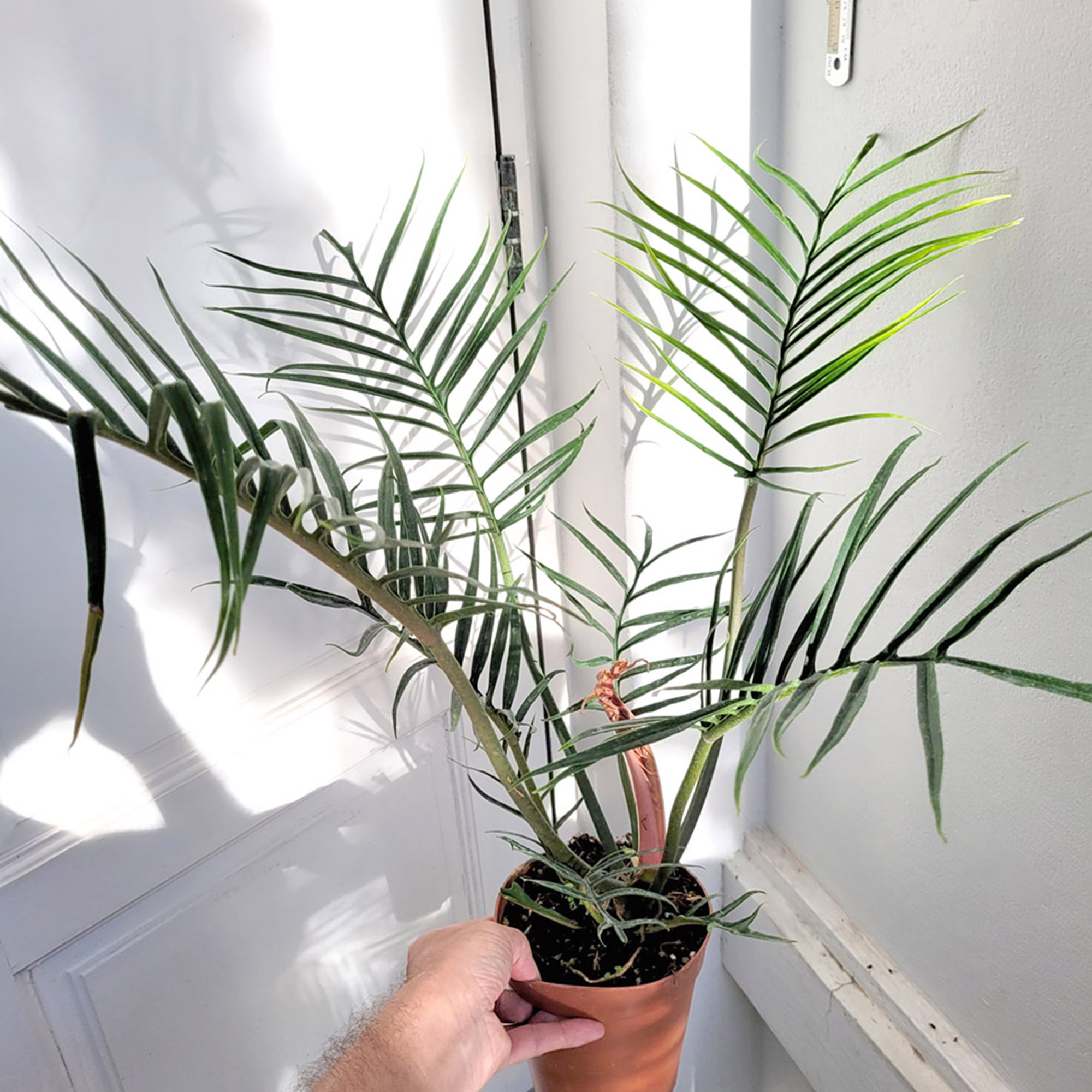
Philodendron Tortum is a vining aroid that is rapidly gaining popularity as an indoor houseplant. With its stunning green foliage and easy care requirements, it’s not hard to see why! In this comprehensive guide, we’ll cover everything you need to know about growing Philodendron Tortum successfully.
Choosing the Right Philodendron Tortum
When selecting your Philodendron Tortum, you’ll want to look for:
Vibrant, Healthy Leaves
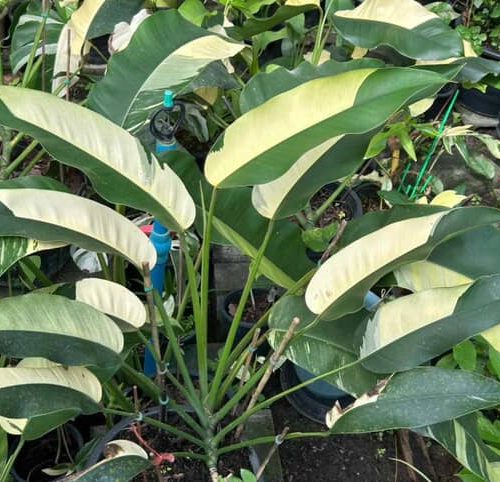
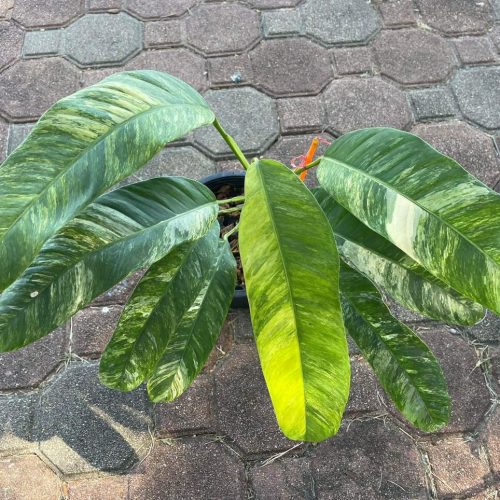
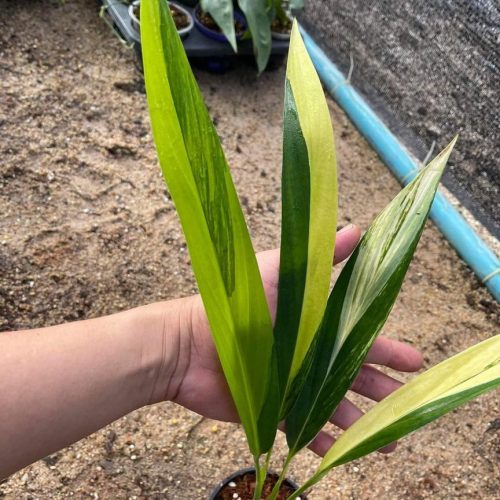
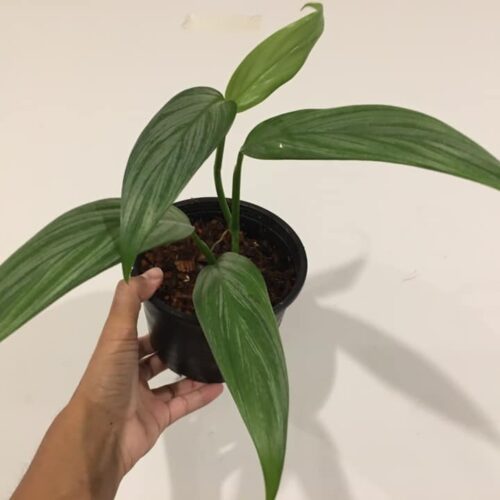
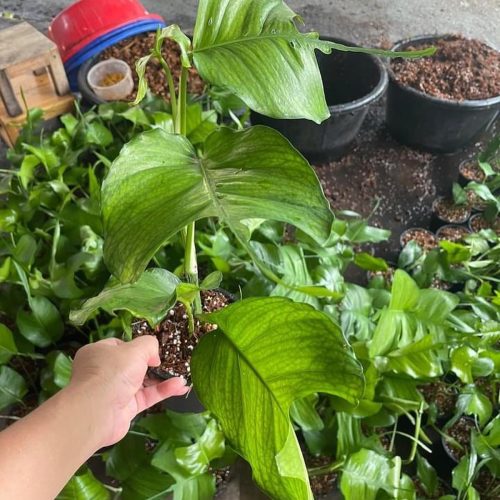
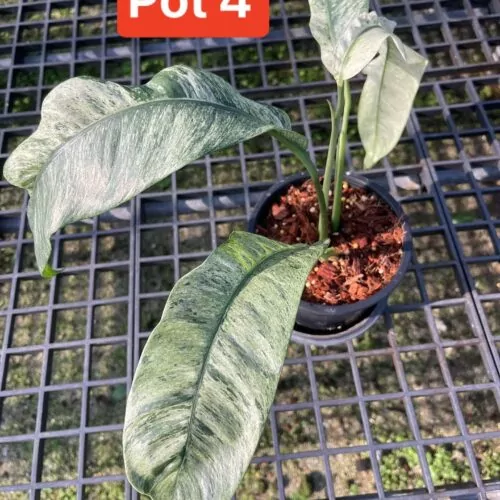
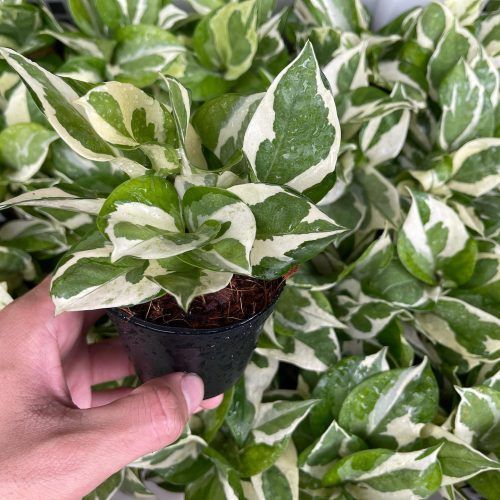
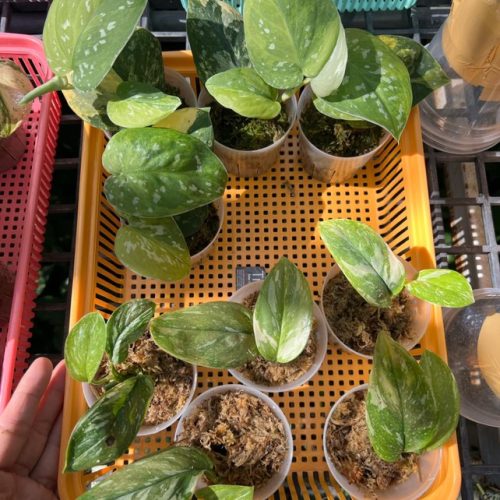
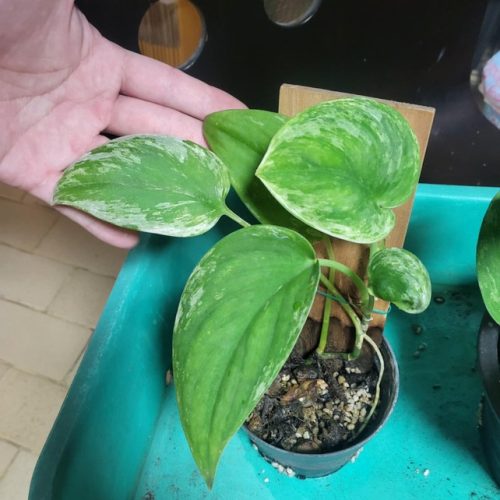
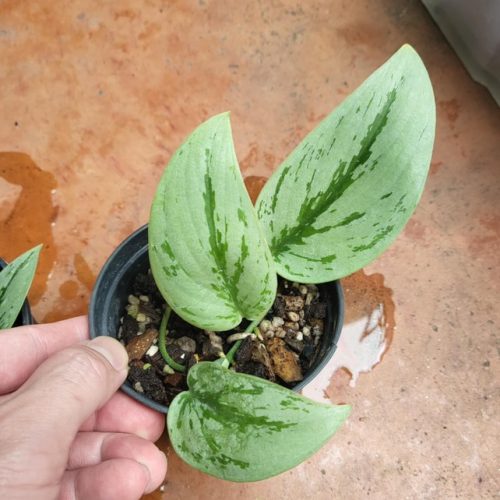
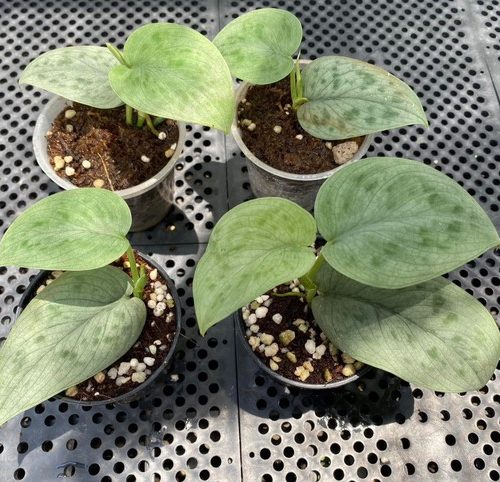
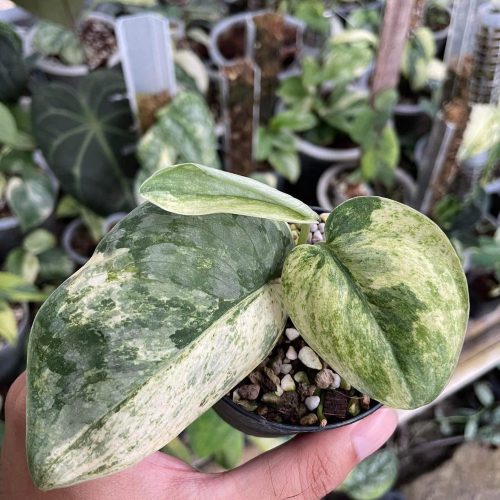
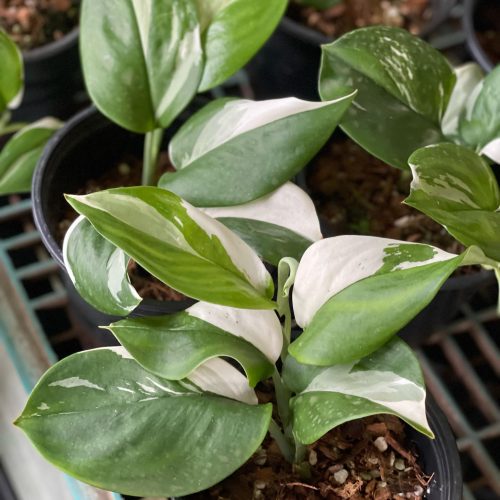
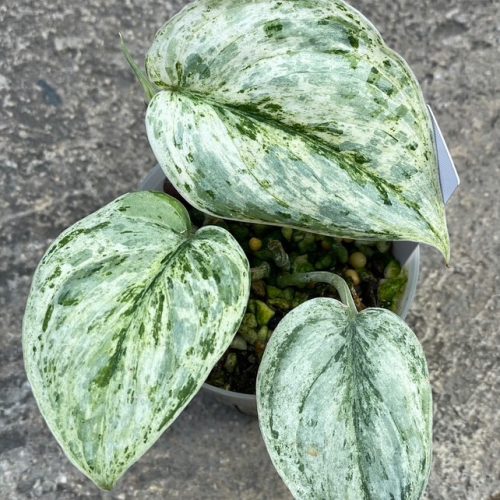
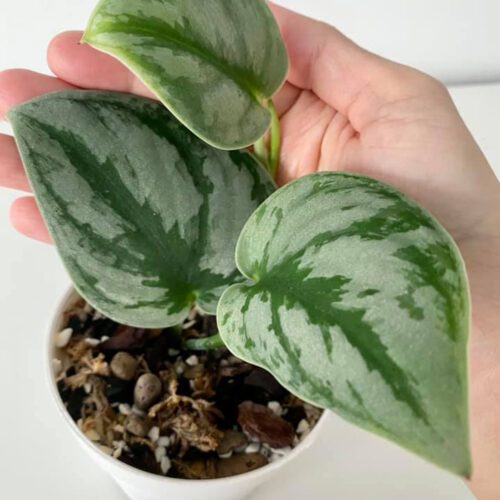
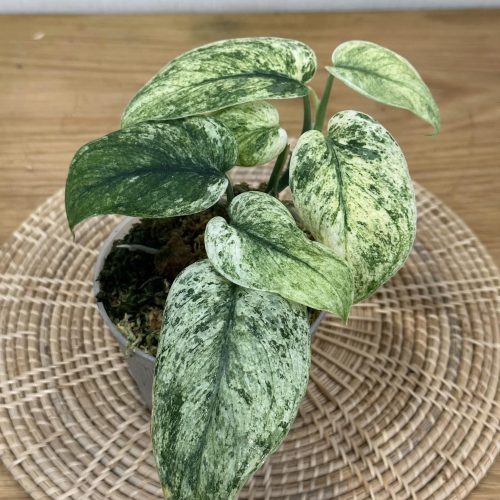
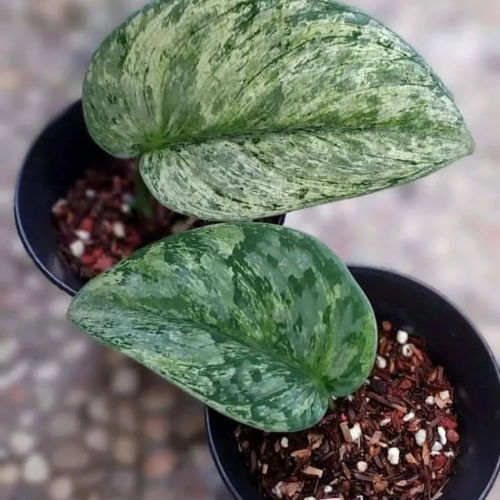
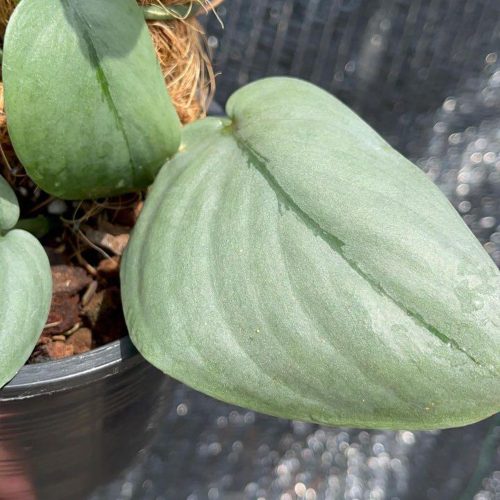
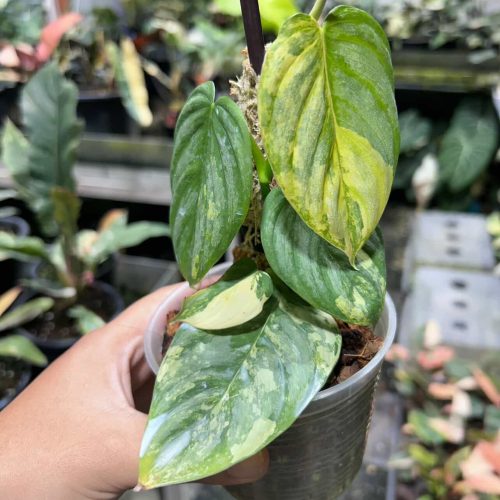
The leaves should be a rich green color without any yellowing or brown spots. Avoid plants with damage or signs of disease. The leaves can range in shape from oval to heart-shaped, similar to Anthurium or Epipremnum.






Sturdy Stem
The stem should stand upright without drooping or appearing weak. Watch for new leaf growth emerging from the top of the stem, which is a sign of health.
Compact Roots
If you can see the root system, look for white roots that are firm and compact, not brown, mushy, or rotten. This means the plant is well-established, like those of Homalomena and Aglaonema.
Juvenile vs. Mature Leaves
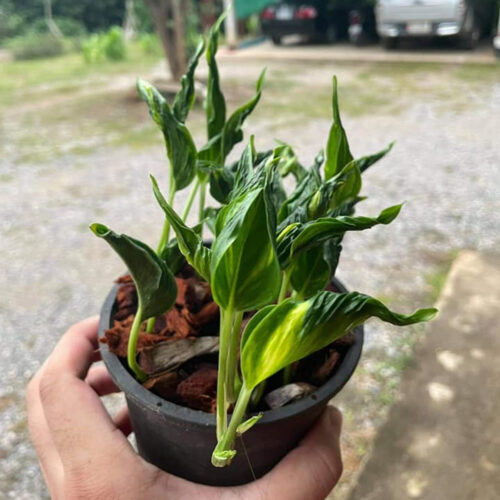
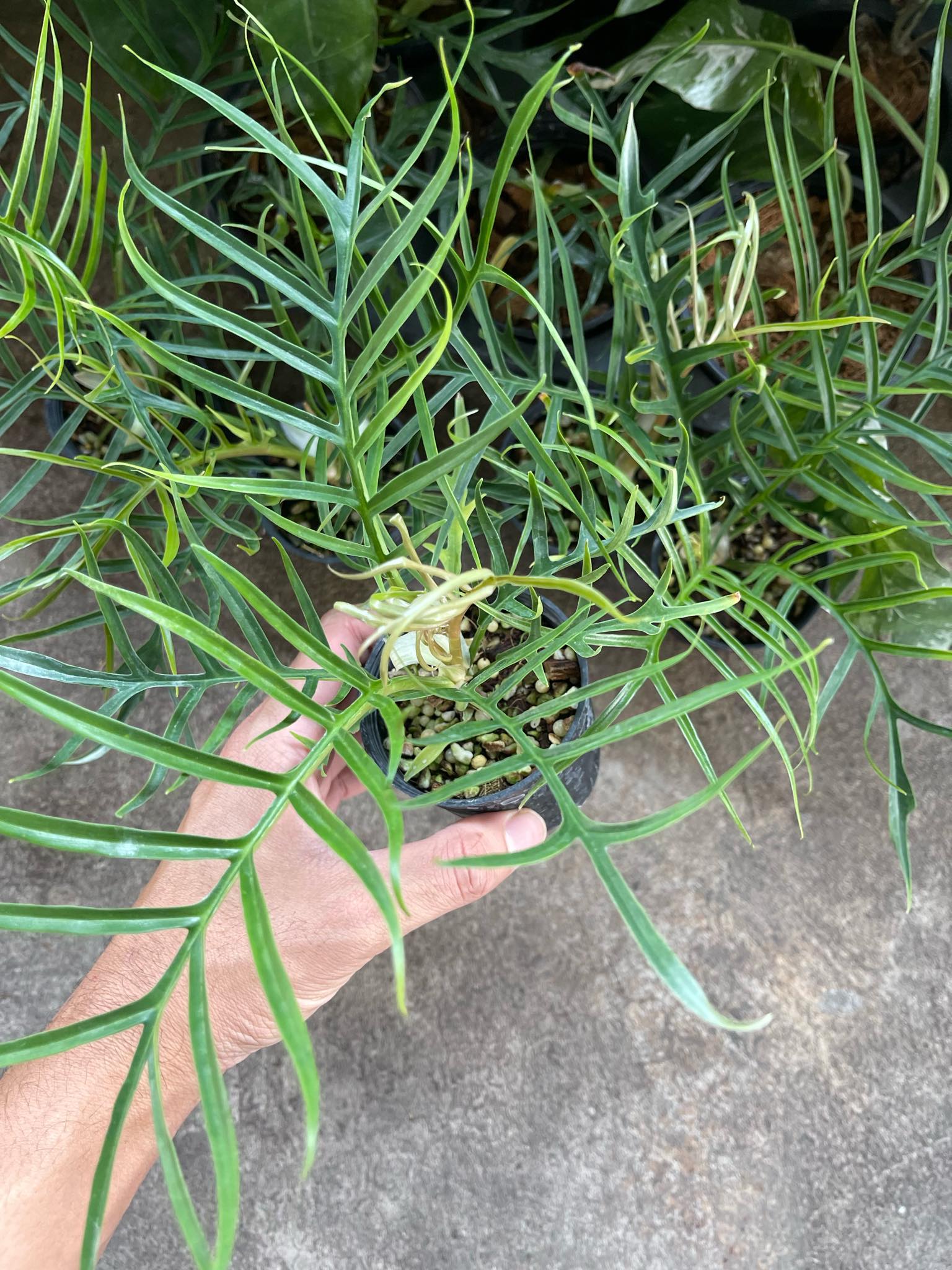
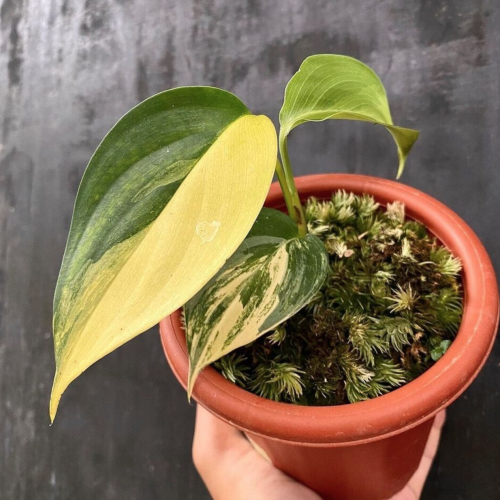
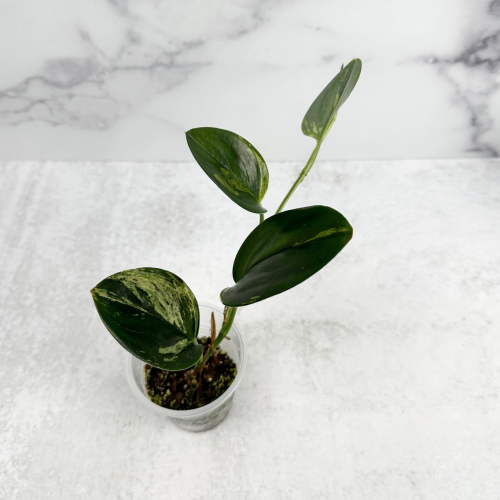
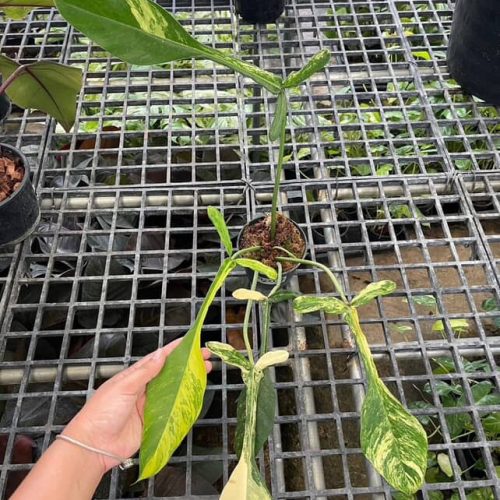
Philodendron Tortum has two leaf shapes depending on the plant’s age. Juvenile leaves have a rounded heart shape while mature leaves are more elongated. Both are beautiful!
Providing the Right Growing Conditions
Philodendron Tortum thrives in the following growing conditions:
Bright, Indirect Sunlight
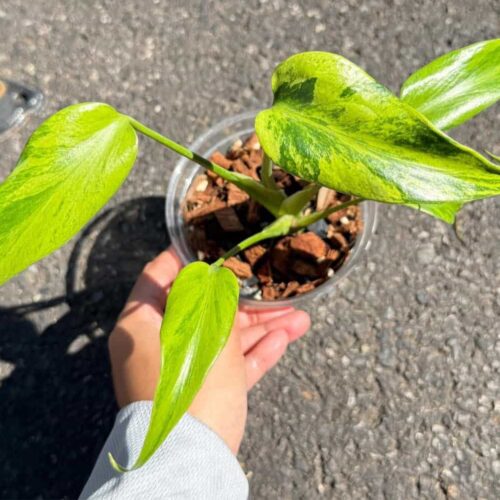
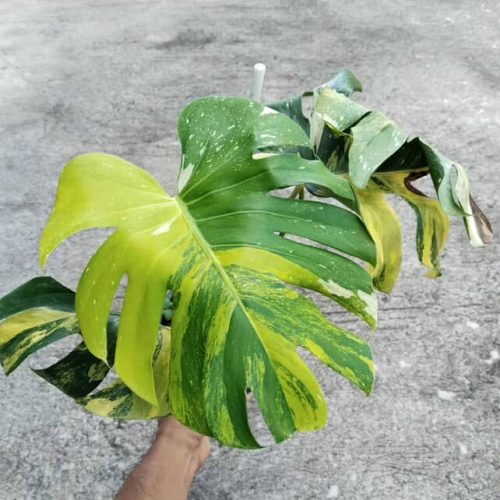
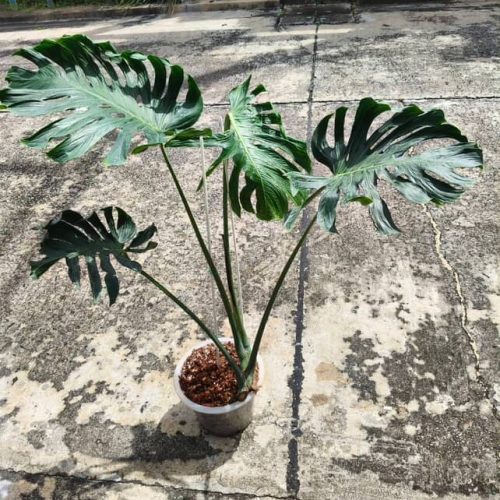
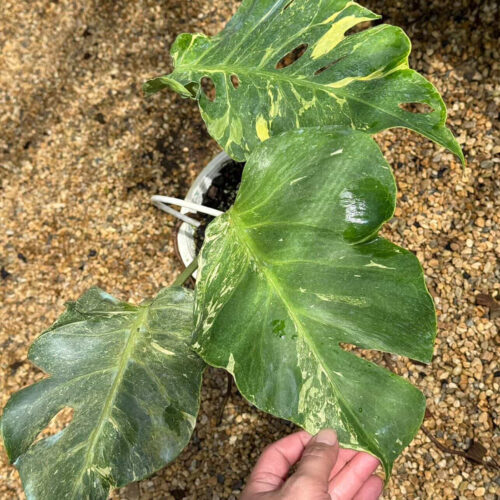
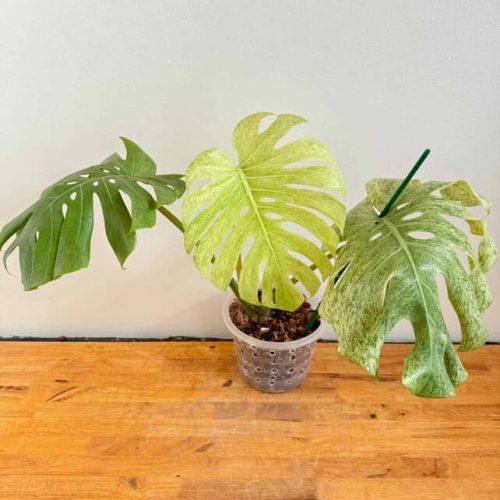
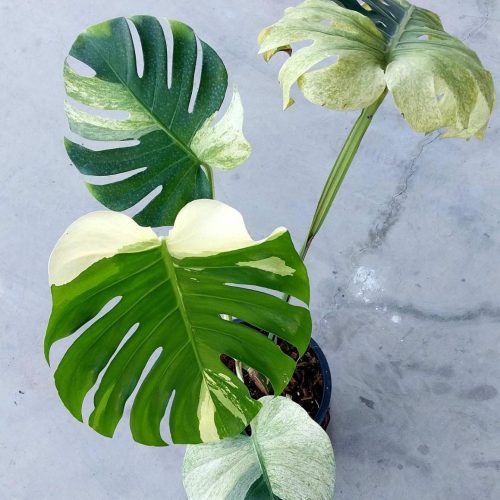
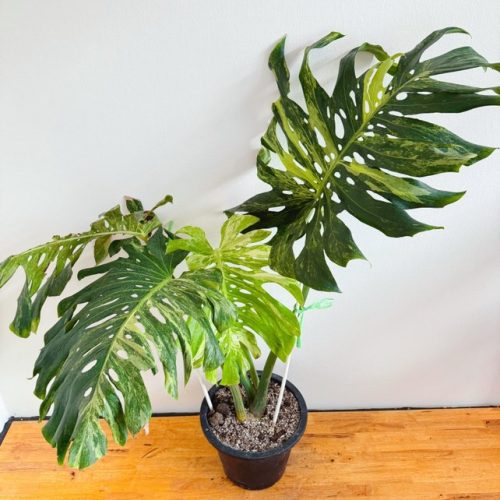
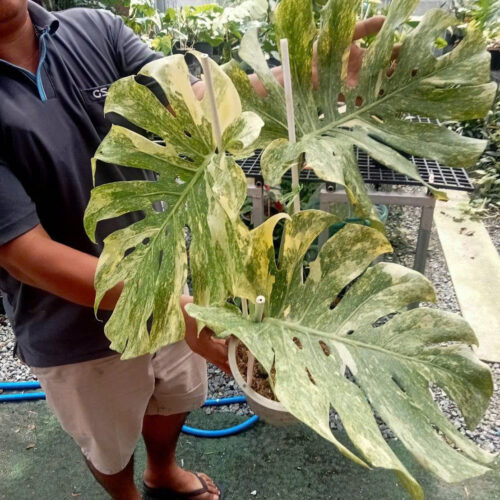
Philodendron Tortum prefers bright, ambient light but should be protected from direct sun which can scorch the leaves. East or west-facing windows are ideal, similar to the light requirements of Monstera and Syngonium.

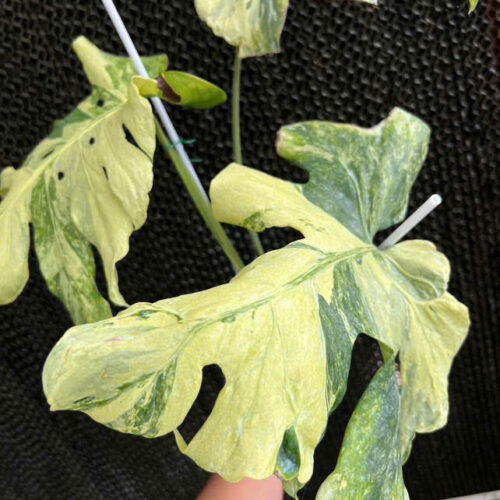
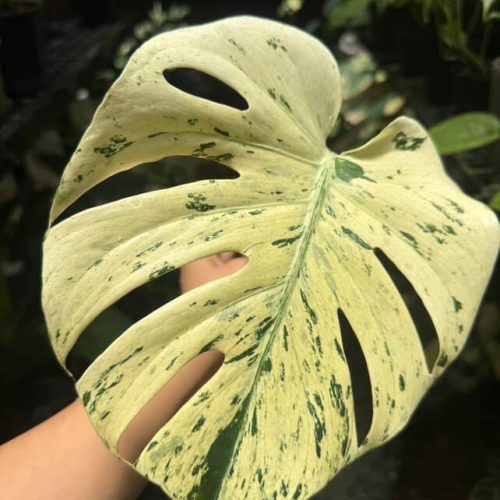
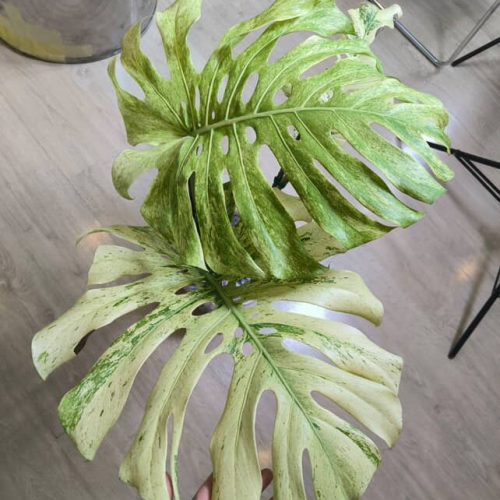
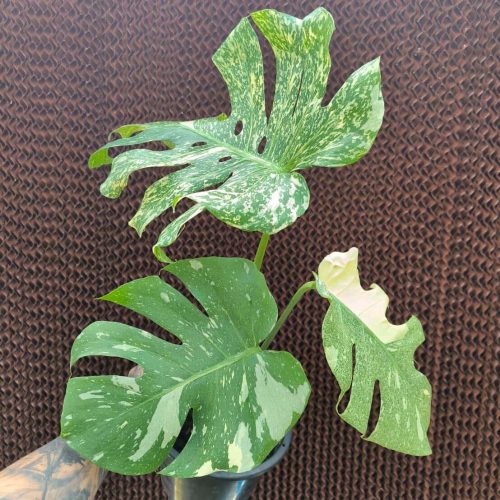
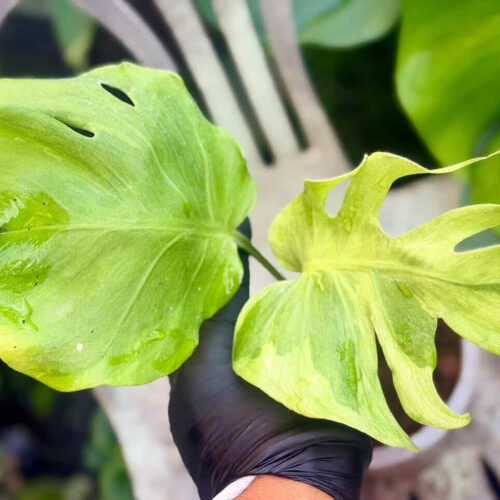
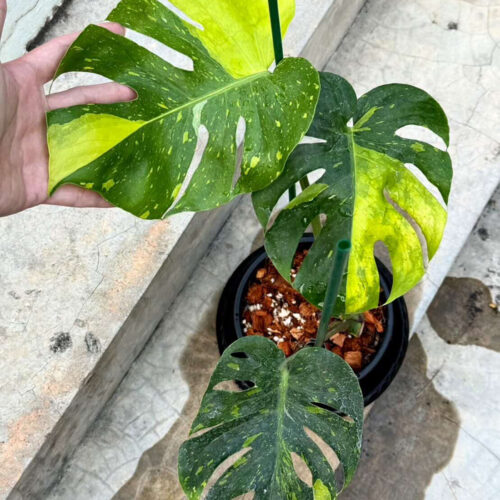
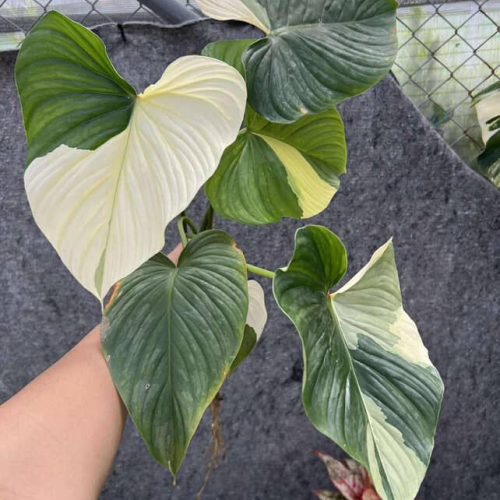
![12x Monstera Borsigiana Albo half leaves variegata [3-4 leaves]](https://greenboog.com/wp-content/uploads/2024/10/Monstera-Borsigiana-Albo-half-leaves-variegata-1-500x500.jpg)


Warm Temperatures
These tropical plants like temperatures between 65°F-80°F. Keep away from cold drafts, as preferred by Colocasia and Alocasia.
High Humidity
Humidity levels of 60-80% suit this jungle plant. You can increase humidity by misting the plant daily or using a humidifier.
Well-Draining Soil
Use a quality potting mix that drains well to prevent root rot. Adding perlite can improve drainage.
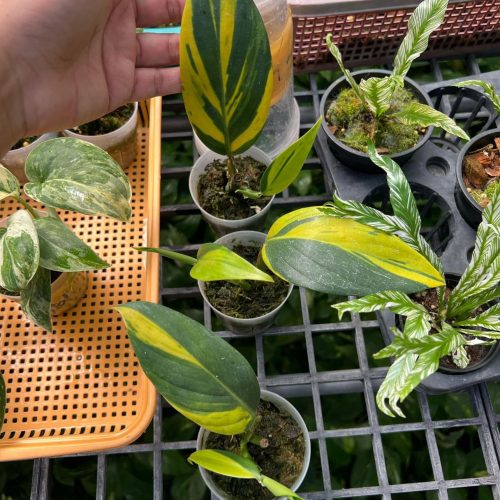
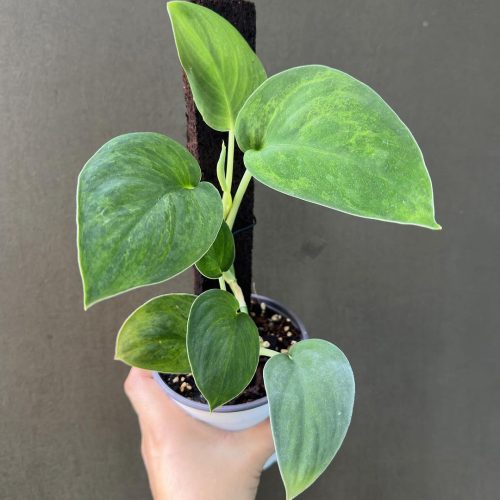
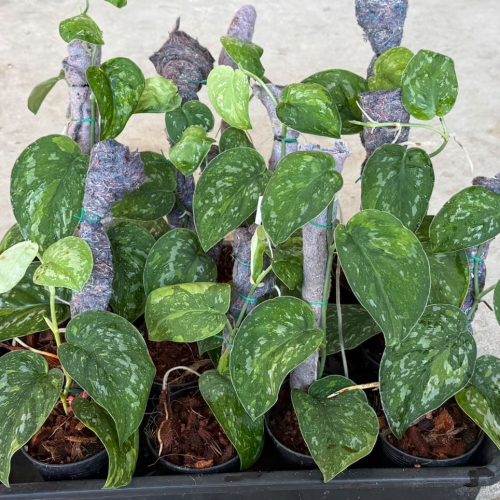
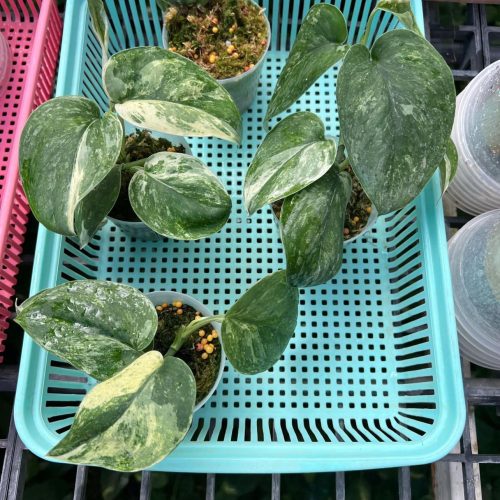

Planting Your New Philodendron Tortum
Follow these tips when planting your new Philodendron Tortum:
Select a Container with Drainage Holes
Make sure your container has holes in the bottom for drainage. Plastic and ceramic pots both work well.
Use Fresh Potting Mix
Use a fresh, well-draining indoor plant soil mix. Do not reuse old soil which may harbor diseases.
Give it a Moss Pole
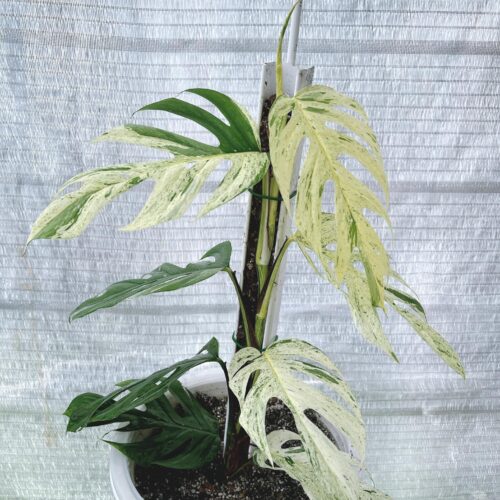
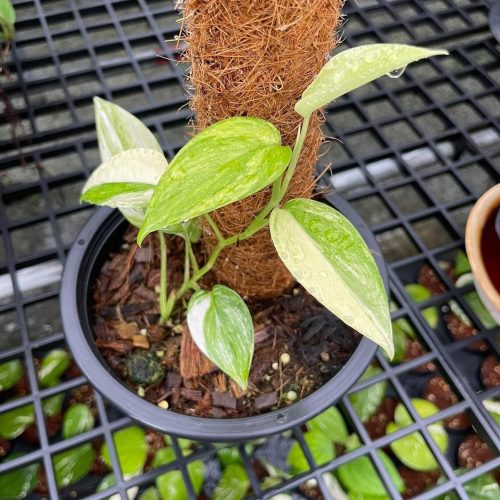
Provide a moss pole or plant stake for the vines to climb on over time, similar to how you would support a Monstera or Philodendron.
Remove any Decorative Sleeve
If your plant is in a decorative sleeve, remove it before watering so the soil can drain.
Water Thoroughly
Water your new plant well after repotting to settle the soil. Allow excess water to drain out.
Caring for Your Philodendron Tortum
Follow these care tips to keep your Philodendron Tortum thriving for years to come:
Water When the Top Inch is Dry
Check the soil with your finger and water when the top inch becomes dry. Take care not to overwater.
Increase Humidity
These jungle plants thrive in 60-80% relative humidity. Use a humidifier or pebble tray to provide moisture.
Wipe Leaves
Use a damp cloth to gently wipe dust and dirt off the leaves which blocks light. Never use leaf shine.
Apply Diluted Fertilizer
In spring and summer, feed monthly with a balanced houseplant fertilizer diluted to half strength.
Prune When Needed
Prune off any dead, damaged, or unsightly growth to maintain the plant’s appearance.
Monitor for Pests
Watch for aphids, mealybugs, spider mites and scale which can attack these tropical plants. Treat promptly.
Repot Annually
Repot in spring if the roots become crowded using fresh, well-draining soil. Go up 1 pot size. This is a common practice for Philodendron and Alocasia species.
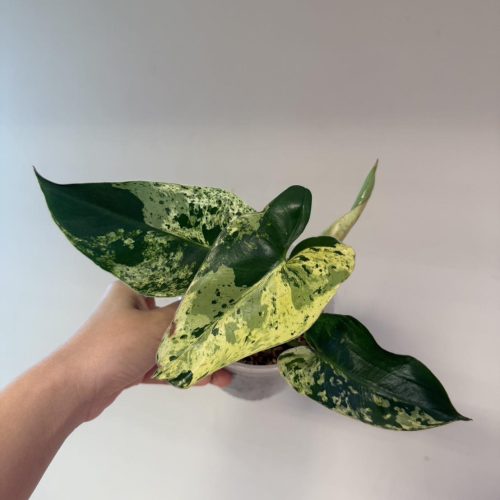
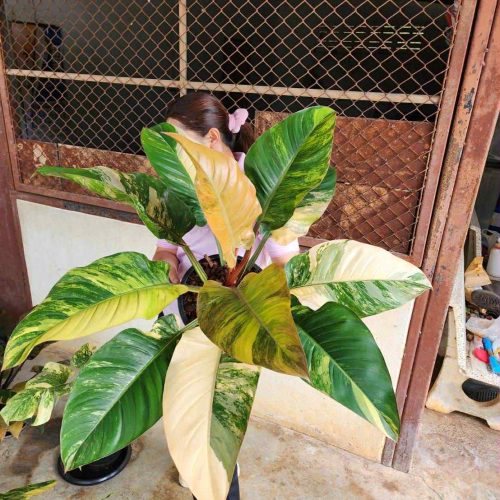
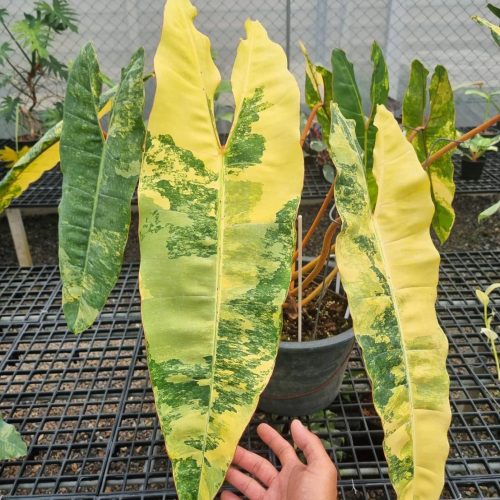
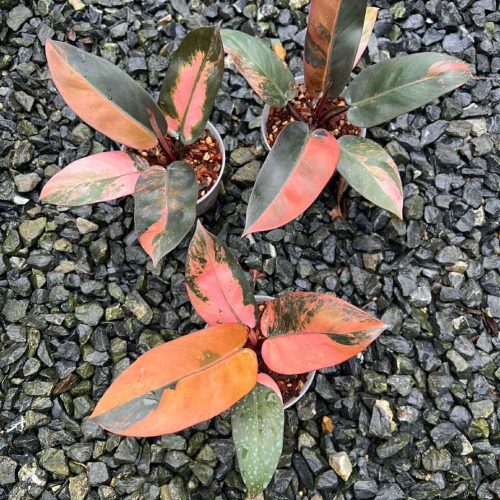
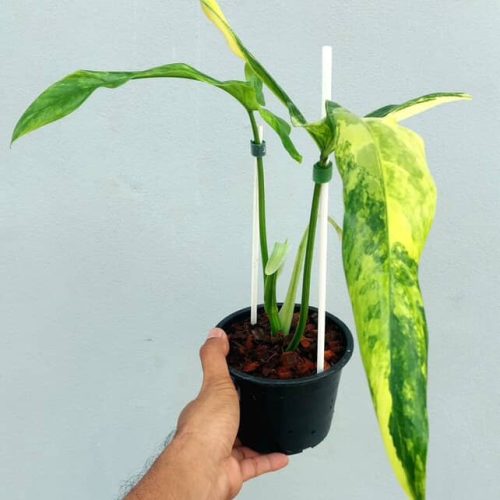
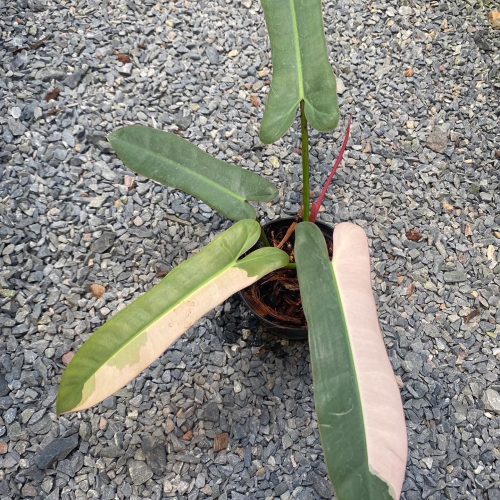
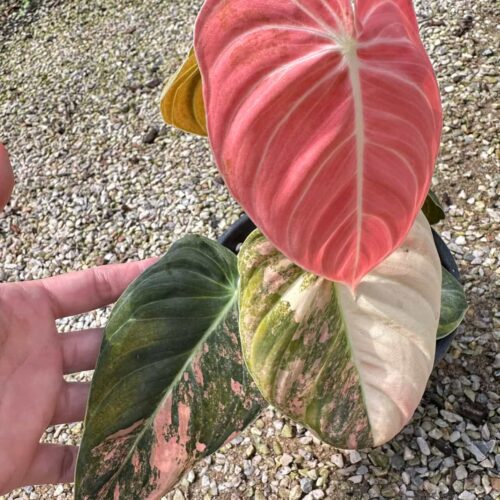
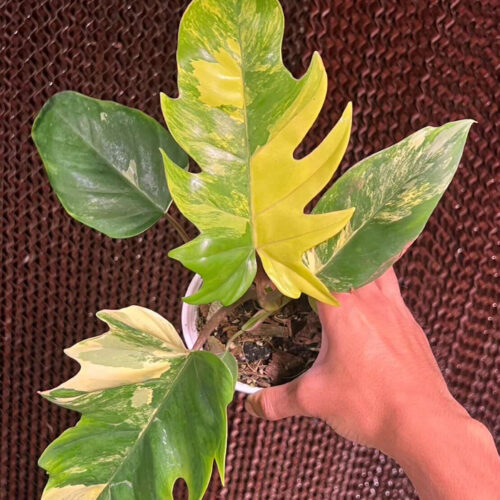
Philodendron species are the most sought after by aroid plant lovers
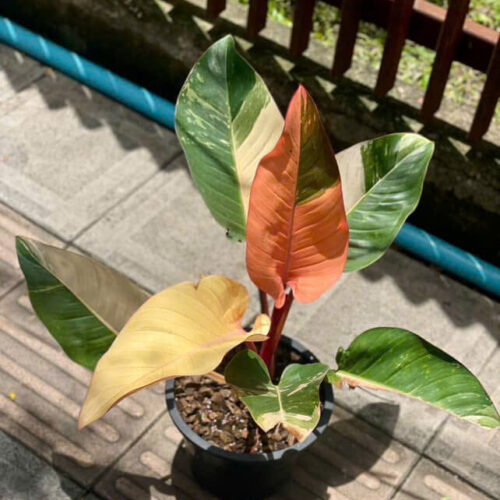
![Philodendron Red Congo Variegated [Actual plant]](https://greenboog.com/wp-content/uploads/2023/12/Philodendron-Red-Congo-Variegated-No-2-500x500.jpg)
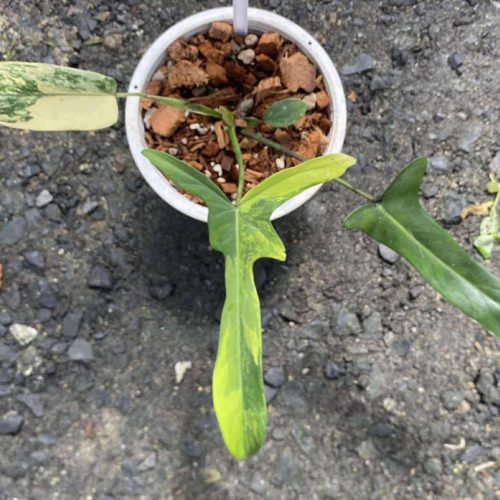
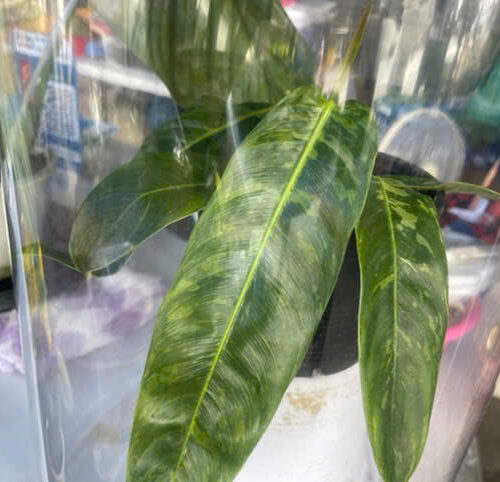

Propagating Philodendron Tortum
Propagating new plants from cuttings is easy with a little know-how:
Use Healthy Stem Cuttings
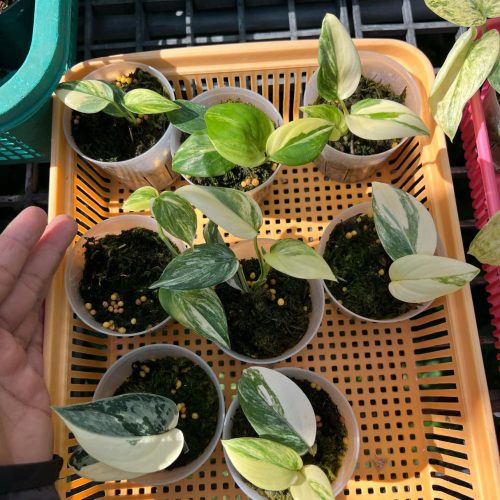
Take 4-6 inch stem tip cuttings that are healthy with a few leaves. Sterilize shears in alcohol first.
Allow Cutting to Callous
Let the cut end dry and callous over for 1-2 days before planting to prevent rotting.
Use Well-Draining Soil
Stick the cuttings in small pots filled with moist potting mix. Sand or perlite improves drainage.
Provide Warmth and Humidity
Place the cuttings in a warm spot with high humidity. Covering with a plastic bag helps.
Be Patient!
It can take 3-8 weeks for the new cuttings to root. Avoid overwatering which causes rotting.
Transplant when Rooted
Once new leaf growth emerges, it means roots have formed. Transplant into a regular potting mix.
Troubleshooting Common Philodendron Tortum Problems
Even when provided with the best care, plants can sometimes run into issues. Here are remedies for the most common problems with Philodendron Tortum:
Yellowing Leaves
This can indicate overwatering, low humidity, or insufficient light. Adjust its growing conditions as needed.
Brown Leaf Tips
Dry air or irregular watering causes the leaf tips to turn brown. Increase humidity and water consistently.
Sparse Foliage Growth
Encourage new growth by moving to a brighter location, pruning back leggy stems, and fertilizing regularly.
Drooping Leaves
If the leaves start drooping, it needs more water. Allow the soil to dry out between waterings.
Root Rot
Overwatering causes root rot, evidenced by mushy stems and black roots. Remove dead parts and repot with fresh soil.
Conclusion
With its glossy heart-shaped leaves and vigorous climbing habit, Philodendron Tortum makes a striking addition to any plant collection. Follow this care guide to help your Philodendron Tortum thrive indoors. Provide bright, indirect light, warm humid conditions, moderately moist soil, and proper fertilization. Avoid overwatering which can lead to root rot and death of this tropical plant. Let its lush foliage cascade in hanging baskets or climb up a moss pole or trellis. Propagating new plants from stem cuttings is also easy and satisfying! With the proper care, the exotic Philodendron Tortum will flourish for years of enjoyment.
FAQs
What are the ideal light conditions for Philodendron Tortum? Philodendron Tortum thrives in bright, indirect light. Avoid direct sunlight, as it can scorch the delicate leaves. An east- or west-facing window is usually a good spot. If your home doesn’t have enough natural light, you can supplement with artificial grow lights.
How often should I water my Philodendron Tortum? Allow the top inch or two of soil to dry out before watering again. Overwatering can lead to root rot, so it’s better to err on the side of underwatering. During the winter months, you can reduce watering frequency as the plant’s growth slows down.
What type of soil is best for Philodendron Tortum? A well-draining, airy potting mix is crucial for Philodendron Tortum. A mix of peat moss, perlite, and orchid bark works well. You can also add some charcoal to help prevent fungal growth.
Does Philodendron Tortum need high humidity? While Philodendron Tortum appreciates higher humidity levels, it can tolerate average household humidity. If you notice the leaf edges turning brown or crispy, you can increase humidity by misting the leaves regularly, using a pebble tray, or placing a humidifier nearby.
How can I encourage my Philodendron Tortum to climb? Provide a moss pole or trellis for your Philodendron Tortum to climb on. Gently tie the stems to the support using plant ties or clips. As the plant grows, it will naturally attach itself to the support with its aerial roots.