Collector name, plant evidence and care
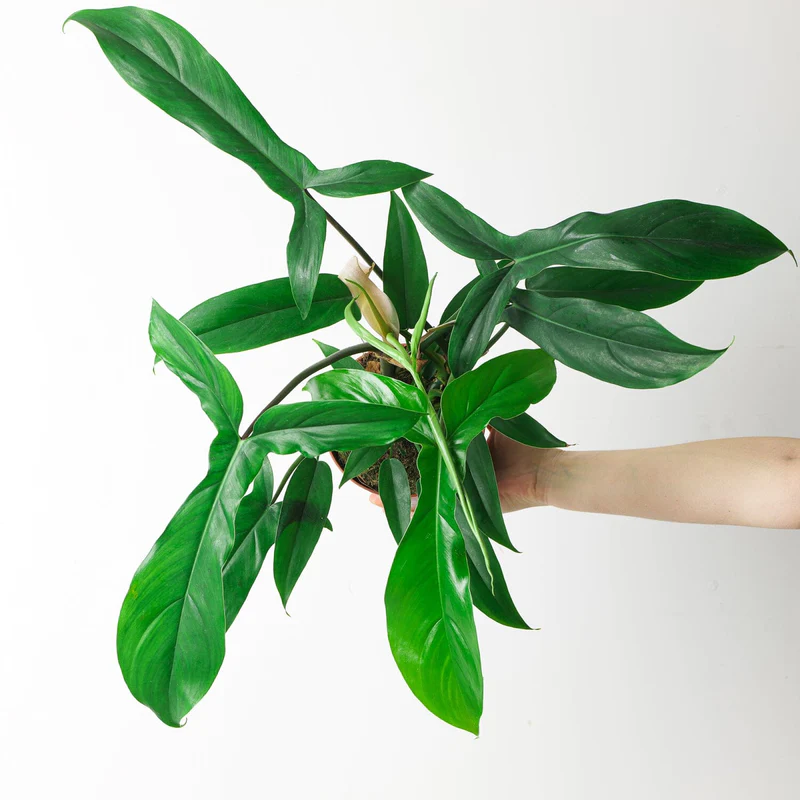
Philodendron 69686 has a formal cultivar name: Philodendron ‘Bette Waterbury’. The number explains its voucher trail, while the plant still needs to be read through its three-lobed foliage, climbing stem and documented source.
Follow the name from voucher to cultivar
The 2022 Aroideana paper records a cultivated plant received at Missouri Botanical Garden from Bette Waterbury, linked to the Roberto Burle Marx collection, and vouchered as T.B. Croat 69686. Because its earlier provenance was unknown, Croat did not publish it as a wild species. He established the cultivar name Philodendron ‘Bette Waterbury’ for growers and researchers to use.
This changes the search question. Instead of asking which wild species the number represents, ask whether a seller plant is traceably the cultivated clone or propagation line described under that cultivar. A listing title, nursery tag and current whole-plant photographs are evidence; a numeric label alone is not a chain of custody.
| Label | What it supports | Boundary |
|---|---|---|
| Philodendron 69686 | A horticultural label derived from the Croat voucher number. | It is not a species name or automatic proof of origin. |
| ‘Bette Waterbury’ | The cultivar name formally established in Aroideana in 2022. | Parentage and wild locality remain unknown. |
| P. × joepii | A separately published nothospecies from French Guiana. | It is similar, not a synonym for 69686. |
Compare mature structure, not one juvenile leaf
The published ‘Bette Waterbury’ description centres on a climbing vine with deeply three-lobed blades. Its anterior lobe is long and narrowed near the junction, while the side lobes are smoother than those described for P. × joepii. Juvenile plants can carry simpler leaves, and stress or weak growth can make comparison less useful.
Photographs can show consistency with the cultivar description, but they do not replace a supplier record. Flower characters belong to the published description, yet most buyers will make a safer practical comparison using a current whole plant, the oldest leaf, the newest hardened leaf and the climbing stem.
Give the vine support before judging its form
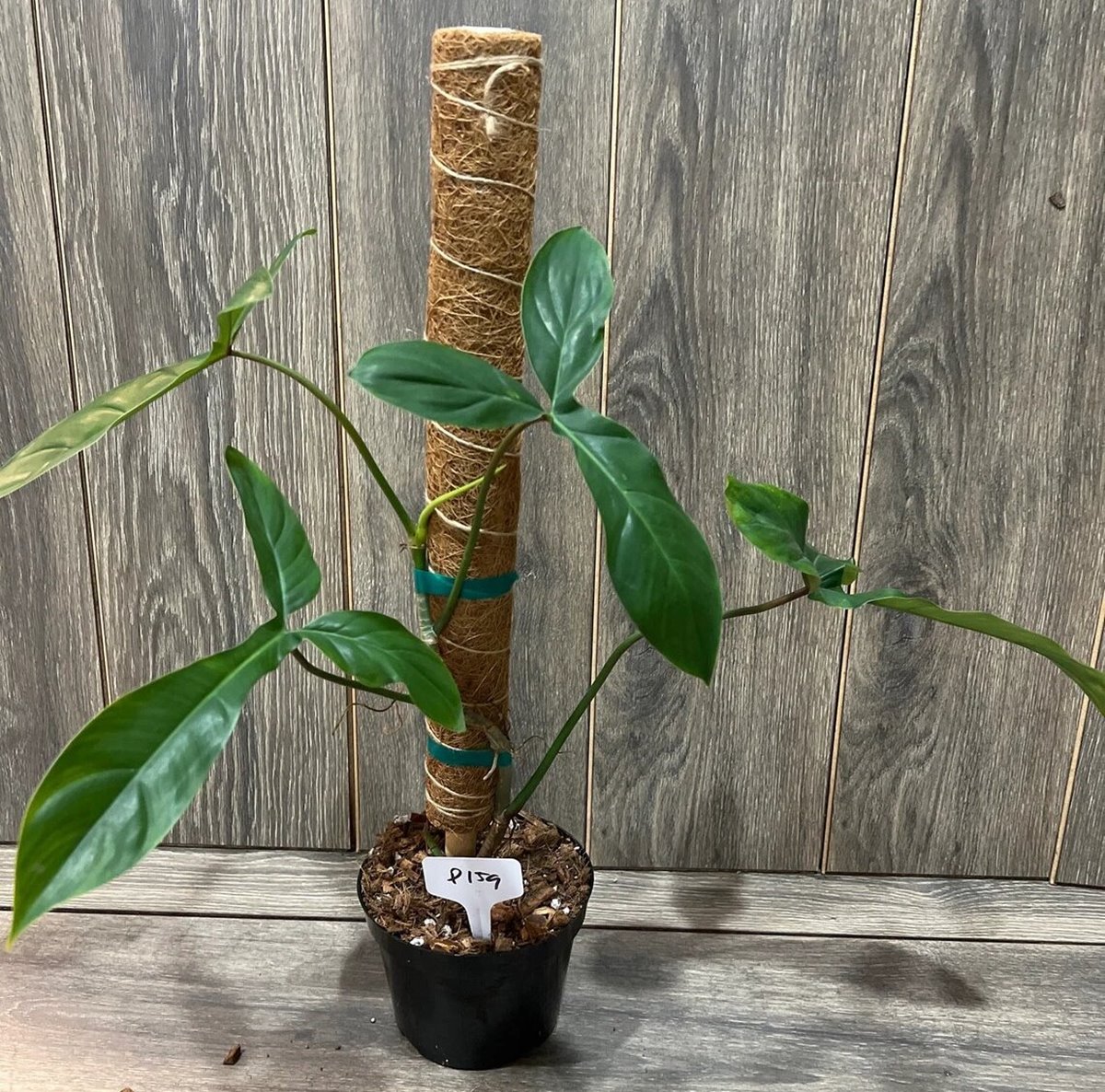
This is a climber. Place a sturdy pole, plank or other vertical surface close to the active stem and attach only the stem with loose ties. Petioles need room to turn leaves toward usable light. Aerial roots can be guided toward a moist support or the pot without forcing them.
Support the stem before it needs rescue. A long unsupported section can twist under leaf weight, and adding a pole after the plant has sprawled often requires more disturbance. Support does not manufacture mature lobes, but it improves stability and gives each new node a consistent direction.
Balance filtered light with root-zone oxygen
Use bright, indirect light as the starting point and increase exposure gradually if internodes lengthen or later leaves remain smaller. Protect foliage from abrupt hot sun. Rotate only when needed for access or balance; constant turning can make a climbing stem repeatedly redirect itself away from the support.
Use a structured medium that holds some moisture while leaving air spaces after watering. Check deeper than the surface and use pot weight, root-zone moisture and recent water use together. Water the whole root ball when it has partly dried, let excess escape, and change the interval as roots, light, warmth and pot size change. A fixed weekday or one-inch rule cannot read those variables.
Keep the plant warm, especially while roots are wet. Feed lightly during active, rooted growth rather than trying to force larger lobes with a strong dose. Stable light, a functioning root system and successive supported nodes are more informative than a single humidity number.
Diagnose the sequence before changing everything
| Pattern | Check first | Measured response |
|---|---|---|
| Smaller, simpler new leaves | Root health, light trend, support contact and recent move. | Correct the limiting factor and judge the next two leaves. |
| Yellowing with wet mix | Pot size, drainage, cold exposure and root texture. | Restore warmth and aeration; remove only confirmed rot. |
| Long leaning stem | Light direction and distance between stem and support. | Move the support close and increase light gradually. |
| Marks on one leaf | Pests, handling, recent sun change and moisture history. | Isolate the cause before spraying or repotting. |
Philodendron tissues contain calcium oxalate. Keep foliage away from children and pets that chew plants, use gloves when sap exposure is likely, and seek appropriate medical or veterinary guidance for significant mouth swelling, drooling or swallowing difficulty.
Buy the specimen evidence, not the number alone
- Ask whether photographs show the exact plant, a representative batch or a reference specimen.
- Request the current whole plant, newest hardened leaf, oldest useful leaf, stem, growth point and root or pot format.
- Confirm whether the seller uses 69686 as a legacy label or can trace the plant as ‘Bette Waterbury’.
- Do not accept P. × joepii as an interchangeable name.
- Check the selected option, destination rules and arrival terms before checkout.
For broader comparisons, open the rare Philodendron guide. Use the general Philodendron care guide for shared root and light decisions, and read the propagation guide before cutting a node.