Philodendron Lupinum is a beautiful tropical plant known for its lush green, heart-shaped leaves. However, these plants can start to wilt and look sad if their care needs are not met. Don’t give up on your Philodendron Lupinum yet! With a few simple fixes, you can nurse it back to health. Follow these 7 easy steps to revive your wilting Philodendron Lupinum.
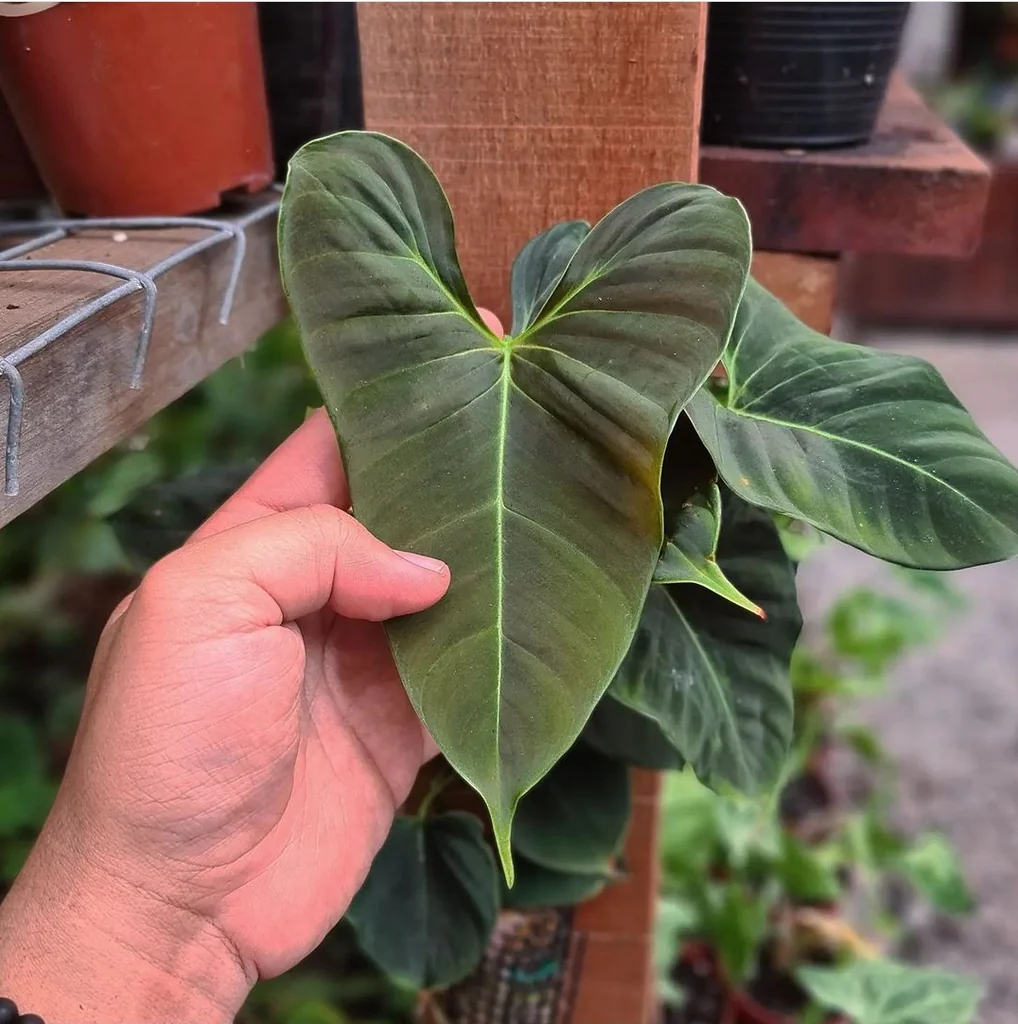
Check the Soil Moisture
The number one reason why Philodendron Lupinum plants wilt is because of improper watering. These plants like to stay evenly moist but not soggy. Stick your finger into the soil to gauge moisture. If the top 1-2 inches of soil feels dry to the touch, it’s time to water your plant. Wilting happens when the roots suck up all available moisture. Make sure to thoroughly water until it drains from the bottom drainage holes.
On the other hand, overwatering can also cause wilting. If the soil feels wet, hold off on watering. Allow the top few inches to dry out before watering again. Too much moisture prevents oxygen from reaching the roots and leads to root rot.
Check Moisture Regularly
Get into the habit of checking soil moisture every few days, especially in hot weather. Philodendrons use water faster when temperatures rise.
Water Until It Drains
When watering, add enough so that it runs from the drainage holes. This ensures the entire root zone gets hydrated.
Increase Humidity
Philodendron Lupinum thrives in humid conditions above 50% humidity. Low humidity causes the leaf tips to dry out and curl. Increase ambient humidity by misting the plant daily or placing its pot on a pebble tray filled with water. You can also move it to a bathroom or install a humidifier nearby.
Misting
A daily misting provides immediate hydration. Focus on misting the undersides of leaves where tiny pores take in moisture.
Pebble Tray
The pebble tray method adds humidity as water evaporates from the stones. Don’t let the pot sit directly in water though.
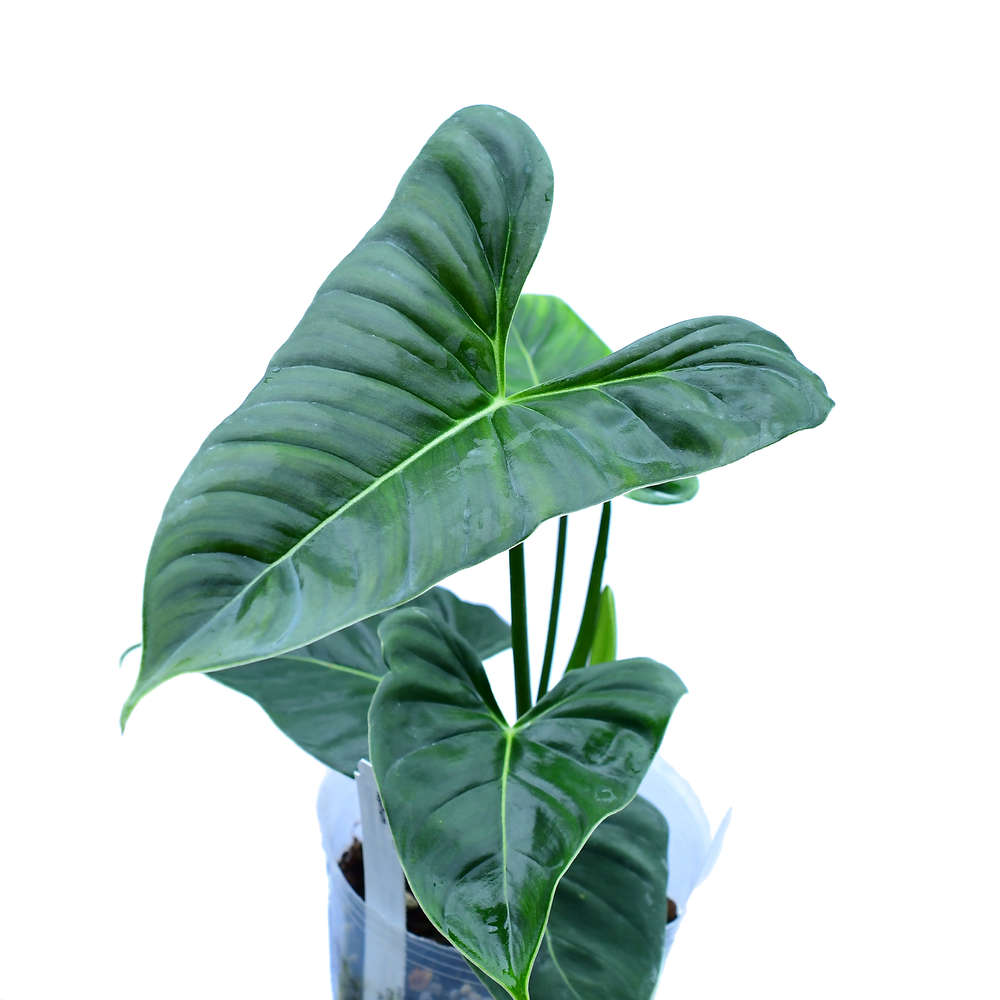
Adjust Lighting Conditions
While Philodendron Lupinum grows best in bright, indirect light, too much direct sun can cause leaves to yellow, wilt, and burn. If you notice leaf scorching, move your plant back from the window or add a sheer curtain to filter the sunlight. Make sure your plant gets bright, but gentle light without harsh afternoon sun beating down on it.
Bright Indirect Light
A north or east-facing window provides the right balance of light. Rotate the plant weekly so all sides get illumination.
Filtered Sunlight
Sheer curtains prevent leaf burn but still let light through. You can also place plants under the canopy of larger houseplants.
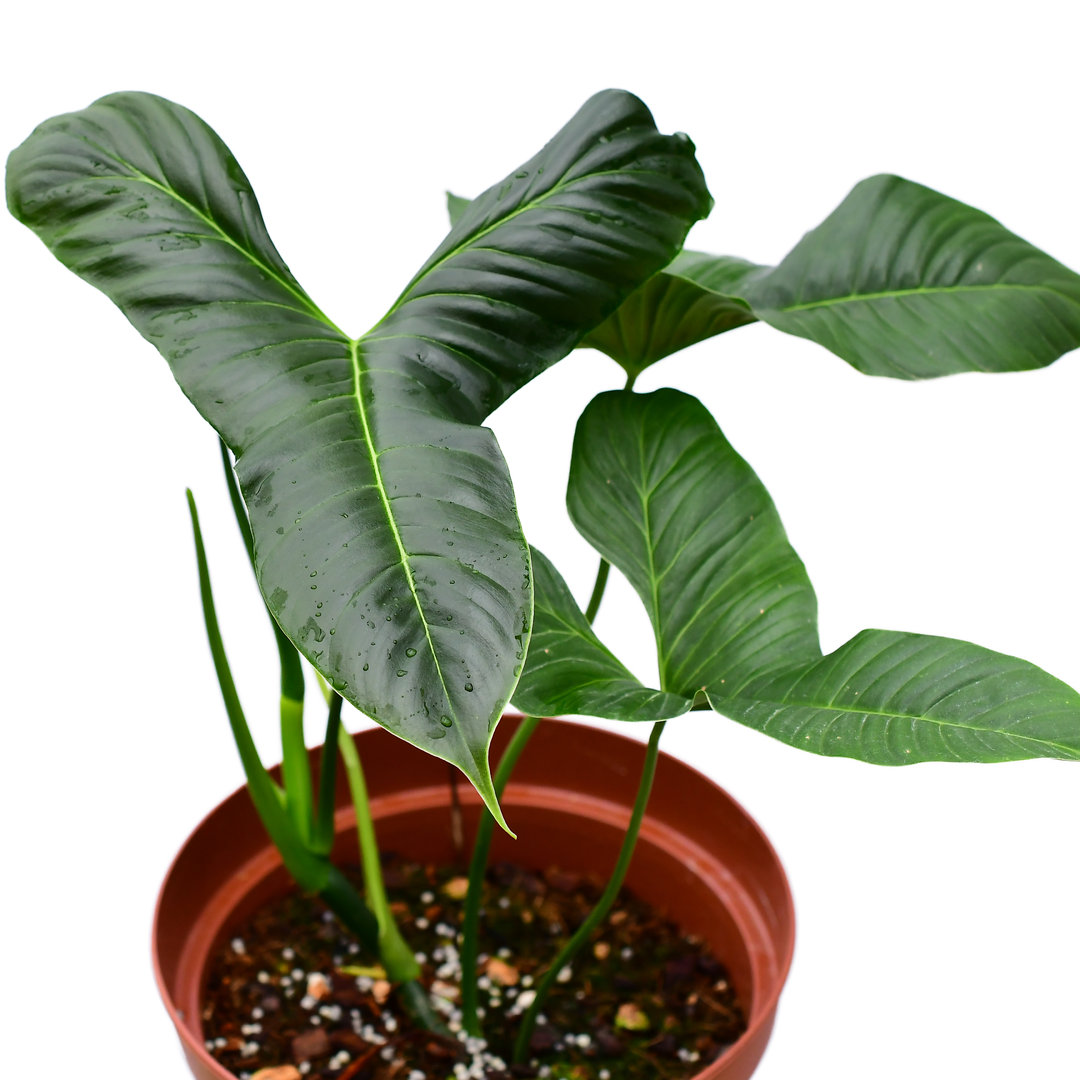
“Discover the Exquisite Beauty of Philodendron Lupinum – Click to Unleash Nature’s Masterpiece in Your Home. Buy Now!”
Check for Pests or Disease
Sometimes pests like spider mites can infest Philodendron Lupinum and cause wilting damage. Examine the leaves and stems closely for signs of bugs or unusual spots. Wipe leaves down with a damp cloth to remove dust and debris. Insecticidal soap, neem oil or horticultural oils can control most pesky critters. Regularly inspect for pests or diseases as per our general Philodendron care tips
Look for stem rot near the base. This fungal disease makes stems mushy and causes rapid collapse. Prune off affected parts immediately and let cuttings callous before repotting. Discard overly infested plants to prevent spreading.
Inspect Undersides
Turn leaves over and check for tiny bugs or webbing which indicates an infestation. Catch problems early.
Quarantine
Isolate affected plants to avoid contaminating others. Remove severely infested plants.
Repot into Fresh Soil
Over time, potting mix breaks down and lacks the nutrients plants need. Re-potting into new, fertile soil revitalizes the roots. Carefully remove the plant from its pot and loosen compacted roots. Prune damaged roots. Repot in a container one size larger using a well-draining potting mix. This stimulates new root growth and provides nutrients for healthy foliage.
Loosen Roots
Gently loosen the root ball and tease apart circling roots before repotting. This encourages growth.
Add Fertilizer
Mix a balanced houseplant fertilizer into the potting soil to provide nutrition.
Propagate With Cuttings
Take stem cuttings from a wilting Philodendron Lupinum to propagate new plants. Choose healthy stems with a few leaves. Cut just below a node and remove lower leaves. Apply rooting hormone powder to the cut end. Insert into moist potting mix. Cover with plastic to retain humidity as roots develop.
Take 4-6 inch Cuttings
The best cuttings are from the top of the plant. Select a few stems on each sickly plant.
Root in Water
You can also root cuttings directly in water. Change the water weekly to prevent rotting.
Where to buy Philodendron Lupinum? Benefits from importing plants from Thailand
- Shipping: Door to door shipping, fast and safe with Dragon Courier
- Biodiversity: Thailand is known for its rich biodiversity, including a wide variety of aroid species. This diversity allows importers to access a broad range of unique and exotic aroid plants.
- Quality and Health of Plants: The suitable climate helps the plants grown here stay healthy and of high quality.
- Cost-Effectiveness: Due to favorable growing conditions and efficient production methods, Thai aroid plants can often be more cost-effective compared to those from other countries.
- Access to Hybrid Varieties: Thai growers are often involved in the development of new hybrid aroid varieties, offering unique plants that may not be available from other sources.
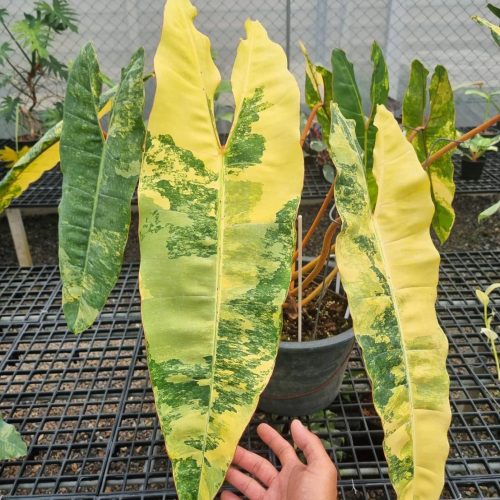
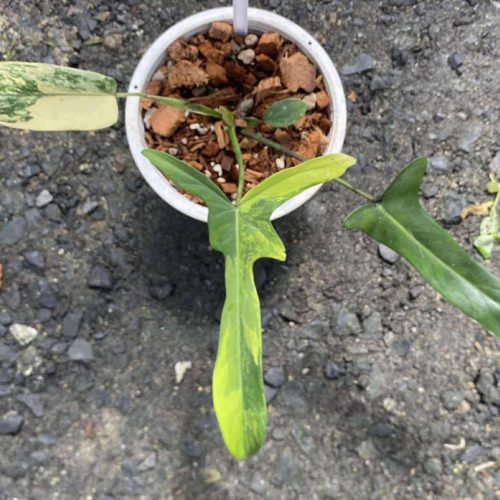
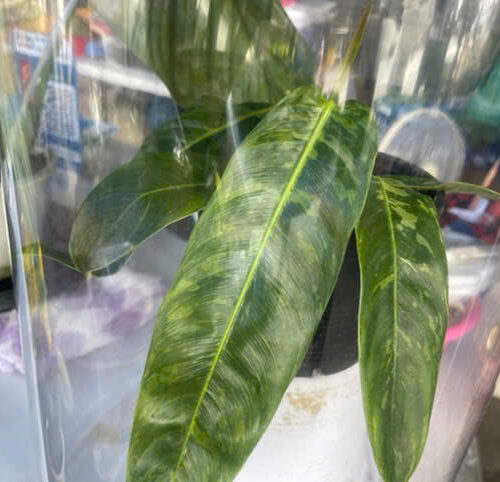
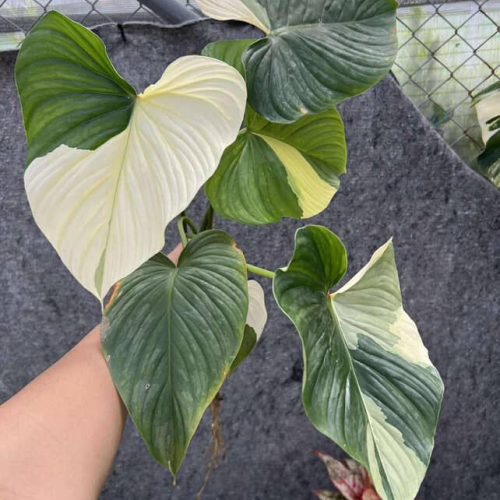
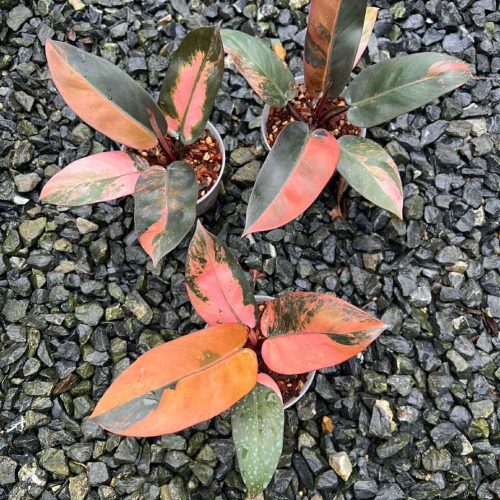
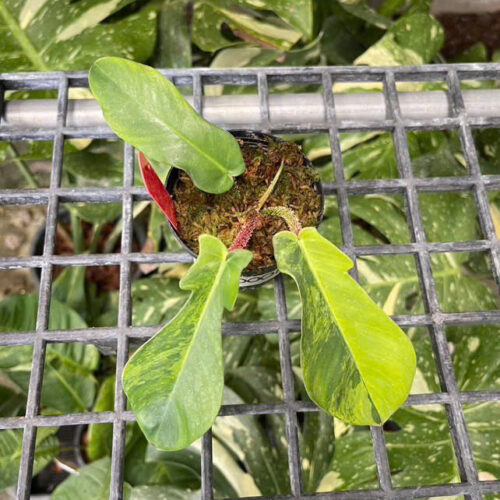
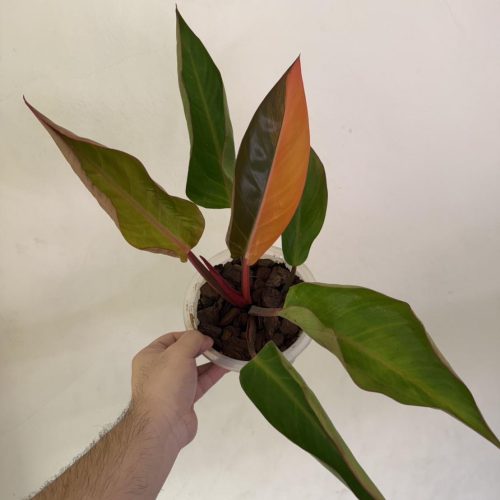
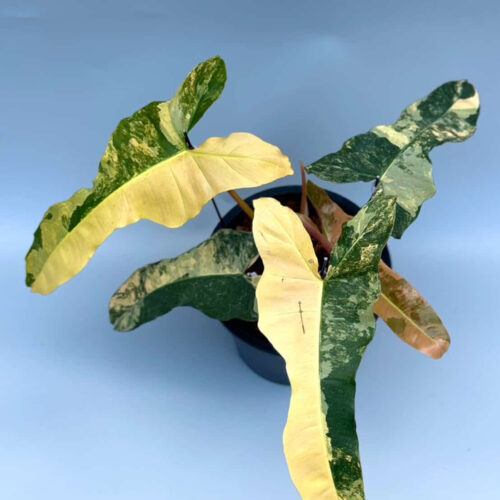
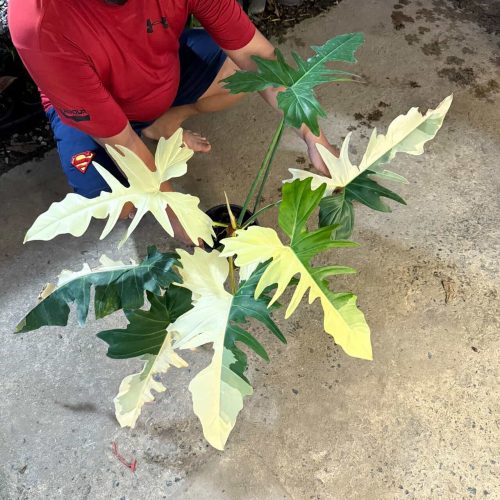
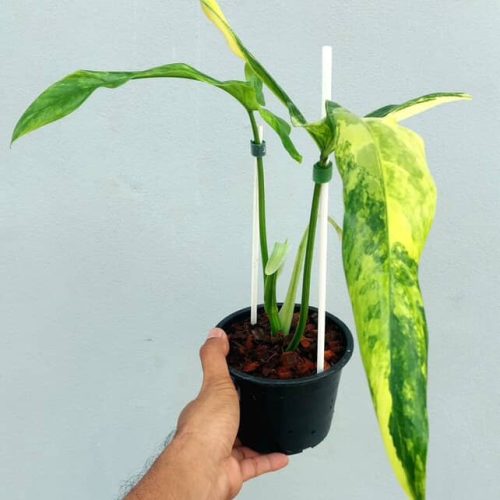
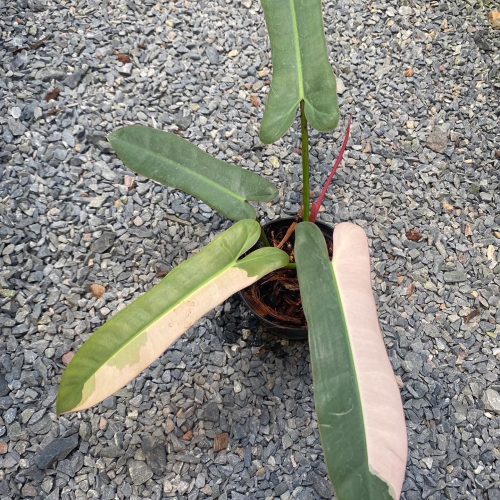
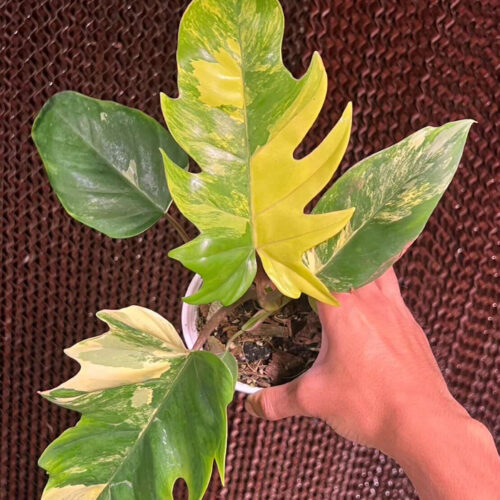
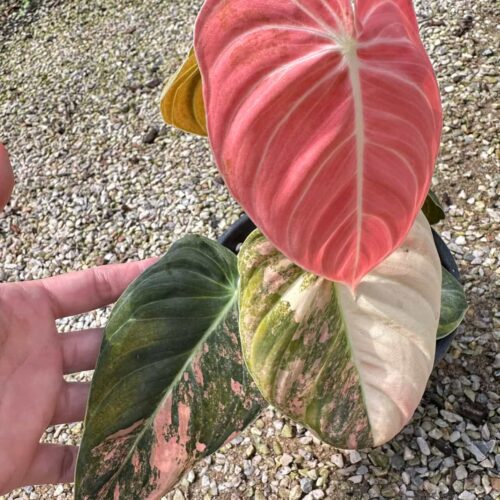
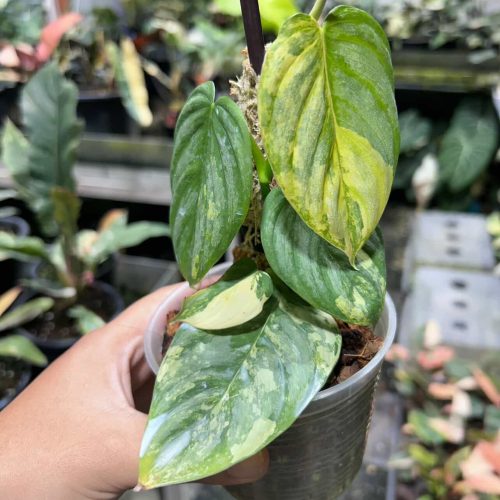
Philodendron species are the most sought after by aroid plant lovers
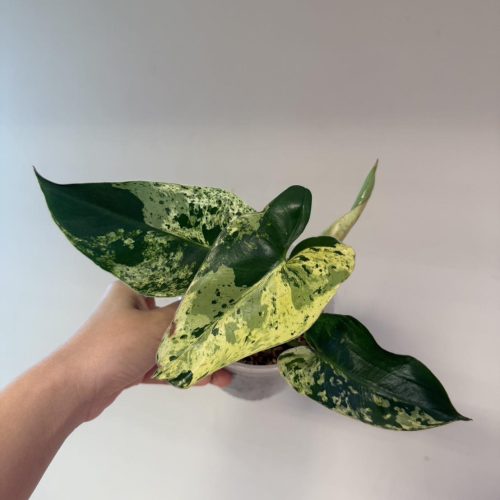
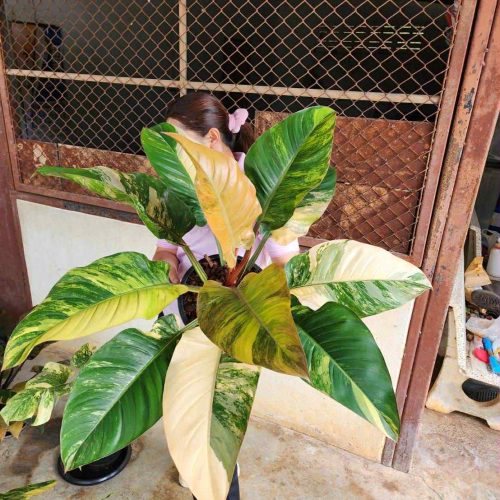
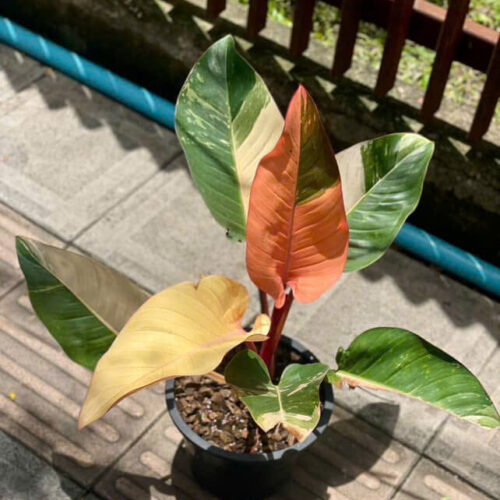
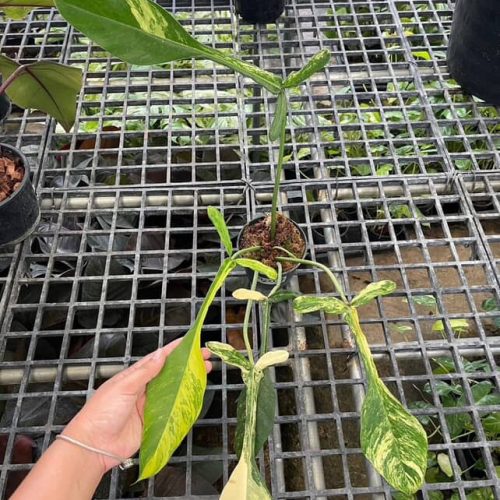
![Philodendron Red Congo Variegated [Actual plant]](https://greenboog.com/wp-content/uploads/2023/12/Philodendron-Red-Congo-Variegated-No-2-500x500.jpg)

Conclusion
With some detective work and attentive care, you can nurse your wilting Philodendron Lupinum back to vigor. Check for improper watering, low humidity, too much light, pests, and root bound conditions. Fix any issues at the root cause and your plant will perk up again. Be diligent about providing the right growing conditions for your Philodendron Lupinum to thrive for many years to come.