
Aroid rarity field guide
“Rare” can describe a wild population, an accepted species with a narrow range, a hard-to-source cultivar, one documented clone or simply today’s nursery stock. Those are different claims—and each needs different evidence.
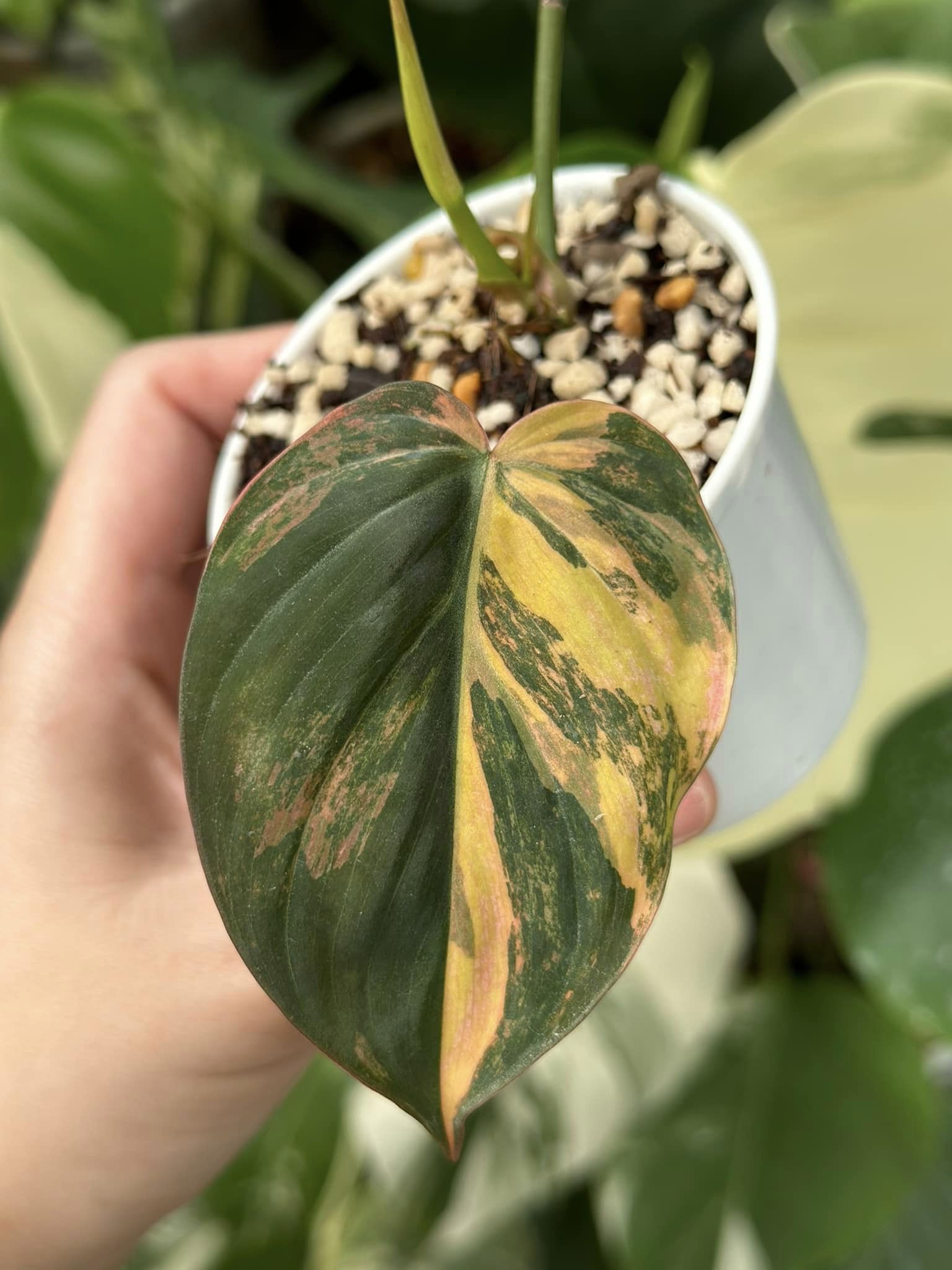
Five meanings hidden inside the word rare
| Claim type | What it means | Evidence to ask for |
|---|---|---|
| Wild rarity | Small, declining, fragmented or narrowly distributed wild populations. | A dated conservation assessment, population/range data and named threats. |
| Taxonomic rarity | A recognized species may have a narrow documented native range. | Accepted scientific name, publication, specimens and distribution record. |
| Cultivated scarcity | Few legitimate propagated plants are available in a particular market today. | Propagation origin, nursery/source records, region and observation date. |
| Clone or lot scarcity | A particular genetic individual, selected clone or traceable source lot is uncommon. | Lineage or source-lot continuity, mother-stock record and repeated plant evidence. |
| Transaction scarcity | A size, format or pattern is currently hard to buy at a stated price. | Live stock, actual-plant photos, seller terms, date, location and format. |
A claim can be true in one column and false in another. A species may be threatened in the wild yet widely propagated in collections. A variegated clone may be scarce in one country without the underlying species being threatened. A high asking price may record seller strategy rather than a population fact.
Name the plant before ranking it
Begin with the entity. Is the listing an accepted species, a synonym, a formally documented cultivar, a nursery trade label or a seller’s description of one plant? Kew’s Plants of the World Online accepts Philodendron spiritus-sancti and records its native range in Brazil’s Espírito Santo. That supports a botanical identity and geographic boundary; it does not, by itself, prove a current population number or “rarest in the world” title.
Kew also accepts Monstera deliciosa and records its native range from parts of Mexico to Guatemala. Names such as “White Snow,” “Platinum Mint” or a nursery’s special variegated line may describe horticultural material within that species. Rarity language does not turn a pattern label into a separate botanical species.
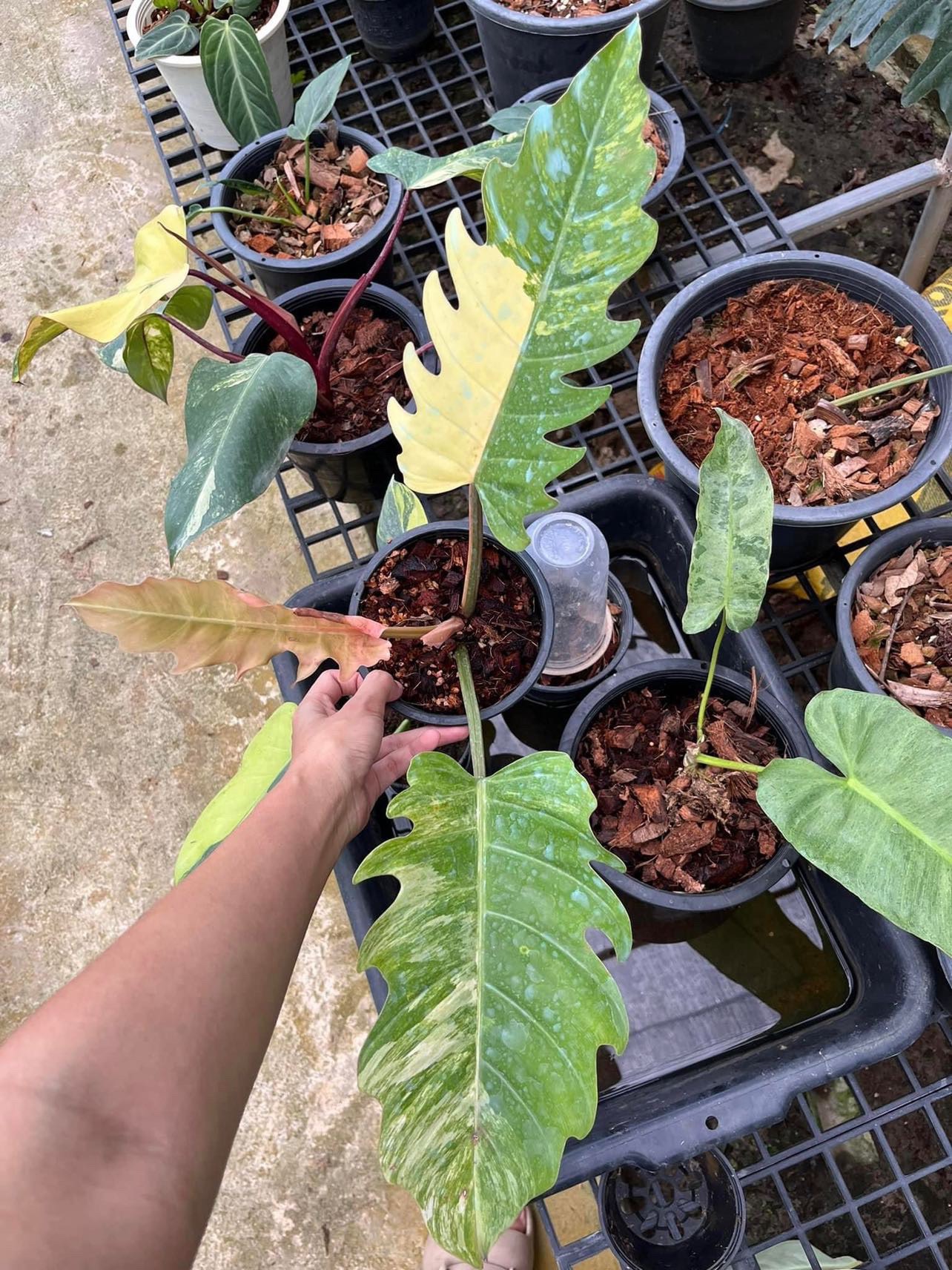

Conservation status is not a marketing adjective
The IUCN Red List Categories and Criteria classify global extinction risk through explicit evidence such as population trend, size and geographic range. Critically Endangered, Endangered and Vulnerable are assessed categories; “rare,” “exclusive” and “collector grade” are not substitutes.
Check the exact accepted scientific name and assessment date. “Not Evaluated” does not mean safe, common or endangered; it means a global assessment has not established a category. “Data Deficient” also does not mean low risk. Report the evidence boundary instead of filling it with a seller estimate.
CITES answers another question: how international trade in listed specimens is regulated. Its source language distinguishes wild, artificially propagated and assisted-production material. Appendix status is important legal context, but it is not a universal ranking of how few plants exist. Rules also vary by taxon, material, source, route and jurisdiction, so confirm current official requirements before shipping.
Propagation can change the market—not the wild record
Division, cuttings, seed and tissue culture can increase cultivated supply. That may reduce transaction scarcity or change price, especially when many plants from a traceable line reach the same market. It does not retroactively enlarge a species’ wild range, repair habitat or validate the identity of every plant carrying the label.
The reverse mistake is also common: “tissue cultured” does not automatically mean fake, common, disease-free, stable or ethically complete. Ask what material started the line, how the label was maintained, whether the photographed plant is representative or exact, and what acclimation stage is being sold.
A buyer’s rarity evidence scorecard
| Seller claim | Useful proof | Red flag |
|---|---|---|
| “True species” | Accepted name, whole-plant morphology, source history and uncertainty stated. | A common name or one juvenile leaf is treated as conclusive. |
| “Only a few exist” | Defined population/collection/market, source, count method and date. | No geography, date or dataset. |
| “Exact rare clone” | Traceable lineage, mother stock, propagation chain and current whole plant. | Price or color alone is offered as lineage proof. |
| “Ethically sourced” | Nursery propagation origin, legal documents where required and transparent supplier route. | Wild locality is used as excitement but acquisition origin is hidden. |
| “Worth this price” | Actual plant, size/format, roots, node/growth point, comparable recent sales and terms. | An old auction screenshot or another seller’s asking price. |
Before you pay, capture:
- The accepted scientific name and any cultivar/trade label as separate fields.
- Current whole-plant images, including the newest and hardened leaves.
- Stem, viable node, active growth point and root/acclimation condition.
- Whether the image shows the exact plant, a representative batch or mother stock.
- Propagation origin, source-lot history and legal trade documents where applicable.
- The sale date, country, currency, plant size, format and fulfillment terms.
Where this guide hands off
Use the rare Monstera species guide when you want accepted-species discovery rather than variegated-market labels. Use the rare Philodendron comparison for cross-variety browsing, and the variegated Monstera price guide for a condition- and format-based valuation method.
When you are ready to compare current nursery stock, use the live Monstera collection, Philodendron collection or the broader rare aroid collection. Inventory shows availability—not a conservation ranking.
Sources and evidence boundaries
- Kew POWO: Philodendron spiritus-sancti — accepted name and documented native range.
- Kew POWO: Monstera deliciosa — accepted species, range and synonyms.
- IUCN Red List Categories and Criteria — objective extinction-risk framework.
- CITES glossary and assisted-production definition — trade/source terms.
- Kew: avoiding trafficked plants — name, status and nursery-source checks.
Evidence limit: this guide does not assign an IUCN category, CITES status, global population number, clone pedigree or current value to a plant without the corresponding live record. Recheck names, assessments, trade rules and inventory at the time of decision.
