
Online Monstera purchase checklist
A good online Monstera purchase is traceable from listing to arrival. Verify the plant name and seller descriptor, exact-image scope, shipped format, root evidence, destination requirements and claim window before checkout—then preserve an arrival baseline before changing care.
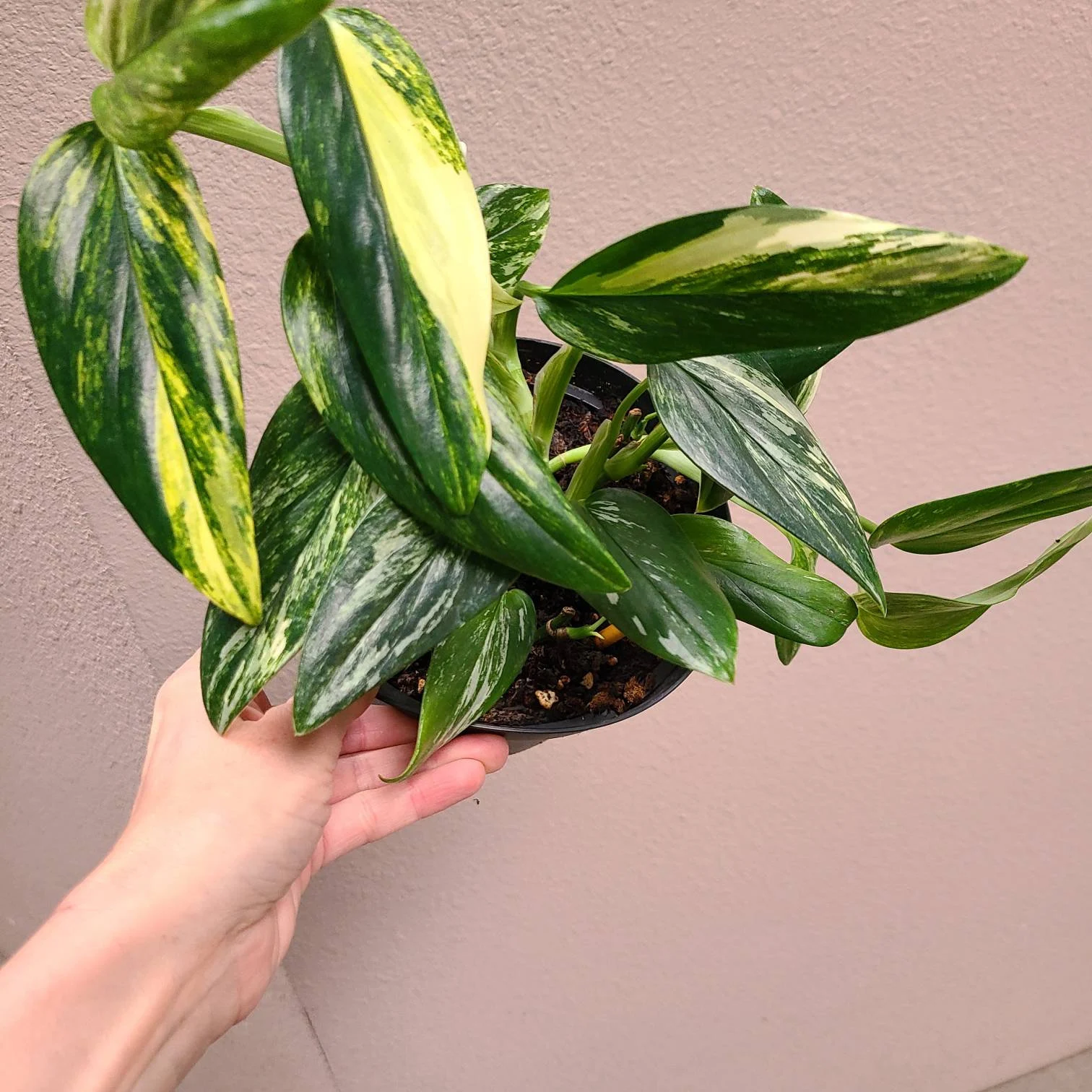
Audit the listing before the plant
A glossy leaf can show current foliage, not invisible roots, pests, a viable node or future stability. Kew accepts Monstera standleyana as a climbing species; the appended word “Variegated” is still a commercial descriptor that needs evidence from the offered plant or propagation line. Apply the same separation to every named Monstera: accepted botanical layer first, seller layer second.
| Field | Evidence to look for | Risk if missing |
|---|---|---|
| Name | Accepted species/hybrid/cultivar where documented; seller pattern/size labels separate. | A trade nickname becomes a false identity promise. |
| Image scope | Exact plant, representative batch or parent/reference image stated clearly. | You assume the pictured maturity, pattern or condition will ship. |
| Selected option | Plant count, pot/grade, propagation stage and price tied to one variation. | Title and gallery describe a different option. |
| Structure | Whole plant, stem, node/growth point, current leaf sequence and scale. | A leaf-only photo conceals an unviable cutting or weak crown. |
| Root stage | Rooted pot/cutting, unrooted cutting, acclimated starter or in-vitro plantlet. | The arrival workload and failure exposure are misunderstood. |
| Dispatch | Origin, carrier route, expected preparation and destination paperwork boundary. | Delay, hold or packaging assumptions are discovered after payment. |
| Arrival policy | Notification window, required photos/video and exclusions. | Useful evidence is lost before a claim is reviewed. |
Match the format to the transition
A rooted established plant usually reduces the propagation burden, but it can still arrive with a changed moisture and light history. A rooted cutting has a smaller reserve. An unrooted cutting transfers the rooting risk to the buyer. A tissue-culture plantlet requires staged acclimation rather than ordinary potted-plant care.
Use the Monstera pre-buy setup checklist to decide whether the room and quarantine area are ready. If the listing is in vitro, open the tissue-culture acclimation owner before ordering—not after opening the vessel. For genus and growth-habit comparison, use the Monstera versus Philodendron guide.
Check destination rules before checkout
Live plants cross a regulatory boundary as well as a shipping route. USDA APHIS, for example, regulates live-plant imports into the United States and directs importers to commodity- and origin-specific requirements that can change. Other destinations have their own plant-health authorities and rules.
Import rules belong to the destination authority. Verify admissibility, permits, certificates, inspection route and prohibited media directly with that authority; do not treat a marketplace comment or an old delivery screenshot as clearance. Then compare those requirements with Greenboog’s current shipping information.
Preserve an arrival baseline
- Photograph the sealed parcel, label and all sides before opening.
- Record the packing layers, selected item, whole plant, every leaf, stem/crown, medium and visible roots.
- Compare the received format and quantity with the saved listing and order.
- Isolate from the collection and note temperature exposure, moisture, odor, pests and physical damage.
- Follow the stated claim procedure within its current window before discarding packaging or changing the plant.
Document first and diagnose second. University of Maryland Extension shows why: wilting, yellowing and scorch can have multiple or opposing causes, including too much or too little water, root damage, cold, salts and pests. Automatic watering, repotting, fertilizing, misting or spraying can erase evidence and add a second stress.
| Observation | First boundary | Next route |
|---|---|---|
| Physical break or missing item | Preserve packaging and listing evidence; do not recut before documenting. | Current seller arrival policy and order record. |
| Droop or yellowing | Check history, root-zone moisture, roots, cold and pests before treatment. | Monstera problem-triage hub. |
| No urgent damage | Stabilize placement and observe; avoid stacking changes. | Broad Monstera care dashboard. |
Sources
- Kew POWO: accepted Monstera genus and morphology
- Kew POWO: accepted Monstera standleyana name and climbing habit
- USDA APHIS: regulated live-plant imports and buyer routes
- USDA APHIS: commodity- and origin-specific import requirements
- University of Maryland Extension: symptom, root-zone and pest diagnosis
