Monstera Thai Constellation Tissue Culture: The Ultimate Guide
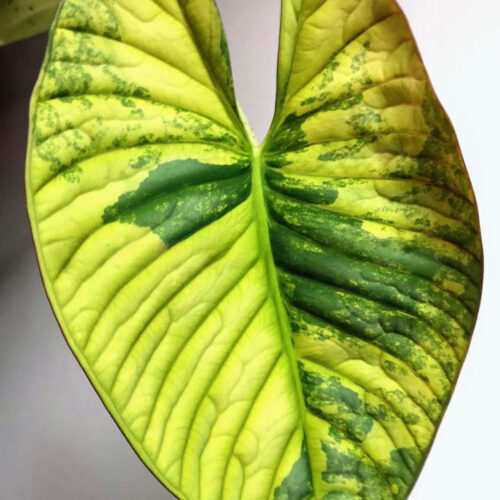
Monstera Thai Constellation is a rare and highly sought-after plant species known for its stunning and unique foliage. With its delicate and intricate leaves, this plant has become a must-have for many plant enthusiasts and collectors. Despite its popularity, many people still find it challenging to grow and care for this plant. In this comprehensive guide, we will explore all aspects of growing Monstera Thai Constellation, including tissue culture, and provide tips and tricks to help you succeed.
Understanding Tissue Culture and Its Benefits
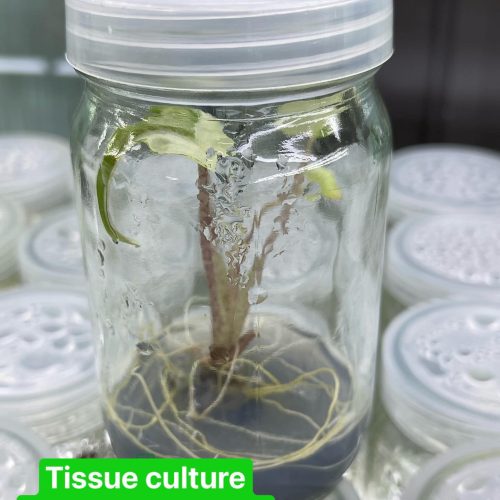
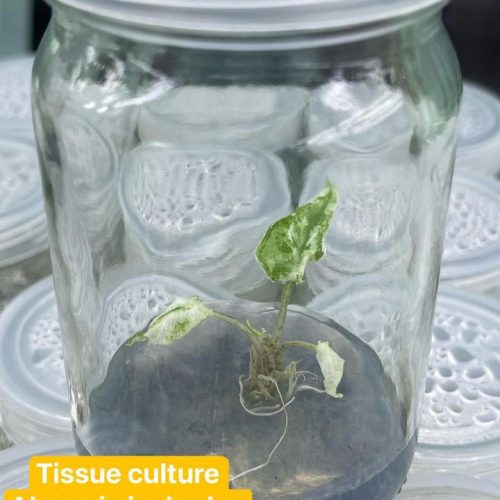
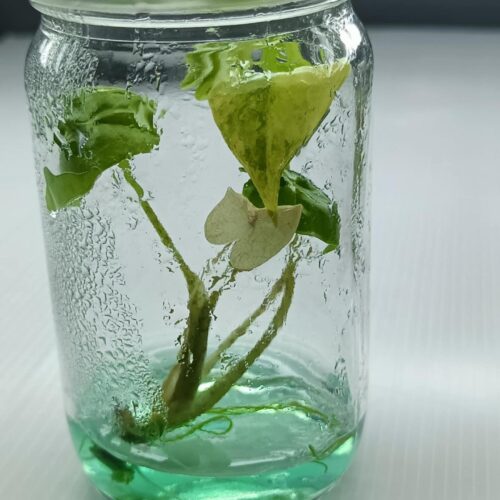
Tissue culture is a method of plant propagation that involves growing new plants from tiny pieces of tissue, known as explants. This method is used to produce large numbers of genetically identical plants and to eliminate any potential diseases or pests. Tissue culture is also an excellent option for those who wish to grow Monstera Thai Constellation, as it is a slow-growing plant and can take several years to mature in traditional propagation methods.
The benefits of tissue culture include:
- Ensuring a clean, disease-free plant
- Faster propagation rate compared to traditional methods
Understanding the benefits and process of tissue culture is crucial for successful propagation, a technique extensively covered in our Propagation Monstera guide. Tissue Culture Plants for Sale are often preferred by those who wish to start with a clean, healthy plant.
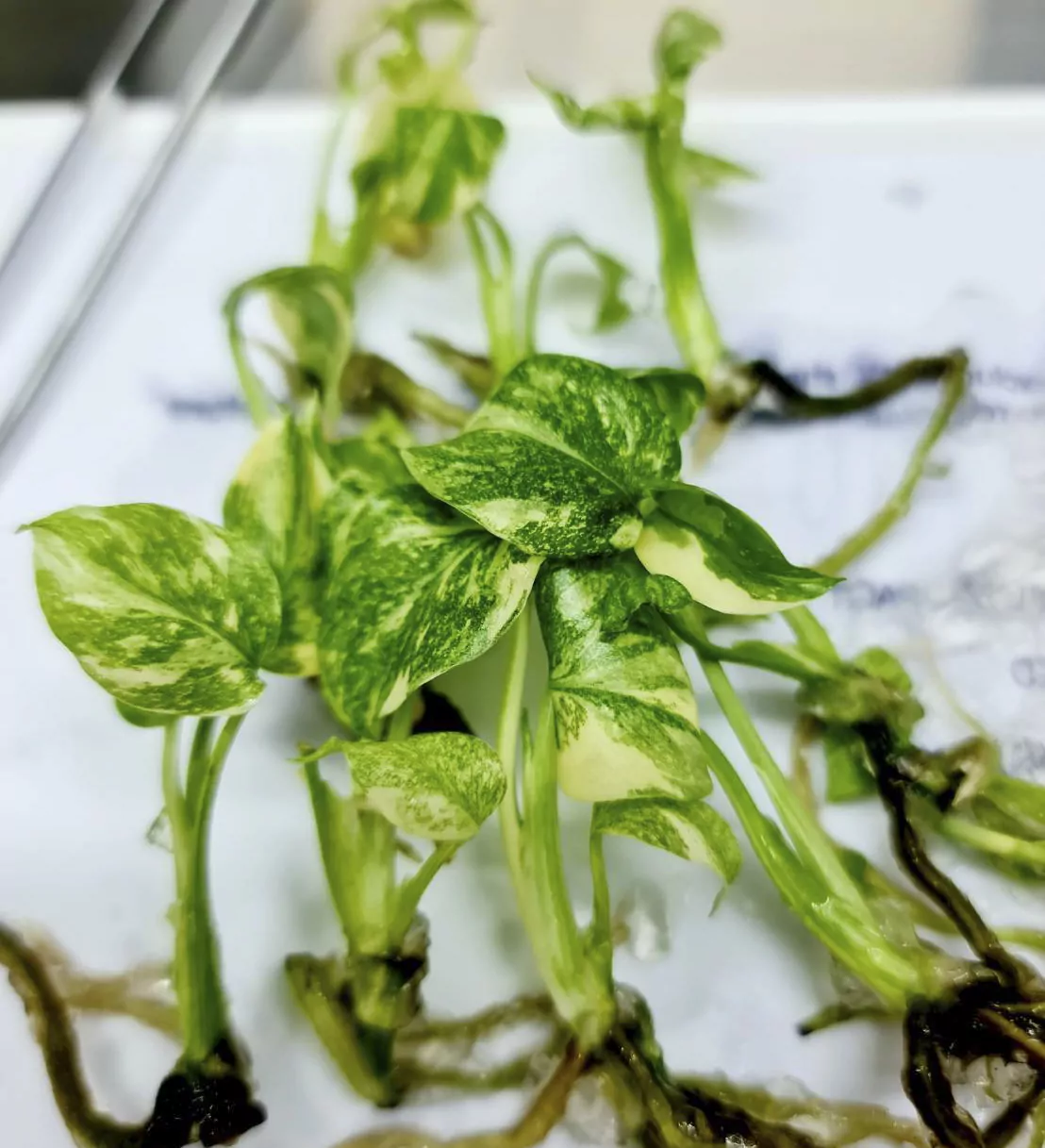
Transform Your Space Today! Get Your Own Monstera Thai Constellation Tissue Culture and Experience the Beauty of Rare Indoor Gardening. Order Now and Begin Your Botanical Adventure!
Preparing the Tissue Culture Environment
Before you begin growing Monstera Thai Constellation through tissue culture, you’ll need to make sure that your environment is set up correctly. This involves creating a sterile area where you can carry out the tissue culture process without risking contamination from bacteria or fungi. Preparing the ideal tissue culture environment shares similarities with general Monstera care practices, which are outlined in our comprehensive Care Monstera document.
What You’ll Need:
- A sterile work area
- Sterilized instruments
- A growth medium
- A container to grow your explants in
- An incubator to maintain optimal temperature and humidity levels
It’s essential to use sterilized instruments and a clean work area to prevent contamination. You can sterilize your instruments by using a 10% bleach solution, followed by thorough rinsing in distilled water. Your growth medium should be a sterile, nutrient-rich substance that is appropriate for plant growth, such as agar or coconut coir.
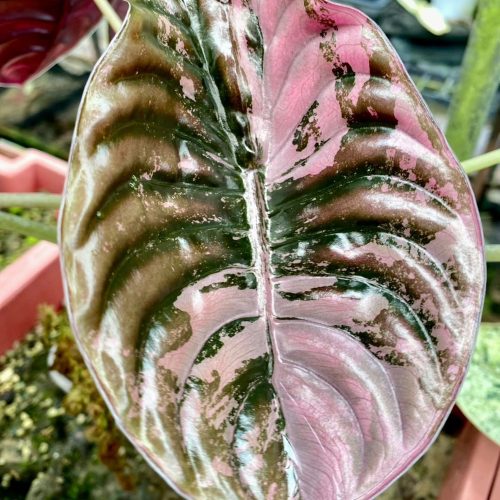
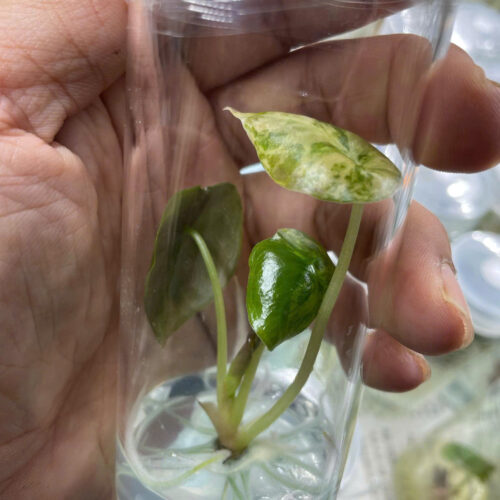
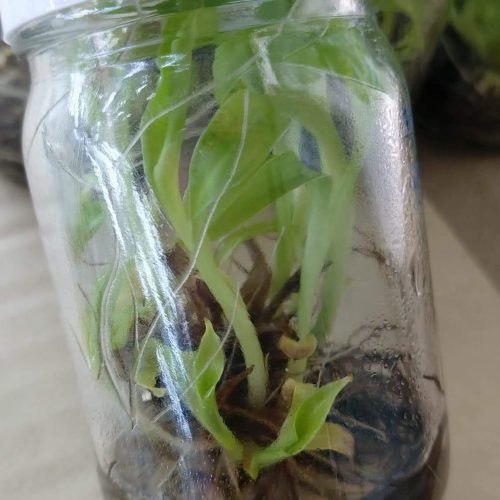
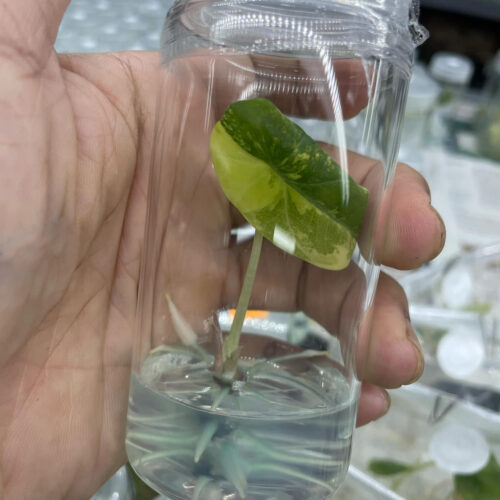
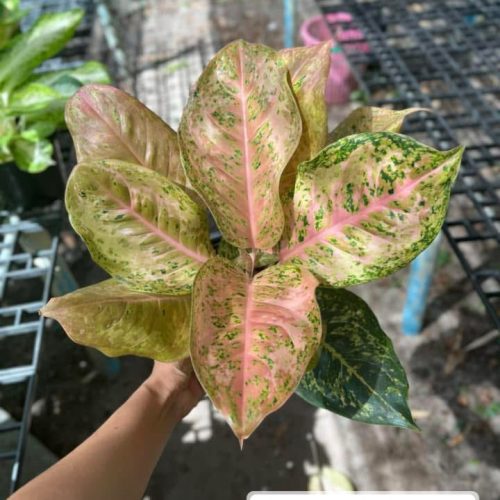
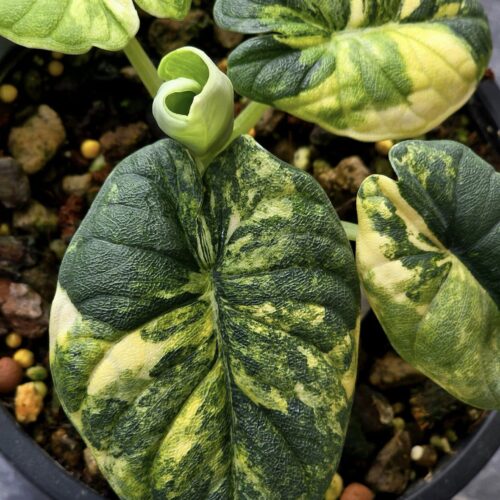
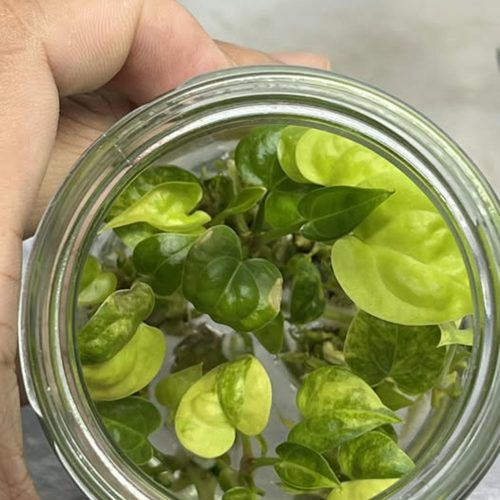
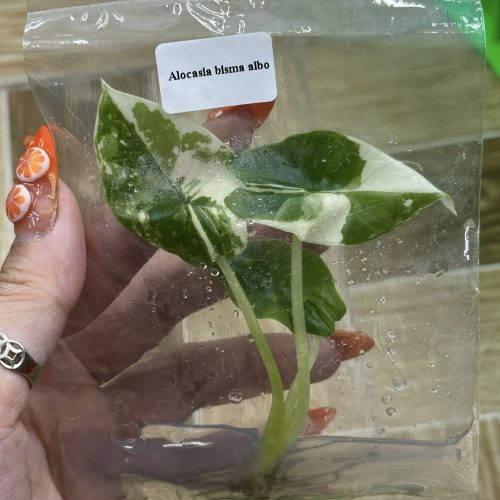
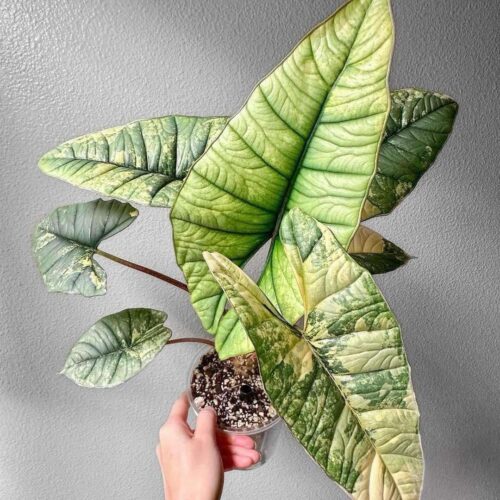
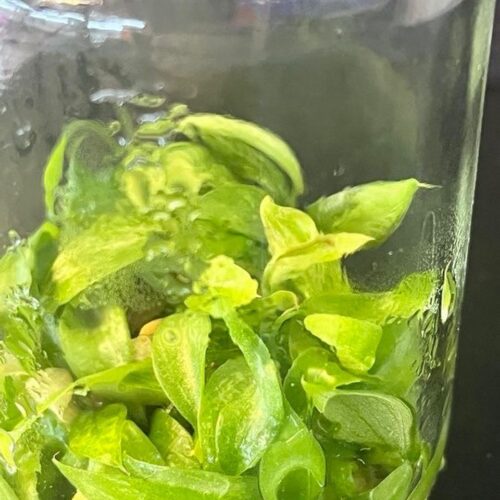
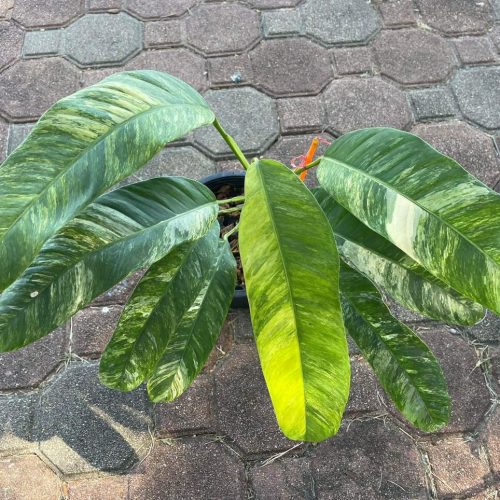
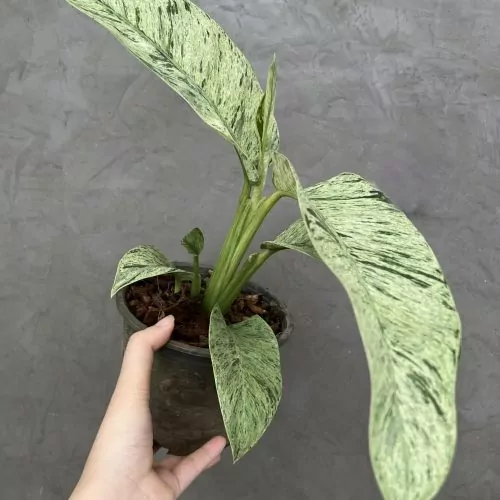
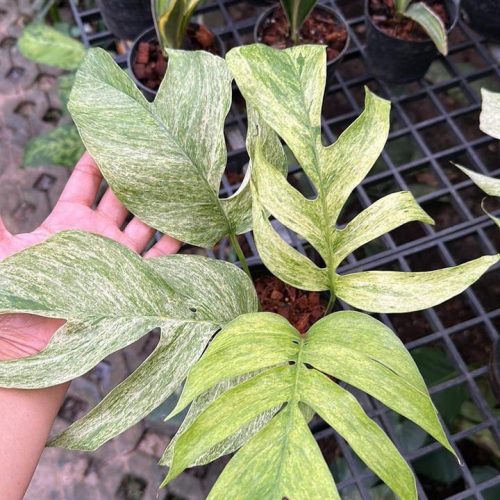
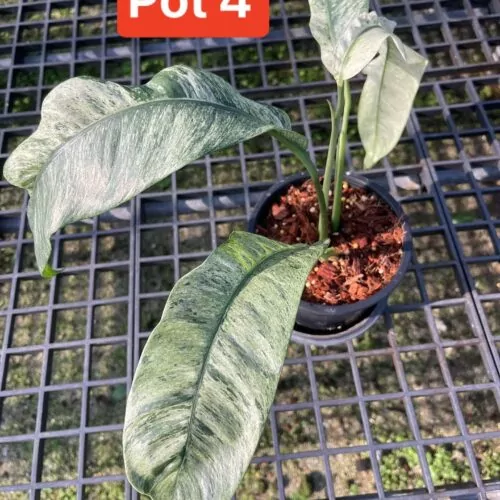
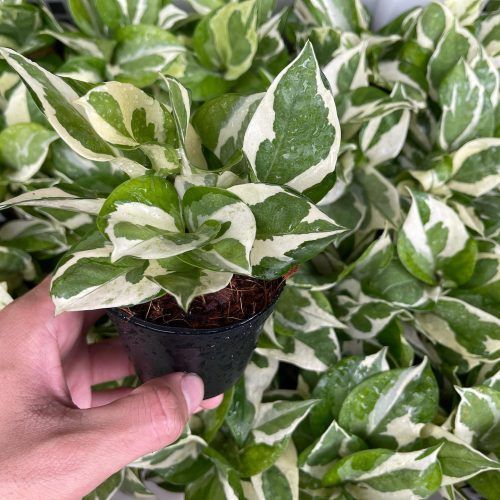
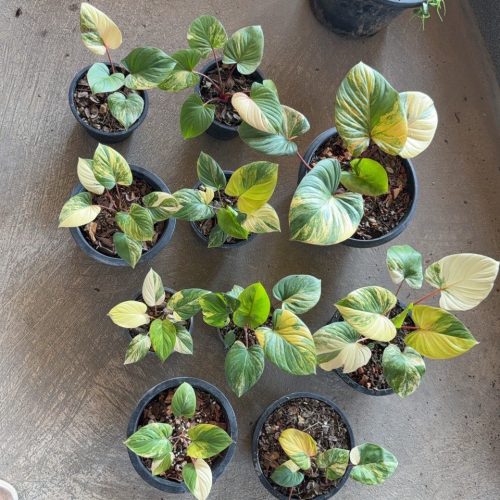
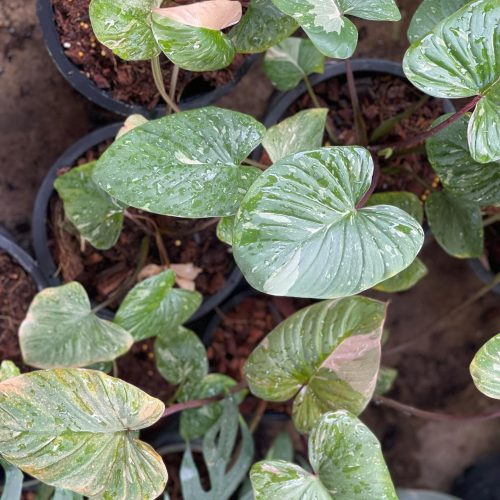
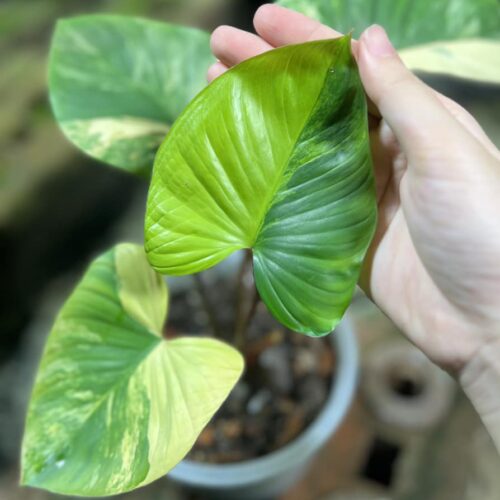
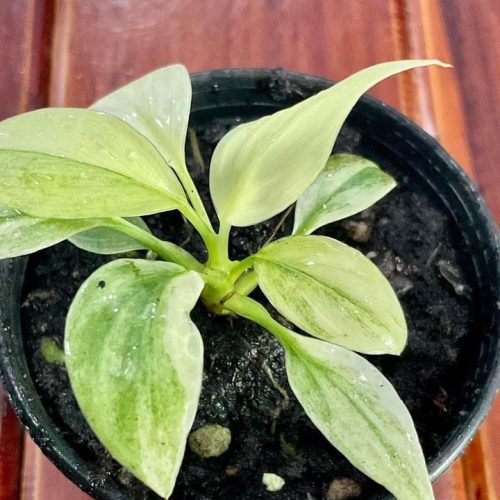
Tissue Culture species are the most sought after by aroid plant lovers

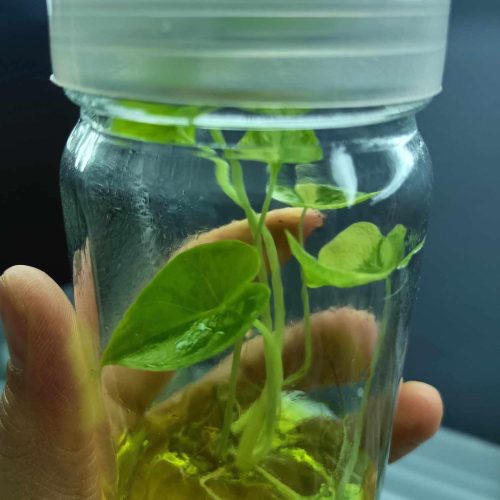
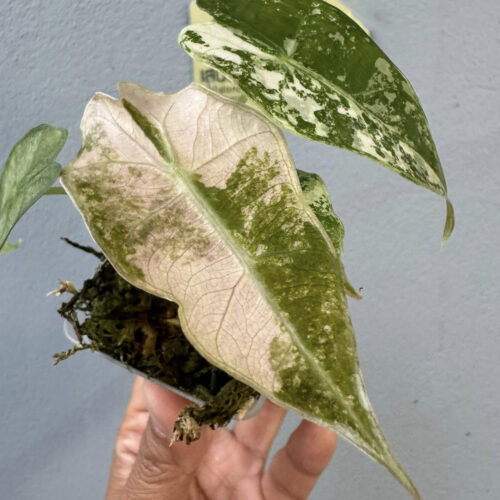

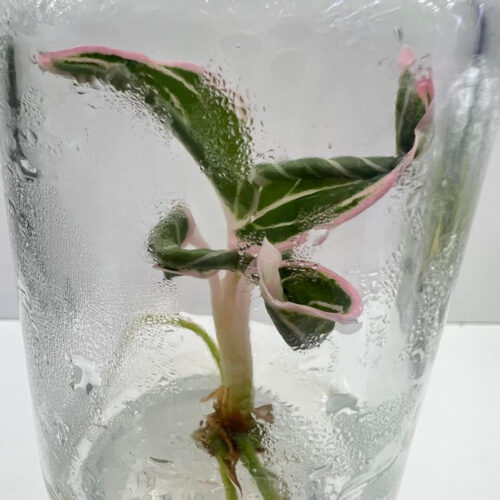
Obtaining Explants
The next step in growing Monstera Thai Constellation through tissue culture is to obtain explants. These are small pieces of tissue taken from the parent plant that will be used to grow new plants. Explants can be obtained from healthy, disease-free plants, and should be no larger than 1 cm in size.
Choosing Explants:
- Select explants free from visible signs of disease, such as spots or discoloration
- Take explants from the growing tips of the plant for the highest concentration of cells capable of producing new growth
Planting the Explants
Once you have your explants, it’s time to plant them in your growth medium. This involves placing the explants in the growth medium and incubating them in optimal temperature and humidity conditions.
Tips for Planting:
- Handle explants gently to avoid damaging the tissue
- Maintain sterile conditions to prevent contamination
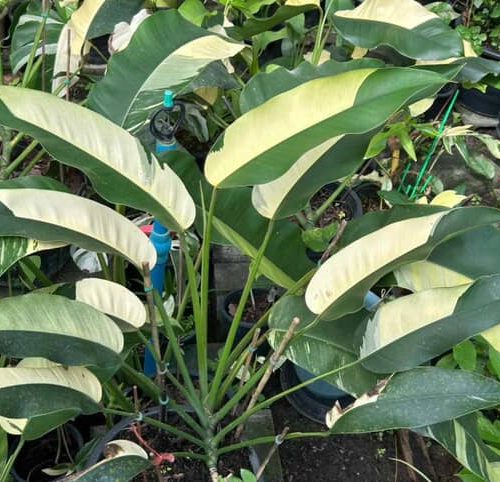
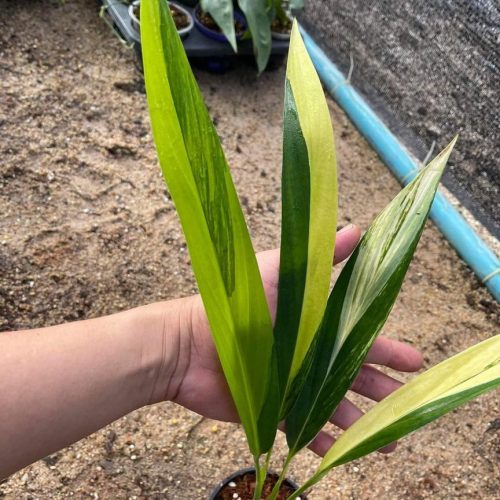
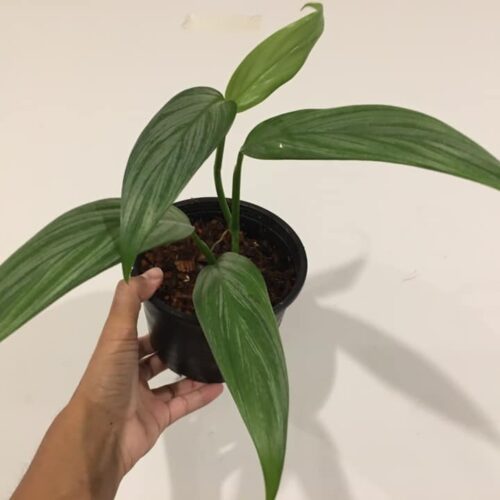
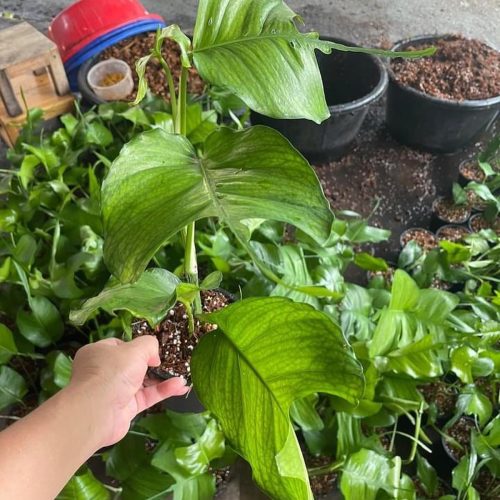
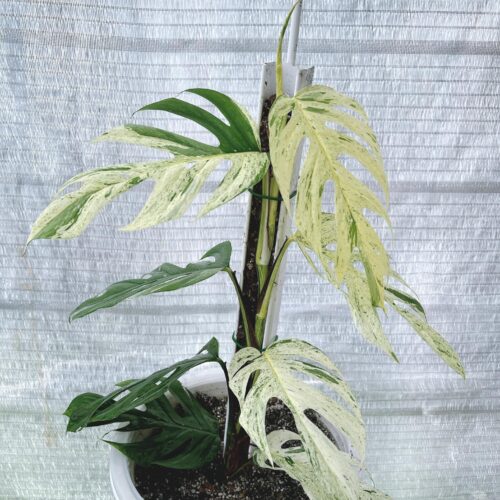
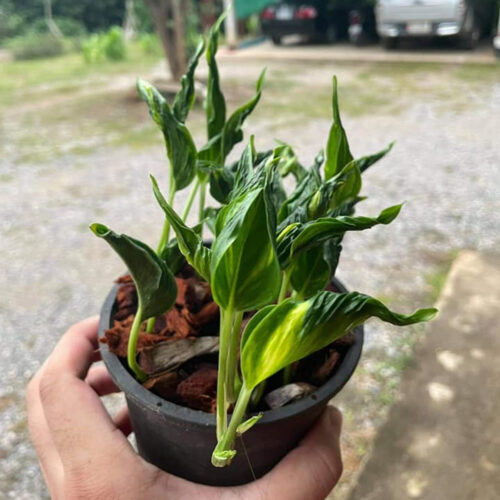
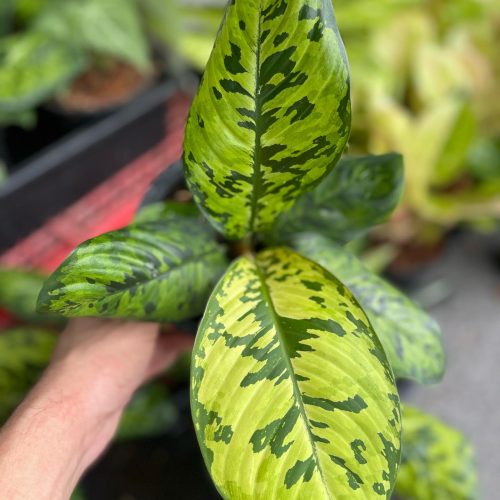
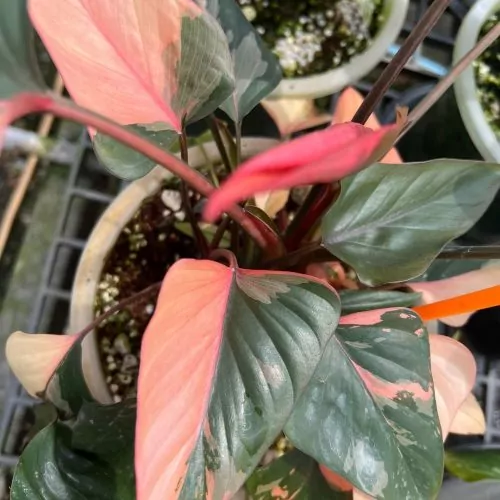
Tissue Culture species are the most sought after by aroid plant lovers. Other popular plants like Epipremnum, Aglaonema, and Syngonium also benefit greatly from tissue culture propagation methods.





Caring for Your Monstera Thai Constellation Tissue Culture
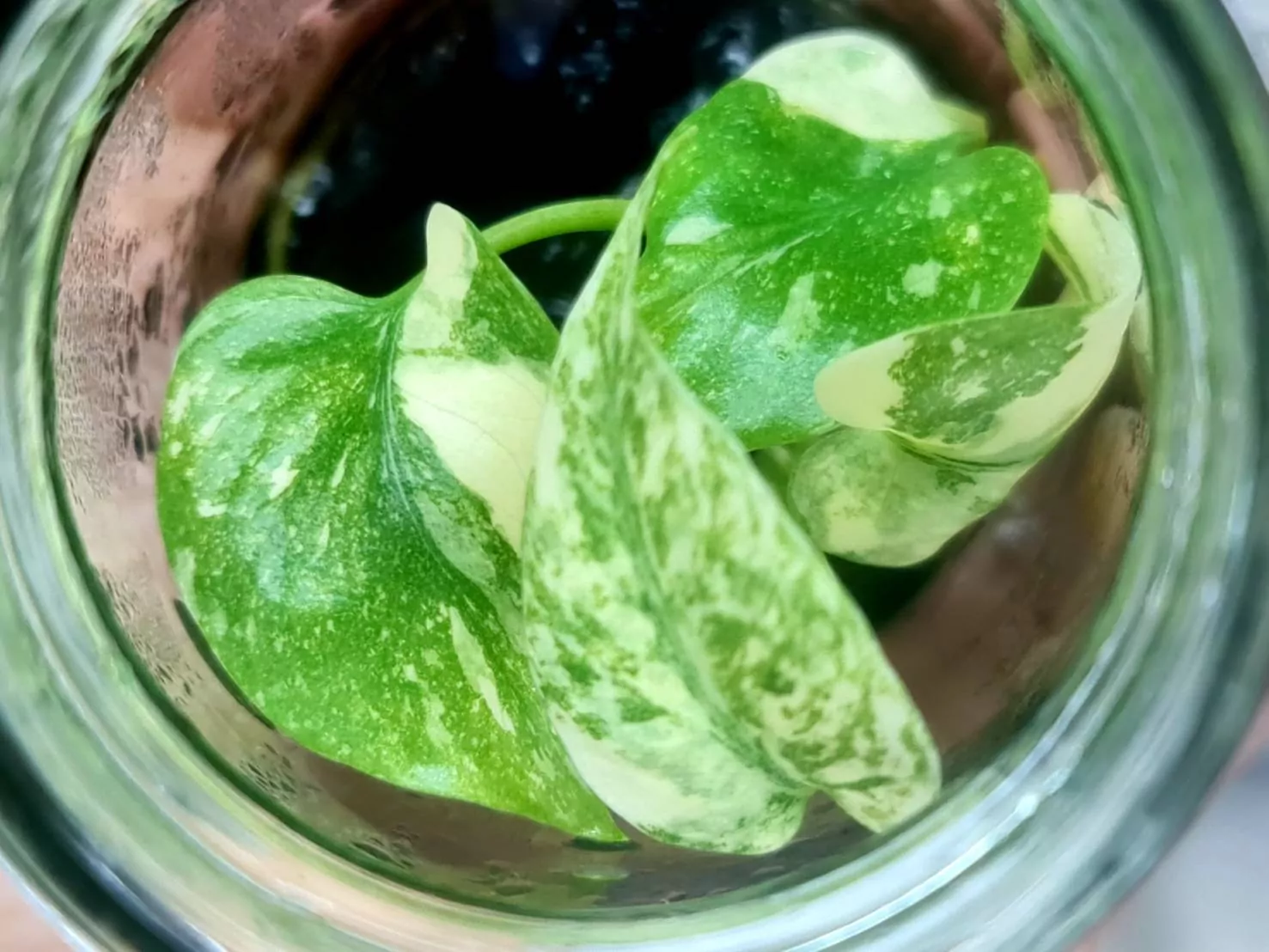
Caring for your Monstera Thai Constellation tissue culture involves providing the right conditions to support healthy growth. This includes maintaining optimal temperature and humidity levels, providing adequate light, and ensuring that the growth medium stays moist but not waterlogged. The care for your Monstera Thai Constellation in its tissue culture phase aligns well with the general care tips found in our Tips for Monstera document, ensuring healthy growth and development.
Key Care Tips:
- Keep the temperature within a range of 25-30°C
- Maintain high humidity during early stages of growth
- Gradually reduce humidity and increase light as plants mature
- Monitor the growth medium for signs of contamination and take action if necessary
Regular monitoring and care are essential to ensure that your Monstera Thai Constellation tissue culture continues to grow and thrive. With the right attention and care, you can enjoy a stunning, healthy plant that will be the envy of all your plant-loving friends.
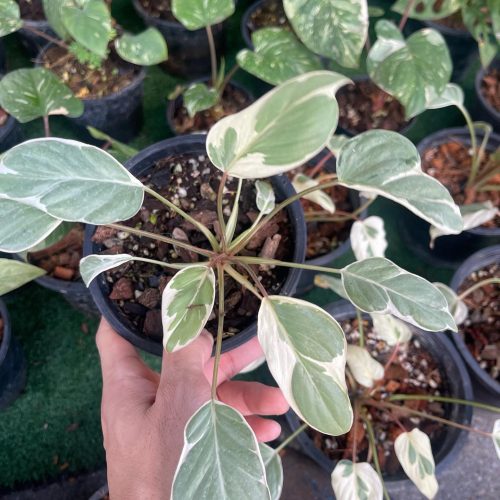
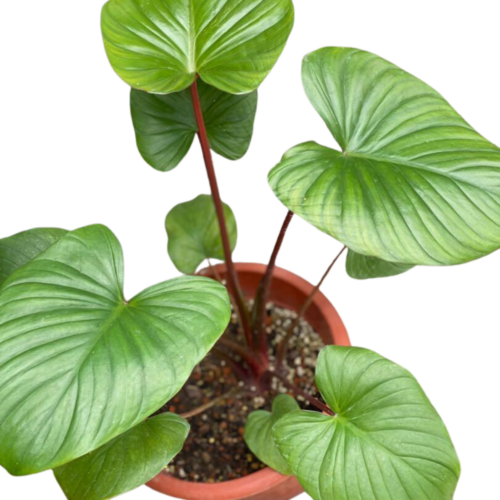
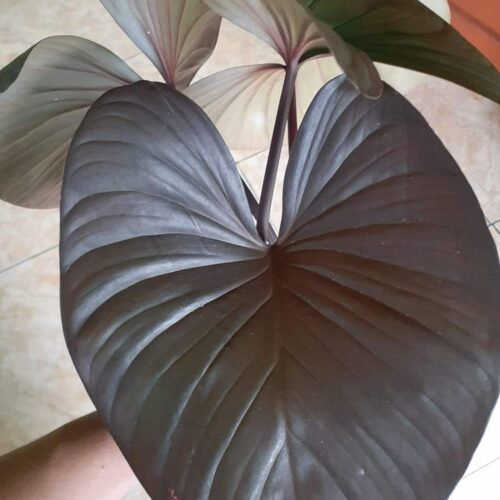
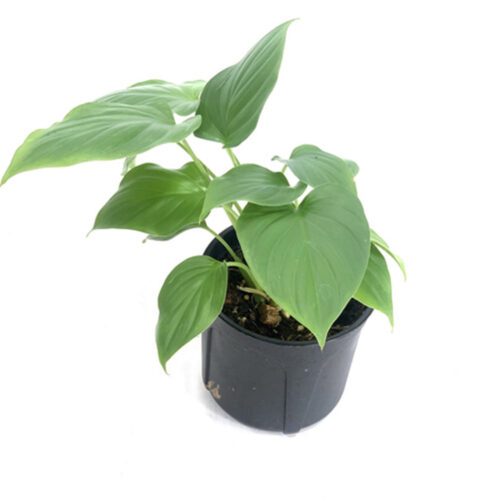
By using tissue culture methods, you can also explore growing other aroid plants like Homalomena, Colocasia, Dischidia, Fern (Platycerium), Zamioculcas zamiifolia – ZZ plant, and Sansevieria, which share similar care requirements.
Conclusion
Growing Monstera Thai Constellation through tissue culture is an excellent way to produce high-quality, disease-free plants that are ready to be enjoyed in your home or garden. With the right preparation, attention, and care, anyone can successfully grow this stunning and unique plant species.
So why wait? Start your tissue culture journey today and experience the thrill of growing Monstera Thai Constellation for yourself!
FAQs
What is tissue culture, and why is it used for Monstera Thai Constellation?
- Tissue culture is a propagation method where small plant pieces are grown in a sterile lab environment. It’s used for Monstera Thai Constellation to produce many identical plants quickly, preserving the unique variegation that’s difficult to replicate through traditional methods.
How do I acclimate a Monstera Thai Constellation tissue culture plantlet?
- Acclimation involves gradually transitioning the plantlet from the lab environment to normal growing conditions. This includes slowly increasing humidity and light exposure while ensuring proper drainage and avoiding overwatering.
What kind of potting mix should I use for my Monstera Thai Constellation tissue culture?
- A well-draining, airy mix is crucial. A combination of peat moss, perlite, and orchid bark is often recommended. You can also add some charcoal to prevent fungal growth.
How do I care for a Monstera Thai Constellation tissue culture after acclimation?
- After acclimation, care is similar to a regular Monstera. Provide bright, indirect light, water when the top inch of soil is dry, and maintain moderate humidity. Fertilize during the growing season with a balanced fertilizer.
Where can I buy Monstera Thai Constellation tissue culture plants?
- Tissue culture Monstera Thai Constellation plants can be found at some specialty nurseries, online plant shops, or through reputable sellers on platforms like Etsy. Be sure to research the seller to ensure you’re getting a healthy, authentic plant.