
Cultural Significance Colocasia
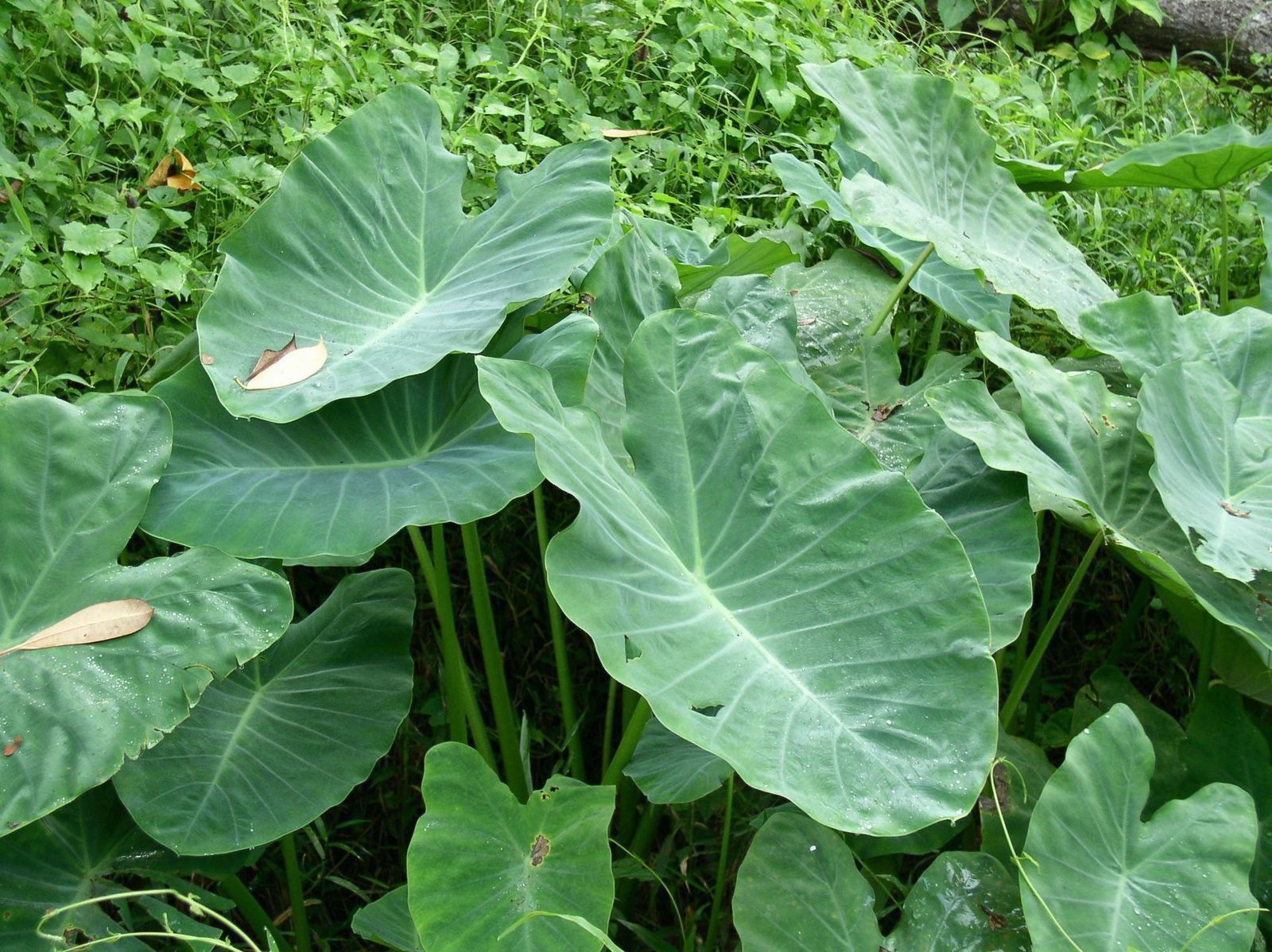
The Colocasia plant, also known as taro, is a remarkable staple that has been woven into the cultural tapestry of many societies around the world. Beyond its nutritional value, this humble plant holds profound symbolic meaning, medicinal applications, and a central role in various festivals and traditions. Exploring the cultural significance of Colocasia provides a fascinating glimpse into the rich diversity of human experiences and the deep connections we share with the natural world.
Symbolism
The Colocasia plant is imbued with a wealth of symbolism that reflects its deep-rooted significance within diverse cultures. From representations of life and fertility to associations with prosperity and resilience, the symbolic importance of Colocasia extends far beyond its practical uses.
Life and Fertility
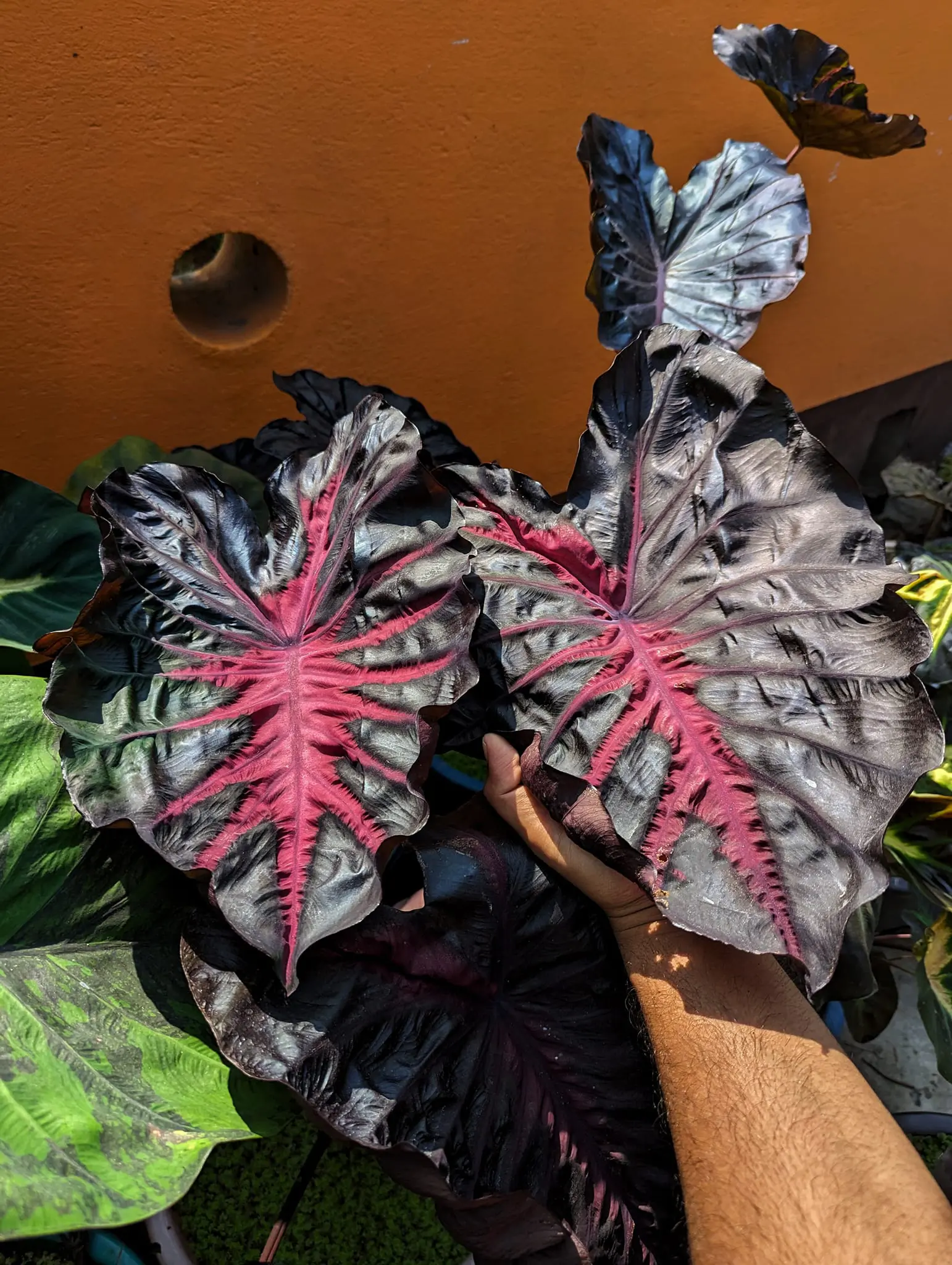
The heart-shaped leaves of the Colocasia plant are often seen as a representation of the human heart, symbolizing the essence of life and vitality. This connection is particularly evident in Polynesian mythology, where the goddess Hi’iaka, embodying fertility and the earth, is said to have used Colocasia leaves to shelter her younger sister, the volcano goddess Pele. The plant’s rapid growth and abundant reproduction further reinforce its association with fertility and abundance.
| Symbolism | Meaning |
|---|---|
| Heart-shaped leaves | Representation of human heart, life, and vitality |
| Rapid growth and reproduction | Symbolize fertility and abundance |
- In ancient Polynesian myths, the goddess Hi’iaka used Colocasia leaves to shelter her sister, the volcano goddess Pele.
- The plant’s ability to thrive and proliferate is seen as a symbol of fecundity and life-giving power.
Abundance and Prosperity
The Colocasia plant’s resilience and ability to flourish in diverse environments have made it a symbol of prosperity and good fortune in many cultures. In some Southeast Asian traditions, offering Colocasia leaves to ancestors is a way of seeking their blessings for a bountiful harvest and sustained well-being.
| Symbolism | Meaning |
|---|---|
| Resilience and adaptability | Represent abundance and prosperity |
| Offering Colocasia leaves to ancestors | Seeking blessings for a successful harvest |
- The Colocasia plant’s hardiness and prolific growth are seen as signs of its ability to provide a reliable source of sustenance.
- Honoring the plant through offerings to ancestors is a way of acknowledging its importance and seeking divine favor for continued prosperity.
Resilience and Survival
Colocasia’s ability to thrive in challenging environments has also made it a symbol of resilience and survival. In times of adversity or natural disasters, the Colocasia plant’s endurance and capacity to regenerate have provided a lifeline for many communities, reinforcing its cultural significance as a symbol of strength and adaptability.
| Symbolism | Meaning |
|---|---|
| Thriving in challenging environments | Represents resilience and survival |
| Capacity to regenerate | Embodies the ability to overcome hardship |
- The Colocasia plant’s resilience and capacity to recover from setbacks have made it a touchstone for communities facing adversity.
- Its endurance and adaptability are seen as a testament to the human spirit and a source of inspiration for overcoming challenges.
Traditional Medicine
The Colocasia plant not only holds cultural significance but also plays a vital role in traditional medicinal practices across numerous societies. From its leaves and stems to its underground tubers, every part of the plant has been utilized for its therapeutic properties, showcasing the depth of traditional knowledge and the diverse applications of this versatile resource.
Leaf and Stem Remedies
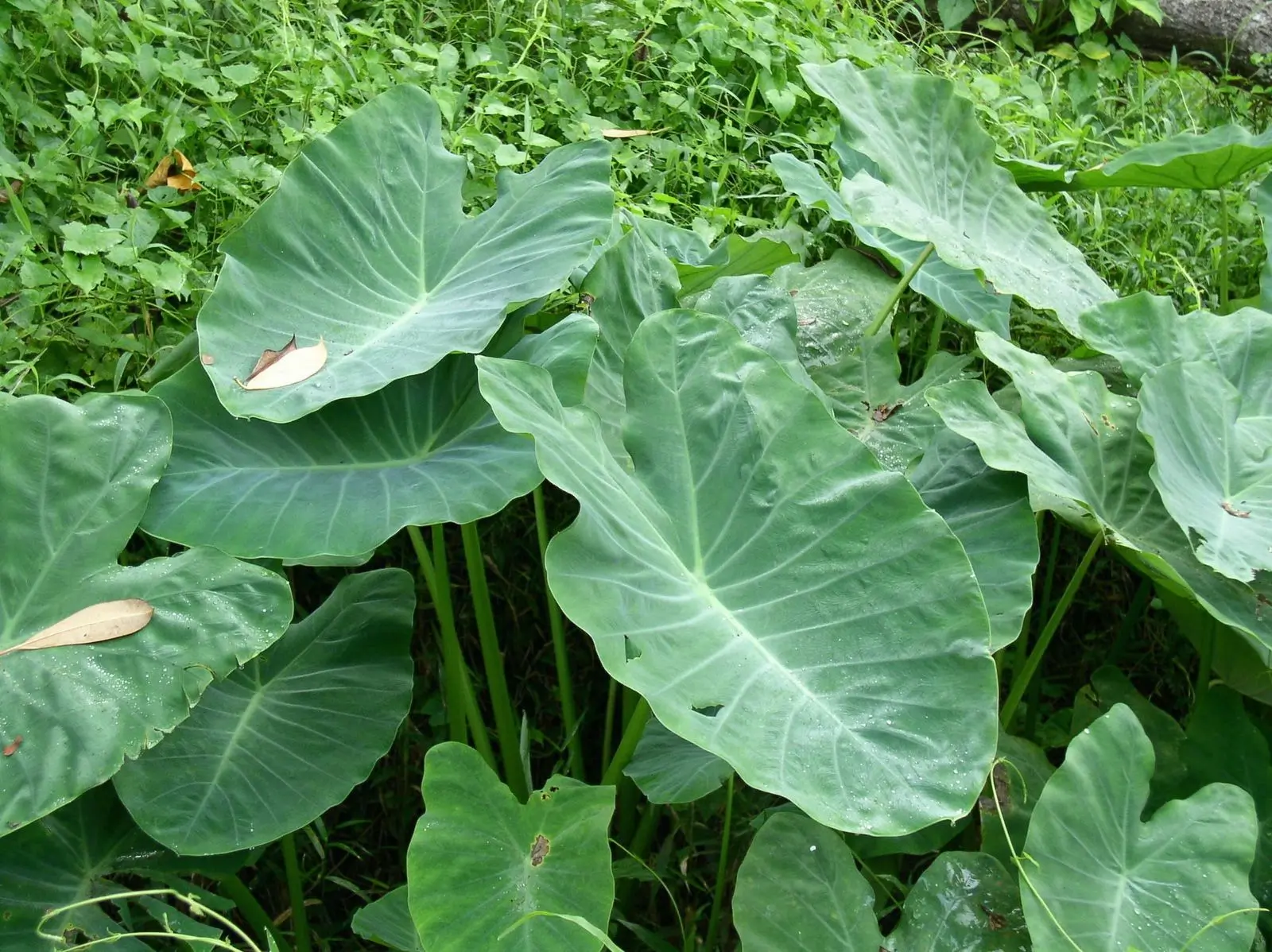
The leaves and stems of the Colocasia plant have long been used in traditional medicine to treat a variety of ailments. In many Asian and African cultures, the leaves are believed to possess anti-inflammatory and wound-healing properties, making them a go-to remedy for skin irritations, burns, and even insect bites.
| Traditional Use | Medicinal Properties |
|---|---|
| Skin irritations and burns | Anti-inflammatory, wound-healing |
| Insect bites | Soothing, numbing |
- The leaves are often crushed or boiled to create poultices or ointments that are applied topically to affected areas.
- In some traditions, the leaves are also consumed as a vegetable or incorporated into herbal teas to address internal inflammation and promote overall well-being.
Tuber Treatments
The underground tubers of the Colocasia plant are particularly revered for their medicinal potential, with a wide range of traditional uses. These starchy roots have been used to treat digestive issues, boost immune function, and even address respiratory problems.
| Traditional Use | Medicinal Properties |
|---|---|
| Digestive issues | Antidiarrheal, anti-ulcer |
| Immune system support | Antioxidant, anti-inflammatory |
| Respiratory problems | Expectorant, decongestant |
- Colocasia tubers are often dried, powdered, and incorporated into herbal remedies or traditional medicines.
- In some cultures, the tubers are also baked, boiled, or fermented to extract their therapeutic compounds and enhance their medicinal properties.
Holistic Approach
Beyond the specific medicinal applications of the Colocasia plant, traditional practitioners often view it as part of a holistic approach to health and well-being. The plant’s multifaceted properties are often seen as complementary, with different parts and preparations addressing various aspects of physical, emotional, and spiritual well-being.
- The Colocasia plant is often revered for its ability to promote harmony and balance within the body and mind.
- Traditional healers may use the plant in conjunction with other herbs, rituals, and lifestyle practices to address the root causes of ailments and support overall health.
Festivals and Traditions
The Colocasia plant’s cultural significance extends beyond its symbolic and medicinal uses, as it is deeply woven into the fabric of various festivals and traditions around the world. From ceremonial offerings to culinary celebrations, the Colocasia plant has played a central role in the cultural heritage of diverse societies.
Ceremonial Offerings
In many cultures, the Colocasia plant is an integral part of ceremonial offerings and rituals. In parts of Asia, for instance, the leaves or flowers of the Colocasia plant may be used in religious ceremonies, such as temple decorations or offerings to deities.
| Ceremonial Use | Cultural Significance |
|---|---|
| Temple decorations | Honoring the sacred space and deities |
| Offerings to deities | Seeking blessings and divine favor |
- The Colocasia plant’s symbolic associations with life, fertility, and abundance make it a fitting offering to invoke the blessings of the divine.
- The act of presenting Colocasia as a ceremonial gift is a way of honoring the plant’s cultural and spiritual significance.
Culinary Celebrations
The Colocasia plant’s versatility in the kitchen has also made it a central ingredient in various culinary celebrations and traditional dishes. In the Caribbean, for example, the Colocasia tuber, known as taro, is a staple component of festivals and celebrations, often featured in celebratory dishes and delicacies.
| Culinary Tradition | Cultural Significance |
|---|---|
| Caribbean taro dishes | Integral part of festivals and celebrations |
| Traditional recipes and preparations | Preservation of cultural heritage and identity |
- The preparation and consumption of Colocasia-based dishes are deeply intertwined with the cultural identity and traditions of many communities.
- Sharing and enjoying Colocasia-based foods during festivals and celebrations is a way of preserving and transmitting cultural heritage from one generation to the next.
Agricultural Rituals
In some agricultural societies, the Colocasia plant is also woven into traditional farming practices and rituals. In parts of Asia, for instance, the planting and harvesting of Colocasia may be accompanied by specific ceremonies and celebrations that honor the plant’s role in sustaining local communities.
| Agricultural Ritual | Cultural Significance |
|---|---|
| Colocasia planting and harvesting | Celebration of the plant’s role in sustaining communities |
| Honoring the land and natural cycles | Maintaining connection to the land and traditional ways of life |
- These agricultural rituals and ceremonies serve to maintain a deep connection between the Colocasia plant, the land, and the cultural identity of the people who rely on it.
- The preservation of these traditional practices helps to ensure the continued sustainability of Colocasia cultivation and the transmission of cultural knowledge to future generations.
Conclusion
The Colocasia plant, or taro, is a remarkable example of how a single plant can hold profound cultural significance, transcending its practical uses as a food source. From its symbolic representations of life, fertility, and resilience to its diverse applications in traditional medicine and its central role in various festivals and traditions, Colocasia has been woven into the fabric of numerous societies around the world.
Exploring the cultural significance of Colocasia provides a window into the rich diversity of human experiences and the deep connections we share with the natural world. As we continue to navigate the challenges of our modern era, the enduring legacy of Colocasia serves as a reminder of the importance of preserving traditional knowledge, honoring our cultural heritage, and maintaining our reverence for the natural resources that sustain us.
FAQs
- What is the cultural significance of Colocasia in Hawaii?
In Hawaii, Colocasia esculenta, known as kalo, holds deep cultural significance. It is considered a sacred plant and the ancestor of the Hawaiian people. Kalo is a staple food and features prominently in traditional ceremonies, rituals, and stories.
- How is Colocasia used in traditional Polynesian cultures?
Colocasia, or taro, is a staple food crop in many Polynesian cultures. It is used to make poi, a fermented paste that is a cornerstone of the Polynesian diet. Taro leaves are also used for wrapping food and in various culinary preparations.
- Does Colocasia have any religious significance in certain cultures?
Yes, in some cultures, Colocasia is associated with deities and spiritual beliefs. In Hinduism, for example, the Colocasia leaf is considered sacred and is often used in rituals and offerings.
- Are there any festivals or celebrations centered around Colocasia?
Yes, several cultures celebrate festivals dedicated to Colocasia. In Hawaii, the Makahiki festival honors Lono, the god of agriculture, and features Colocasia as a central element. In some parts of India, the Bihu festival celebrates the harvest of Colocasia and other crops.
- How has the cultivation and use of Colocasia shaped cultural practices?
The cultivation and use of Colocasia have significantly shaped cultural practices in many regions. It has influenced agricultural techniques, culinary traditions, social customs, and even language. The importance of Colocasia in these cultures is evident in the numerous stories, songs, and art forms that celebrate this plant.
