The Monstera Albo is a highly coveted plant among houseplant enthusiasts, known for its stunning variegation and unique appearance. But why is this particular Monstera variety so rare and expensive? This article will explore the reasons behind the rarity and high demand for the Monstera Albo.
Introduction
The Monstera Albo is a member of the aroid plant family, which includes popular varieties like Philodendron, Anthurium, and Aglaonema. Native to the tropical rainforests of Central and South America, this plant is prized for its large, fenestrated leaves that display striking white variegation. Similar to Epipremnum and Syngonium, the Monstera Albo is not only beautiful but also relatively rare.
So what makes this tropical vine so rare and expensive? Here are four key facts that explain the monstera albo’s scarcity.
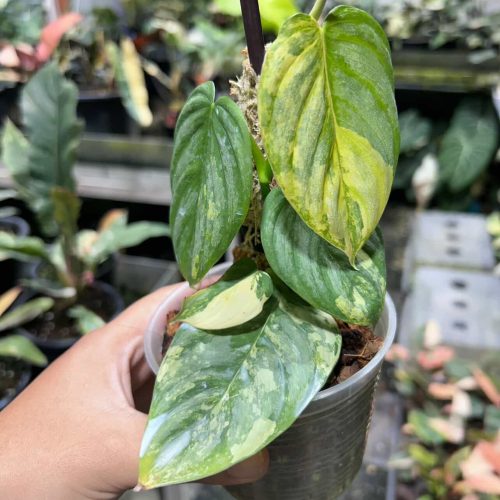
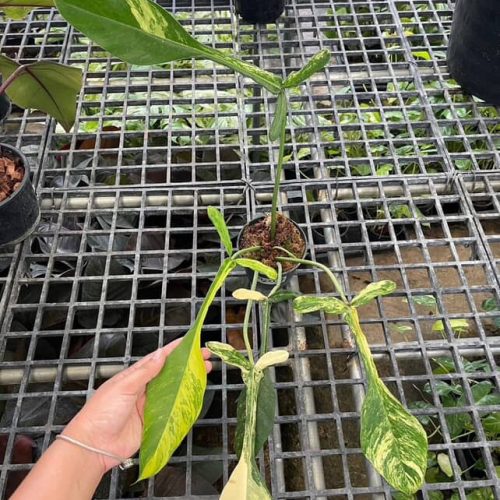
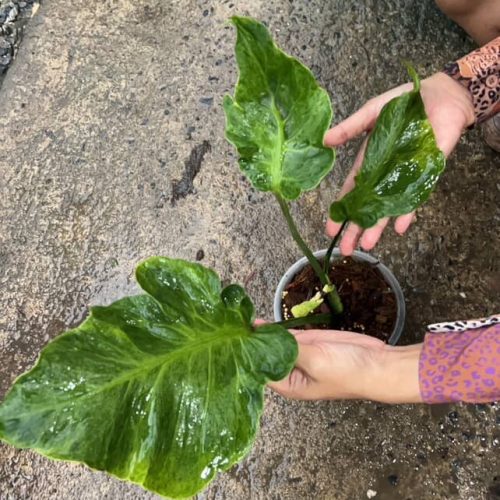
![Philodendron Red Congo Variegated [Actual plant]](https://greenboog.com/wp-content/uploads/2023/12/Philodendron-Red-Congo-Variegated-No-2-500x500.jpg)

Rare Genetic Mutation
How Variegation Occurs
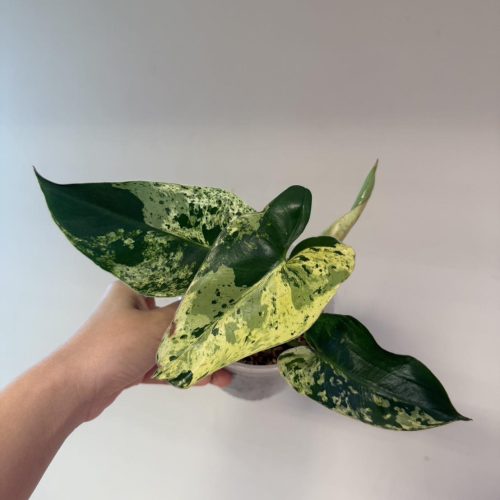
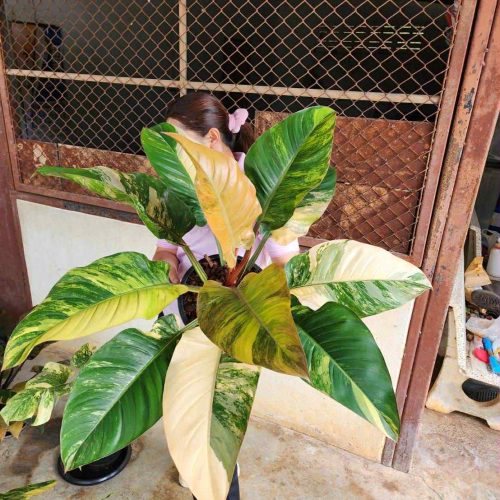
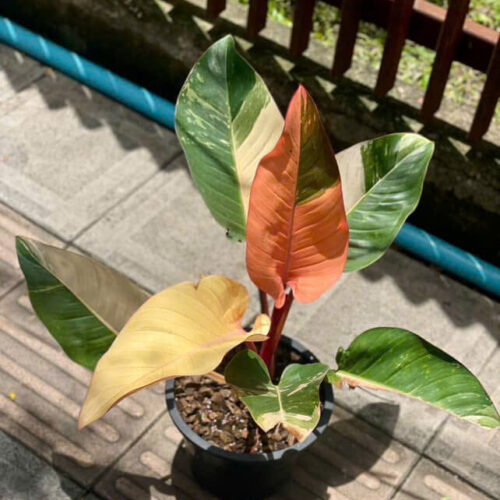
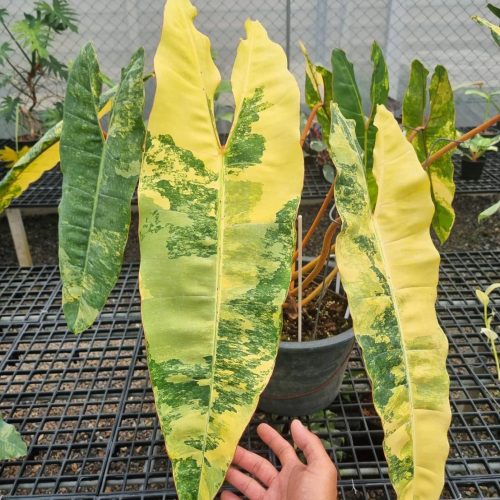
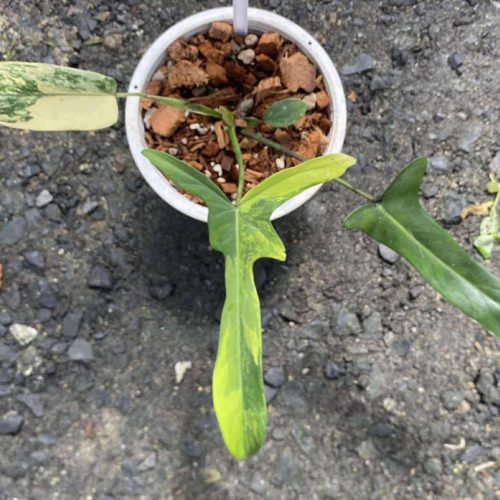
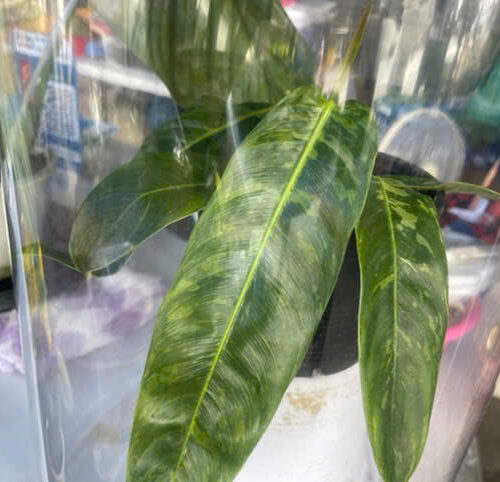
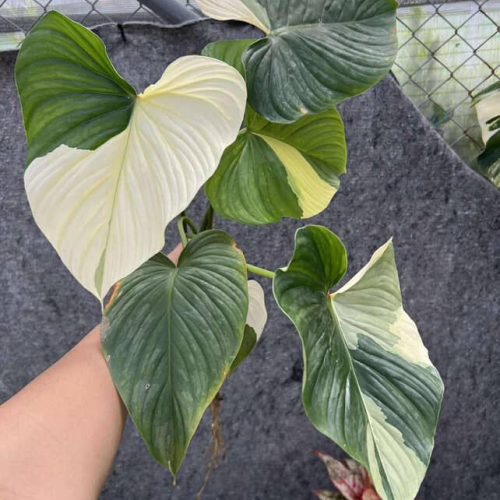
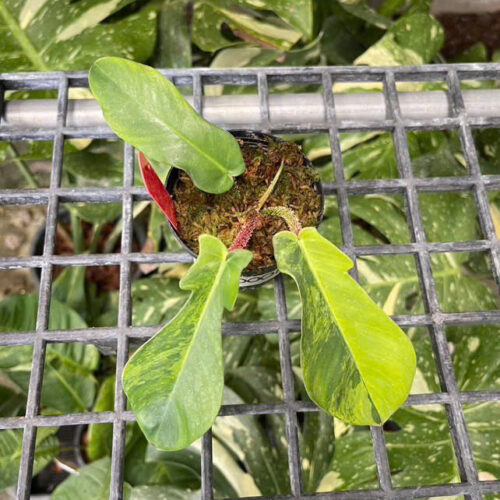
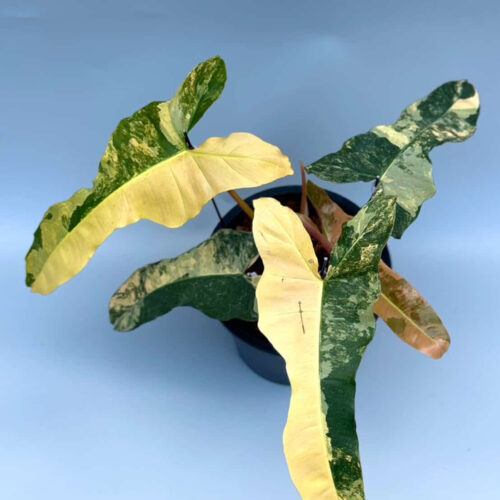
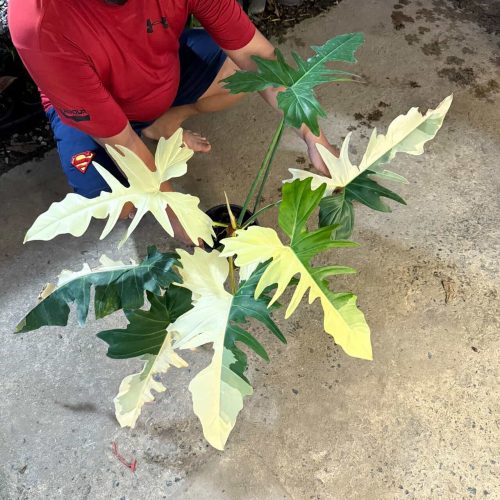
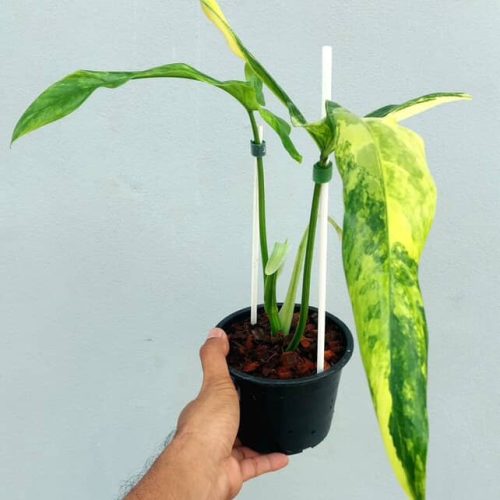
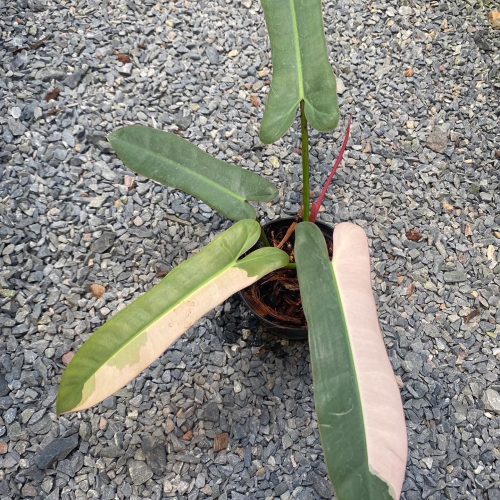
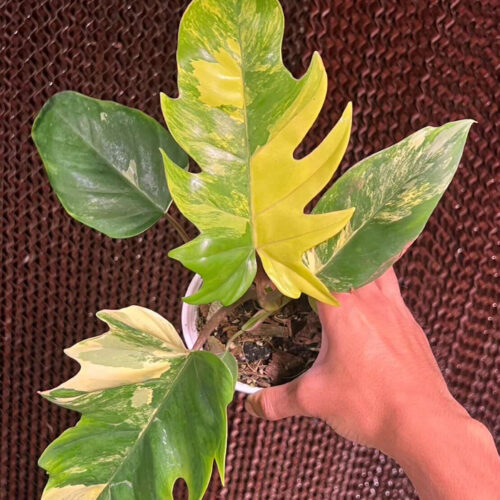
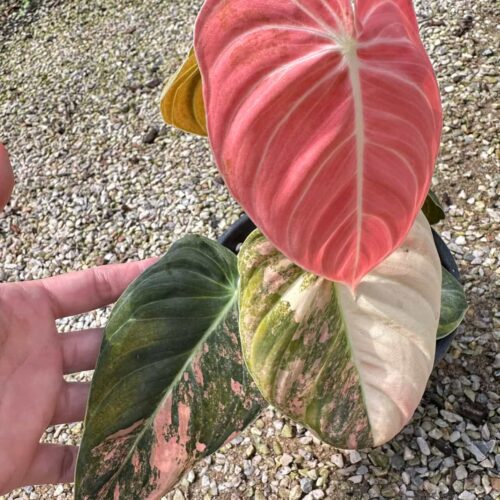
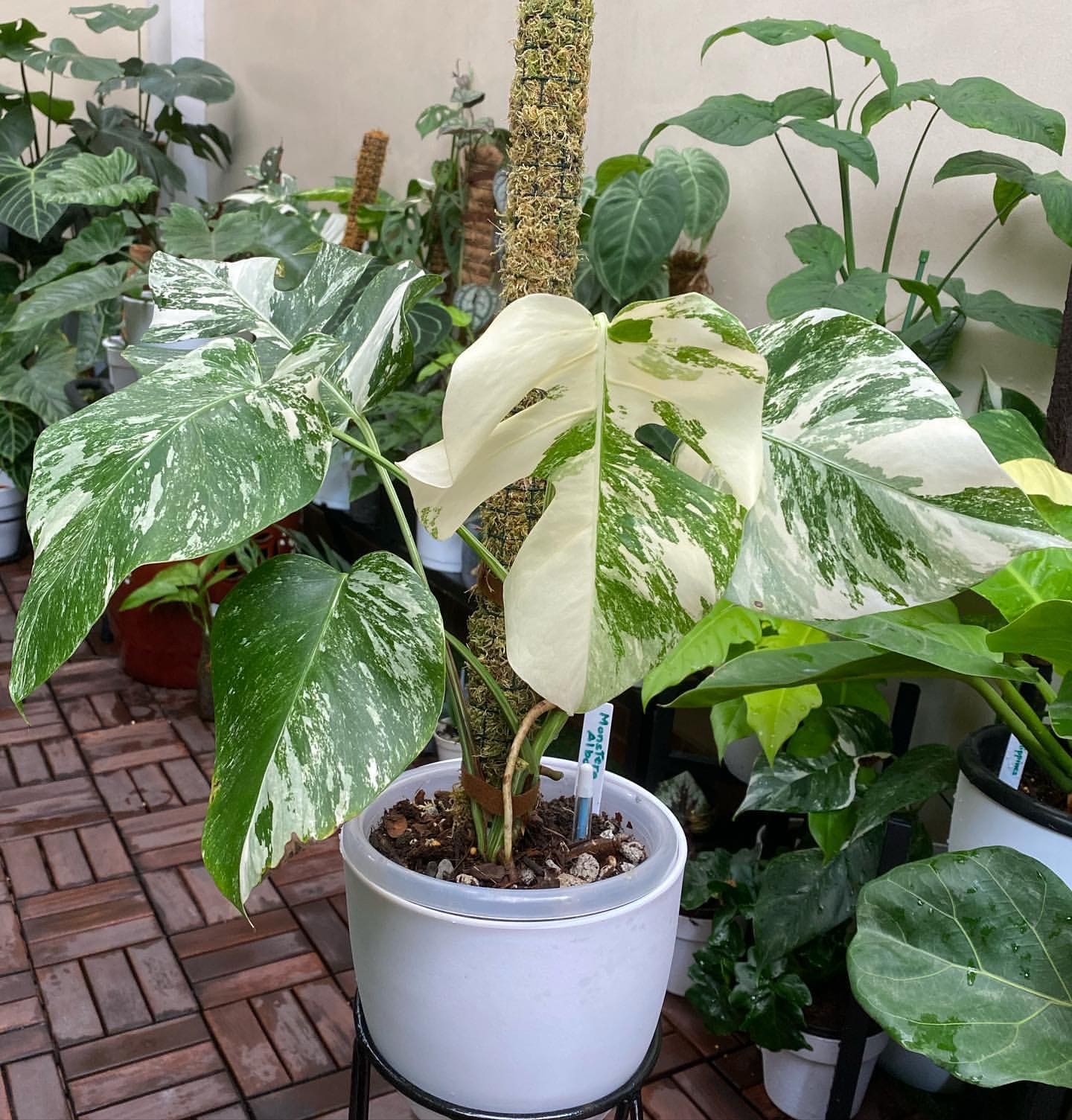
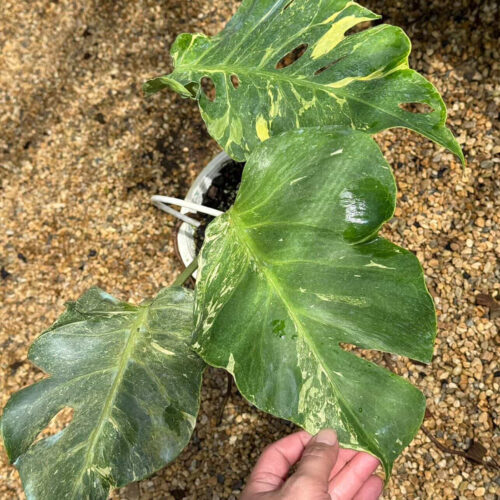
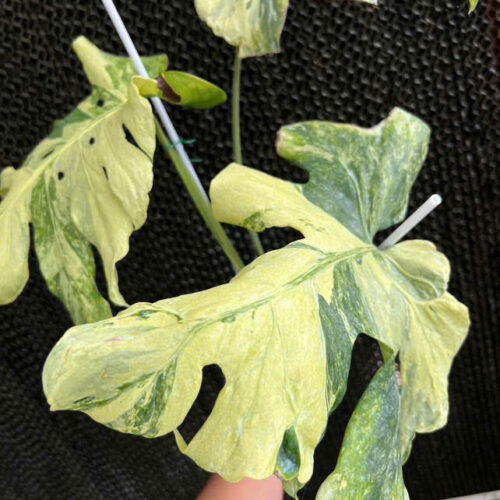
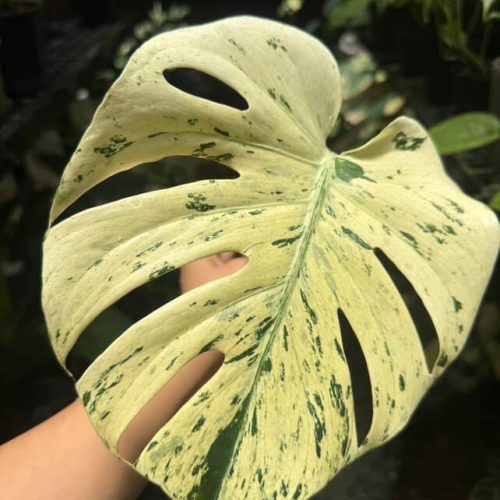
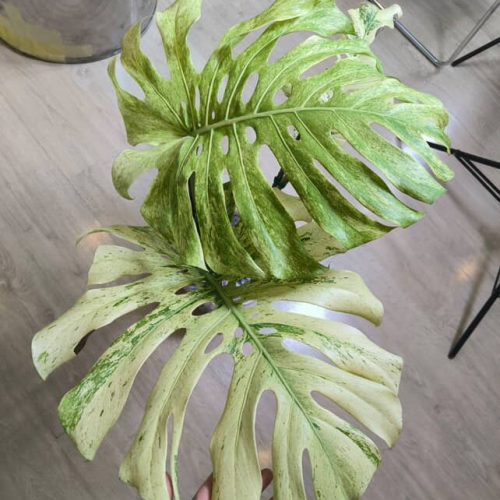
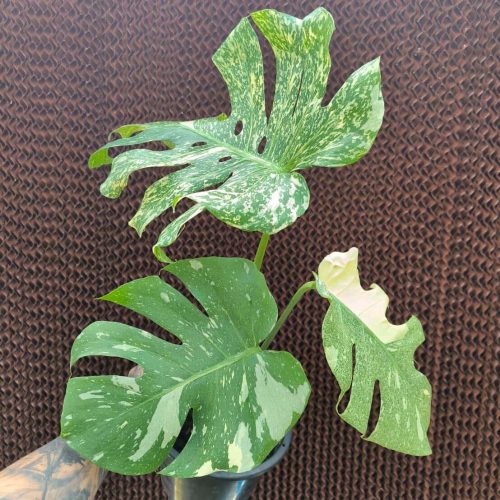
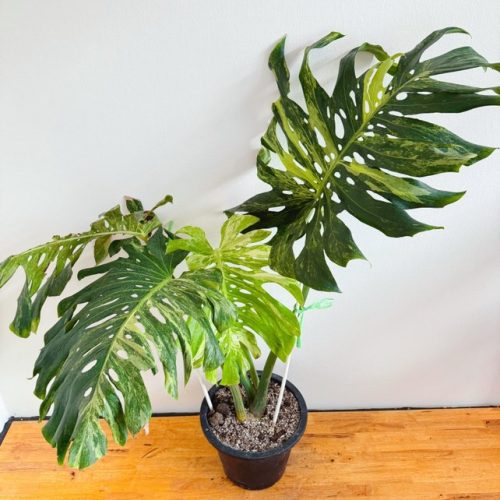
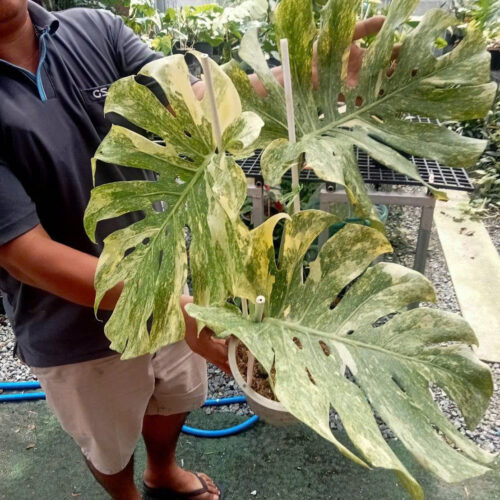
The monstera albo’s white variegation occurs due to a rare genetic mutation that causes a lack of chlorophyll in some of the plant’s cells. Chlorophyll is the green pigment responsible for photosynthesis, which allows plants to convert sunlight into energy.
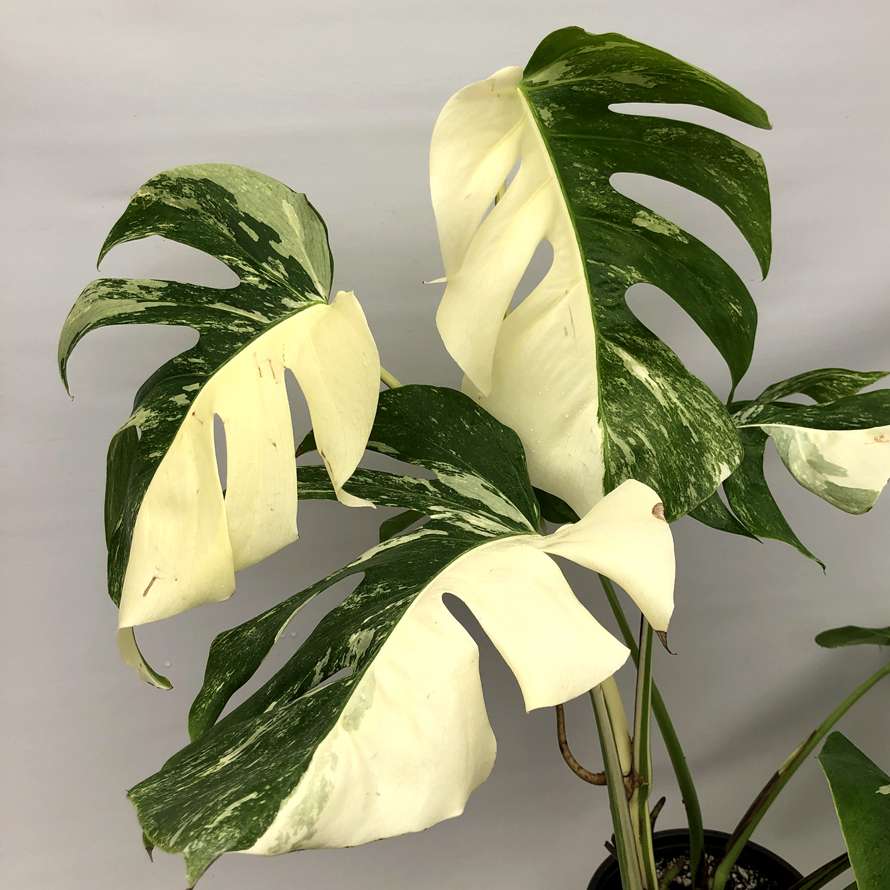
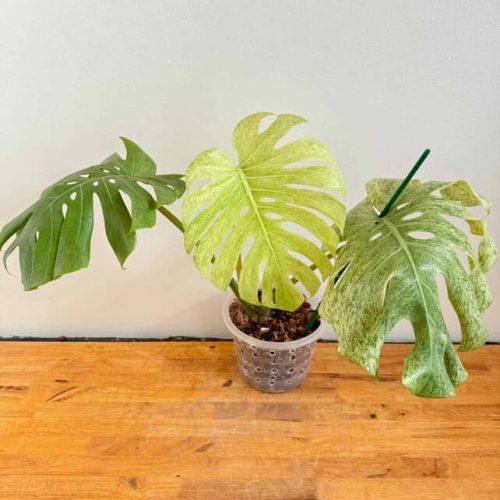
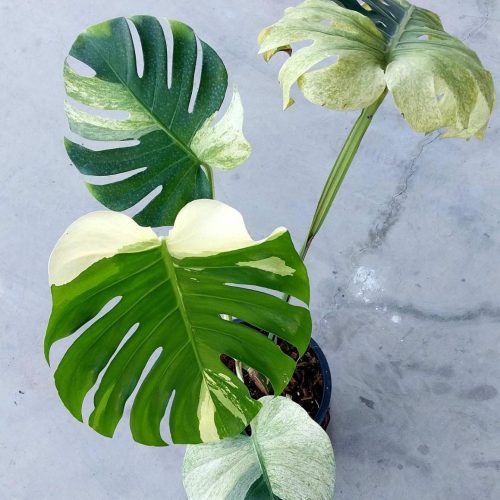
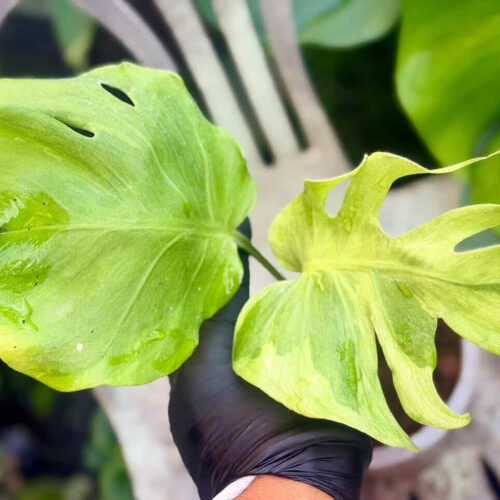
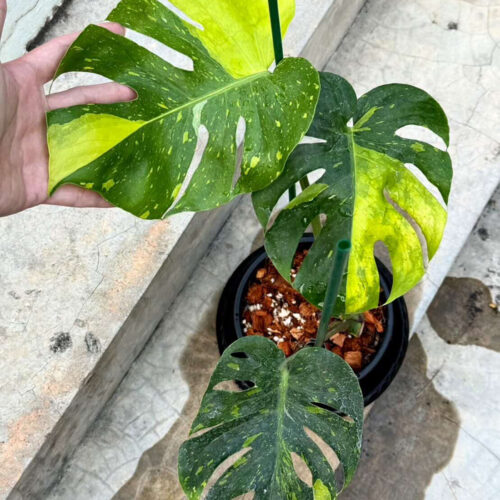
Without chlorophyll, sections of leaves appear white or pale yellow instead of green. These variegated sections can occur in different patterns, ranging from small flecks to large splashes covering most of the leaf.
“Understand the unique genetic mutation behind the Monstera Albo’s scarcity.”
A Lucky Accident of Nature
This genetic mutation happens completely at random in nature. Most monsteras produce uniformly green leaves. But occasionally, a chance mutation results in variegated offspring.
These rare albino variants thrive in the wild because they still contain some green chlorophyll to photosynthesize. However, the mutation gets passed to very few offspring, which is why genuinely variegated monsteras are uncommon even in native Central American rainforests.
Challenging to Propagate
Low Viability of Cuttings
The rarity of monsteras albo also relates to how difficult they are to propagate. As a climbing, vining plant, monstera most often reproduces asexually through stem cuttings.
But variegated monsteras have a low viability rate for cuttings rooting successfully compared to their green counterparts. Lower chlorophyll levels make it harder for unrooted cuttings to generate new growth.
Slow Growth Rate Once Rooted
In addition, rooted albo cuttings tend to grow at a glacial pace. Without abundant chlorophyll to fuel growth through photosynthesis, they put out new leaves much slower than green varieties. “Discover the slow growth patterns of Monstera Albo.”
It can take a decade or more for a small starter plant to reach maturity. The slow, hands-off pace required makes commercial farming labor-intensive and costly.
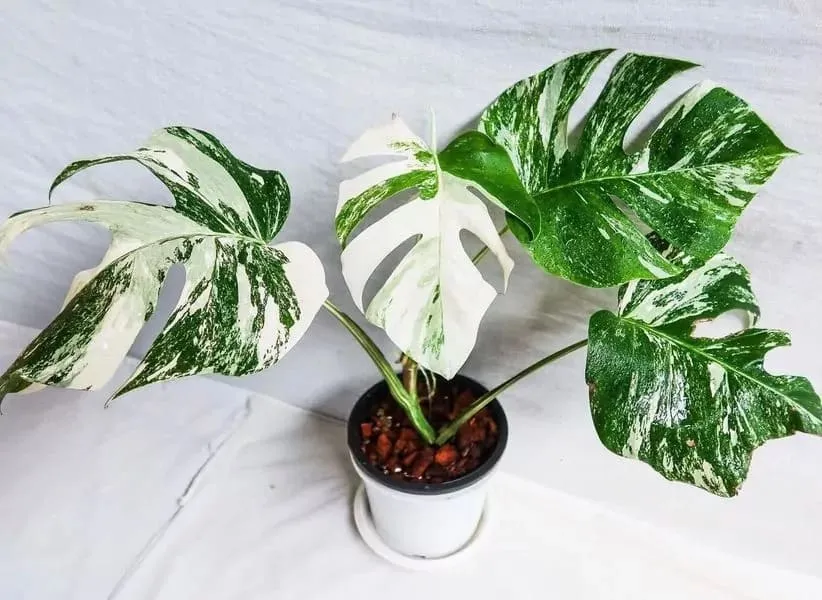
“Discover the unique charm of Monstera Albo today and elevate your space with its stunning foliage. Click to shop now and bring this exotic beauty home!”
Susceptibility to Reversion
What Causes Reversion?
Another obstacle to growing and propagating albo monsteras is their tendency to revert back to non-variegated form. With such an unstable mutation, even established variegated plants can spontaneously produce all green offspring.
Known as reversion, this tendency occurs because the variegation mutation gets switched off while new cells generate. Plants then revert back their original, non-mutated genotype with green chlorophyll production.
Hard to Predict and Control
Frustratingly for growers, there is no reliable way to prevent or predict reversion. It occurs entirely randomly, and can happen after months or years of normal variegated growth. Even cuttings taken from the same parent plant may gradually revert after rooting.
The instability of the mutation makes it impossible to fix variegation traits through selective breeding. So while tissue culture can produce genetically identical cloned plants, reversion remains a persistent threat.
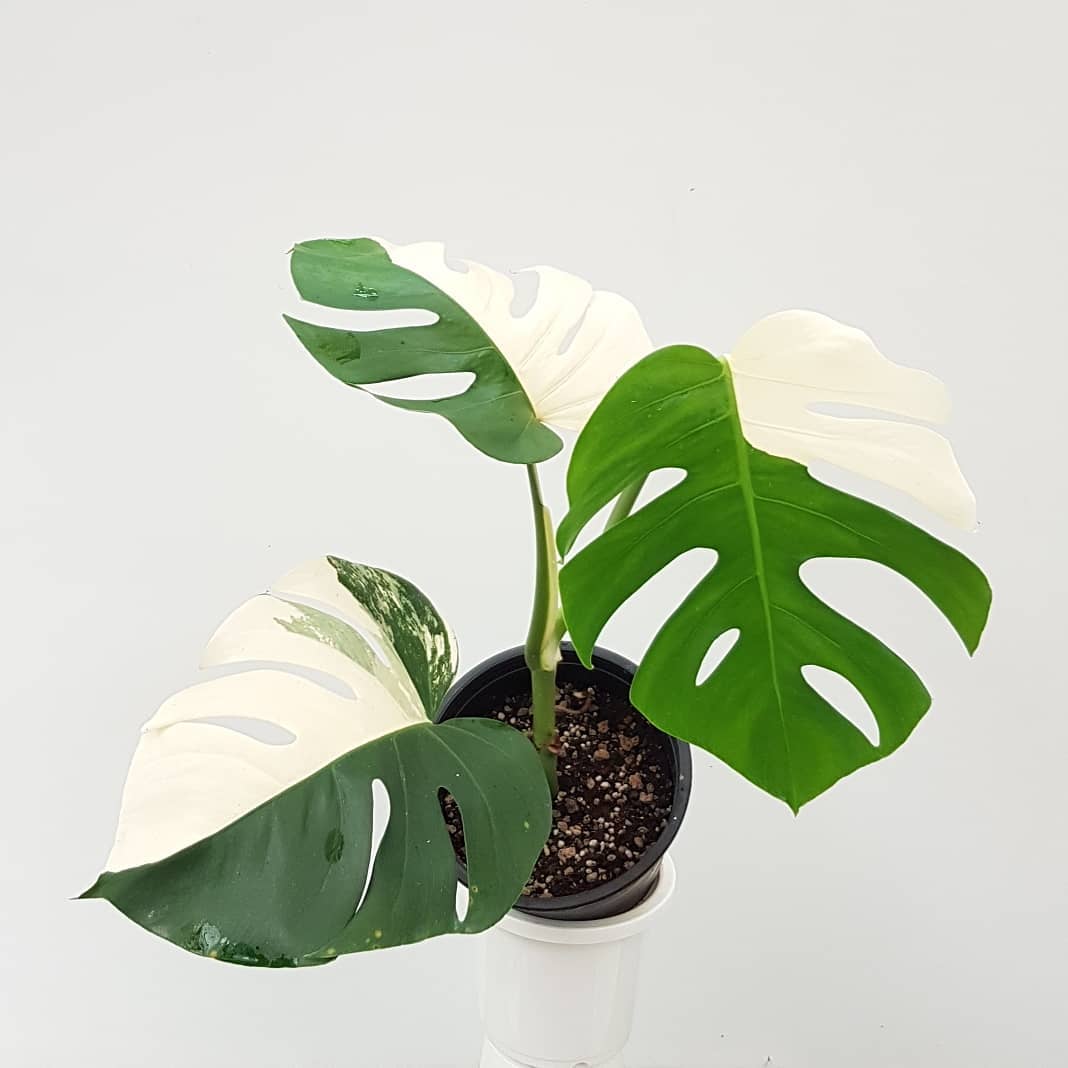
Sky-High Demand from Plant Collectors
Striking Aesthetic Appeal
Despite the difficulties of propagation, reverted cuttings and slow growth, monstera albo continues to be a treasured collector’s item. As exotic houseplants have soared in popularity in recent decades, so has desire for the rarest varieties.
Of those, monstera albo is among the most coveted thanks to its visually striking leaves. The maze-like perforations combined with bright white coloration make it an unusually beautiful variety. Its aesthetic appeal drives collector obsession in a way few other houseplants can match. “See the reasons behind the high demand for Monstera Albo.”
Supply Can’t Match Demand
Rarity itself also fuels scarcity and high prices, creating a self-perpetuating cycle. The more difficult something is to find, the more fervently collectors compete to obtain it.
Variegated monsteras are practically never found for sale at ordinary retail garden centers. Instead they sell instantly through specialty auctions and vendors, often for hundreds or thousands of dollars.
Professional propagators struggle to increase supply fast enough to meet collectors’ insatiable demand. So while monstera deliciosa itself grows wild over much of Central America, the albinistic albo variant remains largely out of reach – a white whale for houseplant fanatics.
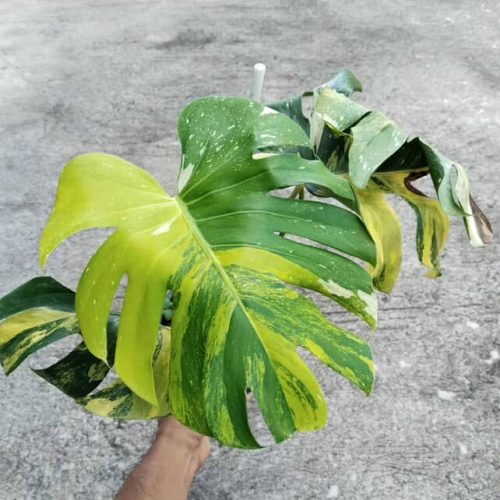
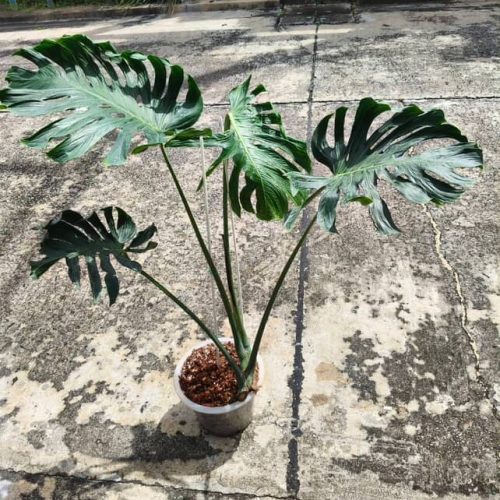
Monstera species are the most sought after by aroid plant lovers

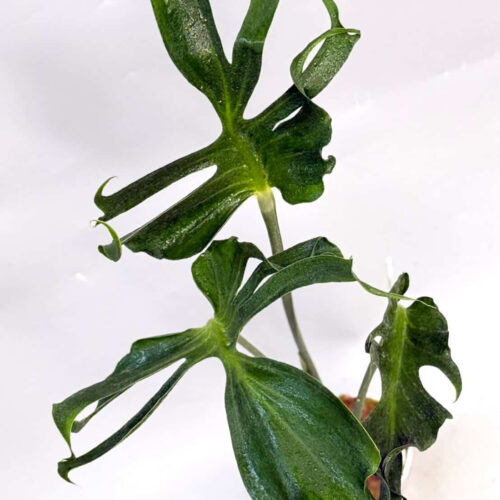
![12x Monstera Borsigiana Albo half leaves variegata [3-4 leaves]](https://greenboog.com/wp-content/uploads/2024/10/Monstera-Borsigiana-Albo-half-leaves-variegata-1-500x500.jpg)


Conclusion
The monstera albo’s ornate white variegation puts it atop many wish lists, but also leads directly to its scarcity. A rare genetic mutation that proves challenging to stabilize combined with botanical difficulties propagating make it a true collector’s item. Demand for exotic houseplants will likely only increase over time, meaning this already pricey tropical vine isn’t likely to become commonplace any time soon.
But for those willing to patiently nurture their own cutting and contend with the odds of reversion, growing monstera albo can be a labor of love. When it does produce new radiant leaves, it’s a feeling of pride for any passionate plant parent. Its rarity and natural beauty impart a feeling of getting away with something exceptionally special.
FAQ
- What makes Monstera Albo rare?
- This FAQ would address the unique characteristics of Monstera Albo, such as its variegated leaves, and explain how these features contribute to its rarity.
- How does the cultivation process affect the rarity of Monstera Albo?
- This question would explore the specific cultivation challenges, like slow growth rate and the need for precise conditions, which make Monstera Albo plants less common and more sought-after.
- Why are Monstera Albo plants more expensive than other varieties?
- Here, the discussion would focus on the factors contributing to the high cost, such as the rarity of variegation, slow propagation rate, and high demand among plant enthusiasts.
- Can I encourage variegation in my Monstera to make it an Albo?
- This FAQ would address common misconceptions about inducing variegation in Monsteras and explain the genetic nature of variegation in Monstera Albo.
- Where can I find a genuine Monstera Albo, and how can I verify its authenticity?
- This question would provide guidance on where to purchase these plants, how to avoid scams, and tips for identifying true Monstera Albo variegation.