The Rhaphidophora Hongkongensis, also known as the Hong Kong Philodendron, is a unique and stunning houseplant that is quickly gaining popularity. With its vibrant green leaves, this climbing aroid makes a wonderful addition to any indoor jungle. However, it does require some special care and attention to help it truly thrive. Read on to discover 5 expert secrets for successfully growing healthy, beautiful Rhaphidophora Hongkongensis plants.
Choose the Right Soil Mix
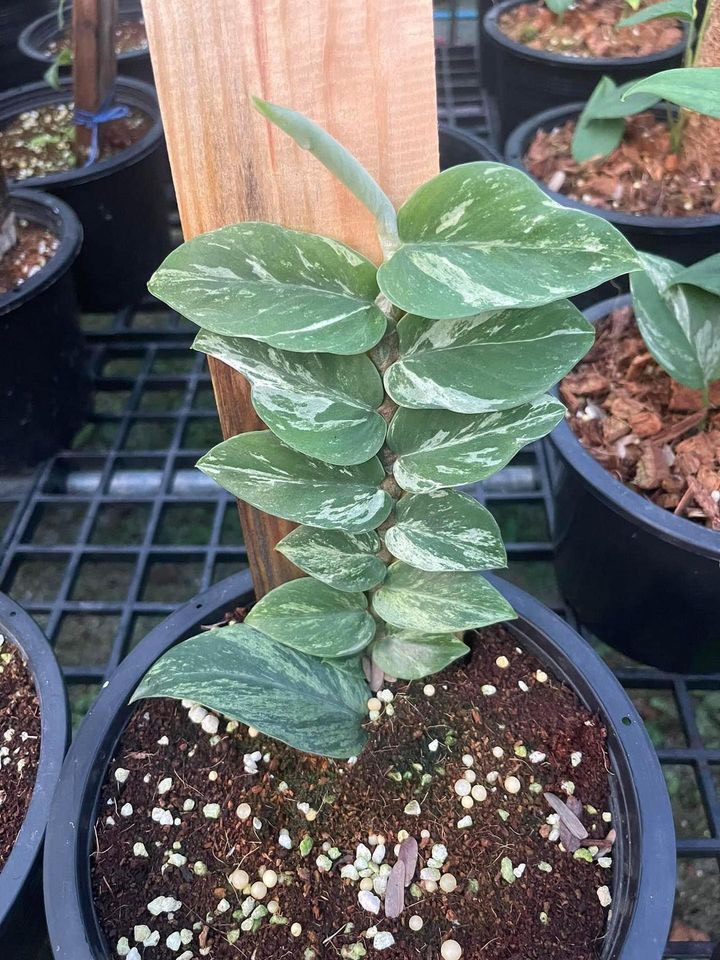
When it comes to potting mix, the Rhaphidophora Hongkongensis needs a lightweight, fast-draining soil. A dense, moisture-retentive soil will lead to root rot and decline of your plant. The ideal soil mix contains:
A Good Potting Mix Base
Use a commercial houseplant potting mix as your base. Avoid standard multi-purpose potting soils as they lack the drainage and aeration these plants need. Look for mixes made specially for tropical plants.
Added Perlite or Pumice
Mix in 30% to 50% perlite or pumice to improve drainage and airflow to the roots. These porous materials prevent compaction and water logging.
Well-draining soil allows oxygen to reach the roots while excess moisture can drain out freely. This encourages healthy white root development. Check soil moisture before watering and allow the top few inches to dry out between waterings.
“For more guidance on selecting the perfect soil for your Rhaphidophora, refer to our detailed guide on 5 best soil types to grow Rhaphidophora at home, which offers a variety of soil options ideal for these tropical plants.”
Provide Bright, Indirect Light
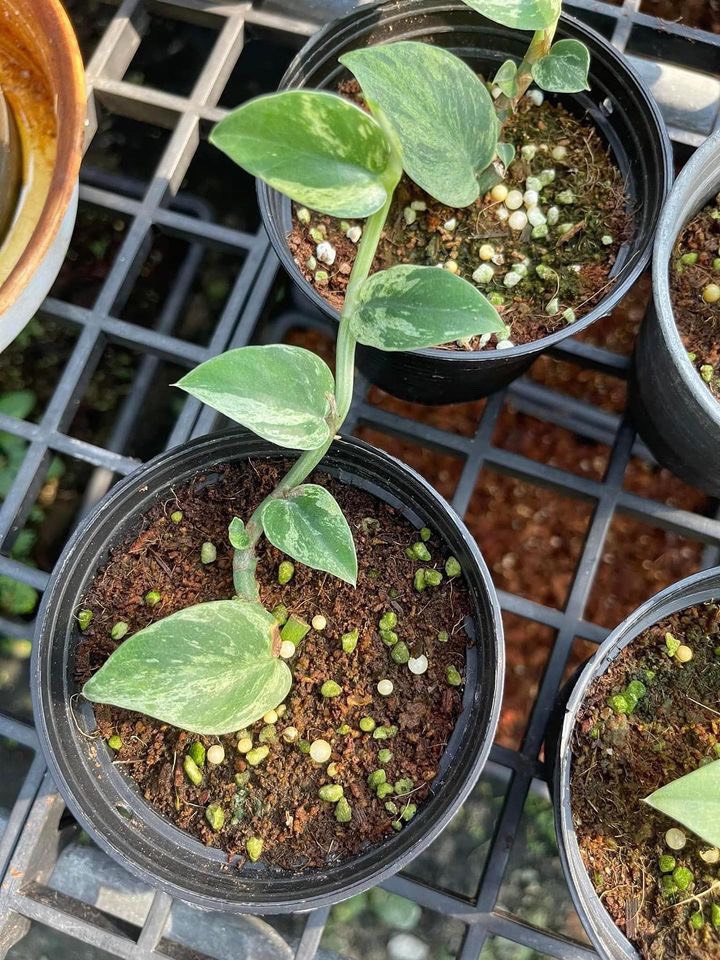
In its native habitat, the Rhaphidophora Hongkongensis grows in tropical jungle floors under the canopy of taller trees. Replicate these conditions by providing your plant with medium to bright indirect light, ideally with some direct morning sun. A north or gently east-facing window works perfectly.
Signs of Inadequate Light
Loss of vibrant leaf color, slow growth, and leggy vining are signs your plant needs more light. Move it closer to a bright window or sunshine if possible. Consider supplementing with a grow light during darker winter months.
Managing Direct Sun Exposure
While a little early morning sun is beneficial, too much direct midday/afternoon sun can scorch leaves to a crisp yellow-brown. Filter harsh sunlight with a sheer curtain and keep an eye for leaf burn.
With the right balance of medium to bright light, the foliage will remain a lush green and new growth will be full and robust.
“To understand the importance of lighting conditions for Rhaphidophora and how it affects their growth, you might find our document 5 common reasons why your Rhaphidophora leaves are turning yellow particularly helpful.”
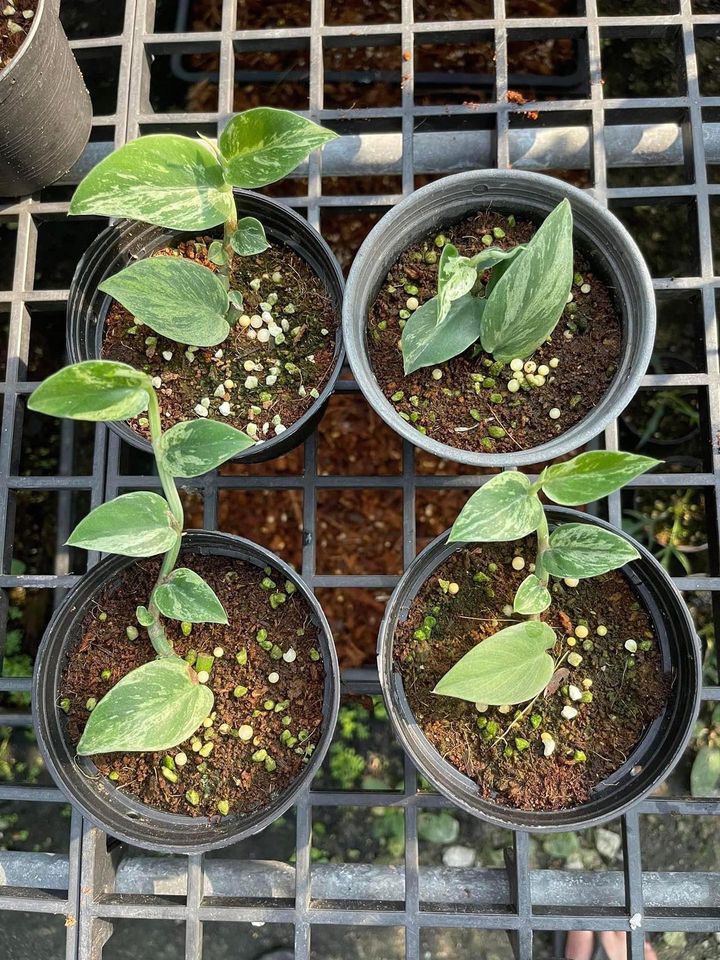
“Transform your space with the beauty of Rhaphidophora Hongkongensis! Elevate your home or office décor with this stunning tropical plant. Bring nature indoors and enjoy its lush green foliage. Don’t miss out – order yours now and experience the natural charm of Rhaphidophora Hongkongensis today!”
Maintain Higher Humidity Levels
Native to the humid tropics, the Rhaphidophora prefers moisture in the air as well as the soil. Replicate jungle humidity levels by providing at least 50% to 60% relative humidity around your plant. Consider installing a humidifier nearby, placing its pot on a pebble tray, or misting the leaves daily to supplement humidity.
Signs of Dry Air
Drooping or curling foliage, leaf scorching around the edges, and slowed growth all indicate your plant needs more humidity. Boost moisture levels right away when you notice these signs of distress.
Avoiding Disease from Excess Moisture
While humidity is important, take care not to overdo it. Poor air circulation and consistently wet foliage leads to fungal and bacterial leaf spot diseases. Allow leaves to fully dry between mistings and water carefully to avoid splashing. A gentle breeze from a small fan provides good air movement without drying things out too much.
Use a Support Structure for Optimal Growth
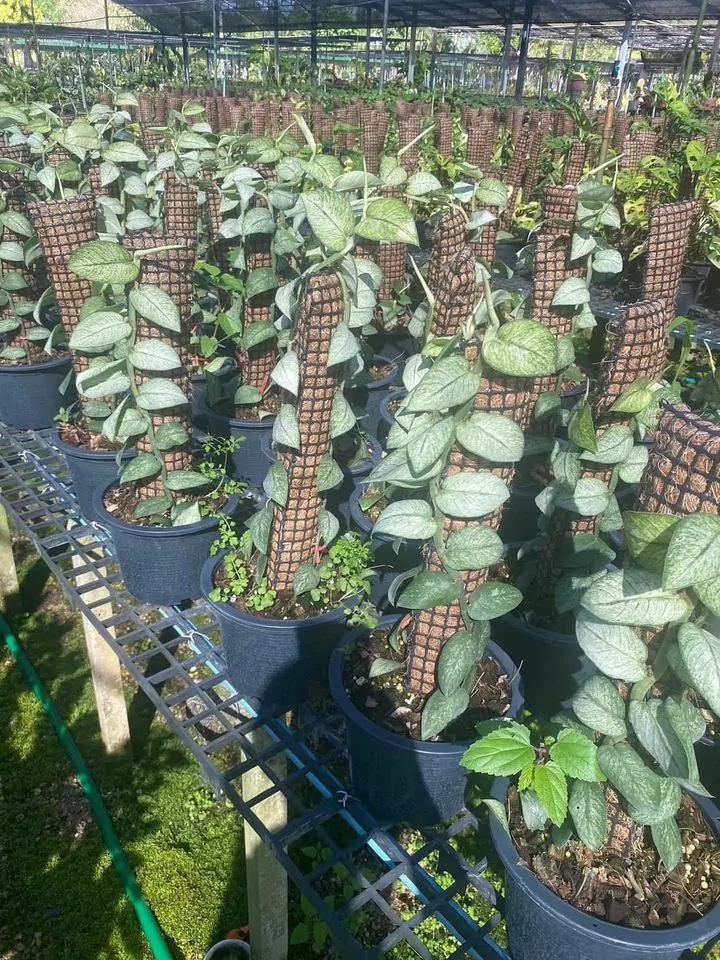
In nature, Rhaphidophora creep up the trunks and branches of their host trees towards sunlight. Allow your plant the vertical height it wants by providing a moss pole, coconut coir totem, or other trellis support early on. Tie new growth gently to the support using wide plant ties or soft twine.
Prevent Getting Out of Hand
Without proper staking and pruning, Rhaphidophora sends shoots every which way in search of something to climb. This leads to a long, unwieldy plant that takes over your living space. Careful tying and occasionally trimming long sections keeps growth tidy and manageable.
Mature Form Takes Years
While Rhaphidophora are fast climbers once established, don’t expect yours to achieve that full jungle canopy effect right away. It takes several years of consistent care and vertical growth for these plants to reach mature size. But the wait is worth it!
“To delve deeper into the growth habits and natural climbing tendencies of Rhaphidophora, check out Discover the Fascinating World of Rhaphidophora Varieties, which offers insights into various species of this plant genus.”
Fertilize Lightly and Consistently
Like all plants, the Rhaphidophora Hongkongensis needs nutrients to look and grow its best. But it’s also sensitive to fertilizer salt build ups if overfed. Stick to a weak dilution of high quality houseplant food once a month during active growing seasons.
Slow Release Options
Consider mixing a slow release granular fertilizer into the potting mix, following label rates carefully. These provide a slow feed for 6 months or so. You can supplement with periodic liquid feeding as well.
Flushing Salt Buildup
If leaf tips appear burnt or growth stalls, leach excess fertilizer salts by thoroughly watering the pot until a good amount drains from the bottom hole. Allow soil to partially dry out before resuming normal watering schedule. Then resume a more cautious feeding routine.
With the proper care outlined here, your Rhaphidophora Hongkongensis will transform into a spectacular living curtain of deep green leaves within a few years. Just be sure to give it the specific conditions it needs and avoid overwatering. The results will be well worth it!
“For additional advice on nurturing your Rhaphidophora, including fertilization tips, take a look at our helpful document How to Grow Rhaphidophora in 5 Easy Steps.”
Conclusion
Caring for the unique Rhaphidophora Hongkongensis plant brings the vibrancy of the jungle right into your living space. By choosing an appropriate potting mix, providing bright indirect light and humidity, staking it for support early on, and fertilizing carefully, you can help your plant thrive for years to come. Pay close attention to proper soil moisture and drainage and you’ll be rewarded with vigorous vines and lush cascading foliage. Follow these fundamental secrets and you’ll soon have your own jungle canopy showpiece at home.
FAQ
- What is Rhaphidophora Hongkongensis?
- Rhaphidophora Hongkongensis is a species of tropical climbing plant that belongs to the Araceae family. It is known for its attractive foliage and is often grown as a decorative indoor or outdoor plant.
- How do I care for Rhaphidophora Hongkongensis?
- To care for Rhaphidophora Hongkongensis, provide it with bright, indirect light, well-draining soil, and regular watering. Keep the humidity levels high and avoid direct sunlight, as it can scorch the leaves. Prune it occasionally to encourage healthy growth.
- Is Rhaphidophora Hongkongensis safe for pets?
- Rhaphidophora Hongkongensis is generally non-toxic to pets like cats and dogs. However, it’s always a good practice to keep pets away from houseplants to prevent any accidental ingestion.
- How can I propagate Rhaphidophora Hongkongensis?
- You can propagate Rhaphidophora Hongkongensis through stem cuttings. Simply cut a healthy stem with a few nodes, place it in water or soil, and wait for roots to develop. Once roots are established, you can transplant the cutting into a larger pot.
- What are common pests and diseases that affect Rhaphidophora Hongkongensis?
- Rhaphidophora Hongkongensis can be susceptible to pests like spider mites, mealybugs, and aphids. It may also develop fungal issues if overwatered. Regularly inspect your plant for signs of pests or disease and treat them promptly with appropriate measures like insecticidal soap or neem oil.