



Monstera
Showing 41–80 of 88 results
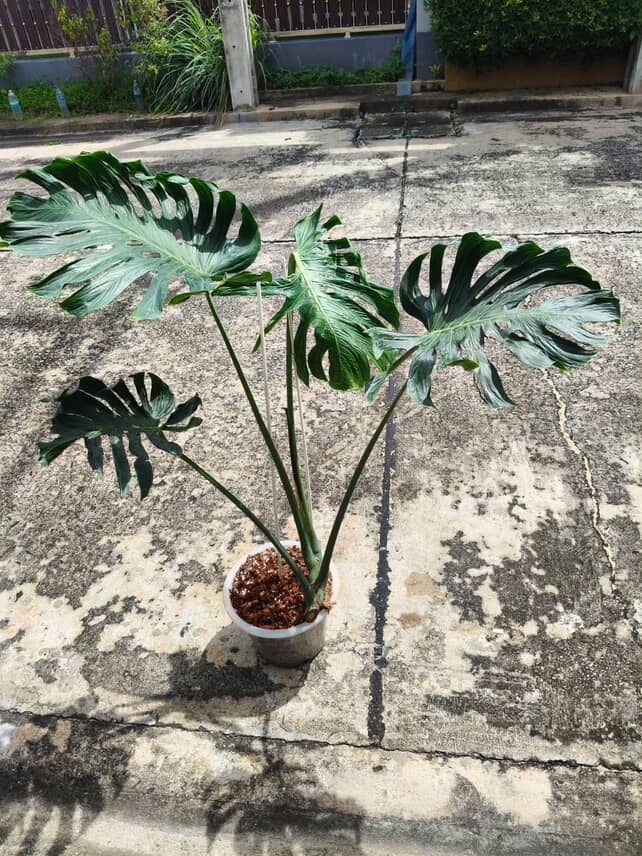
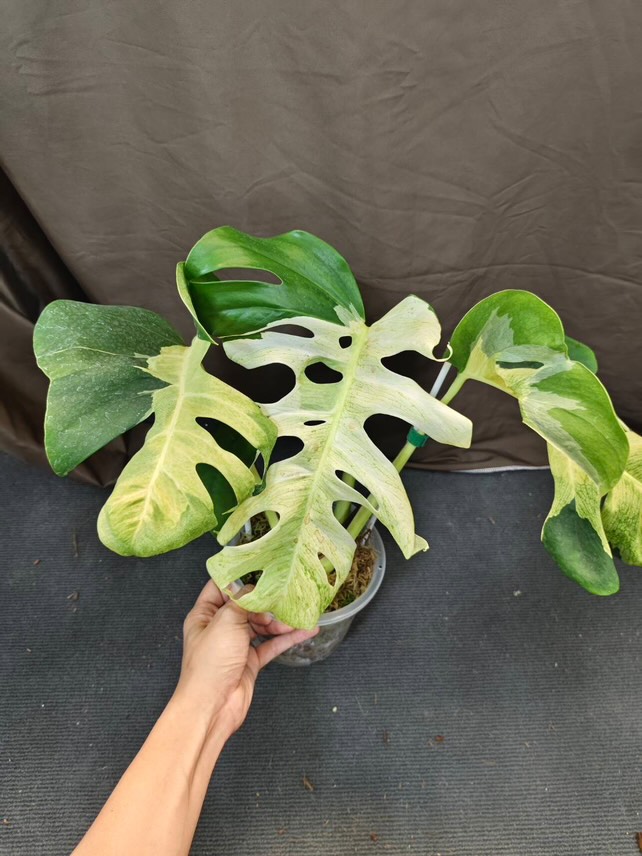
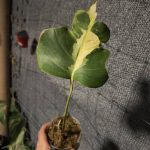
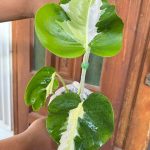
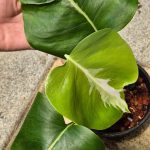
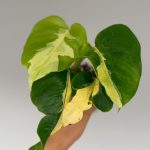
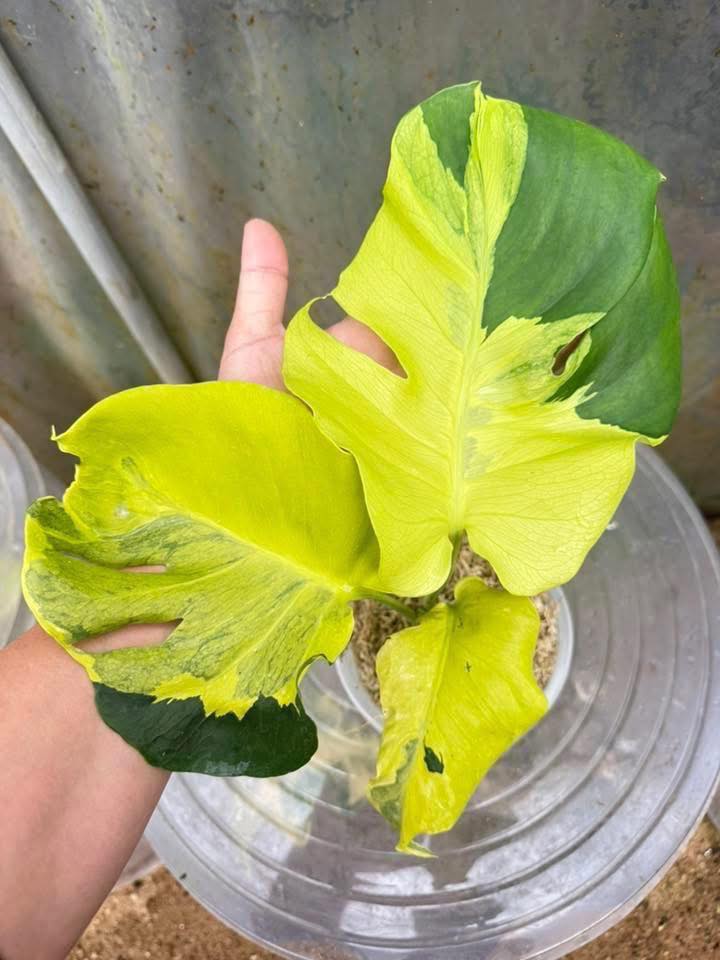
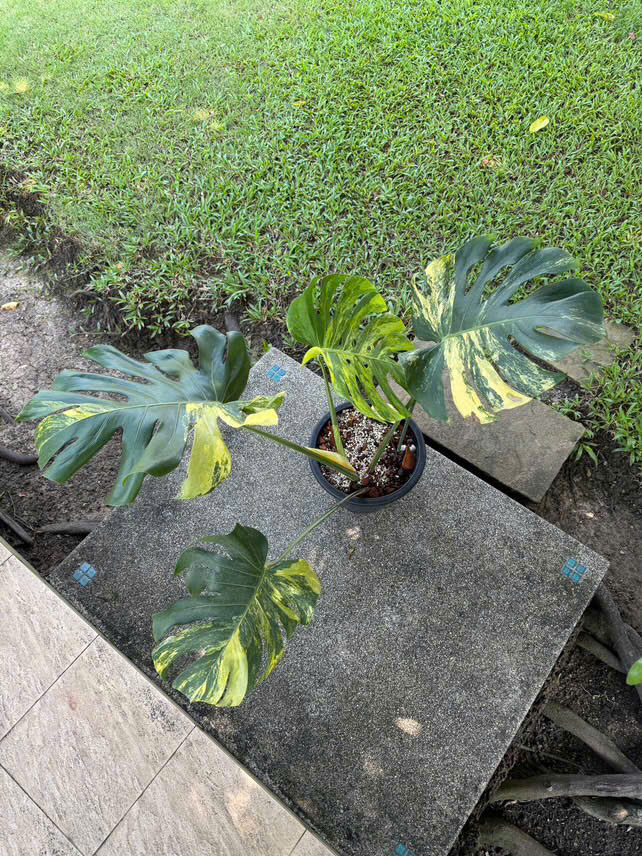
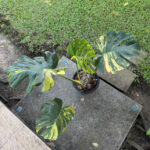
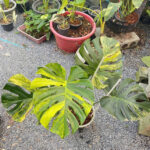

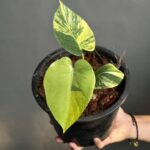
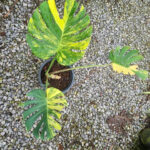

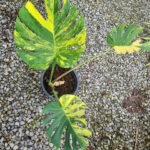
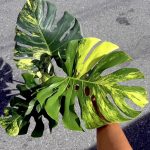
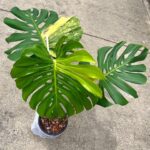
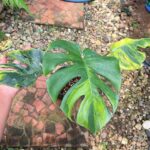


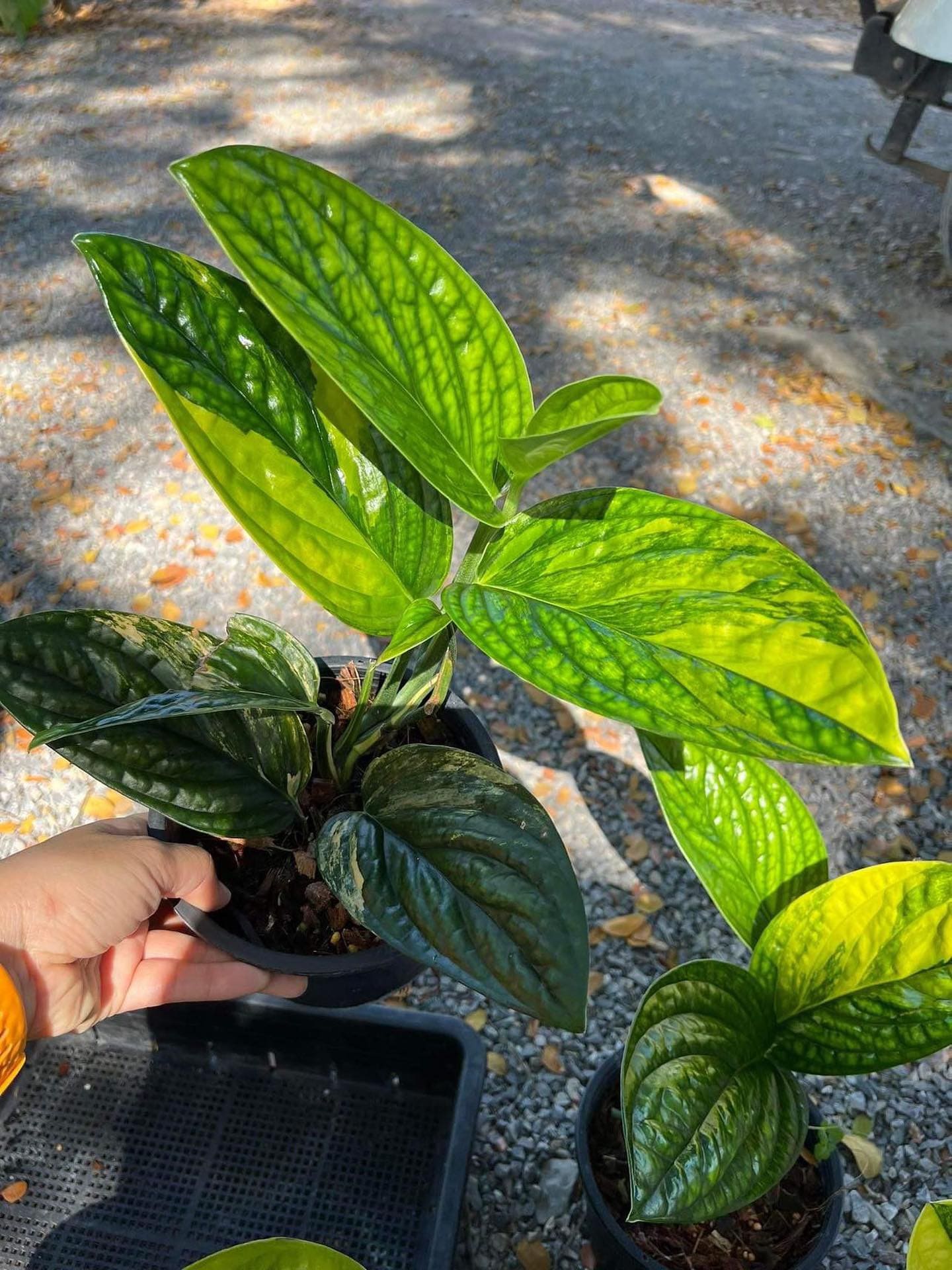
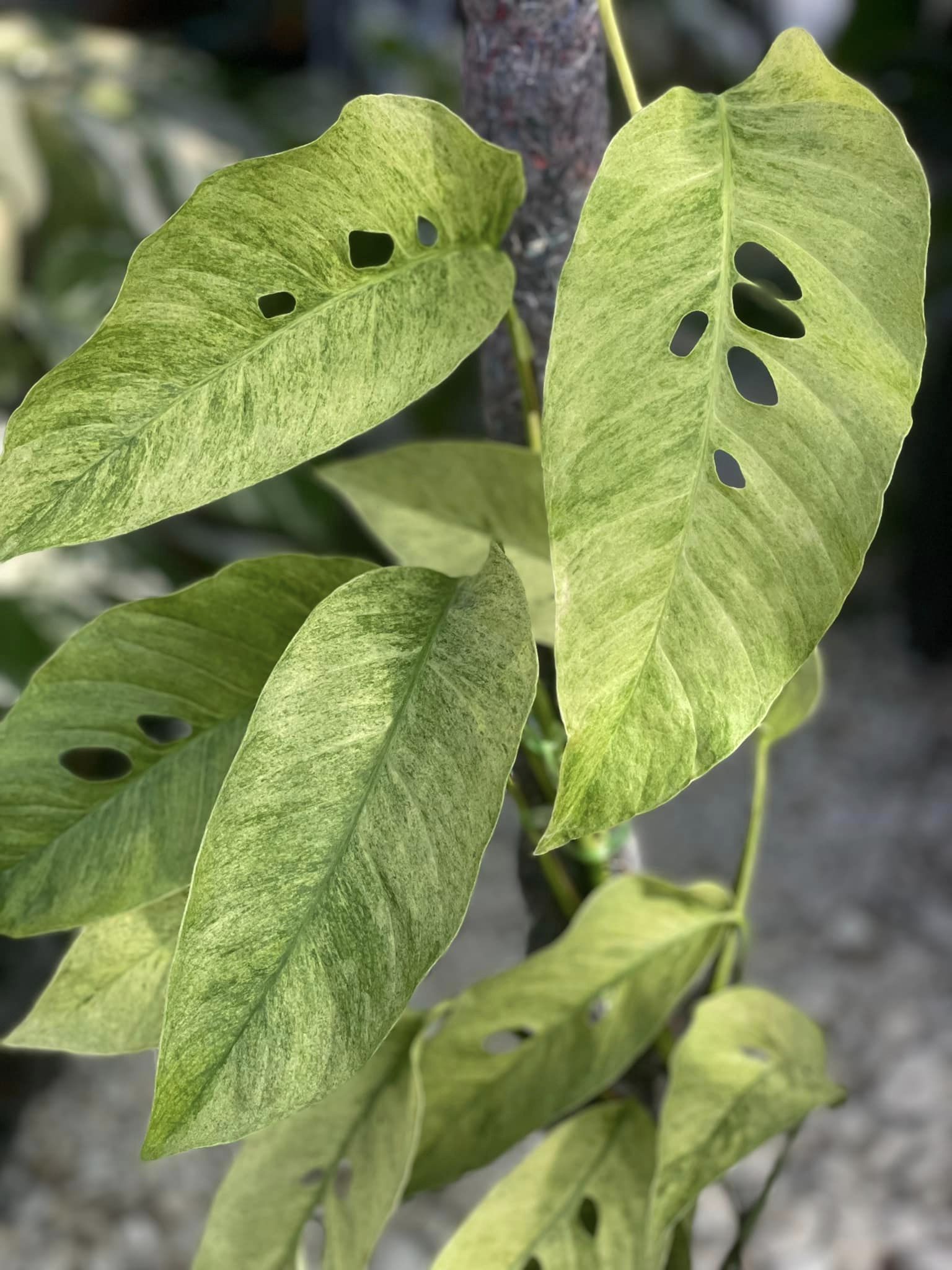
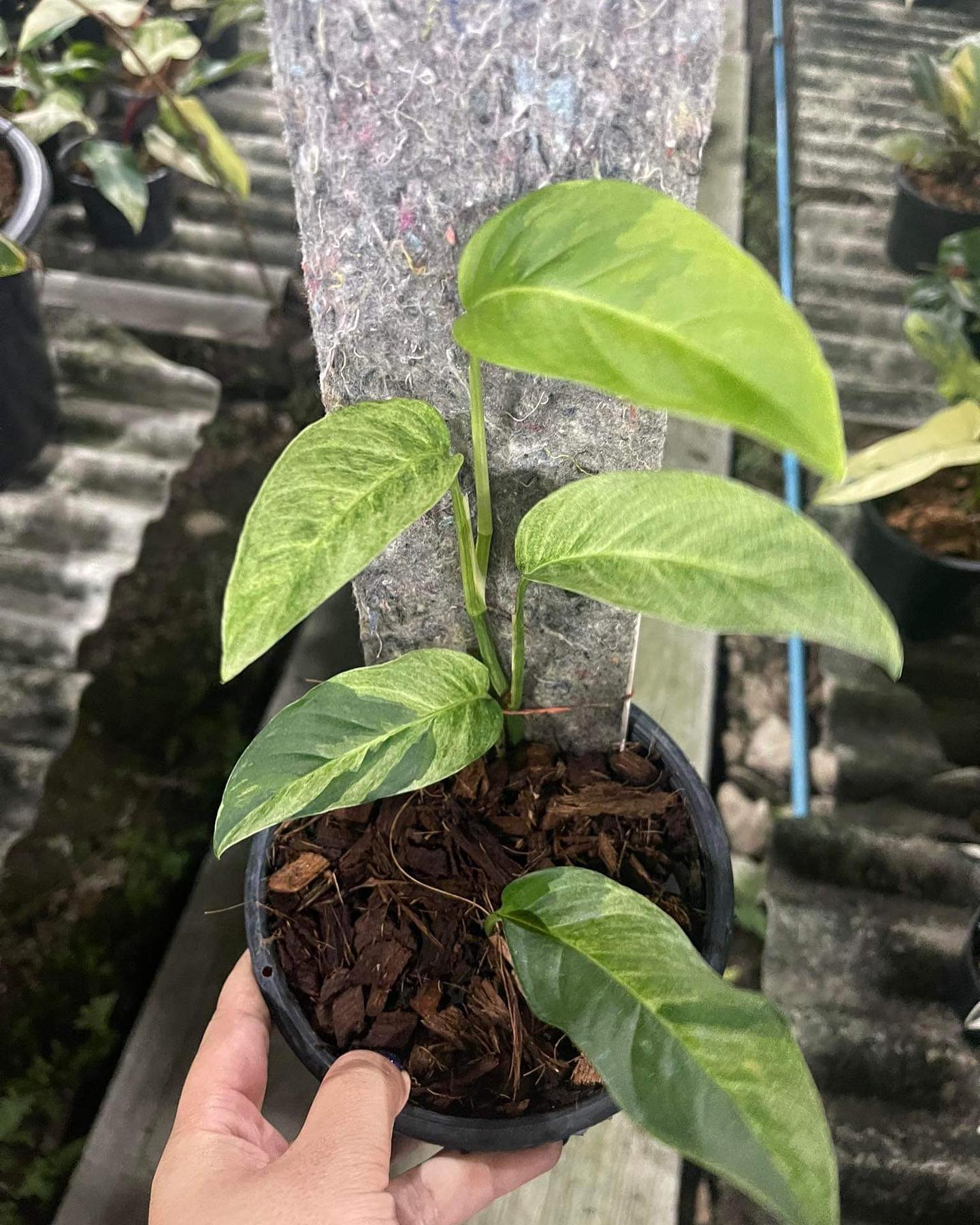


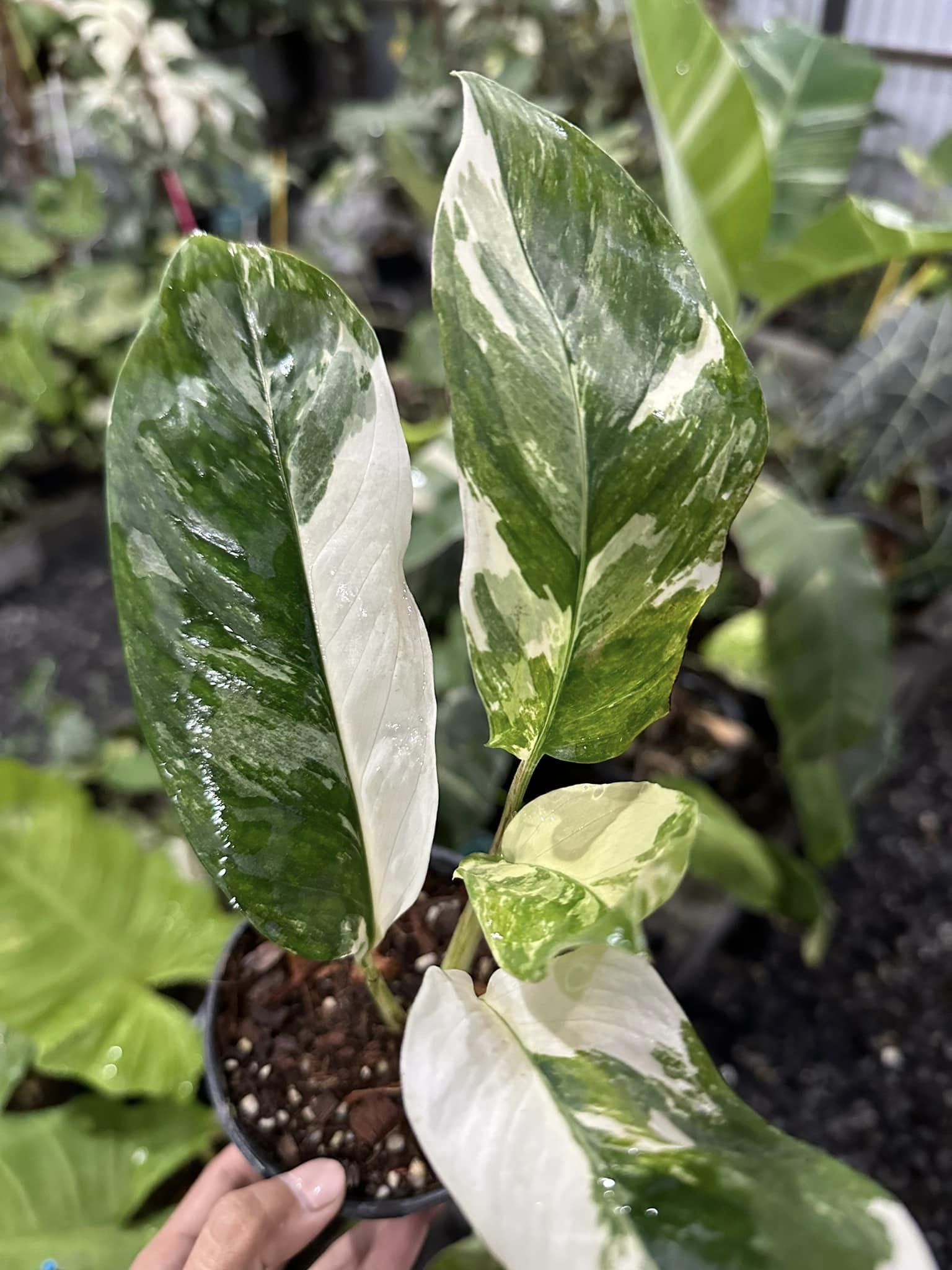
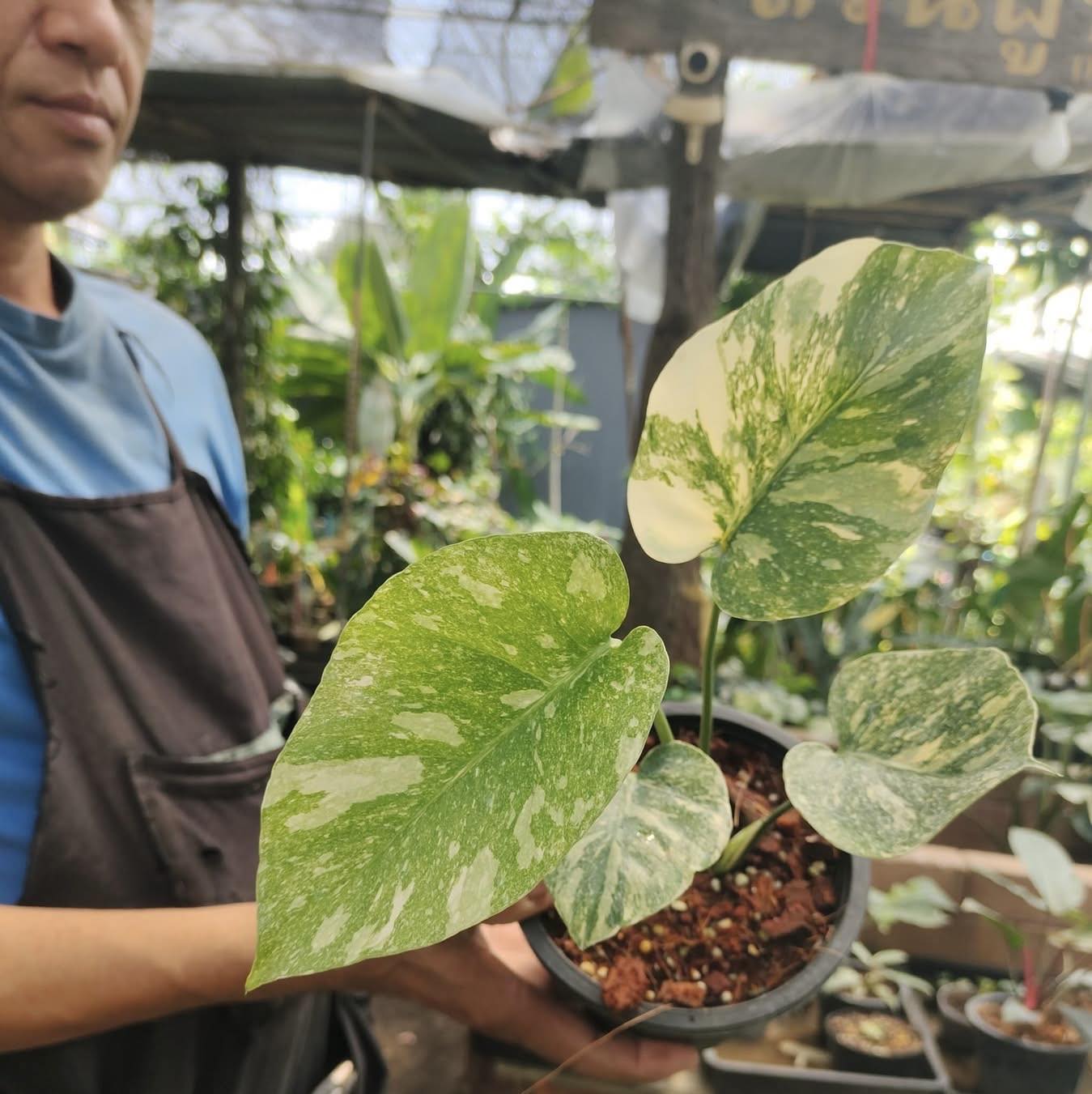
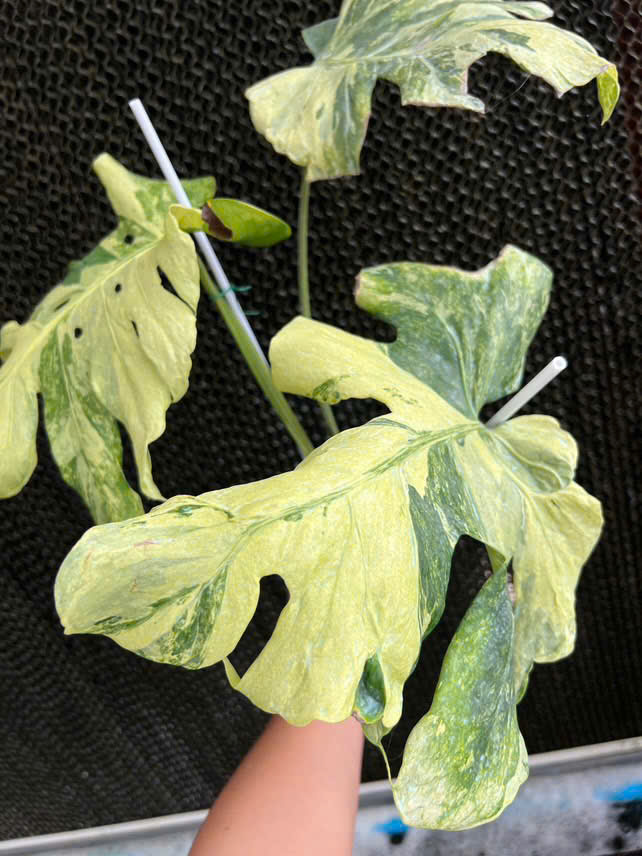
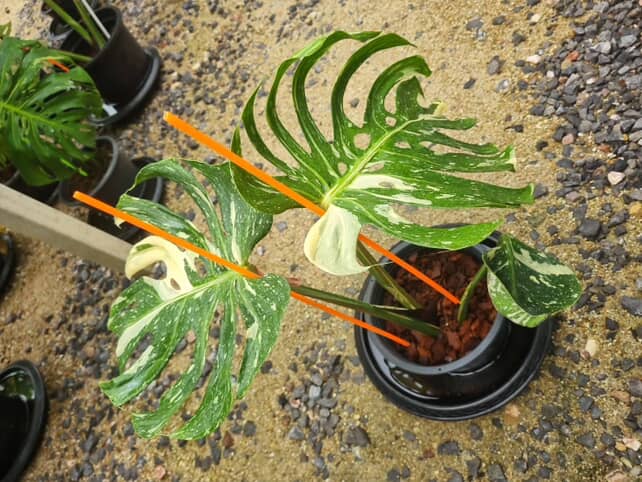
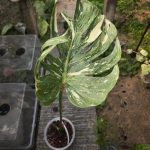
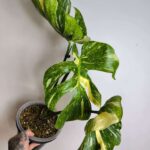
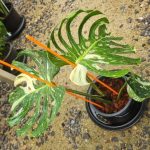

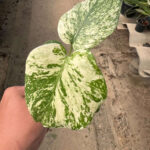
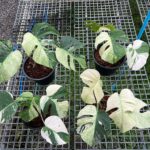
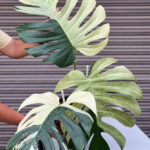
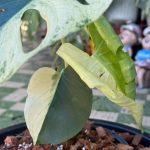
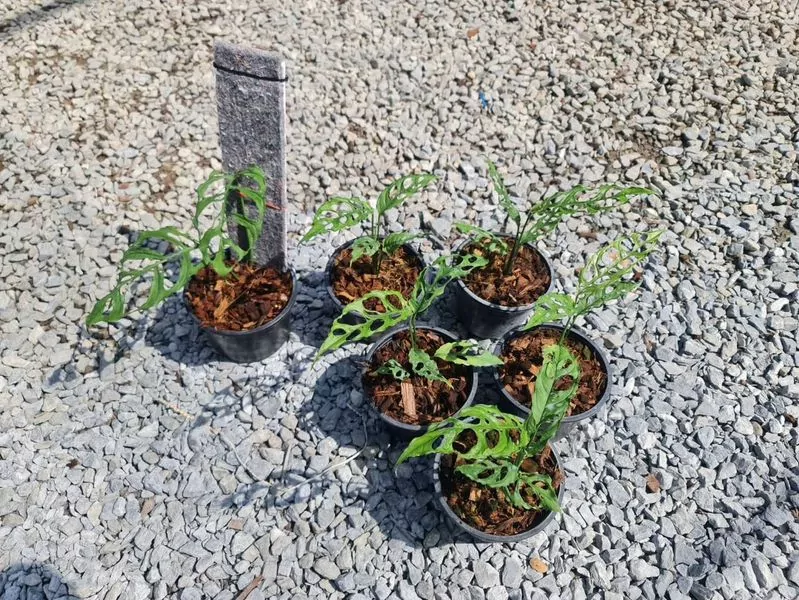
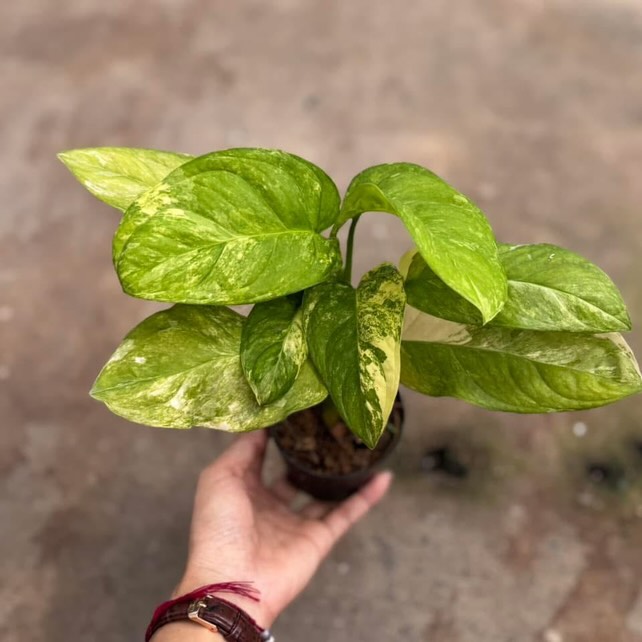

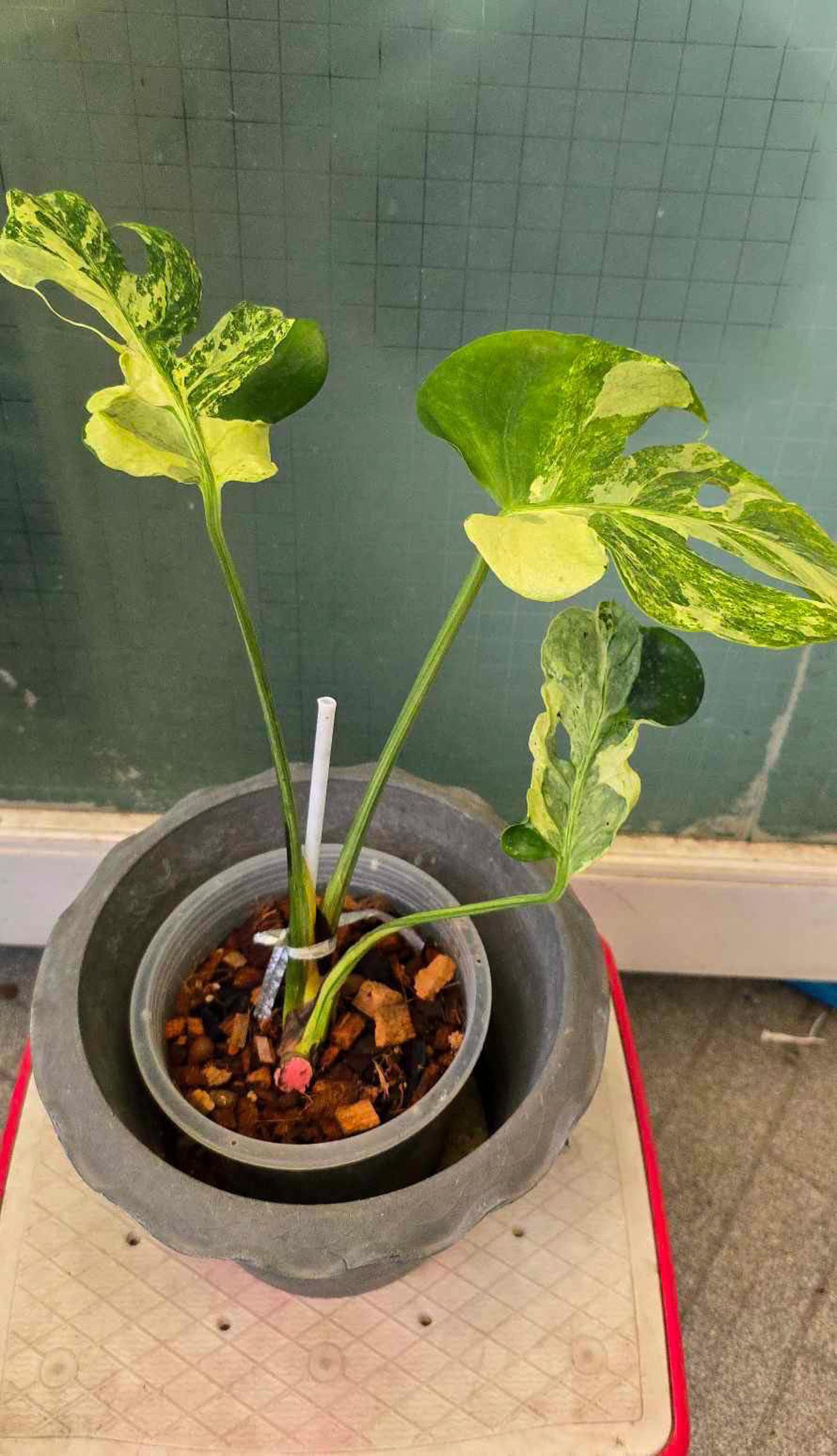
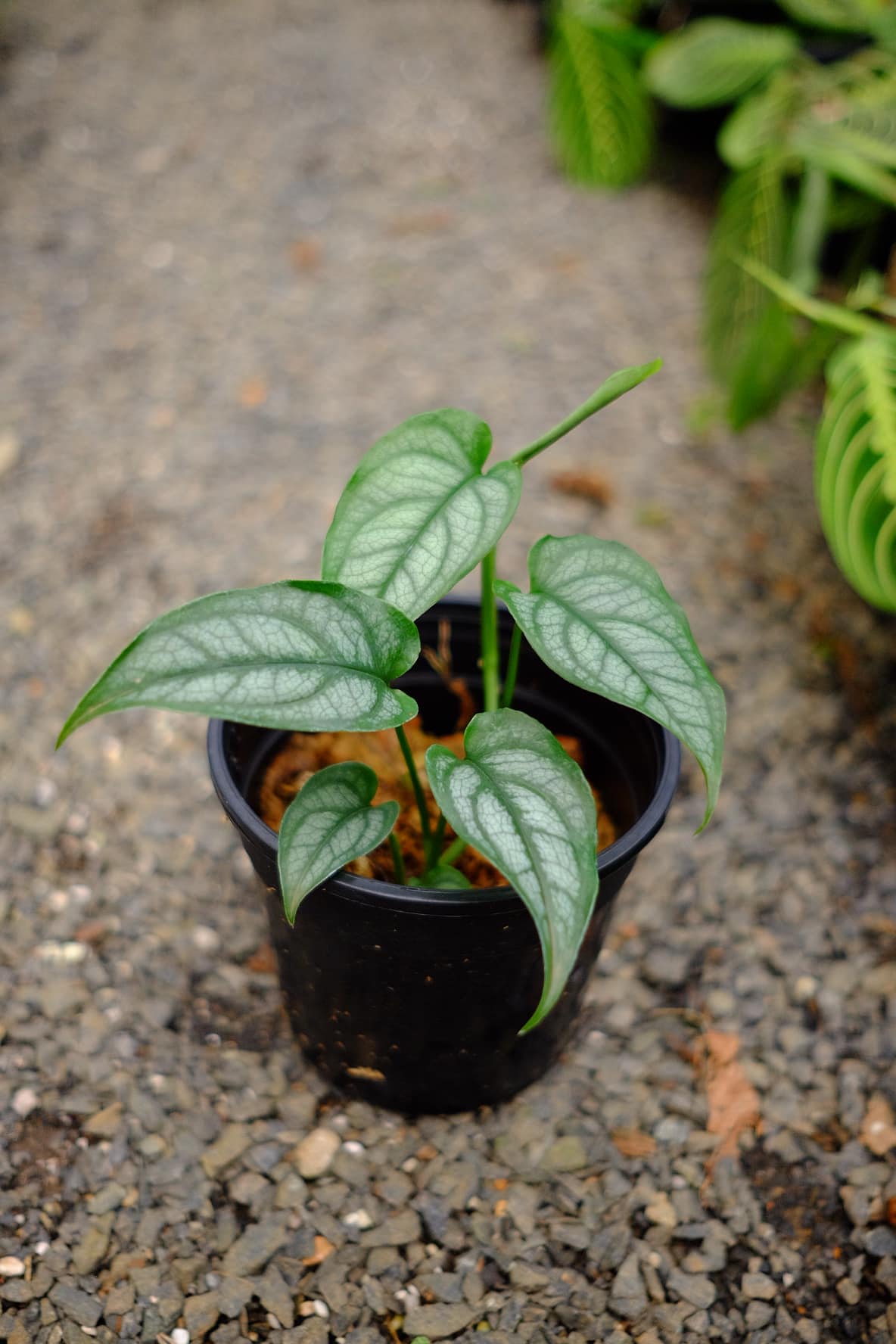
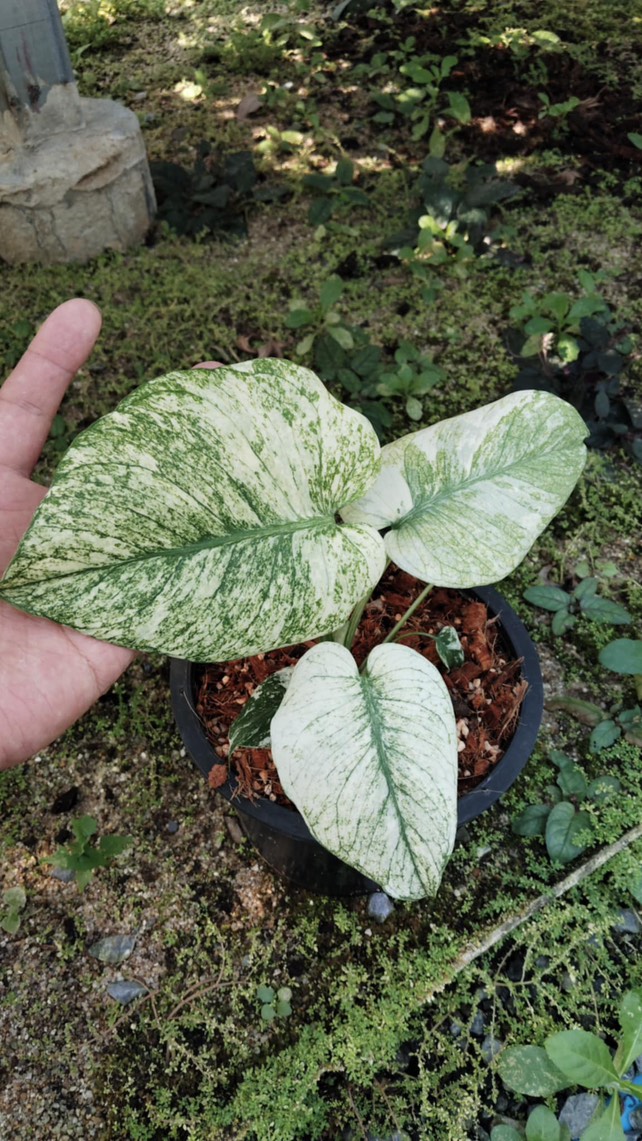
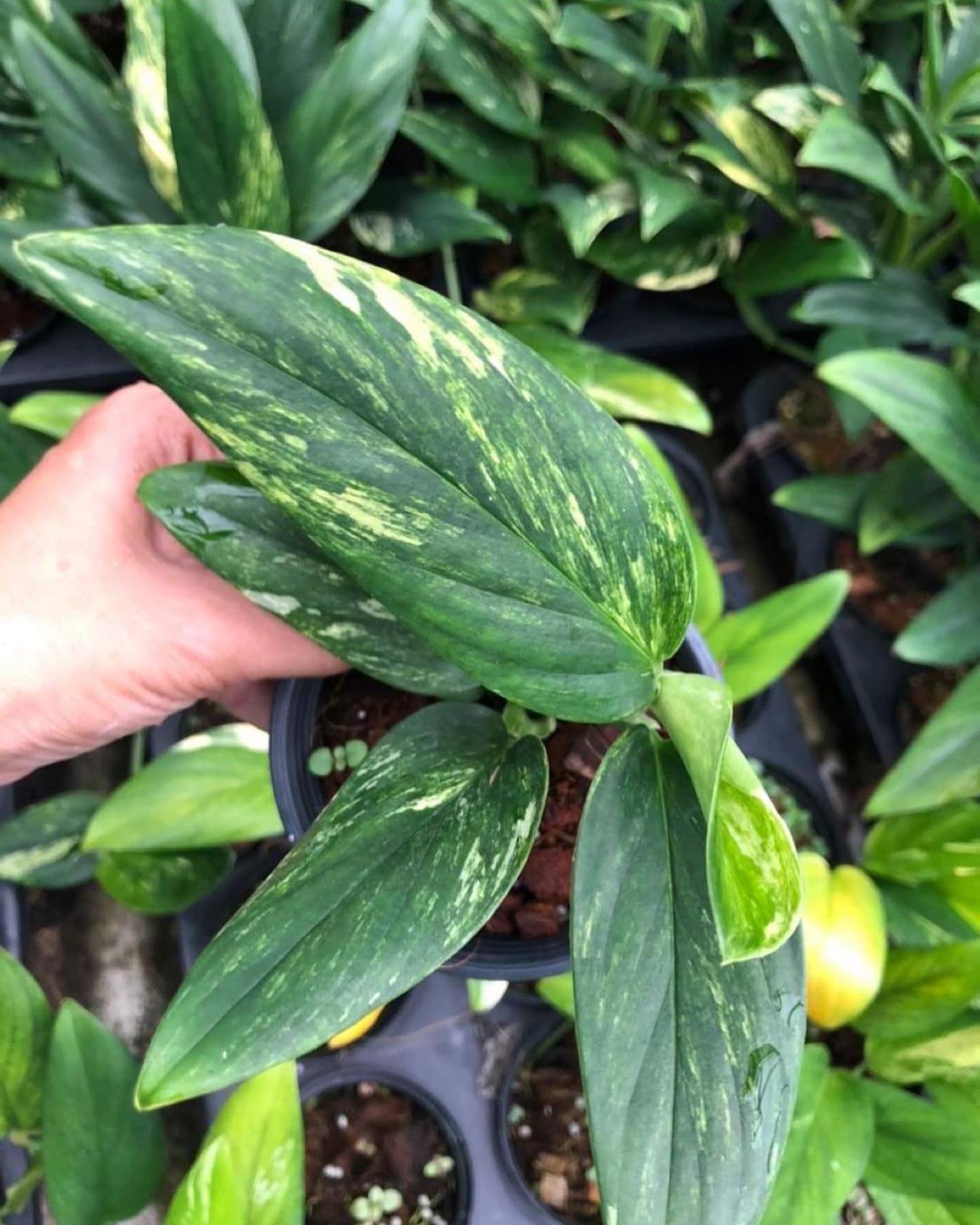
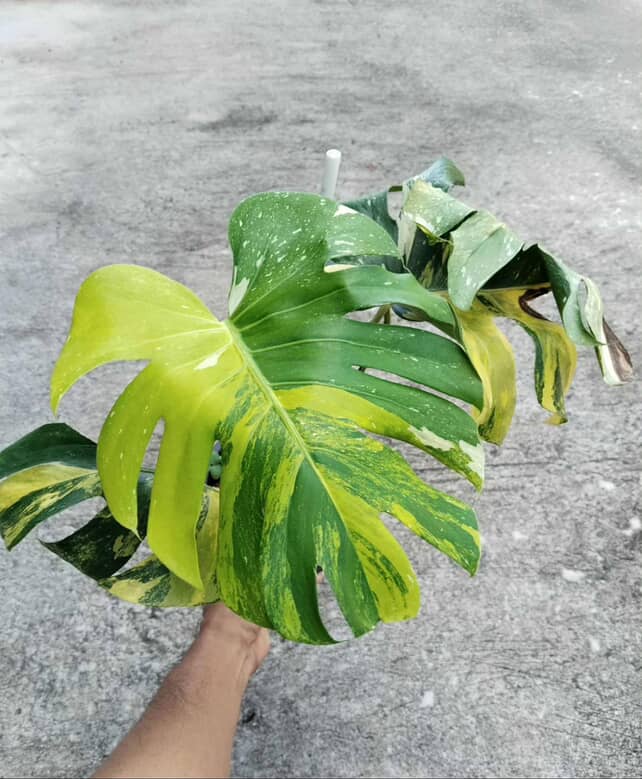
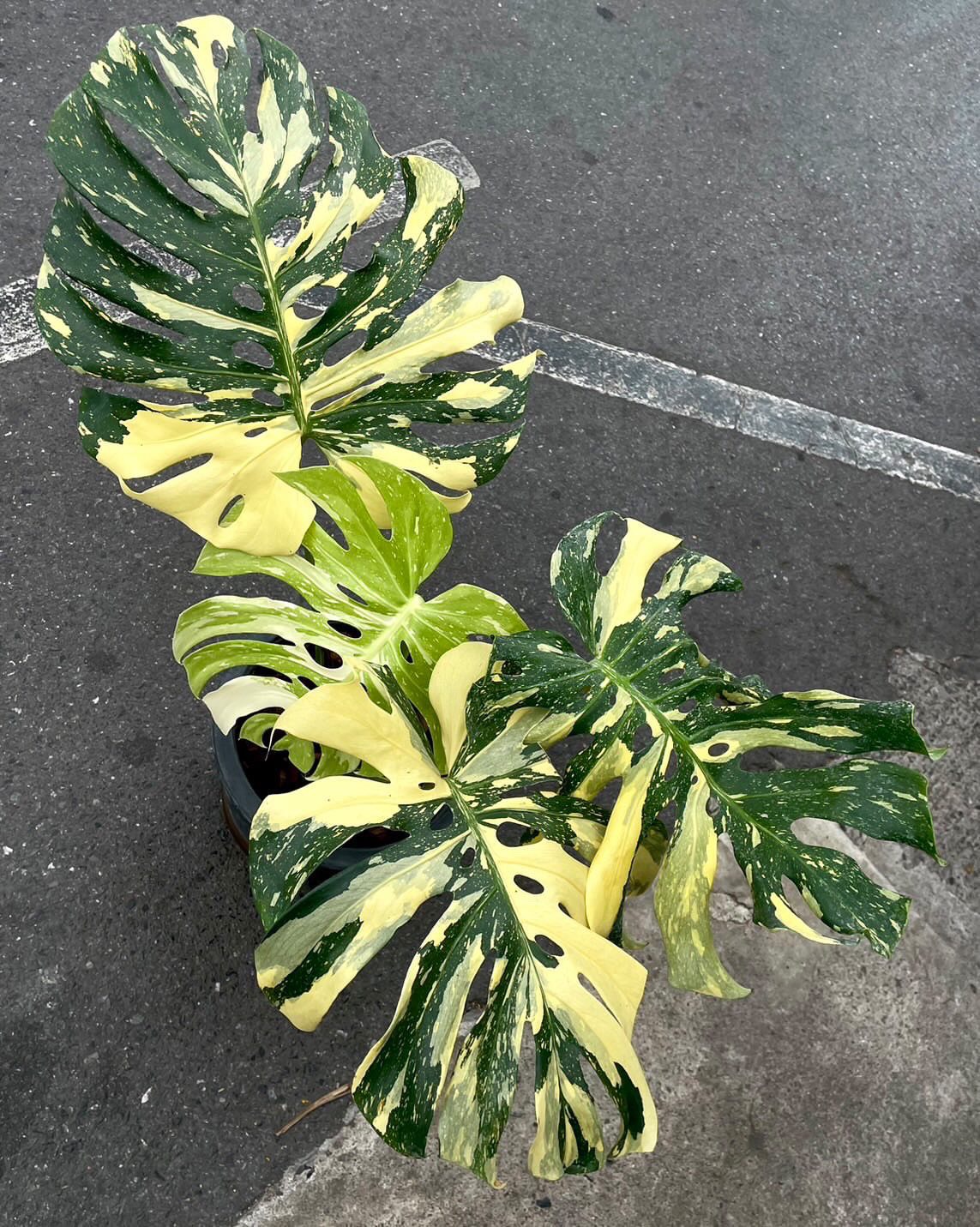
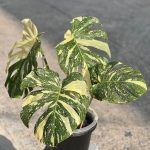
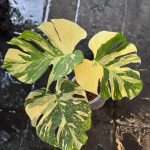
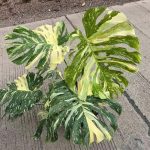
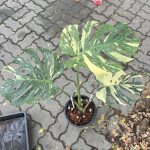
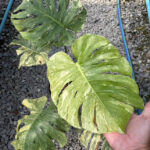
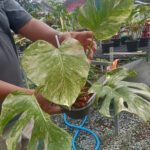
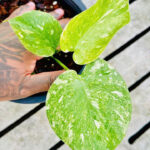
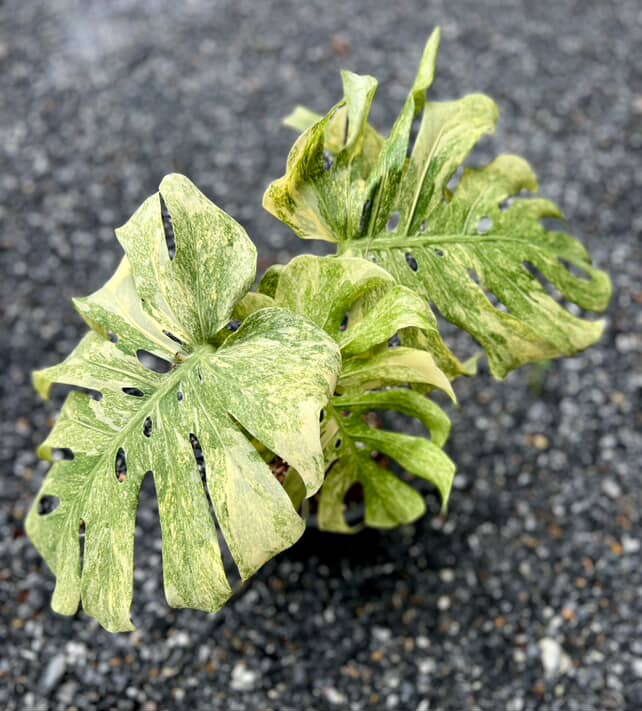
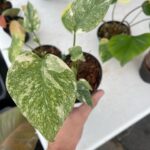
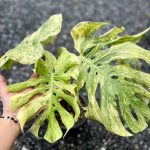
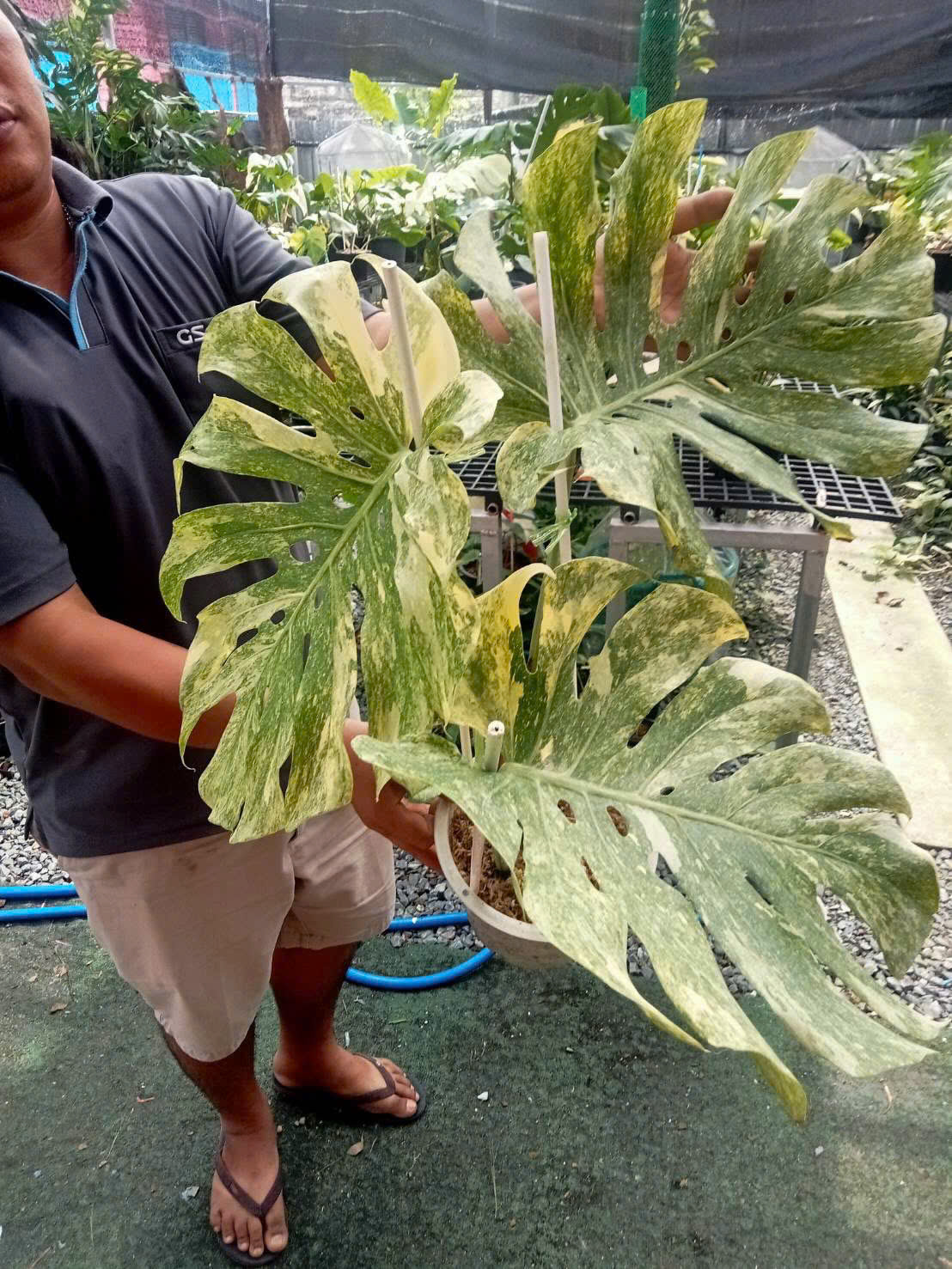
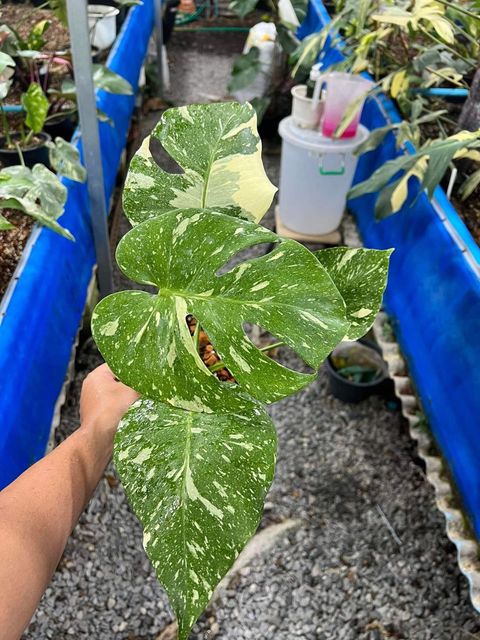
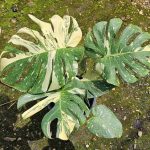
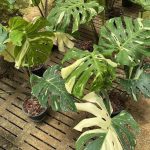
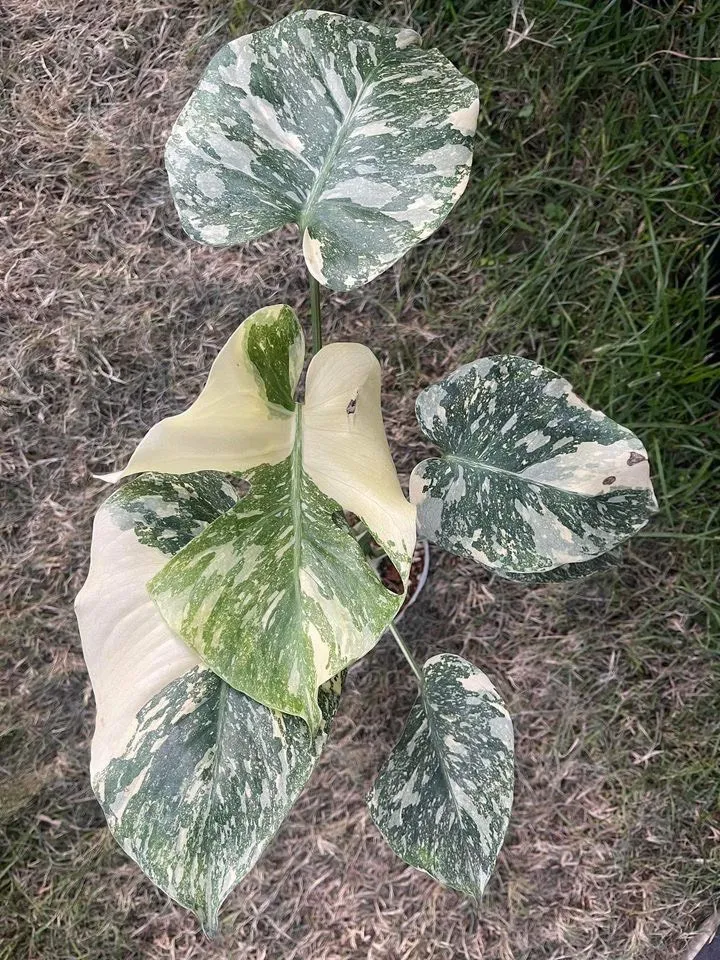
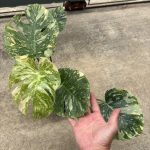
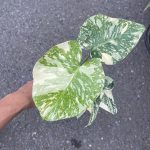
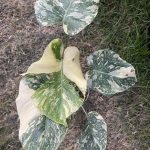
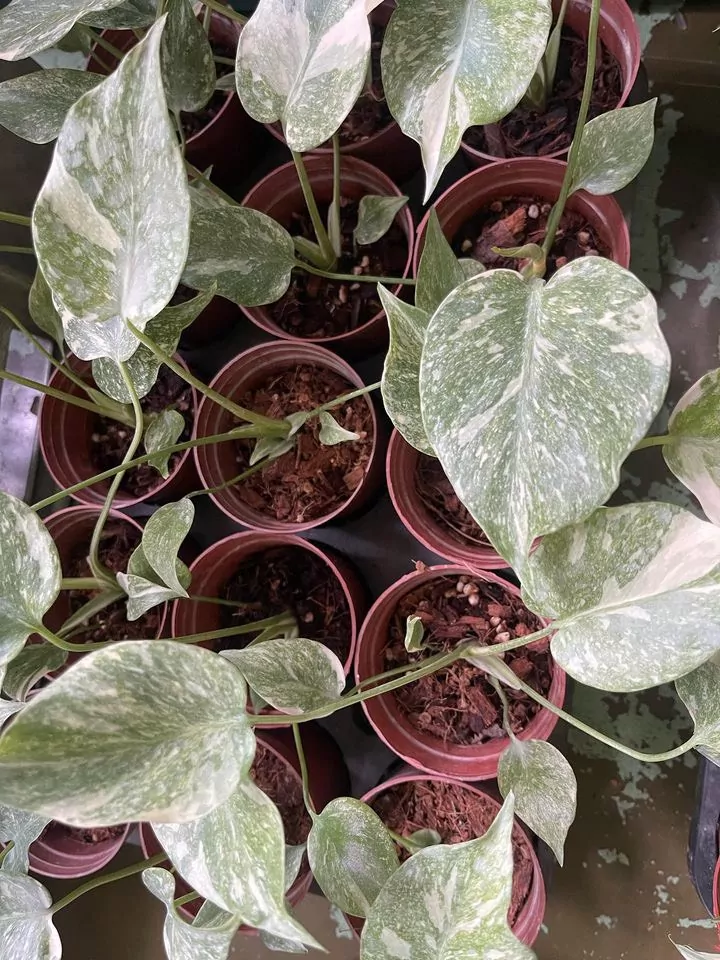
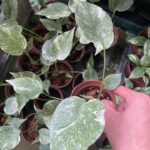
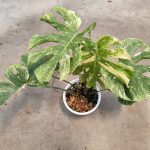
Greenboog rare Monstera buyer guide
Choose the Monstera you can identify, receive and grow
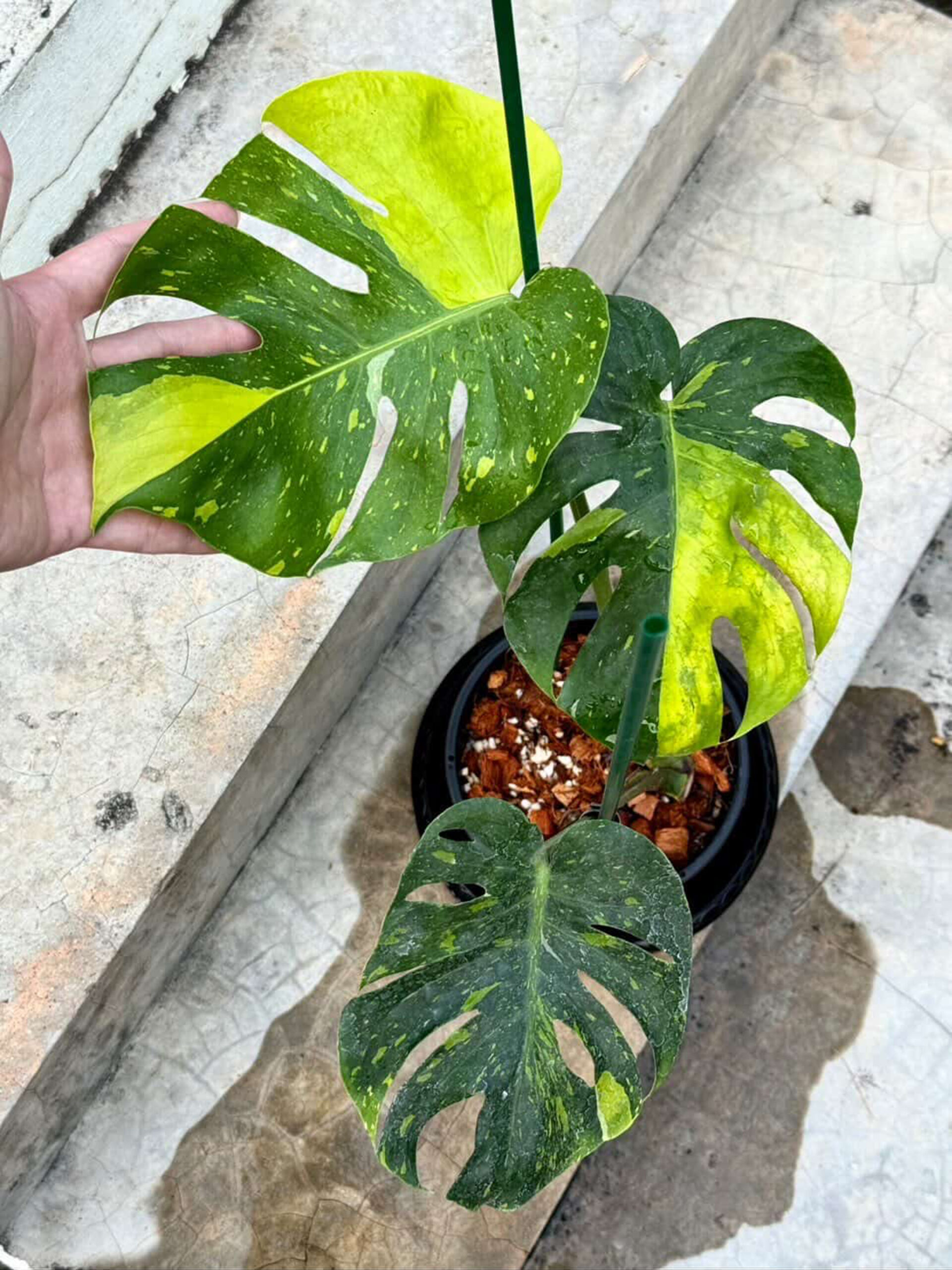
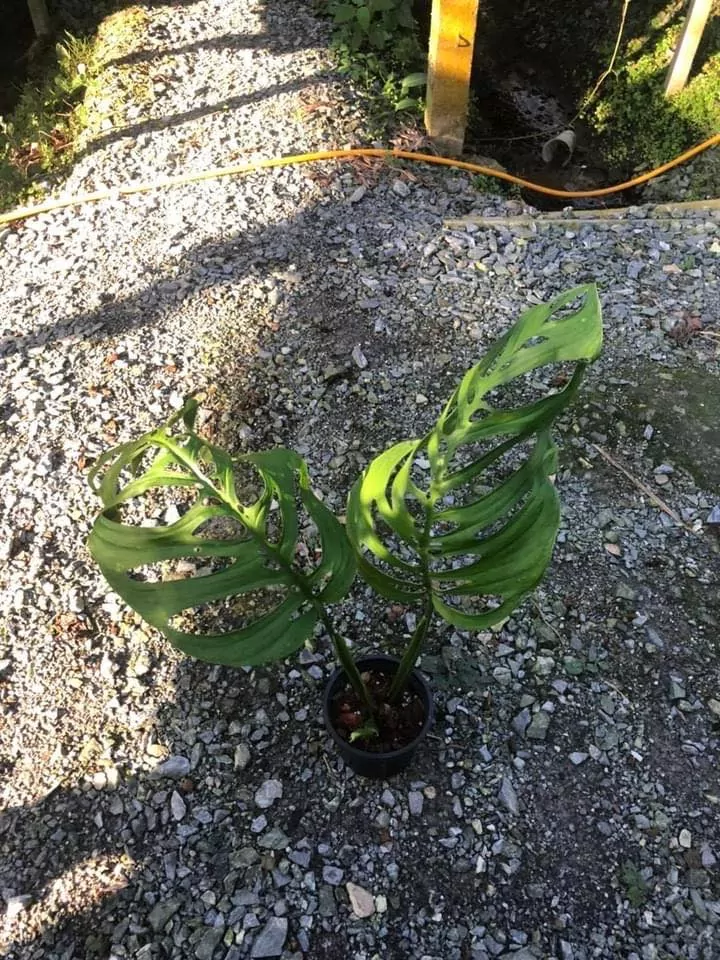
The live product grid above is the source for current price, stock and available options. Before checkout, confirm whether the offer is the exact plant shown or a representative plant, the pot or plant stage, the selected quantity and the wording attached to its variegation. Those details matter more than a dramatic mature reference photo.
This collection is for rare-plant collectors, international buyers and small nurseries comparing current Monstera inventory. Use this guide to narrow the visual family you prefer, then verify the individual listing and prepare the receiving space before the parcel is dispatched.
Start with the variegation family you enjoy
Commercial names are useful shopping vocabulary, but they do not replace the evidence on a specific listing. Compare the current plant photos, selected variation and seller notes before treating a trade name as a promise.
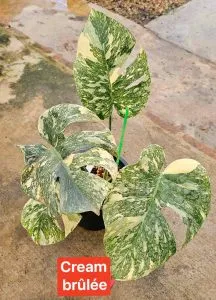
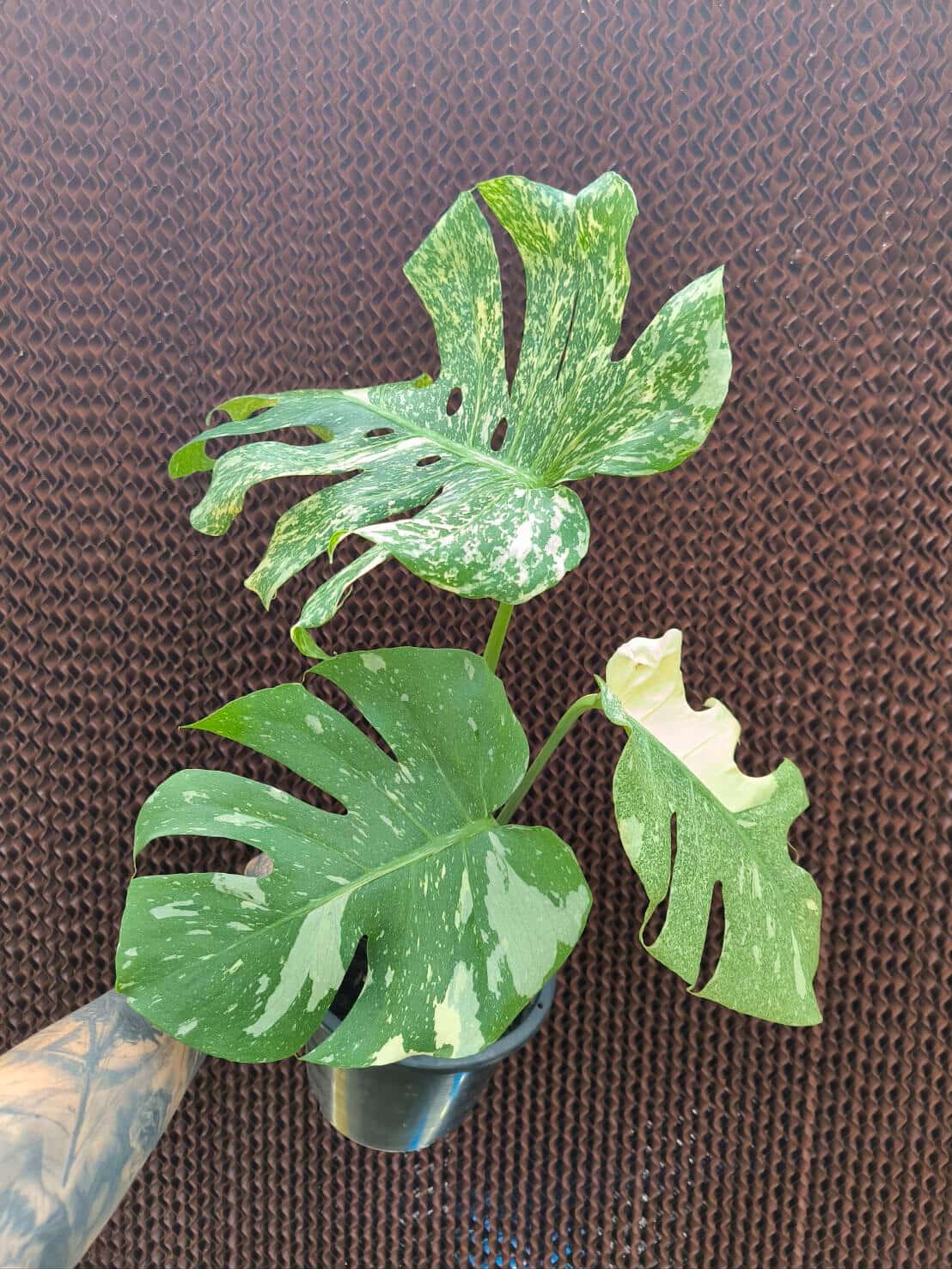
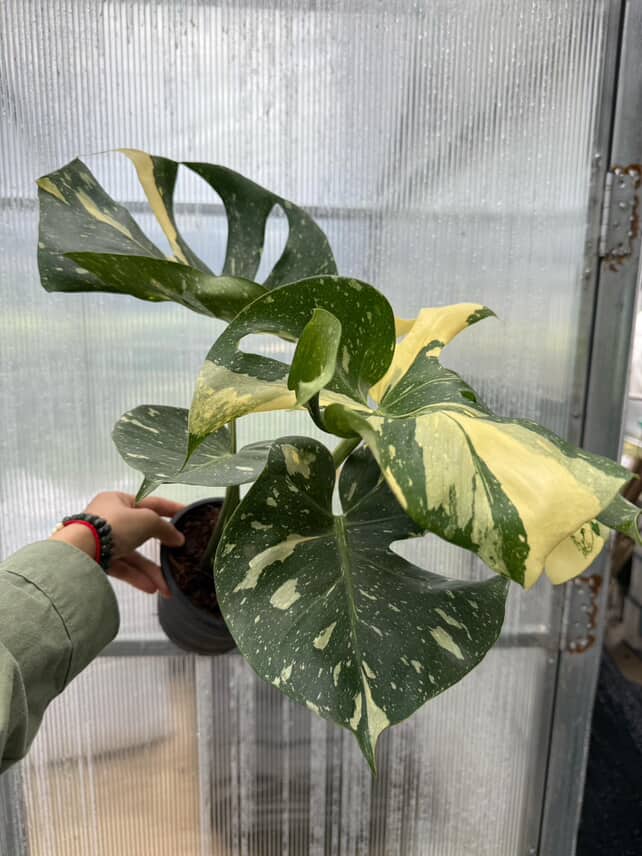
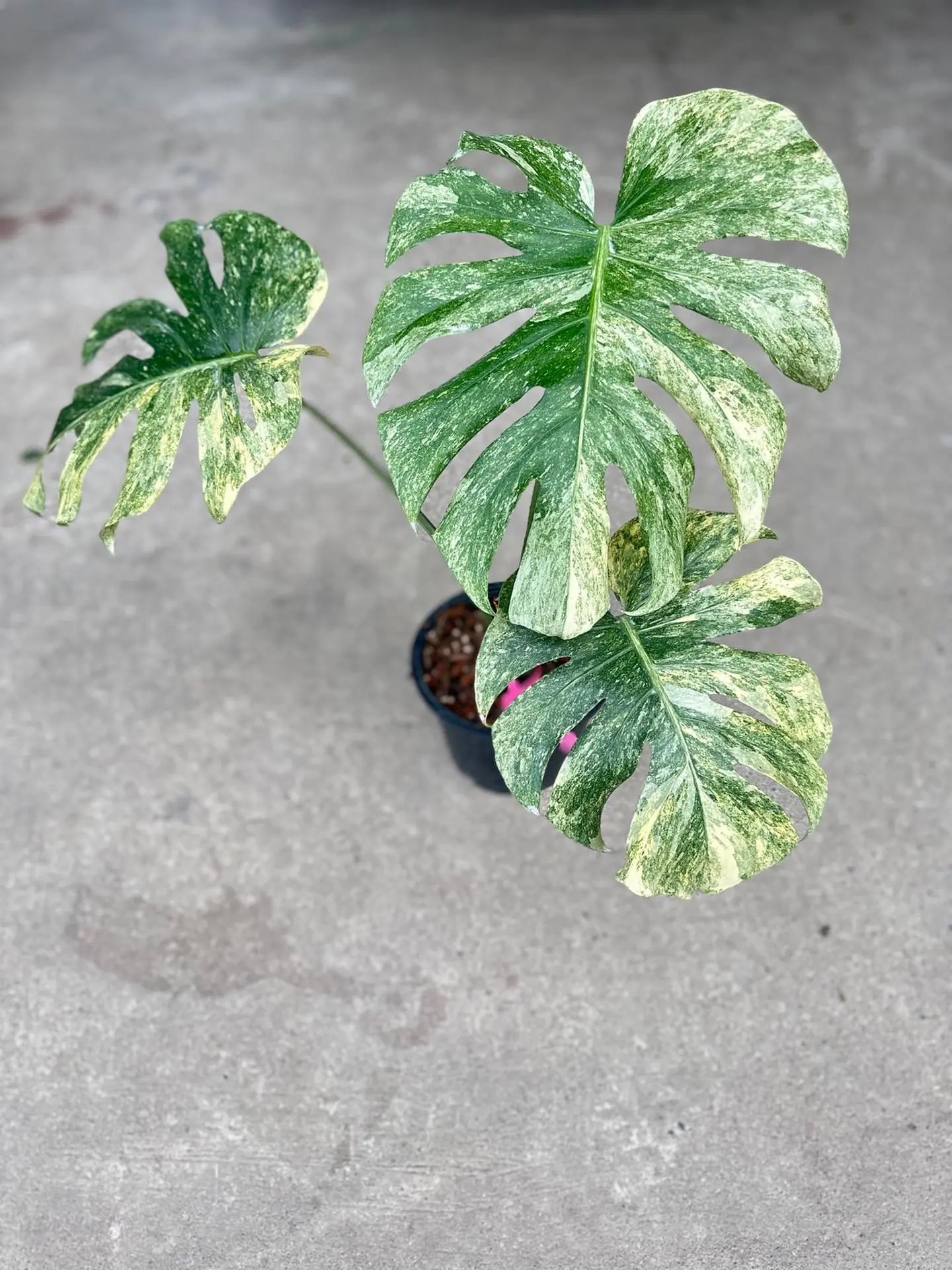
Thai Constellation and cream-speckled forms
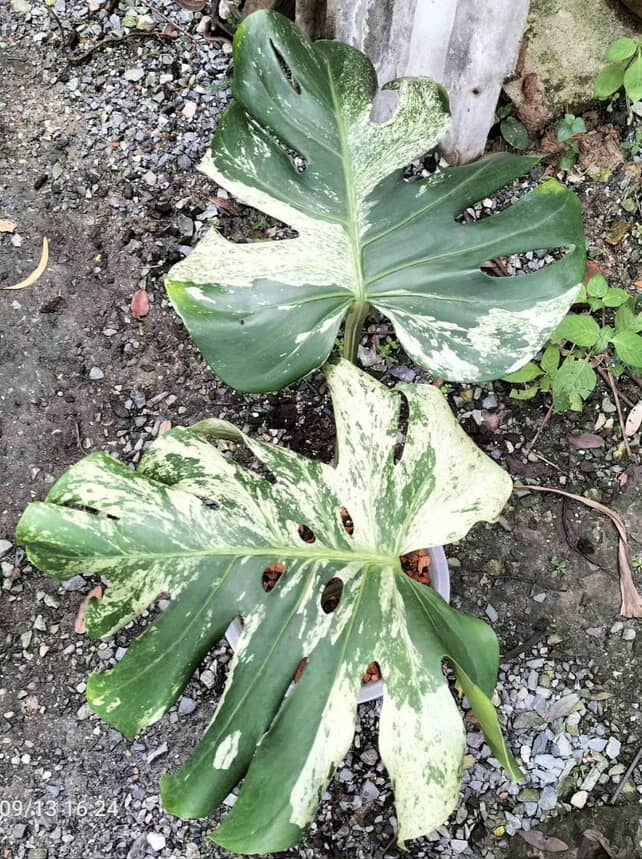
Buyers often look for cream marbling or fine speckling. Compare the exact leaf shown, plant size and selected option rather than assuming every listing has the same pattern.
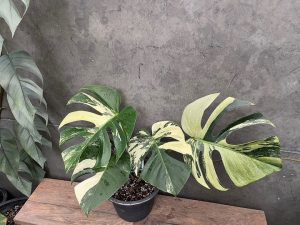
White and Albo forms
High-contrast white sectors are visually striking, but more white is not automatically a better buy. Look for enough green tissue, an active node or root system, and a manageable plant stage.
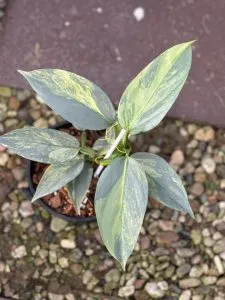
Mint and layered-green forms
Mint is used for several pale or layered green patterns in collector trade. Read the listing’s lineage or description and assess the plant shown; the word alone does not define one universal appearance.
Aurea and yellow forms
Yellow-to-lime variegation can present differently as leaves harden and conditions change. Compare current foliage, maturity and listing notes instead of relying on an edited or mature reference image.
Check these details before buying
| Listing detail | Why it matters | What to verify |
|---|---|---|
| Exact plant or representative plant | An “actual plant” listing can identify one specimen; a representative image can show the expected type but not every shipped leaf. | Read the image caption, variation name and description together. |
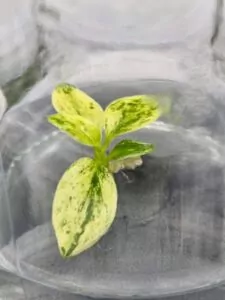
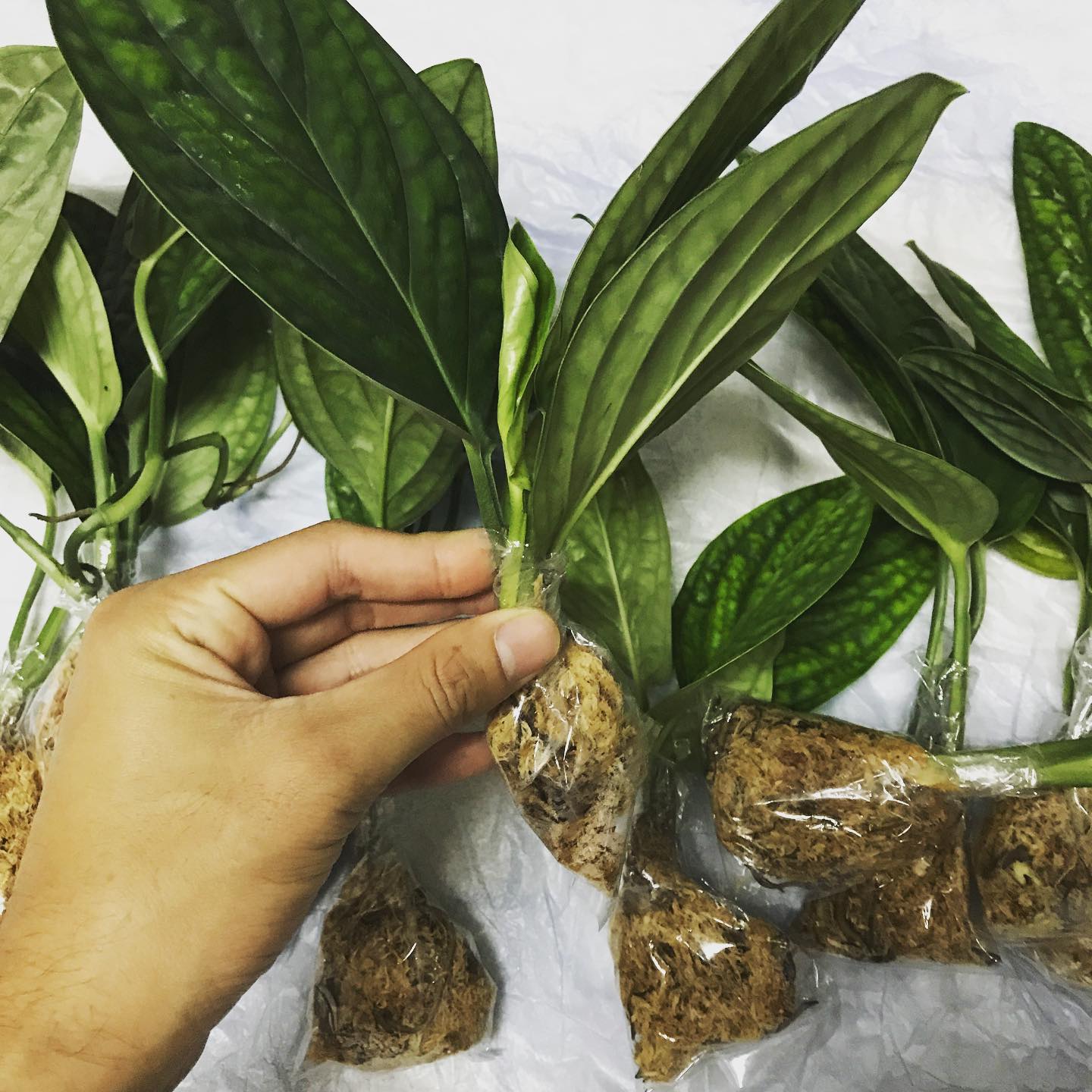
| Rooted plant, cutting or young start | Plant stage changes the receiving work, shipping tolerance and time needed to establish. | Confirm roots, medium, pot size and whether acclimation is still required. |
| Juvenile or mature foliage | Young Monstera may not yet show the size, splits or holes seen on a mature reference plant. | Judge the shipped stage; treat mature foliage as potential, not an immediate result. |
| Variegation wording | Pattern and intensity can vary by plant and as new leaves develop. | Check current photos, green tissue, stem or node evidence and any stated selection method. |
| Quantity and selected variation | One plant, multiple pots and wholesale packs are different offers even when the gallery overlaps. | Match the exact quantity and option to the displayed price before paying. |
| Destination and documents | International rules vary by country, plant material, quantity and shipment format. | Review current shipping terms and confirm destination requirements yourself. |
Prepare the growing space before delivery
Monstera are climbing aroids. Juvenile leaves change as the plant matures, and a suitable support helps a climbing plant develop in an orderly way. Indoors, begin with bright filtered light, warm stable conditions and a free-draining root zone; do not water by calendar when the medium is still wet.
- Choose a quarantine area away from the rest of the collection for the first inspection period.
- Have a pot and airy medium appropriate to the roots and current stage—not the mature plant you hope to grow.
- Use bright filtered light and avoid an abrupt move into intense sun immediately after transit.
- Inspect foliage, stem, node and roots; photograph the unpacking condition before changing the setup.
- Keep Monstera away from children and pets that may chew it; plant tissues contain irritating calcium oxalate crystals.
Continue with Greenboog’s Monstera care guide. Buyers choosing between two familiar variegated forms can use the Albo vs Thai Constellation comparison; collectors considering pale layered variegation can read the Monstera Mint guide.
International orders need a destination check
Review Greenboog’s shipping information and the available phytosanitary documentation option. Import conditions can change and may depend on taxon, quantity, plant material and destination. U.S. buyers should verify current requirements with USDA APHIS; buyers elsewhere should use their own plant-health authority.
Quick buying questions
Will I receive the exact Monstera in the first photo?
Only treat a photo as the exact plant when the listing explicitly says so and the selected variation matches that specimen. Otherwise, use the gallery as a representative range and read the product notes.
Why does a young Monstera have no fenestrations?
Juvenile foliage may be entire. Leaf size and fenestration develop with maturity and suitable growing conditions; a young shipped plant should not be judged against a mature reference leaf.
Is the whitest plant always the best choice?
No. White tissue contributes less chlorophyll. A balanced plant with useful green tissue, healthy roots and a manageable stage may be a safer choice than the most dramatic leaf in one photo.
Can I compare other rare aroids before checkout?
Yes. Return to the rare aroids collection to compare other genera and current inventory.