



Rare Variegated Plants
Showing 81–93 of 93 results
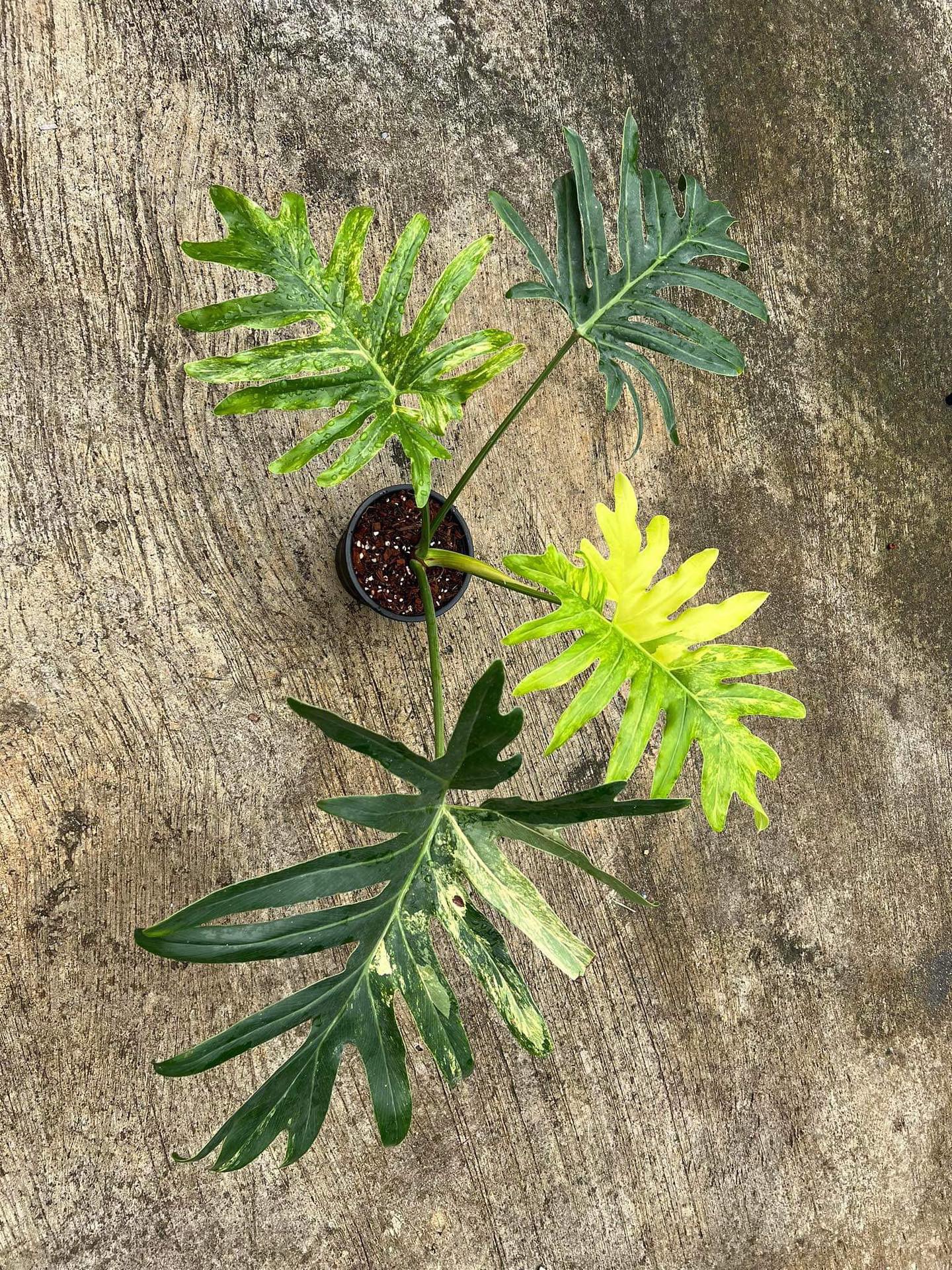
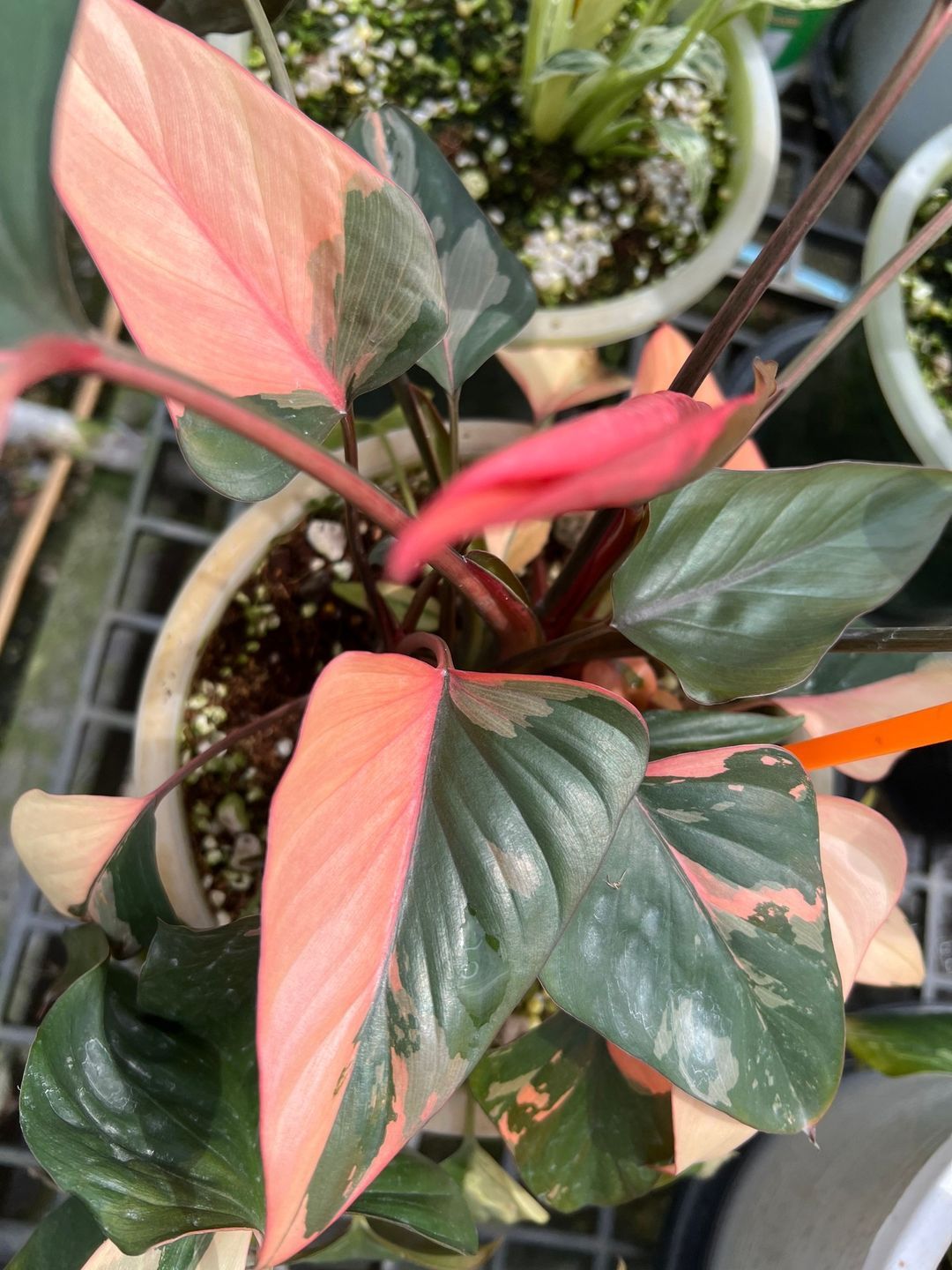

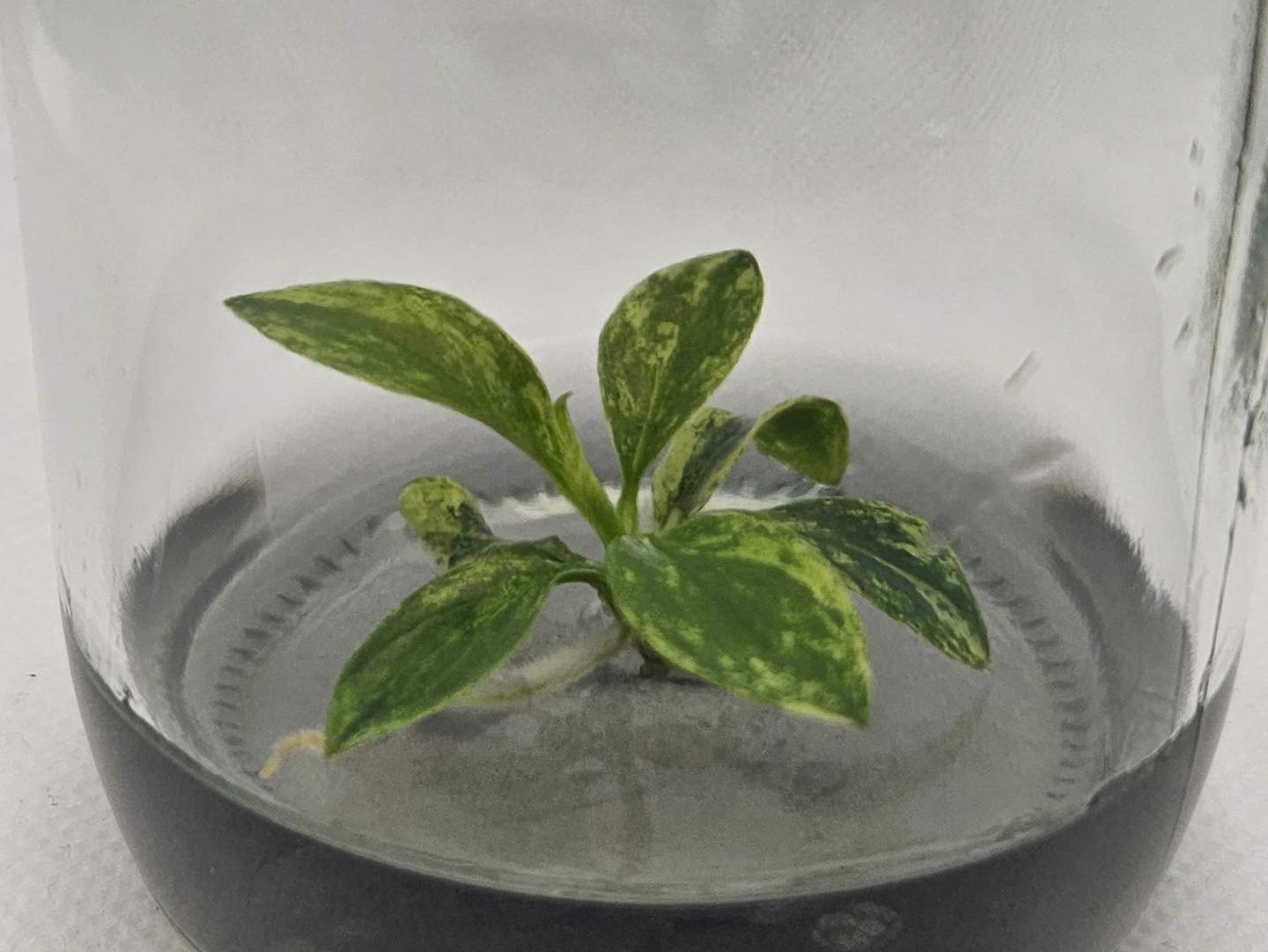
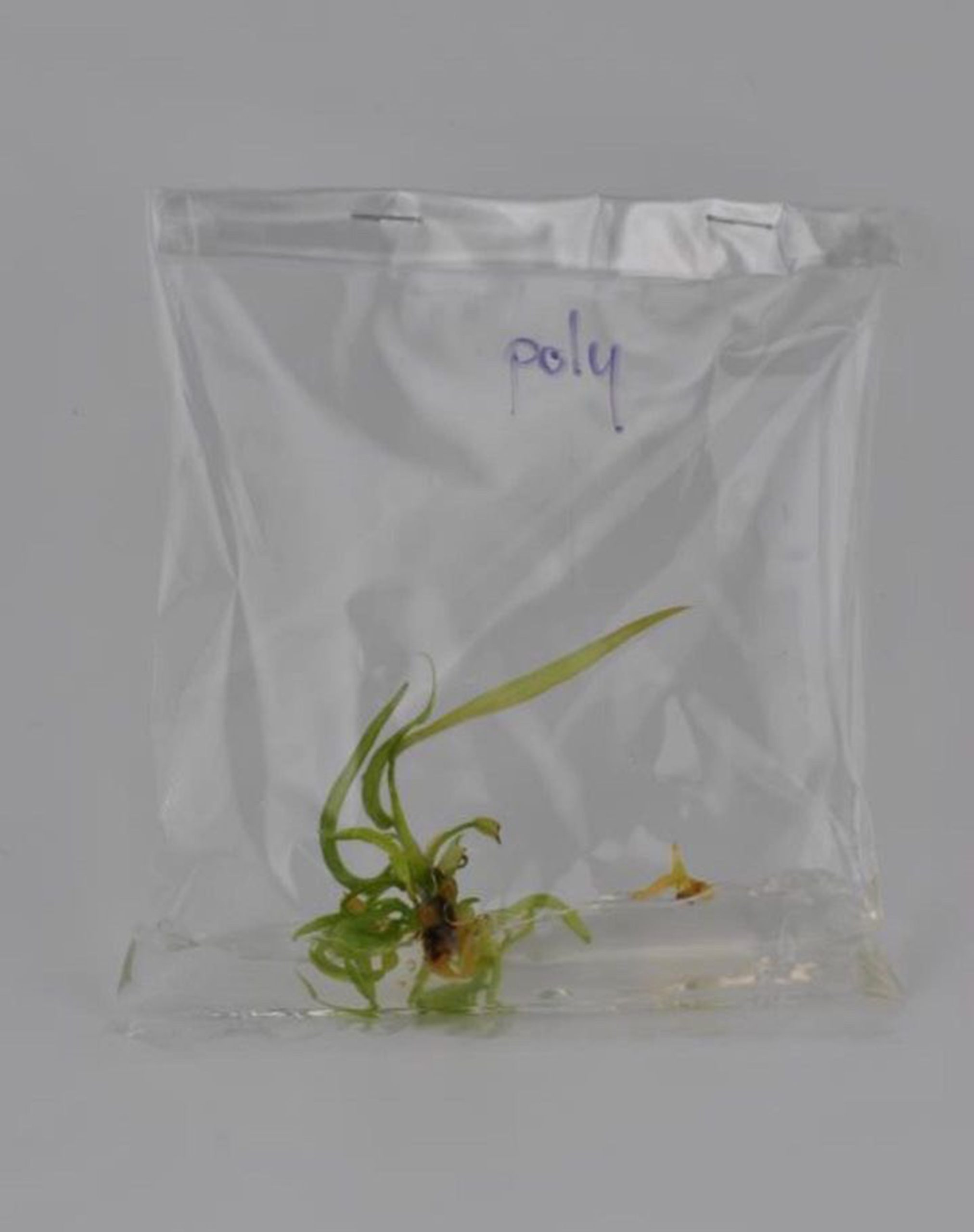
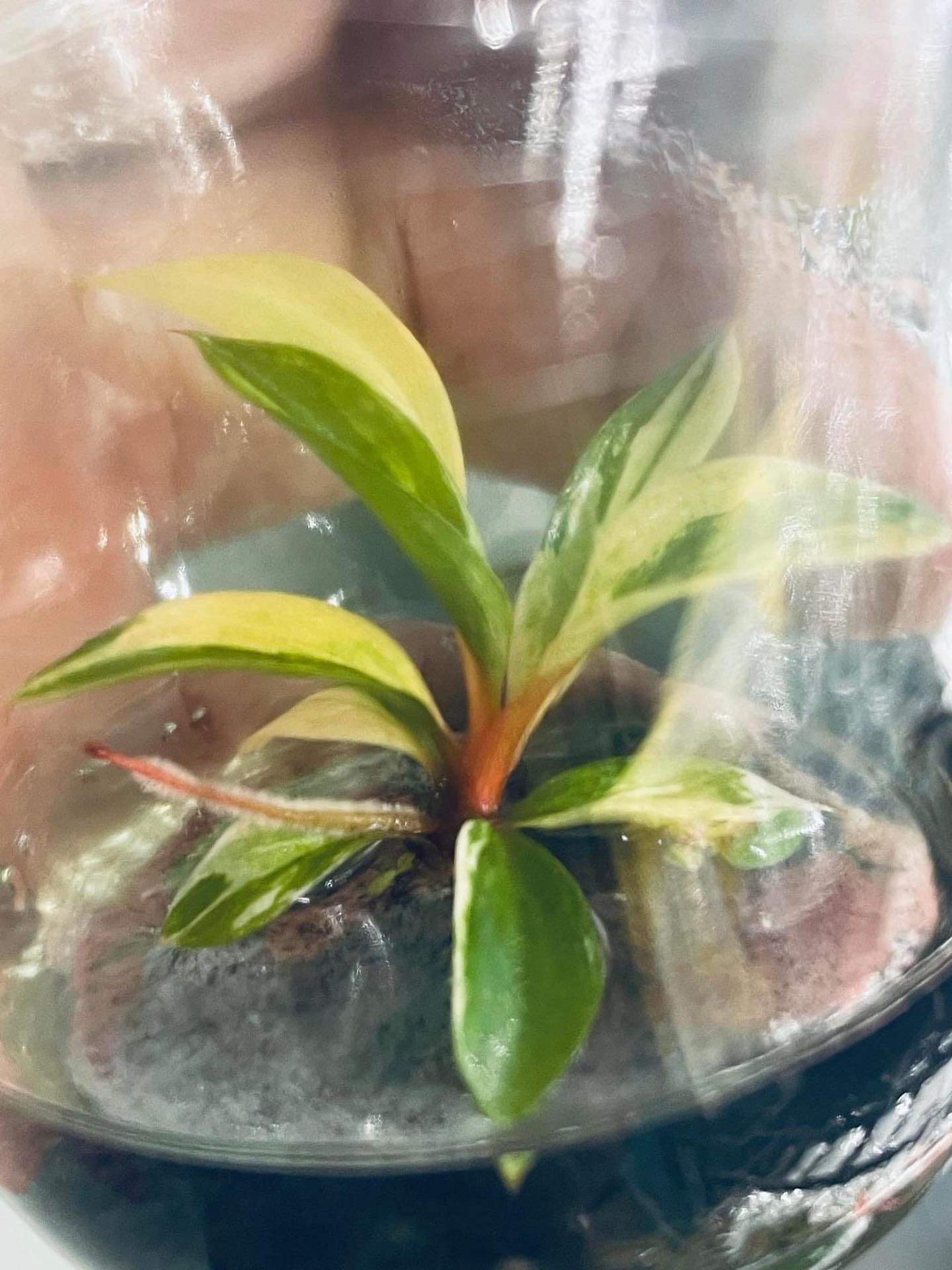

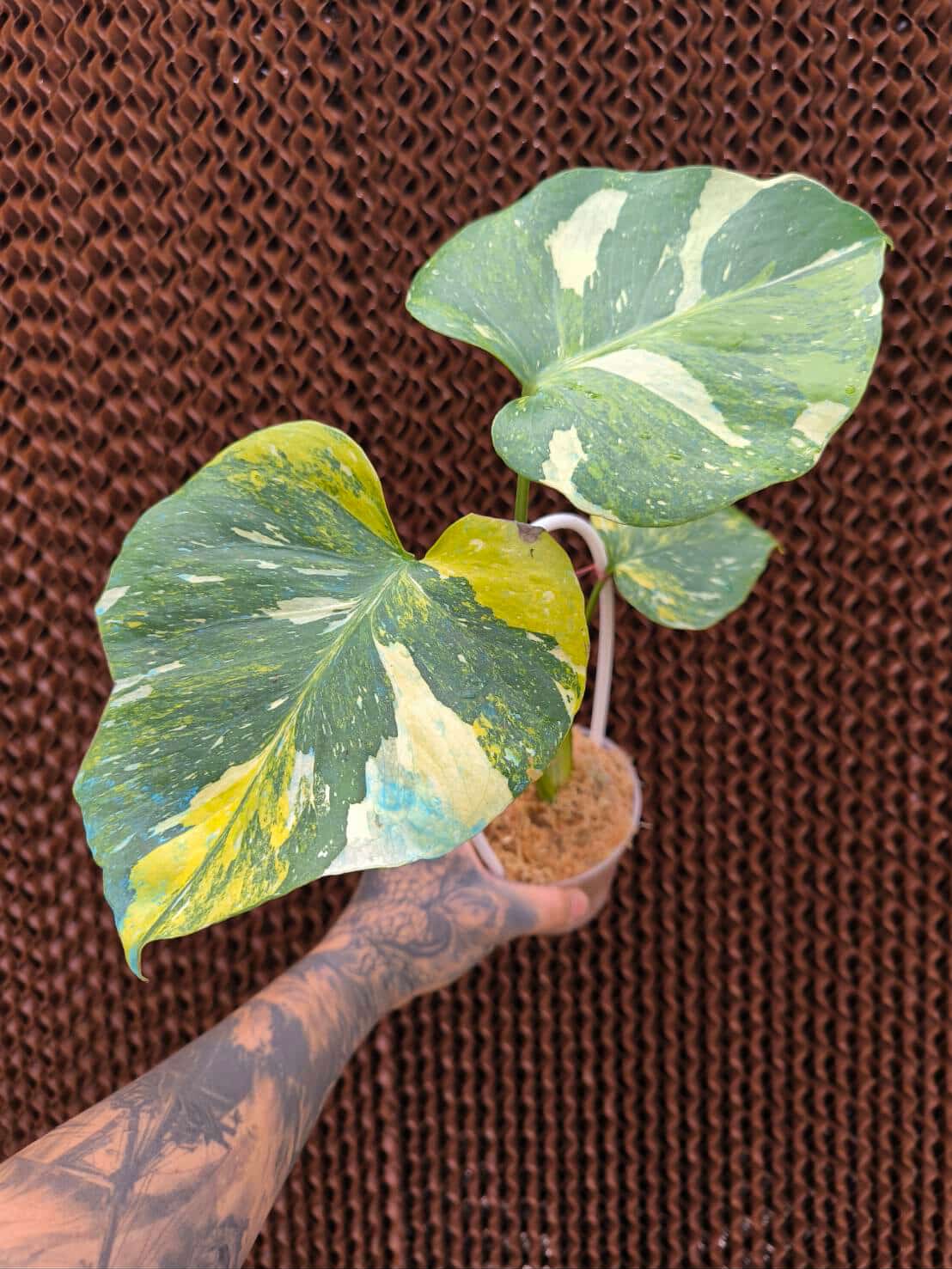
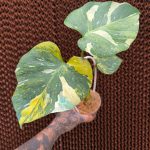
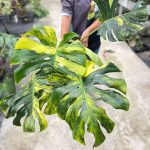
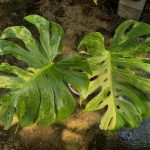
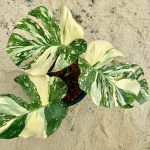

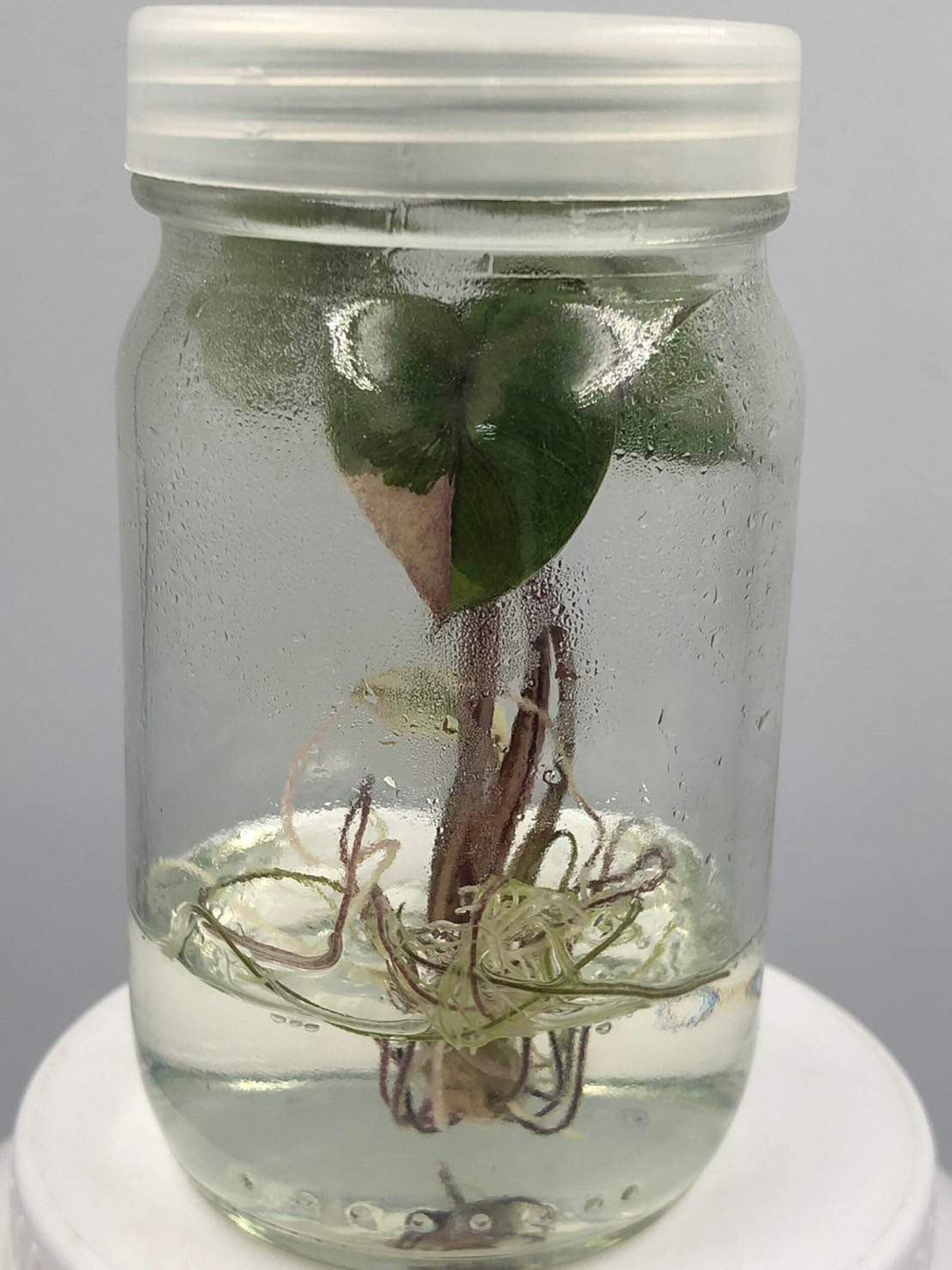
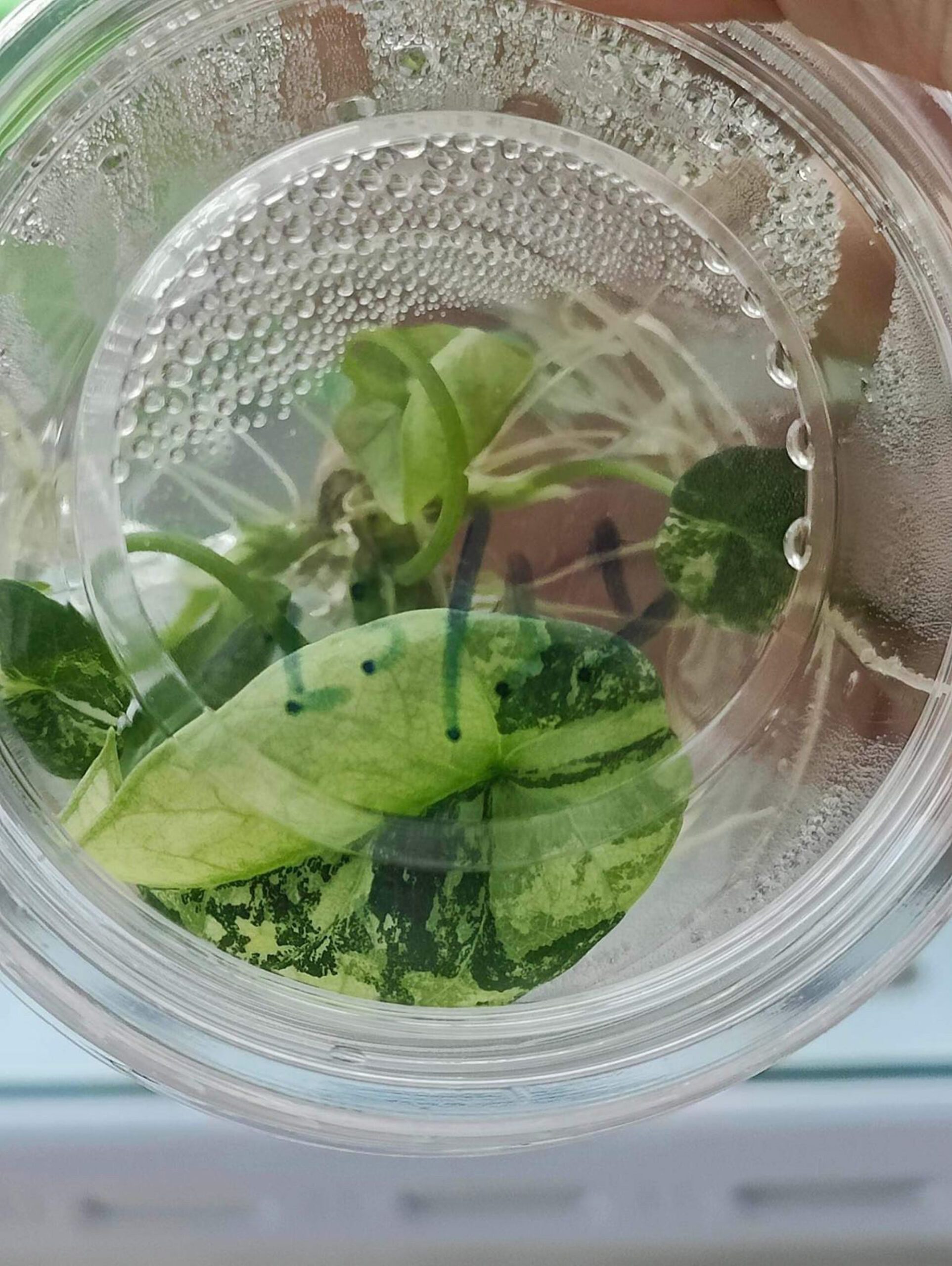
Greenboog rare variegated plant collection
Choose a rare variegated plant by identity, image basis and current growth
The product grid above is the live source for price, stock and selectable options. This cross-genus collection is dominated by Philodendron and Monstera but also includes smaller groups from other plant categories and more than one fulfillment format. Open the selected product to confirm its identity, exact-versus-representative imagery, current variegation, plant stage and precisely what the order contains.
Built for collectors, international buyers and small nurseries who begin with variegation rather than one genus, this page is a visual merchandising hub. Genus pages own genus comparison, product pages own the current offer, and care articles own species-specific growing guidance.
Start with the format you are prepared to receive
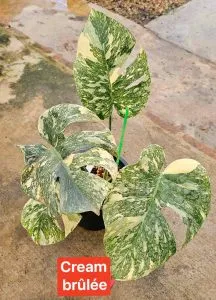
Exact photographed plant
For an exact-plant listing, compare the whole specimen—not only its brightest leaf. Check several leaves, stem or petiole evidence, active growth, current dimensions and whether every gallery image refers to the same plant.
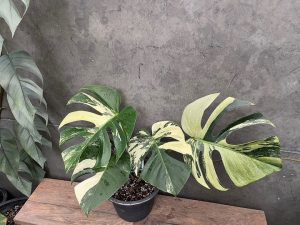
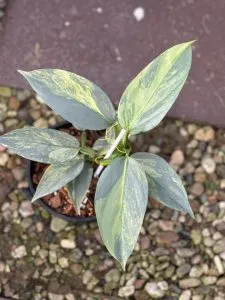
Representative potted plant
A representative image describes a range for the batch. Use the written minimum stage, pot size and allowed variation to understand what can differ from the showcase plant.
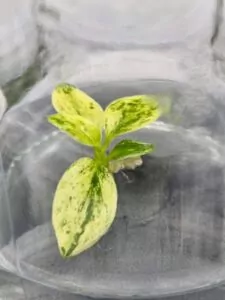
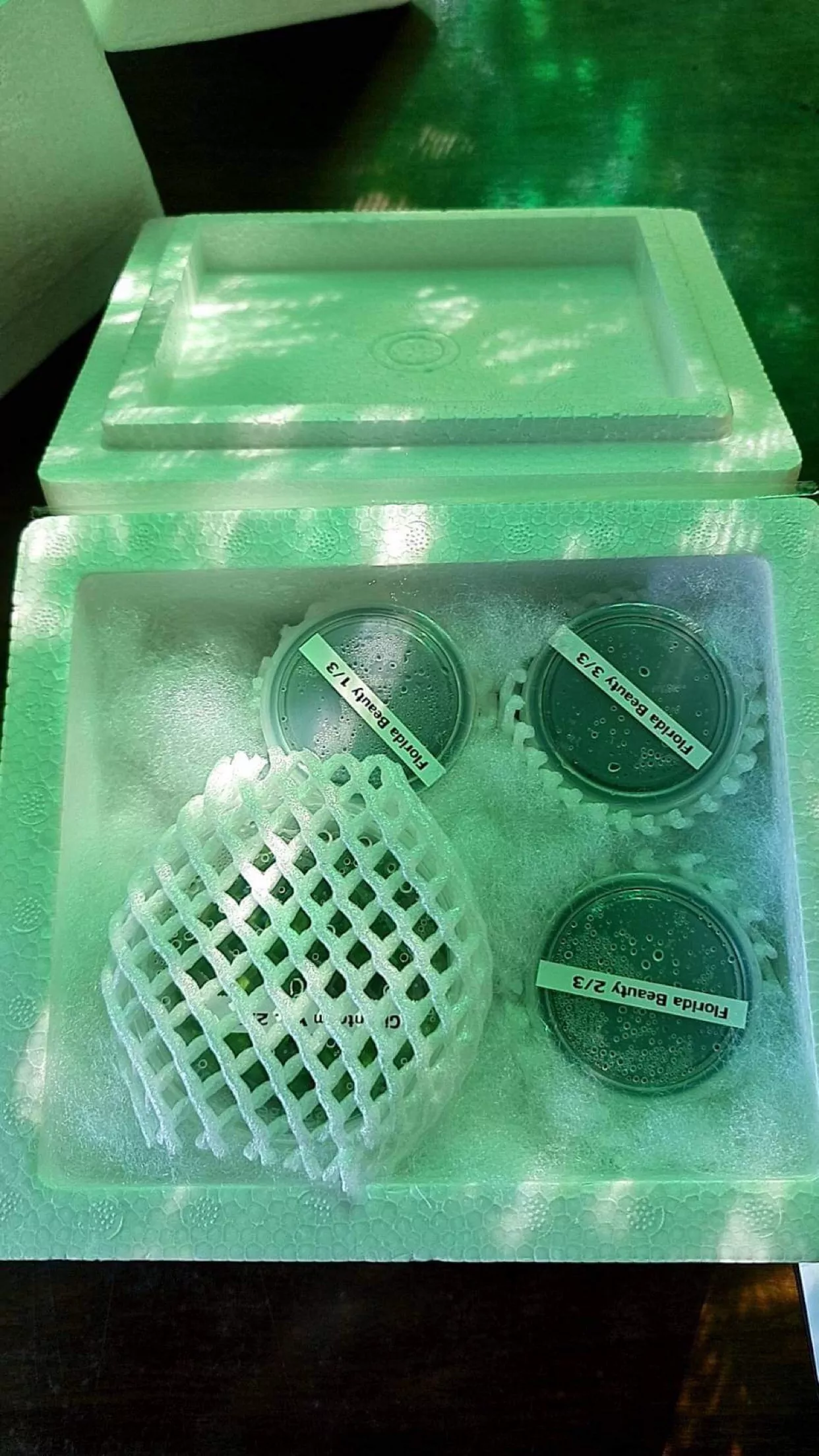
Tissue-culture plantlet
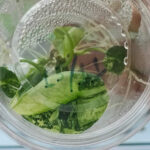
A tissue-culture plantlet arrives at a different stage and needs an acclimation plan. Confirm flask or plant quantity, current root/leaf evidence and whether variegation is visible in the offered material rather than inferred only from a mature reference.
Multi-plant or wholesale lot
A group listing can contain natural variation between plants. Verify quantity, container or plantlet format, image basis and the range the seller states for the batch before comparing it with a single specimen.
Read every candidate in the same order
| Check | Why it matters | Use this evidence |
|---|---|---|
| Identity | Pattern alone cannot distinguish a species, cultivar, hybrid or trade-named selection. | Product title, written identity and uncertainty qualifiers. |
| Exact or representative basis | Only an exact-plant offer ties the sale to one documented specimen. | Image statement, captions and selected option. |
| Several current leaves | One showcase leaf does not describe distribution across the plant. | Whole-plant views, newest visible growth and multiple leaves. |
| Plant and root stage | A plantlet, rooted start and established pot create different receiving plans. | Written contents, roots, growth point, pot and medium. |
| Quantity | Single plants and group lots should not be compared as the same unit. | Selected quantity and stated range within a batch. |
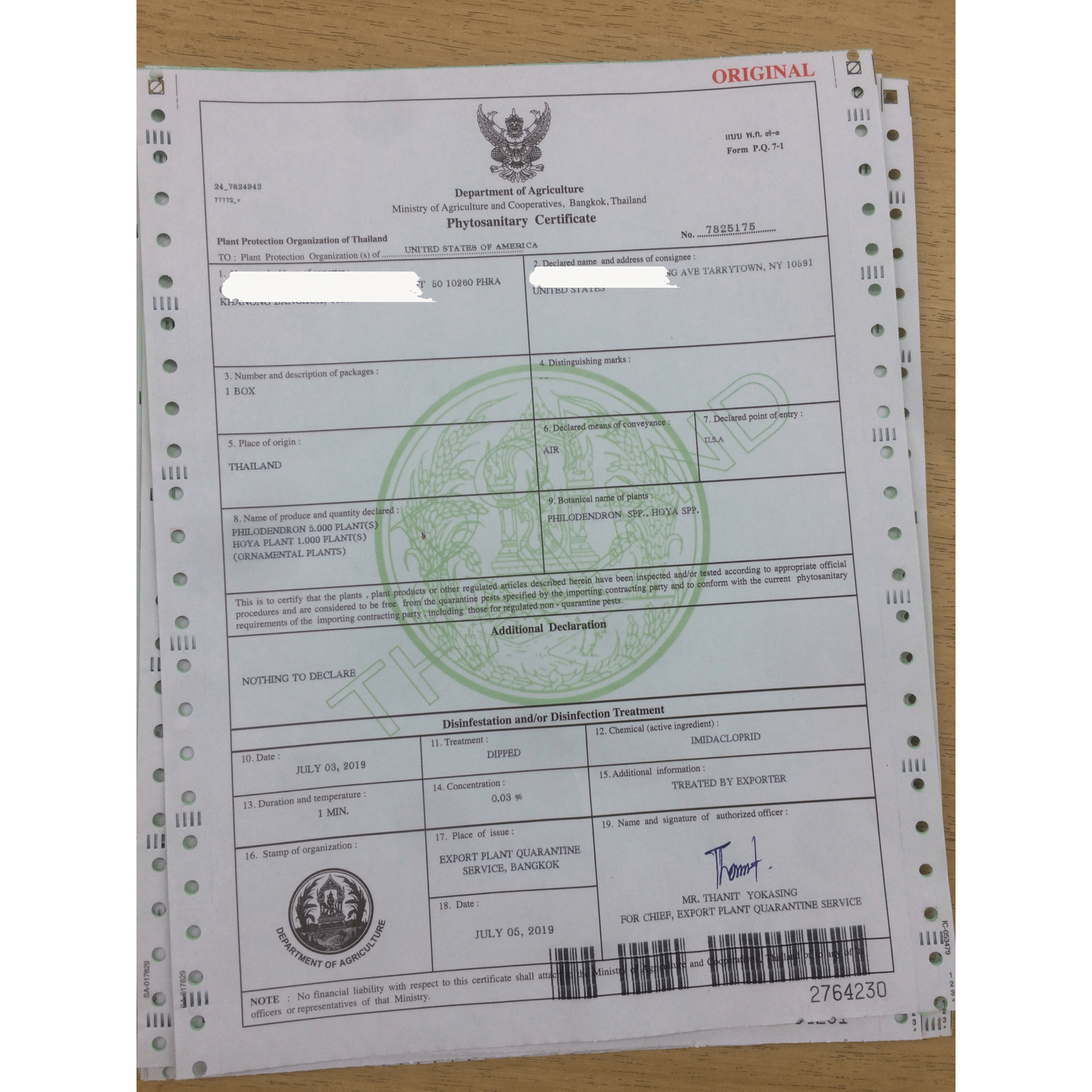
| Destination readiness | Transit time, weather and import requirements affect the order plan. | Current shipping information and destination rules. |
Use color words as descriptions, not guarantees
Albo, white or cream
Check the edges and distribution of pale areas across several leaves, plus the green tissue and active growth visible now. Photography and age can change how cream and white are perceived.
Aurea, yellow or lime
Compare several leaves in similar lighting. A label may describe the selection, but the current gallery must show the pattern and color of the offered plant or batch.
Pink, orange or red
Separate current pigmentation from a mature reference or newly emerging leaf. Use the listing's present evidence rather than assuming every new leaf will repeat the same intensity.
Mint, marble, splash or sectoral
These are useful visual descriptors but are not a universal grading standard. Compare distribution, identity, image basis and plant stage together.
Prepare a format-specific receiving area
- Reserve a clean quarantine area away from established plants.
- Prepare the pot, support or acclimation setup stated for the selected format.
- Photograph the parcel, whole plant, current pattern, roots and medium before irreversible changes.
- Introduce stronger light gradually rather than trying to “increase variegation” immediately after transit.
- Base watering on the received plant and medium, not one rule for every genus in this mixed collection.
The Royal Horticultural Society defines variegated foliage by streaks, blotches or patches of different colors. That broad definition explains why this collection needs a consistent evidence checklist: the word “variegated” describes visible patterning, but it does not by itself establish identity, plant stage, stability or what will arrive.