



Dischidia
Showing all 12 results
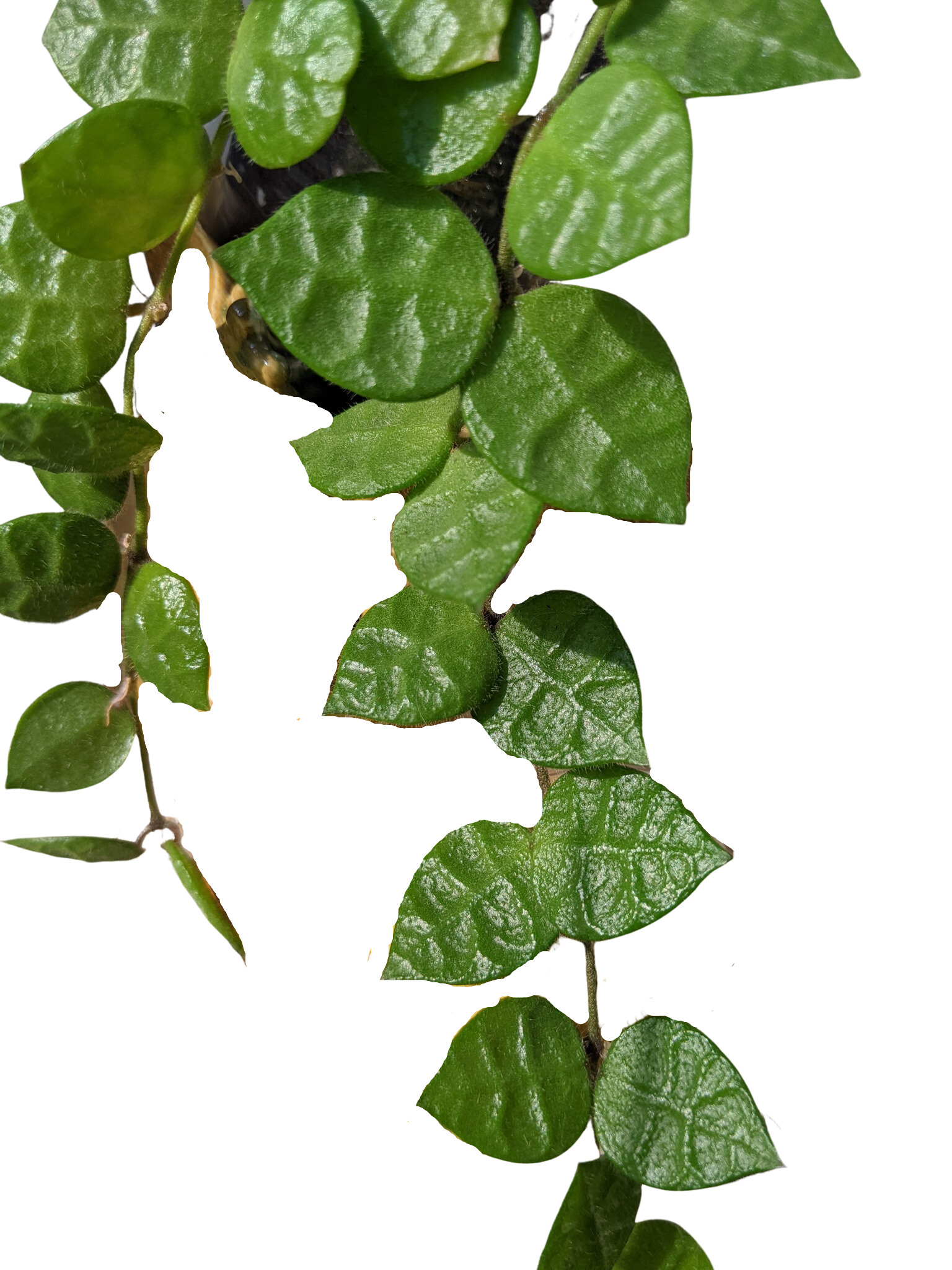
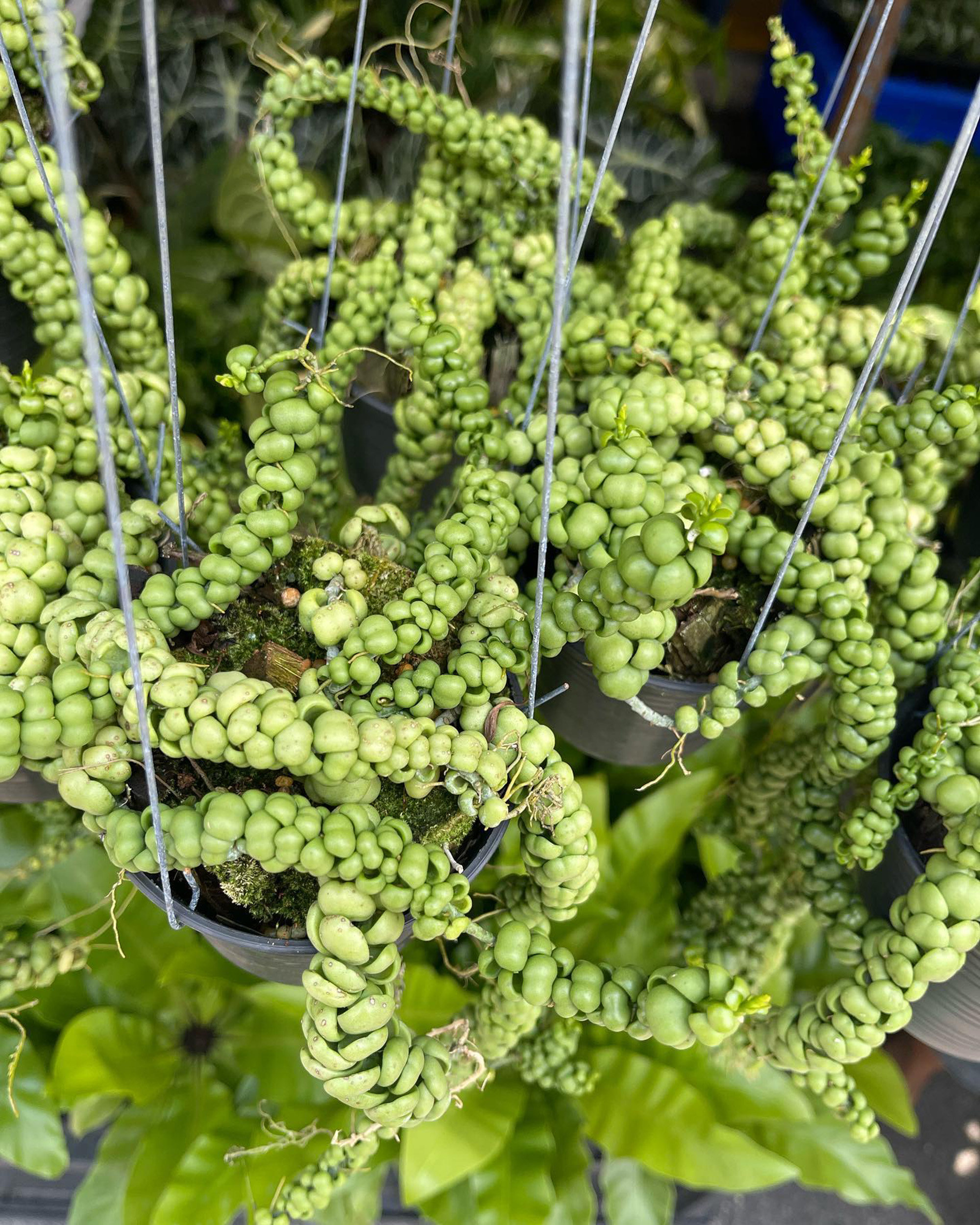
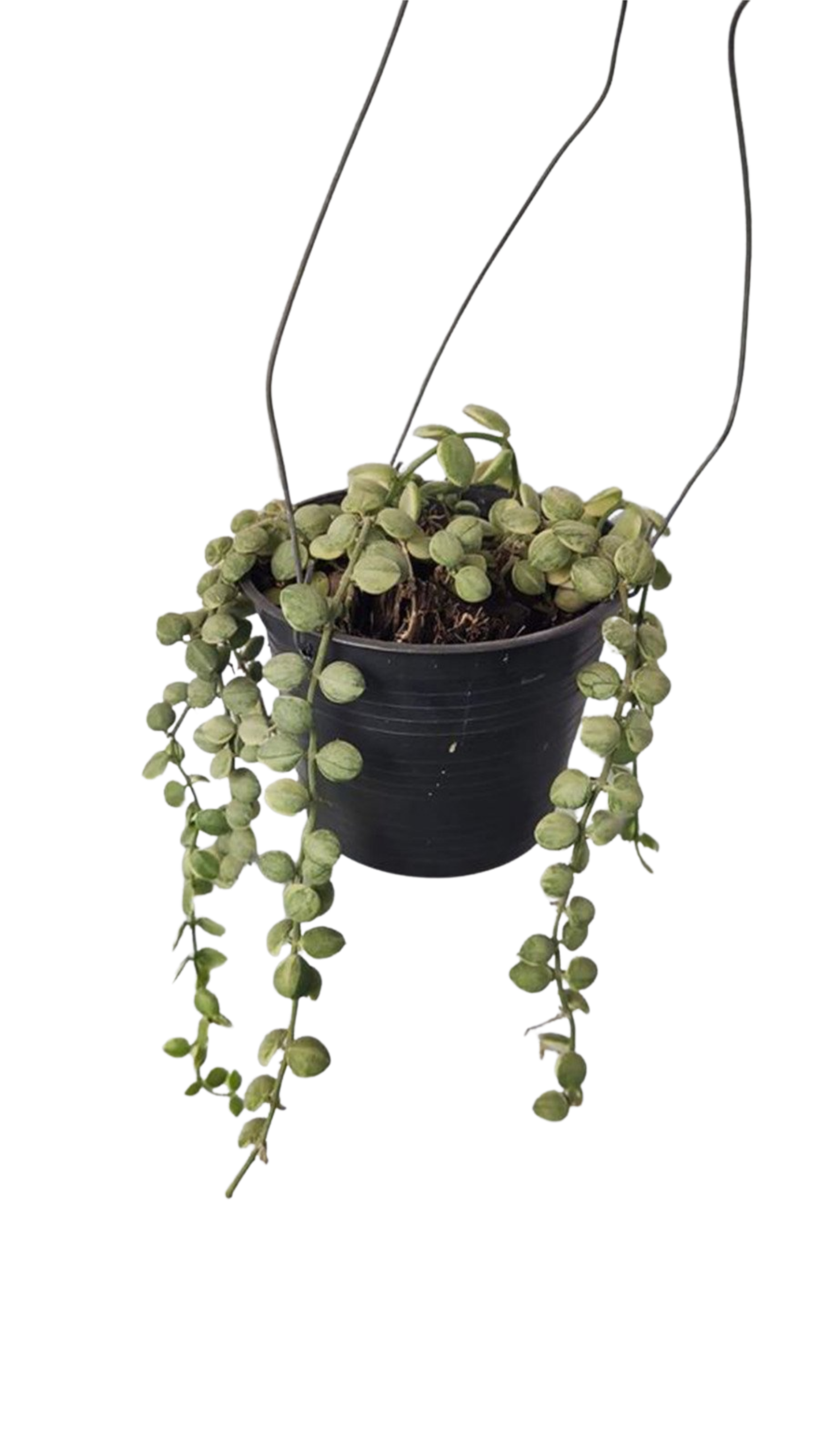
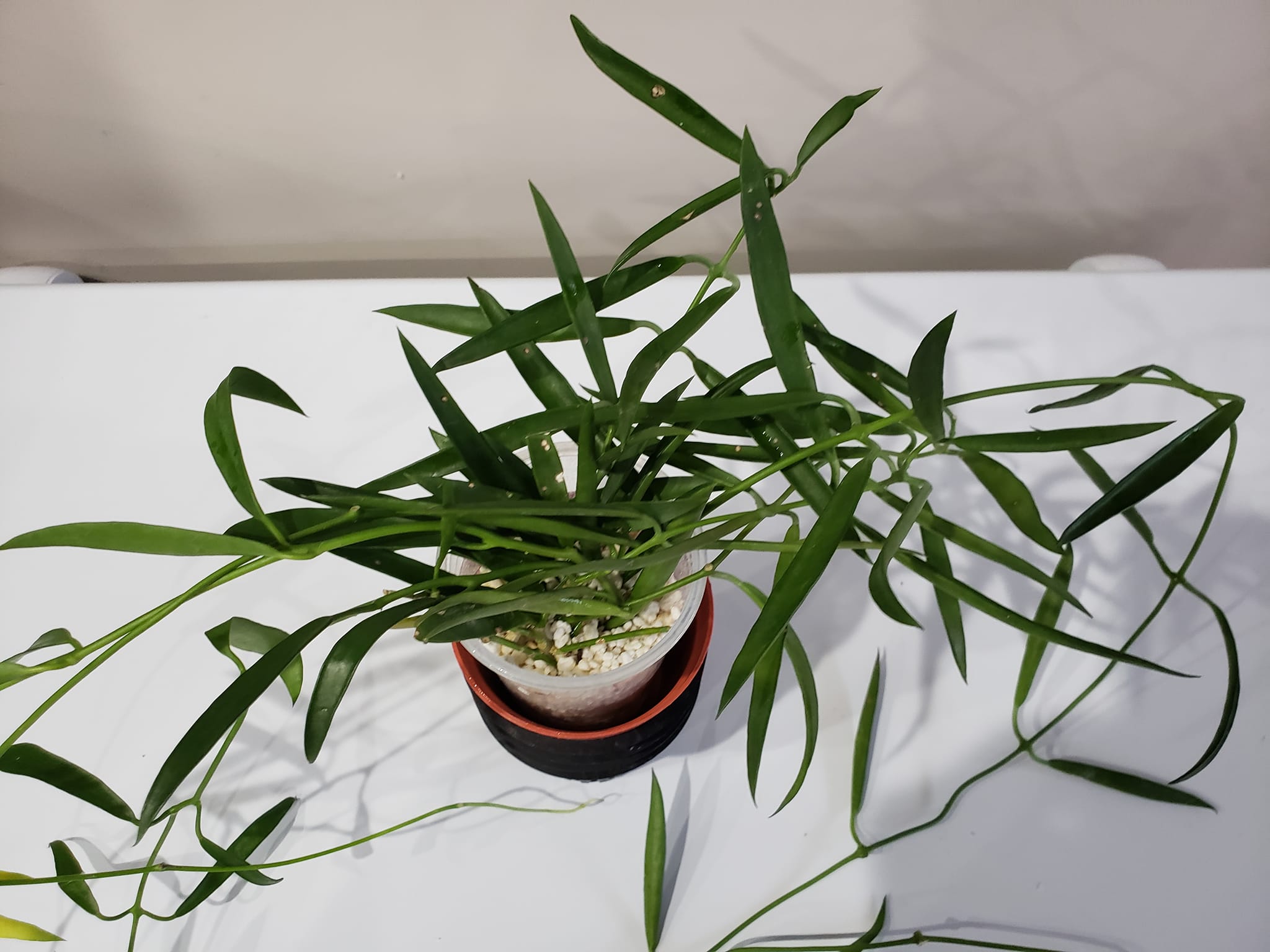

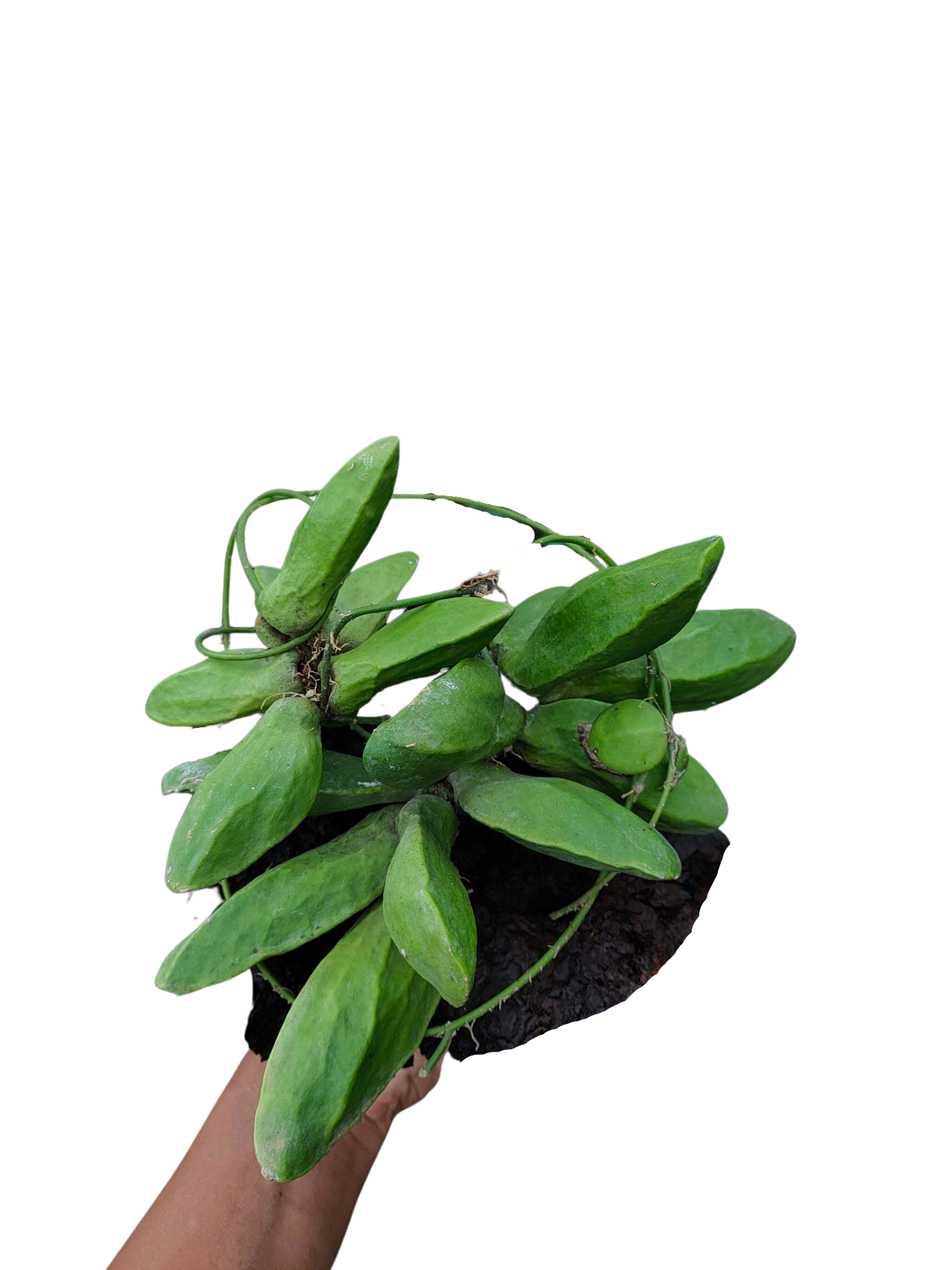
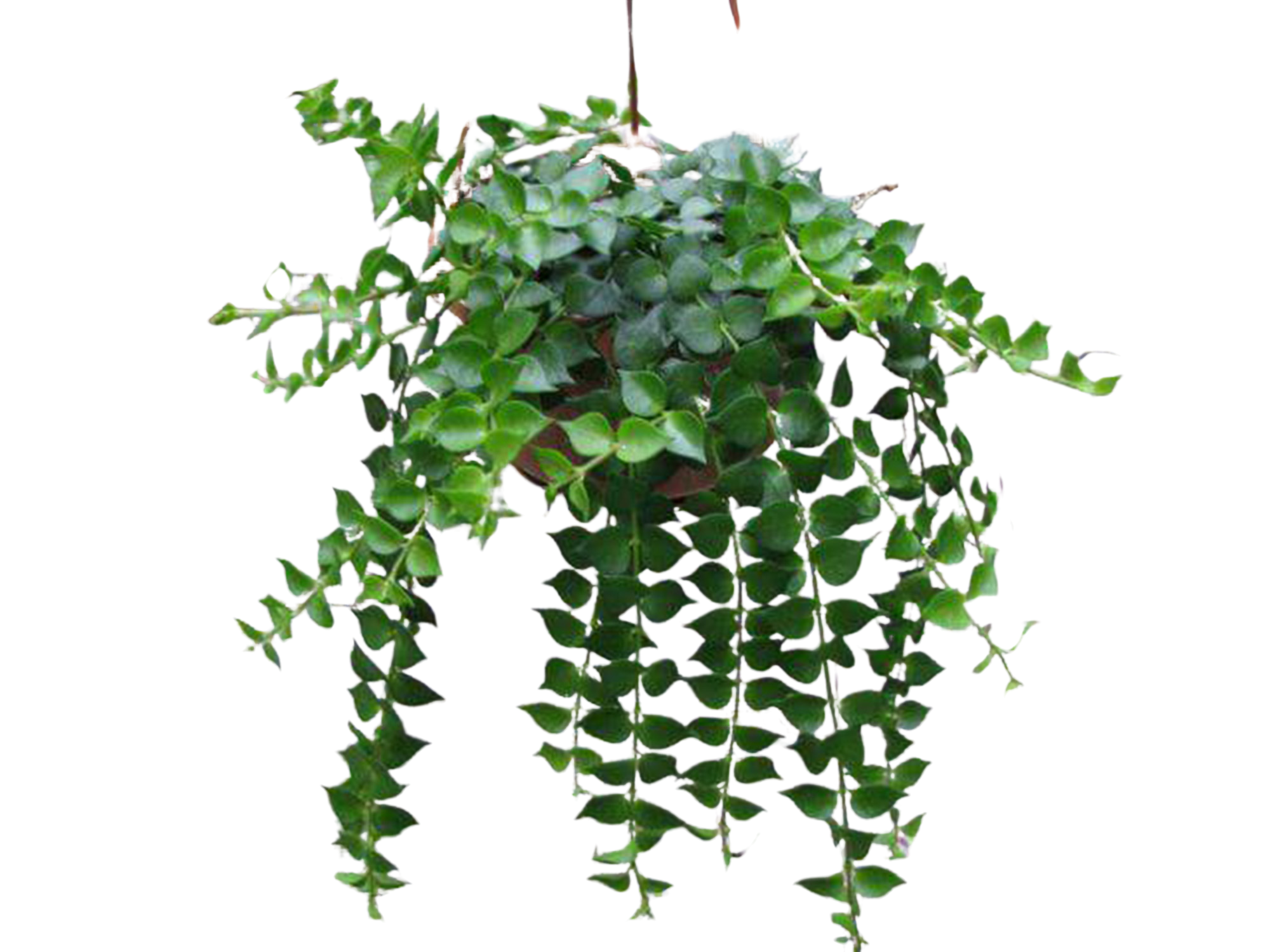
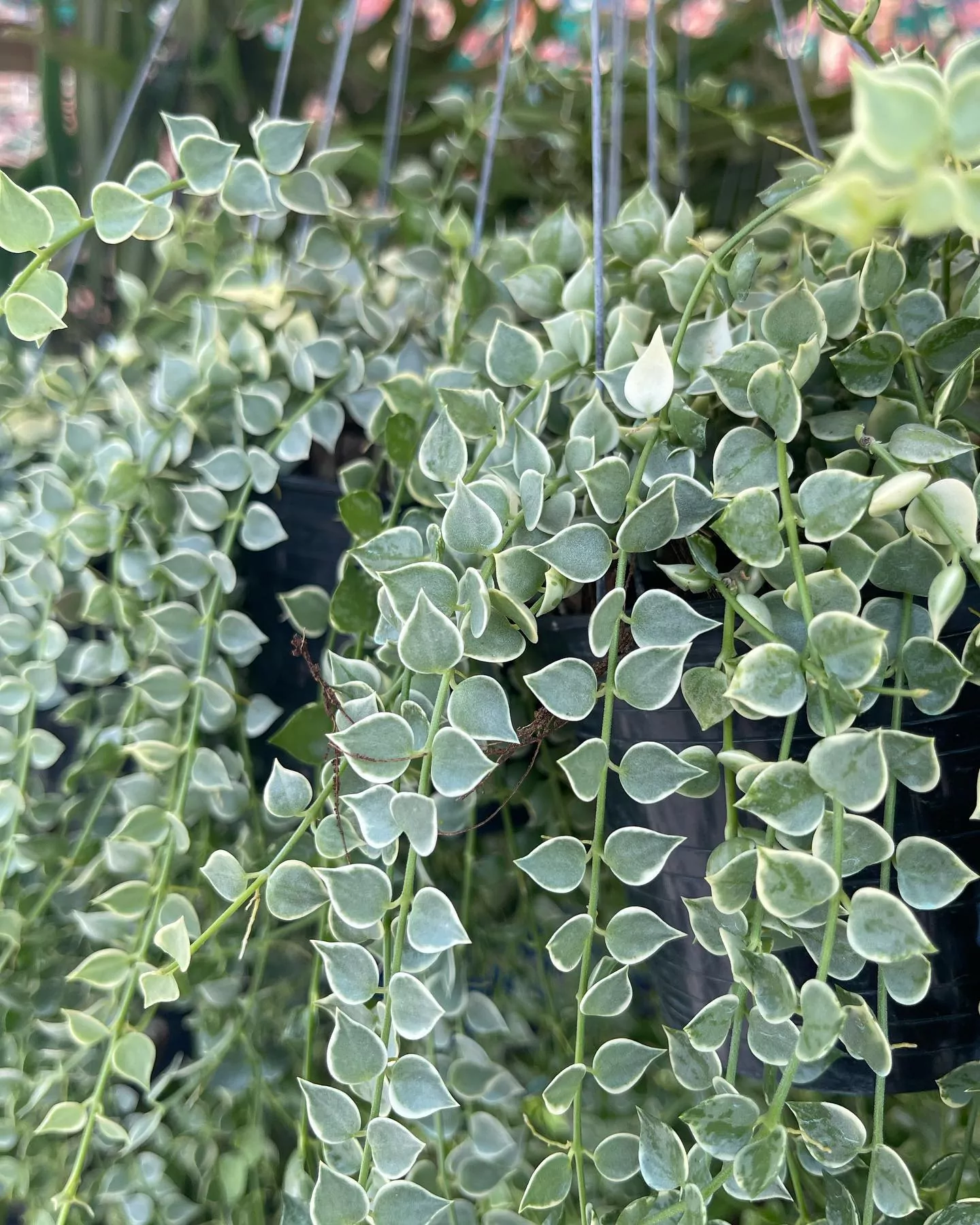
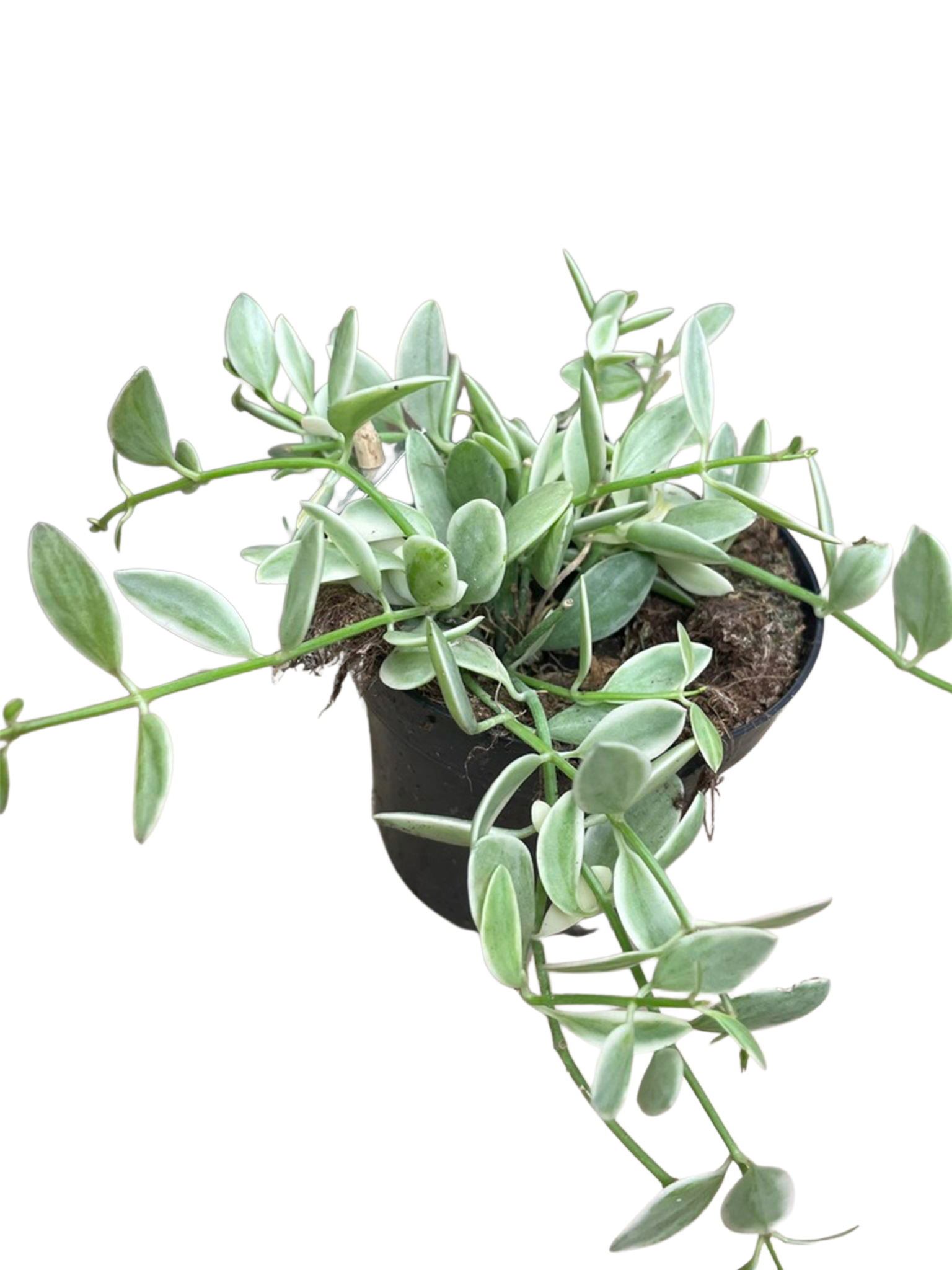
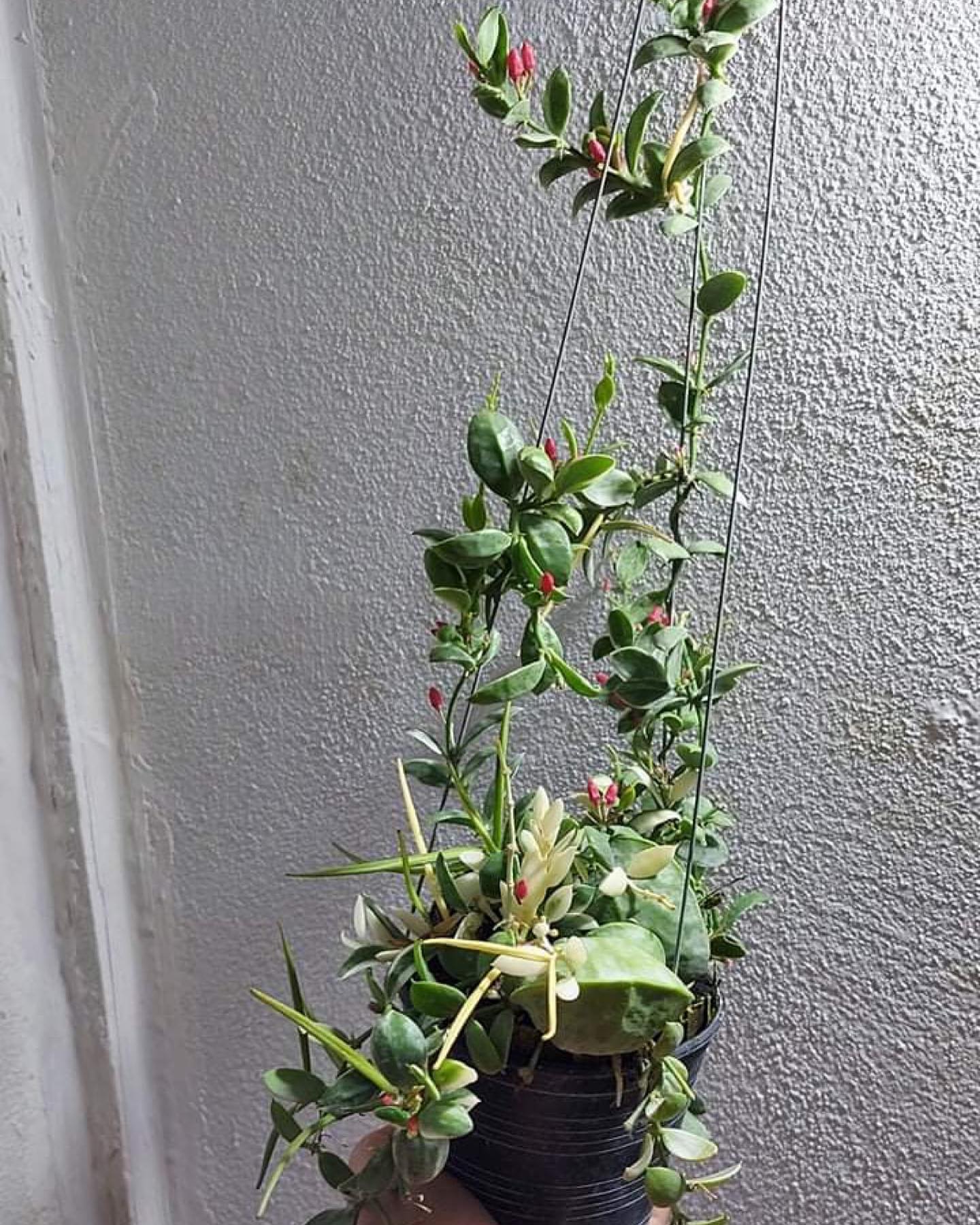
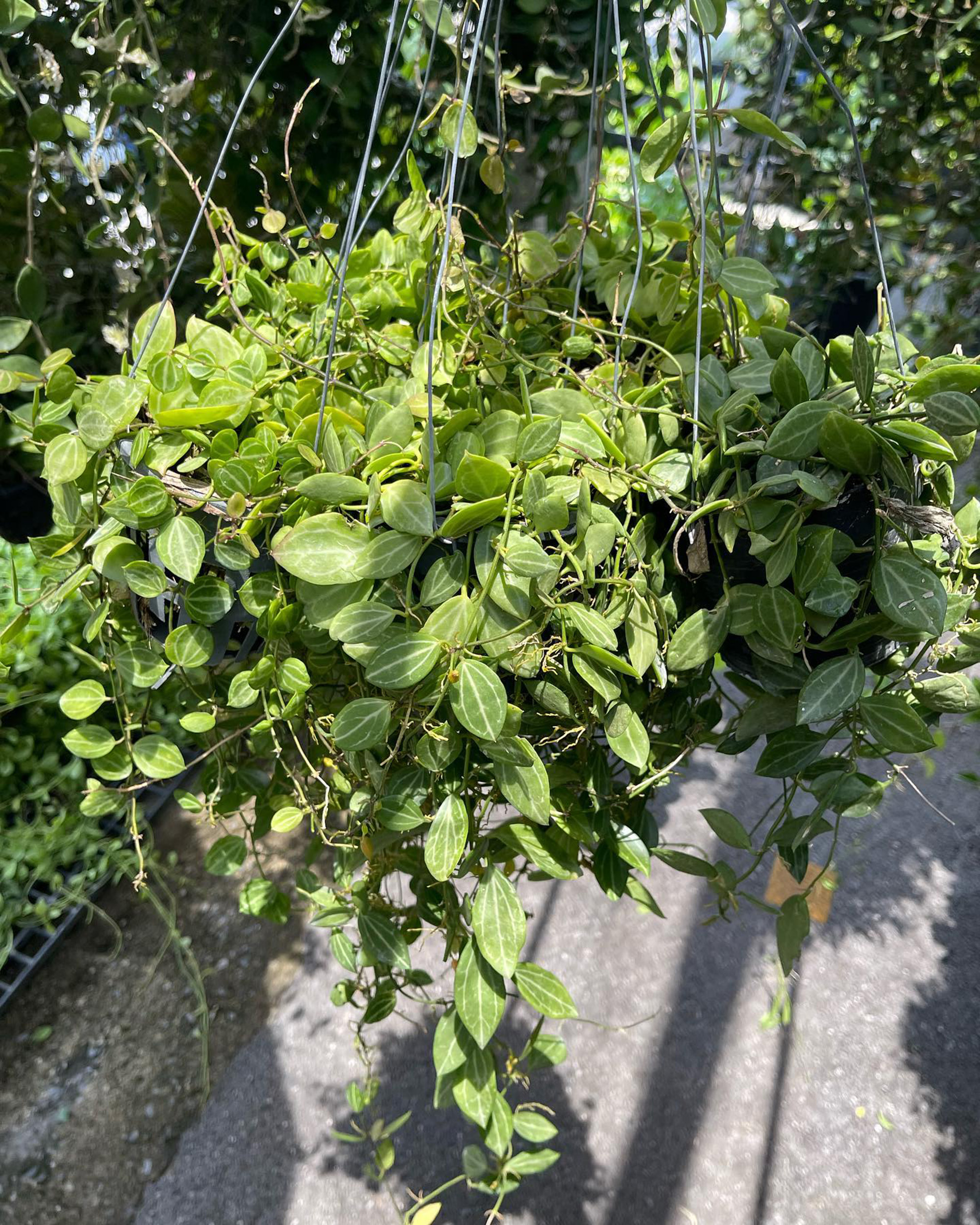
Greenboog Dischidia collection
Compare Dischidia plants without confusing trade names or leaf forms
The product grid above is the live source for price, availability and selectable options. This collection includes trailing Dischidia with round, heart-shaped, patterned and pouch-form foliage. Open the selected product to confirm the written identity, current size, rooted or potted format, image basis and exactly what the order contains.
Built for trailing-plant collectors, international buyers and small nurseries, this guide makes the buying decision easier without labelling Dischidia as an aroid. Dischidia belongs to Apocynaceae and is related to Hoya; its commercial page should therefore stand as its own cluster even though the current store menu places it beside aroids.
Use leaf form and growth habit to narrow the collection
Round or coin-like foliage
Listings using names such as nummularia or “Dragon Jade” should be compared by the written identity, leaf spacing, current stem length and rooting evidence. Similar common names used by different sellers are not enough to verify a plant.
Heart-shaped trailing foliage
Ruscifolia selections are commonly compared for compact heart-shaped leaves, green or variegated presentation and trailing density. Check the current plant rather than assuming every “Million Hearts” listing has the same fullness.
Patterned or variegated foliage
Compare several current leaves for stripe, margin or color distribution. A representative batch can vary, and a bright reference image should not become a guarantee about every stem in the delivered plant.
Pouch-form or unusual growth
Some Dischidia species develop specialized leaves, but that is not a trait of every plant in the genus. Confirm the species or trade label and visible form in the selected listing instead of applying one ant-plant description to the entire collection.
Read the selected listing in this order
| Check | Why it matters | Use this evidence |
|---|---|---|
| Botanical or trade identity | Common names can overlap or be used inconsistently across the market. | Product title, written identity and several foliage details. |
| Exact or representative image | A batch gallery shows a possible range, not one guaranteed plant. | Image wording, captions and current listing notes. |
| Rooted, potted or cutting format | Each format starts the receiving process at a different stage. | Written contents, pot information and root evidence. |
| Stem length and density | A long vine and a dense compact pot create different displays. | Current dimensions, stem count and product photos. |
| Variegation or leaf pattern | Pattern strength can differ between leaves and plants. | Multiple current leaves rather than one showcase close-up. |
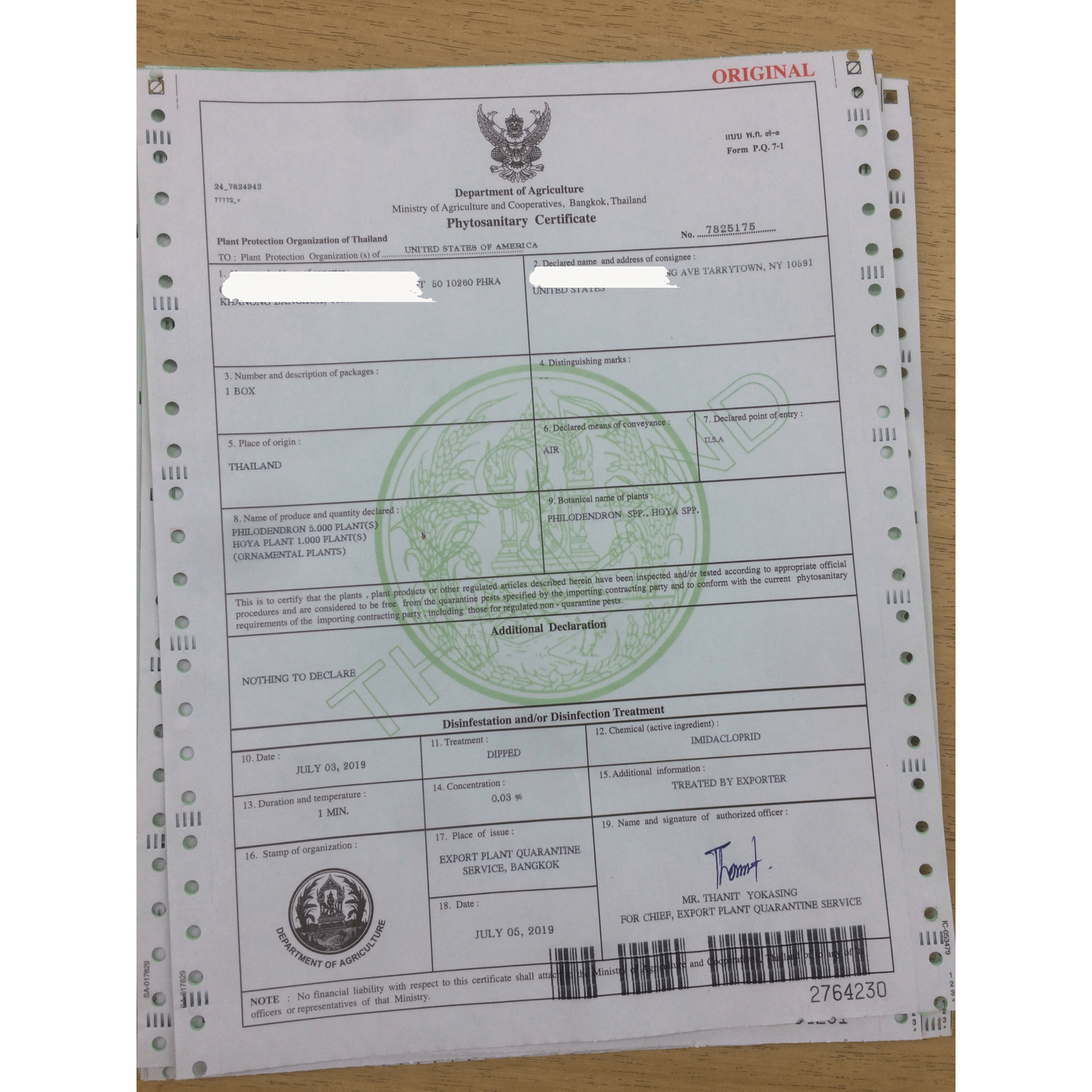
| Destination readiness | Weather, transit time and import requirements affect the order plan. | Current shipping information and destination rules. |
Prepare a stable receiving setup
- Reserve a clean quarantine area away from the established collection.
- Prepare support or hanging space that protects trailing stems from being crushed.
- Photograph the parcel, stems, foliage, roots and medium before irreversible changes.
- Use bright filtered light while the plant settles and avoid an abrupt move into harsh direct sun.
- Assess the received root zone before watering; do not apply one calendar to every pot or medium.
Kew Plants of the World Online accepts Dischidia in Apocynaceae and records a native range from tropical and subtropical Asia to the western Pacific. This corrects the legacy category's aroid claim while keeping the page focused on purchase decisions rather than repeating long care articles.