
Variegation in plants refers to the presence of differently colored areas on the leaves, stems, or flowers. While some plants naturally exhibit variegation, there are also ways to encourage more variegation in plants that don’t usually have it. Encouraging variegation can create some beautiful and unique looking plants!
Light Exposure
Importance of Light Exposure
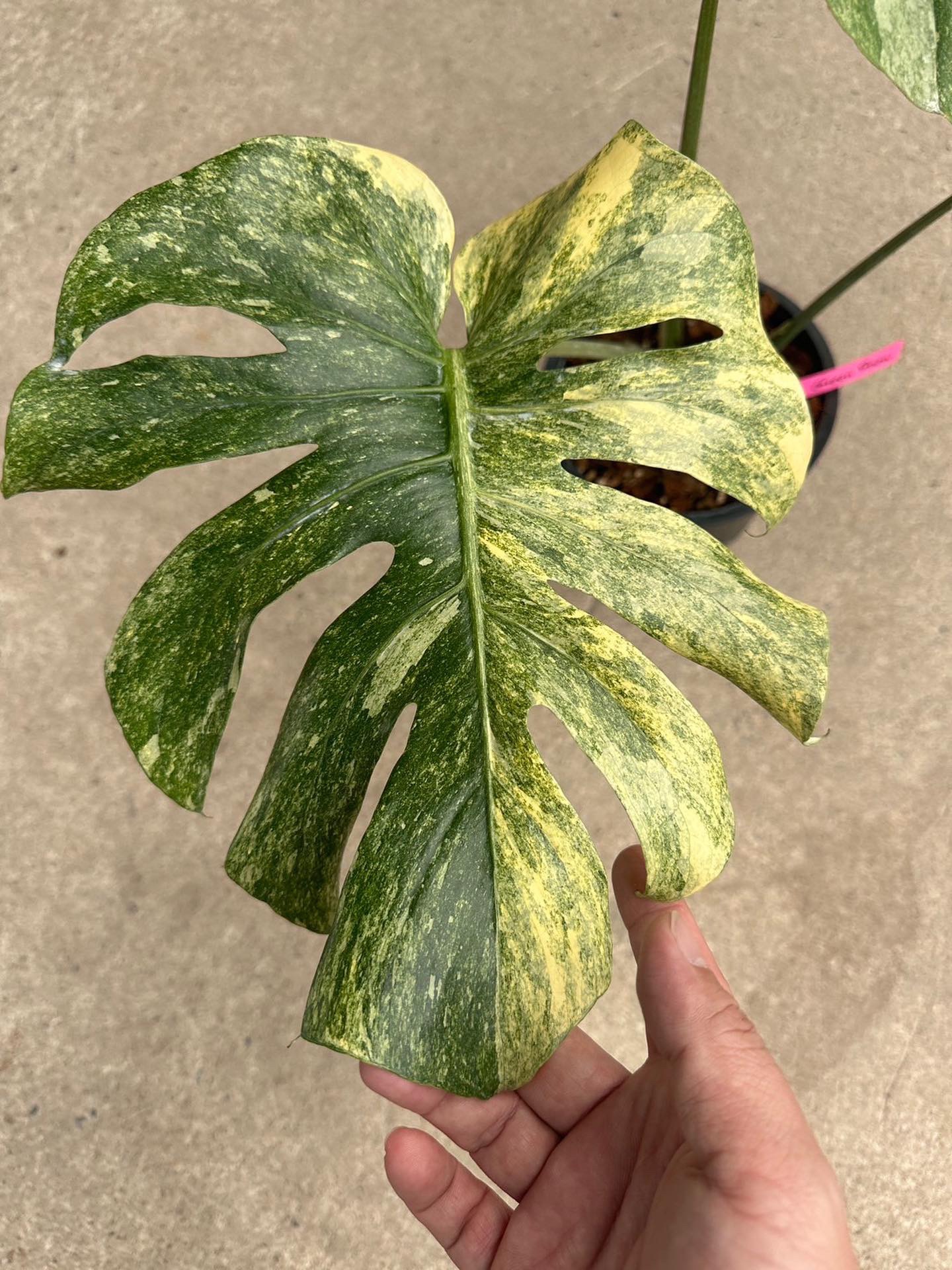
One of the most important factors in encouraging variegation is proper light exposure. Most variegated plants need good amounts of sun to continue producing the pigments that lead to the lighter colored areas on the leaves or stems. Without adequate sunlight, you may notice the variegated areas fading or disappearing altogether.
Optimizing Sunlight
When encouraging variegation, optimize the sunlight that your plants receive. Generally, variegated plants do best with at least 4-6 good hours of direct sun every day. Carefully observe your plants to see if the variegated areas increase with more sunlight. Rotate plants or move containers around to ensure even sun exposure. You may need to provide supplemental lighting during darker months.
Soil Nutrients
Macronutrient Effects
The availability of macronutrients like nitrogen, phosphorus, and potassium in the soil also plays a key role in variegation. Too much nitrogen can cause variegated plants to lose their lighter pigmented areas and become fully green. On the other hand, restricting nitrogen may encourage more variegation.
Micronutrient Balance
Proper levels of micronutrients are also important for encouraging variegation. Manganese, zinc, iron, magnesium, and copper allow plants to produce chlorophyll and anthocyanins. Pay attention to fertilization and consider using a fertilizer specifically formulated for variegated plants.
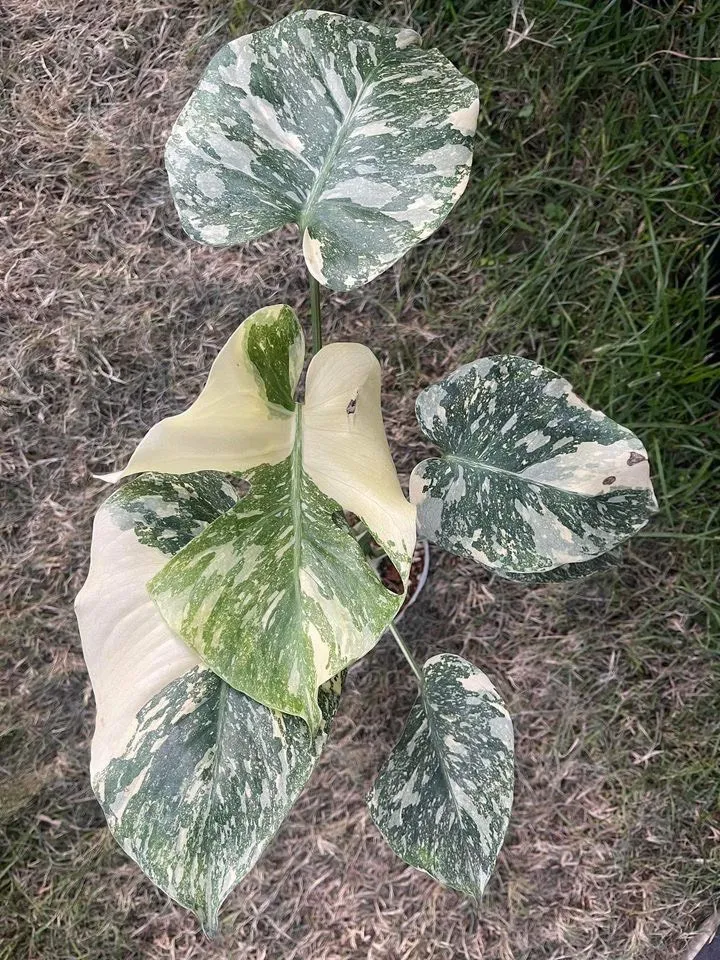
List of the most sought after Rare Variegated Plants in 2023
Propagation Methods
Stem and Leaf Cuttings
Taking stem or leaf cuttings from already variegated plants, when possible, can help propagate the variegated characteristics. The cuttings allow new plants to be created that maintain the same genetic variegation. Take 3-6 inch tip cuttings in spring or early summer and root hormone can help speed root growth.
Seeds
When working with variegated plants that produce seeds, collecting and replanting the seeds can also breed some consistency in keeping variegation. However, variegation expression can be less predictable when growing from seeds. Pinch off flowers to prevent unwanted crosses that may minimize variegation.
Environmental Stressors
Light Changes
While steady light is important, some subtle light changes can actually help enhance variegation too. For example, a very light shade cloth that only reduces sunlight by 10-30% placed over plants can sometimes improve variegation. Lightly filtering the sunlight seems to stress the plants just enough.
Temperature Fluctuations
Slight temperature stresses may also help plants exhibit more variegation. Some drops down to 50-60??F at night can encourage more color variations in leaves. However, avoid excessive cold or heat that risks plant health decline. Monitor soil moisture closely as environmental changes impact water needs.
Fertilizer Applications
Reduced Fertilizer
Applying reduced or limited fertilizer can sometimes boost variegation expression. Variegated plants tend to do well with lower nitrogen and mildly deficient soil nutrition. Slow release organic fertilizers with micronutrients are ideal. Observe plant responses to determine optimal fertilization rates.
Foliar Feeding
Using foliar sprays with key nutrients can also manipulate variegation. Spray mixtures of iron, magnesium, manganese, zinc, and copper offers plants access to micronutrients without high nitrogen. Foliar fertilization targets nutrients right to the leaves and stems where pigments develop.
Where to buy Rare Variegated Plants? Benefits from importing plants from Thailand
- Shipping: Door to door shipping, fast and safe with Dragon Courier
- Biodiversity: Thailand is known for its rich biodiversity, including a wide variety of aroid species. This diversity allows importers to access a broad range of unique and exotic aroid plants.
- Quality and Health of Plants: The suitable climate helps the plants grown here stay healthy and of high quality.
- Cost-Effectiveness: Due to favorable growing conditions and efficient production methods, Thai aroid plants can often be more cost-effective compared to those from other countries.
- Access to Hybrid Varieties: Thai growers are often involved in the development of new hybrid aroid varieties, offering unique plants that may not be available from other sources.
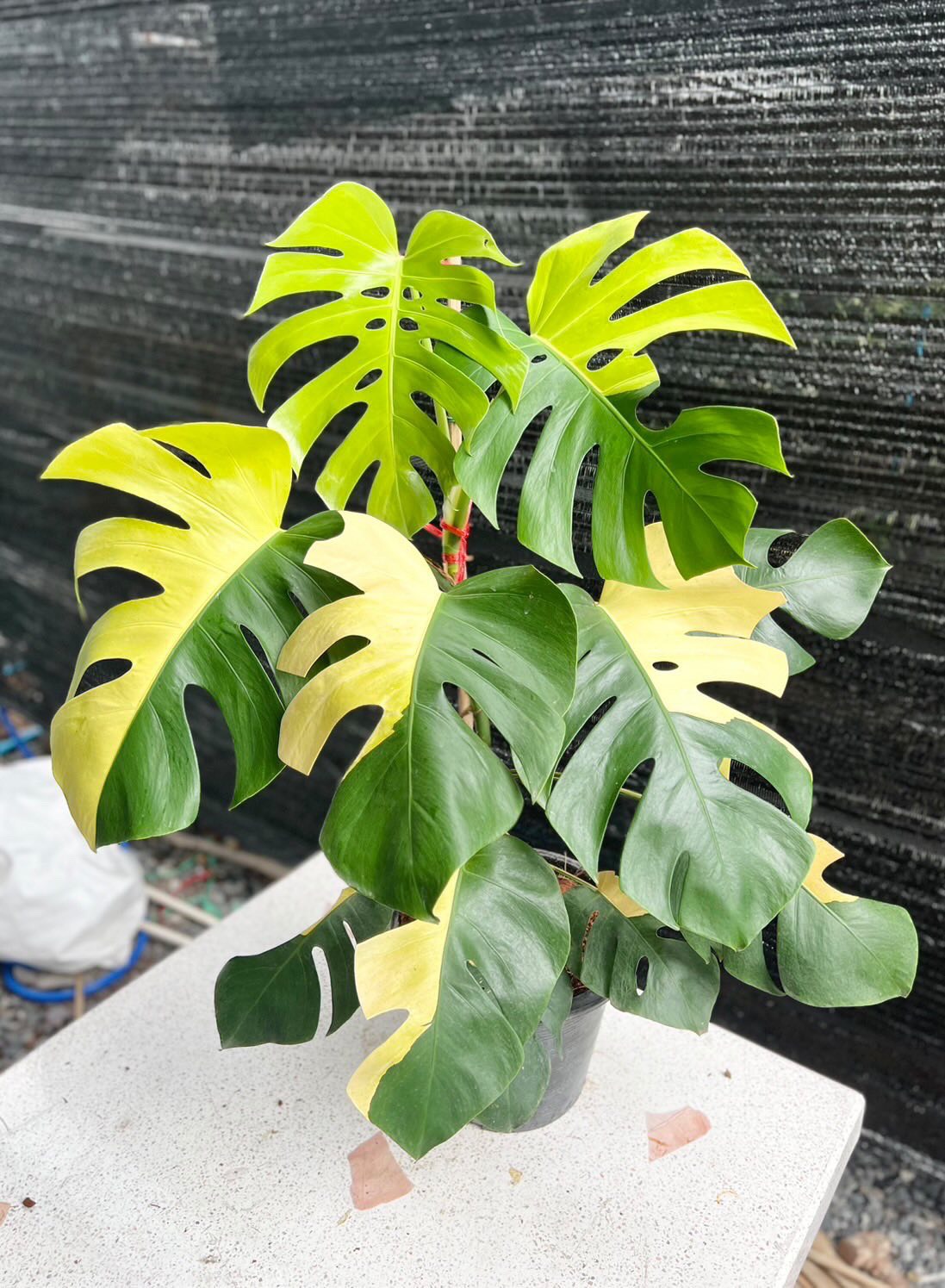
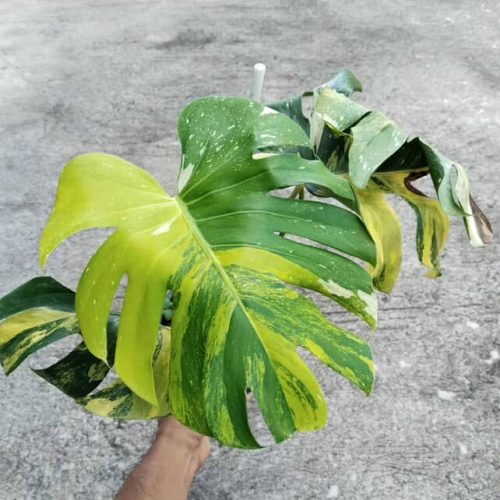
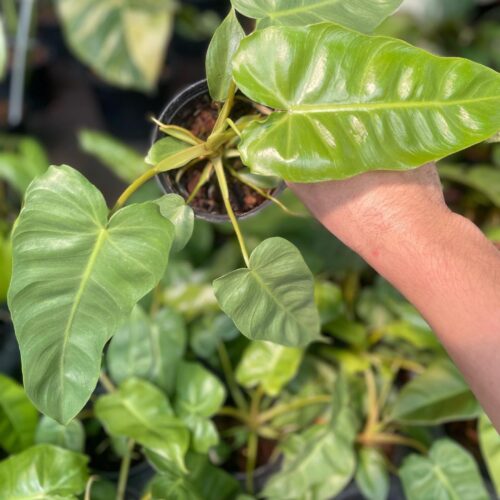
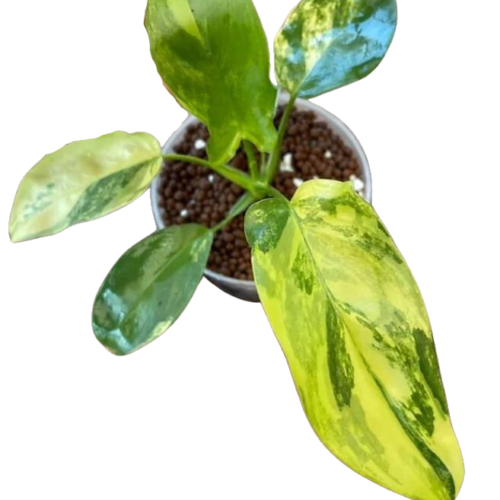
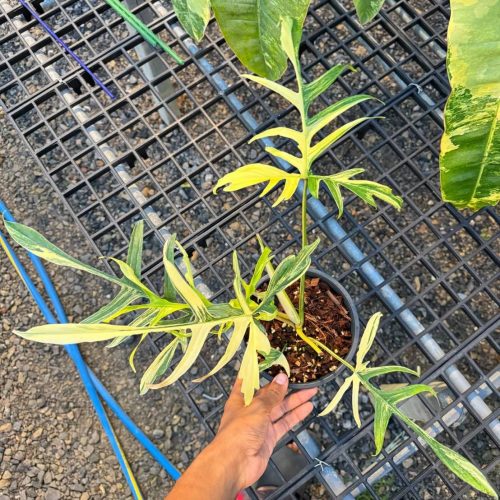
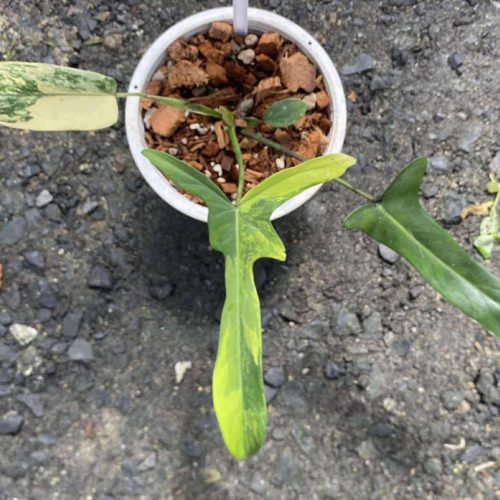
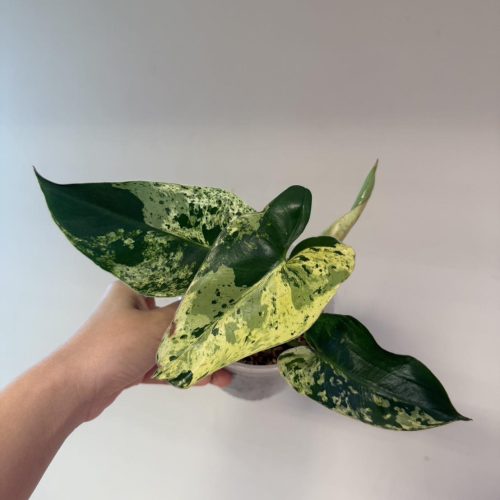
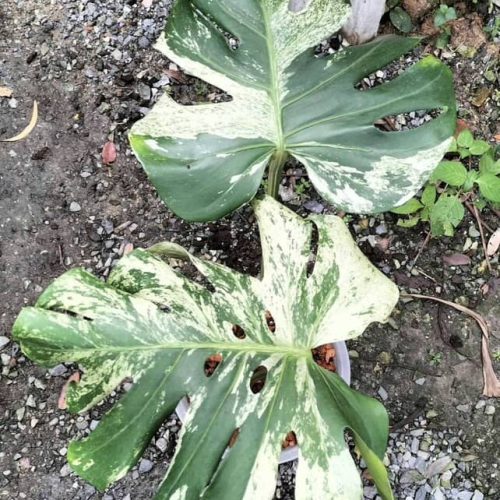
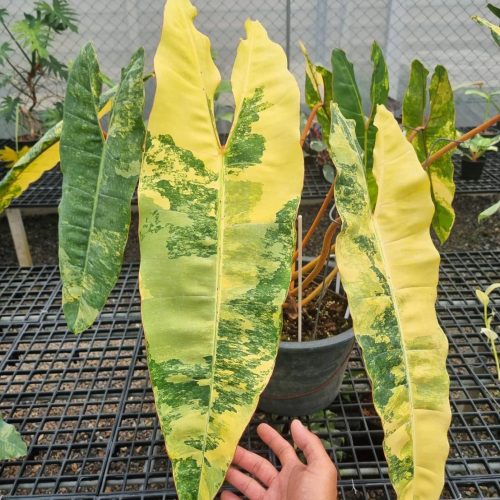
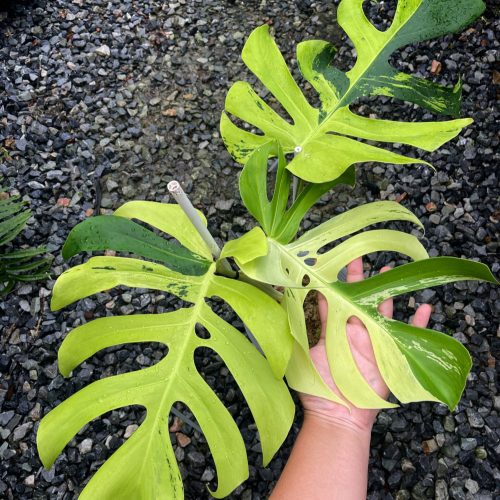
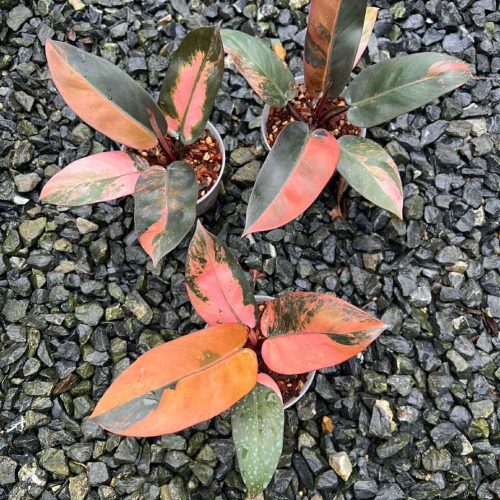
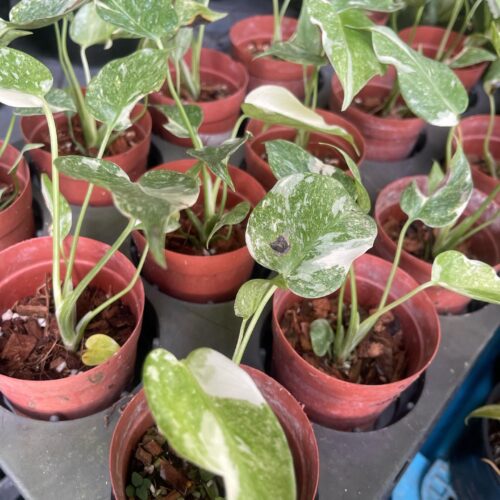
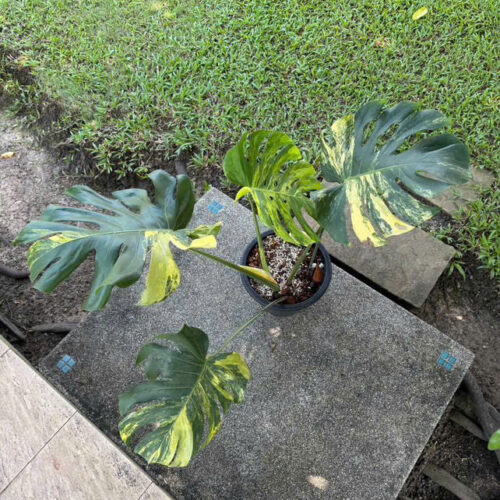
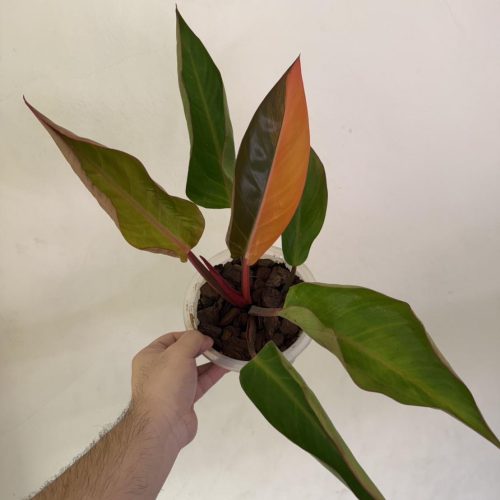
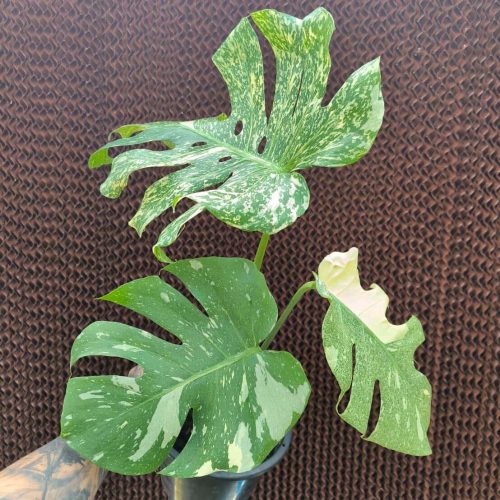
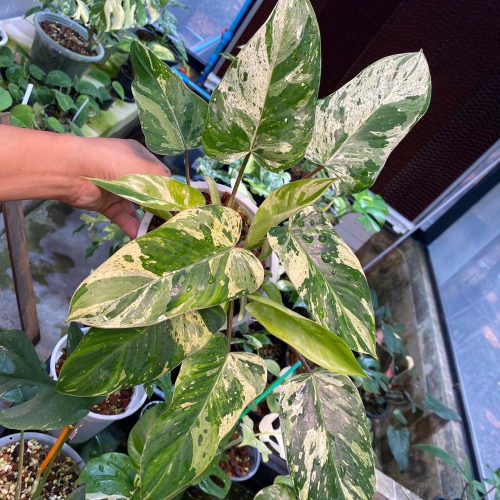
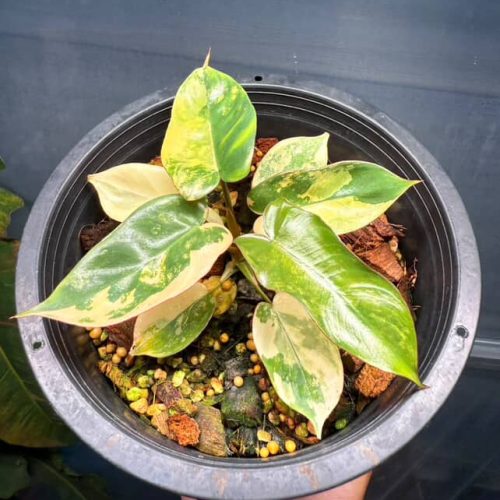
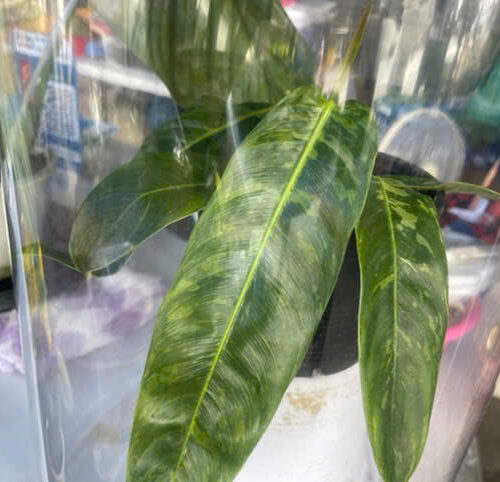
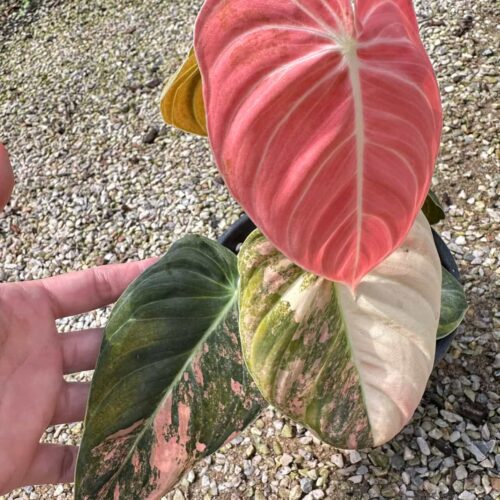
Rare Variegated Plants species are the most sought after by aroid plant lovers

Conclusion
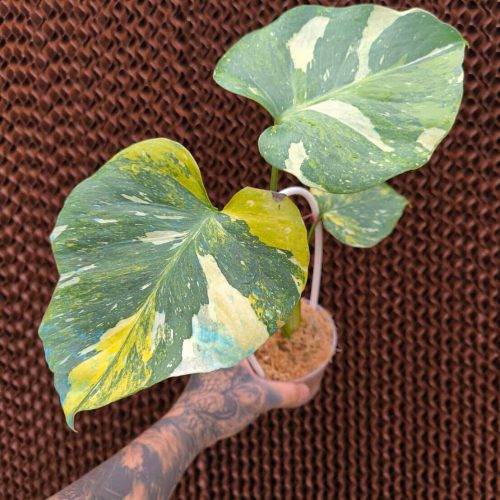
Encouraging beautiful variegation in plants requires paying close attention to light and soil conditions. Optimize sunlight exposure, limit nitrogen availability, maintain micronutrient balance through strategic fertilization, and provide small environmental stresses. With the right approach, you can achieve gorgeous multicolored plant specimens for any garden. Carefully tailor conditions to bring out the best variegation possible!
FAQ
- What is variegation in plants, and why is it desirable?
- Variegation in plants refers to the presence of differently colored areas on a plant’s leaves or stems. It is desirable for its aesthetic appeal and can enhance the overall beauty of a plant. Variegated plants often have a unique and striking appearance.
- What are some common methods to encourage variegation in plants?
- There are several methods to encourage variegation in plants, including selecting variegated plant varieties, providing proper lighting conditions, regular pruning, and maintaining appropriate nutrient levels. Each method may vary depending on the specific plant species.
- Do all plants have the potential for variegation, or is it limited to certain species?
- Variegation is not limited to specific plant species, but some plants are more likely to exhibit variegation naturally. However, with the right care and conditions, many plants can develop variegation to some extent.
- What are the challenges and common issues associated with maintaining variegated plants?
- Variegated plants may require more attention and care than non-variegated counterparts. Common challenges include maintaining consistent lighting, preventing reverting (loss of variegation), and addressing potential pest or disease issues that variegated plants can be more susceptible to.
- Can I propagate variegated plants, and if so, what are the best methods for doing so?
- Yes, you can propagate variegated plants, but it can be more challenging than propagating non-variegated ones. Common propagation methods include stem cuttings, division, and in some cases, seeds. It’s essential to follow specific guidelines for each plant species to ensure successful propagation while preserving variegation.
See more Rare Beauty Unveiled: Why Variegated Plants Cost More
