

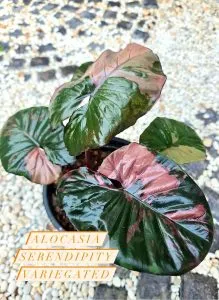
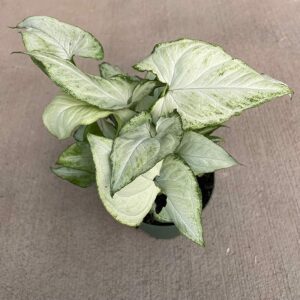


Alocasia
Showing all 39 results
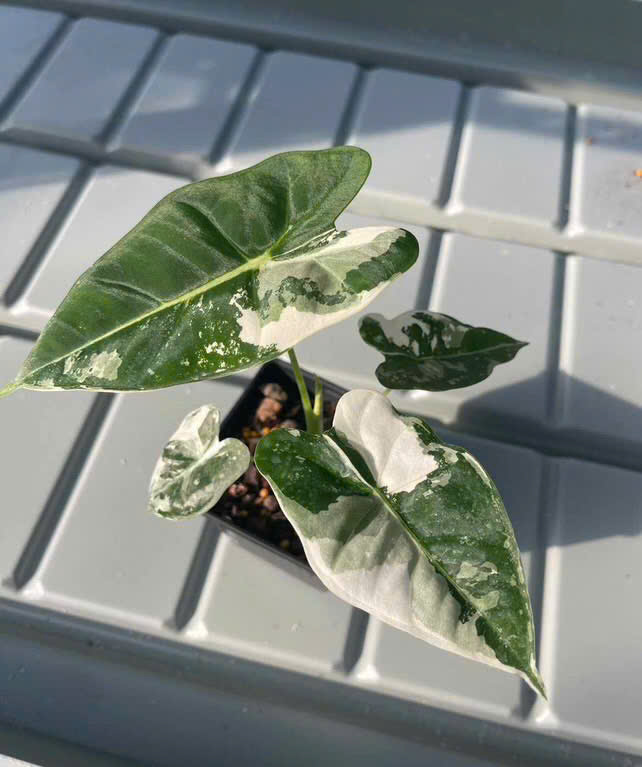
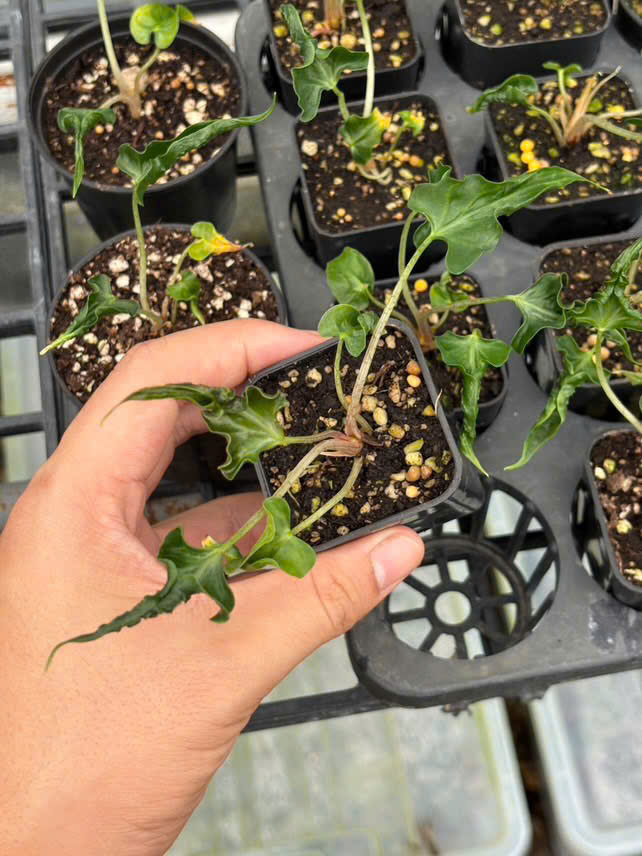
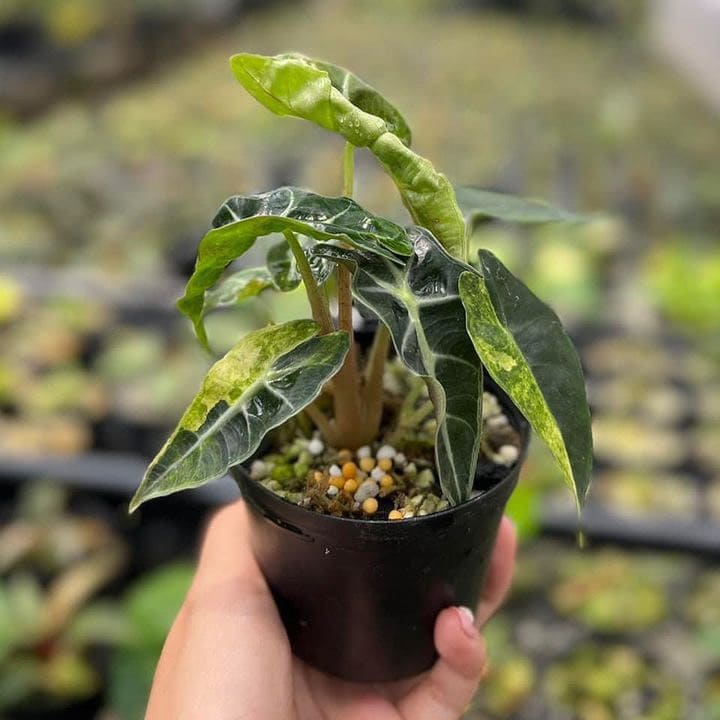
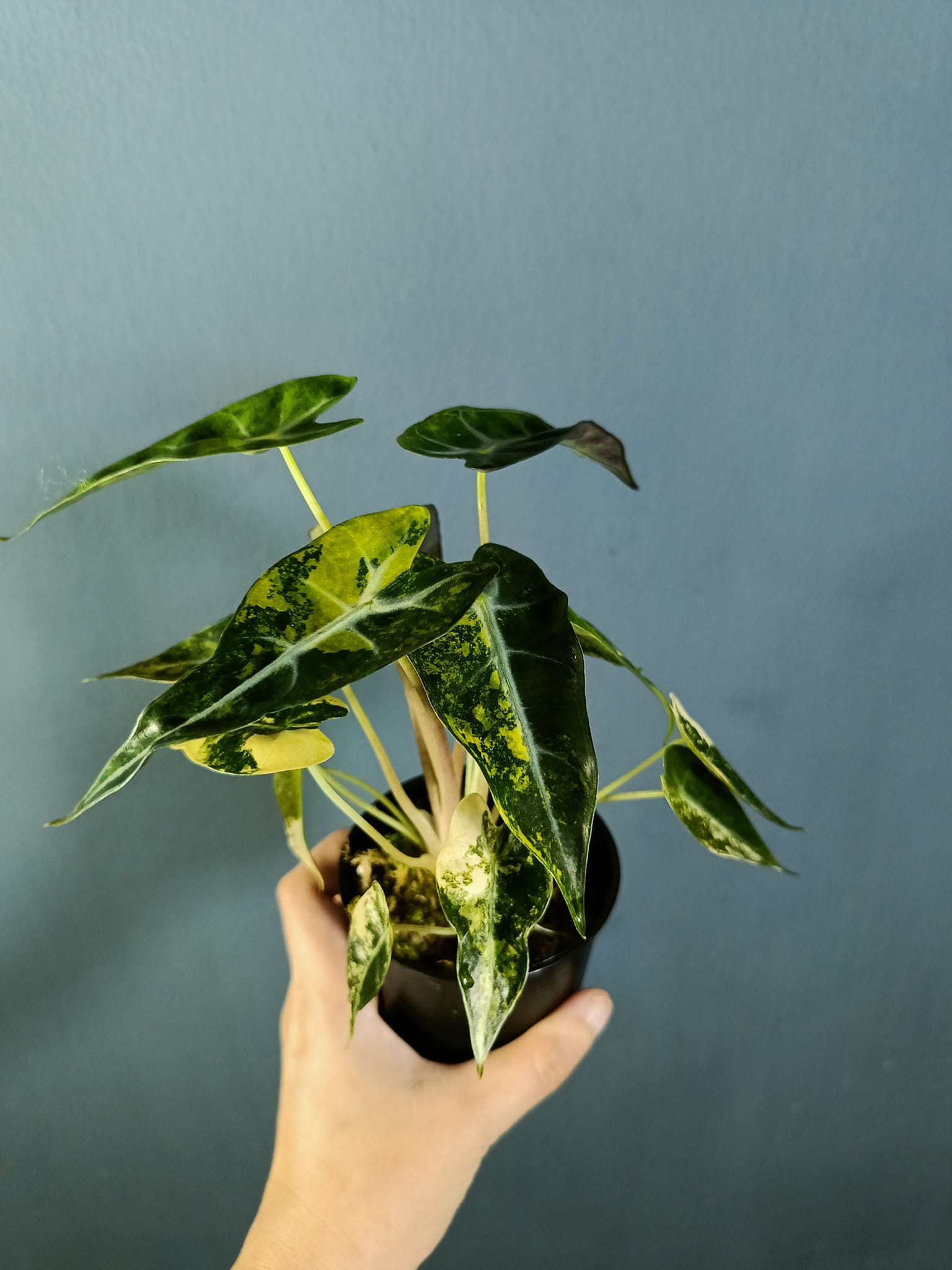
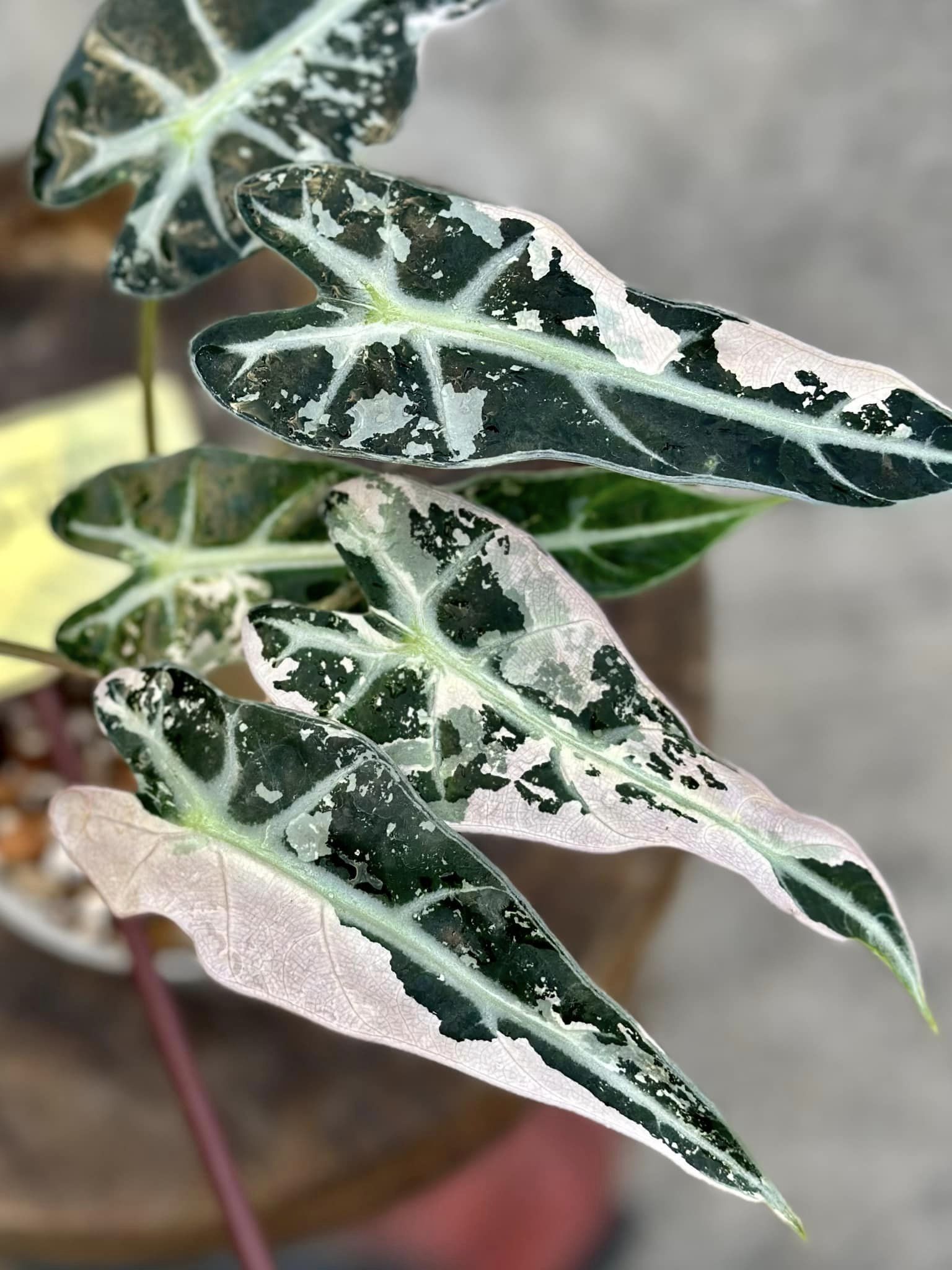


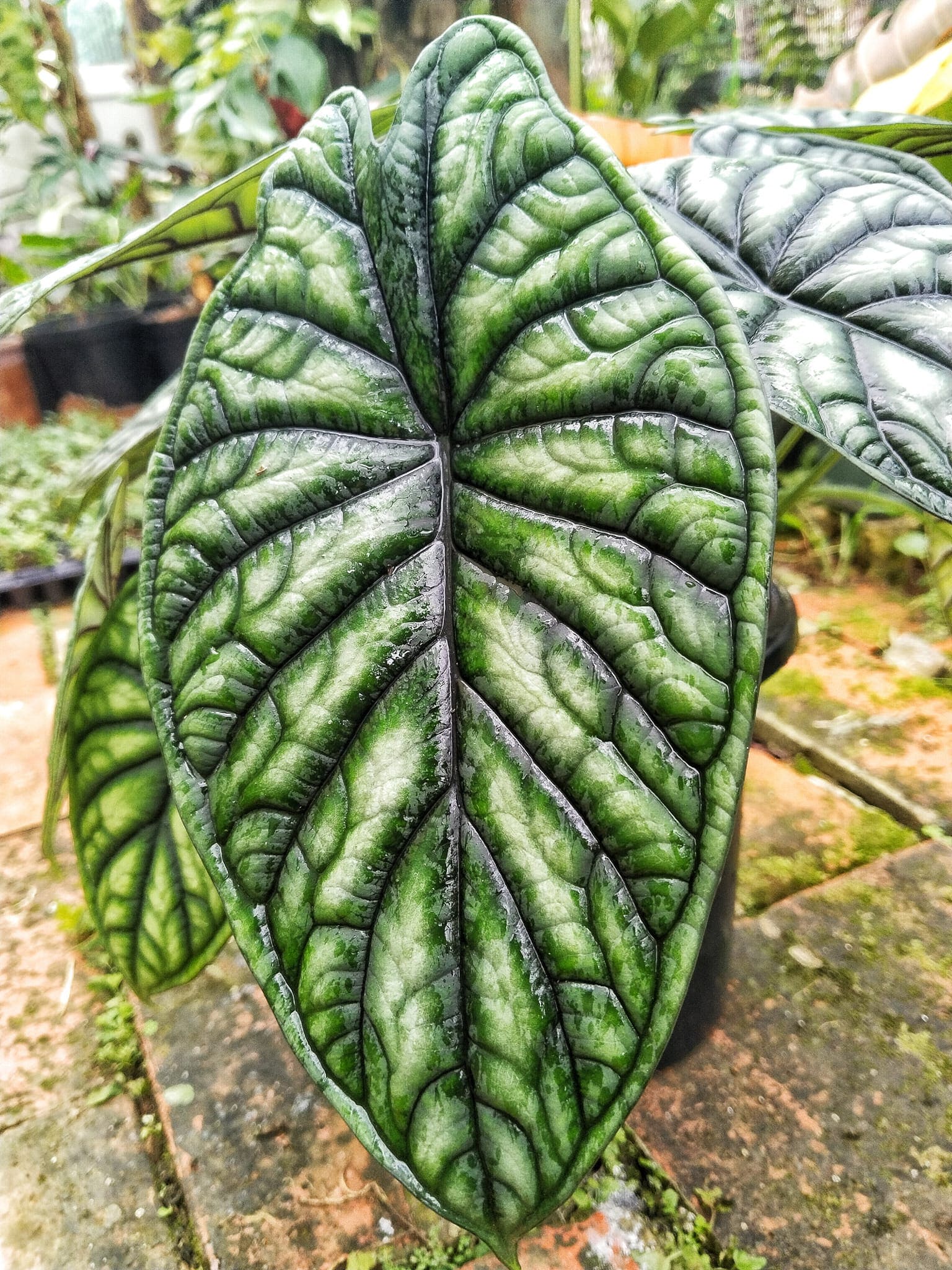
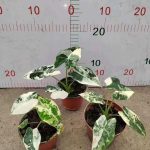
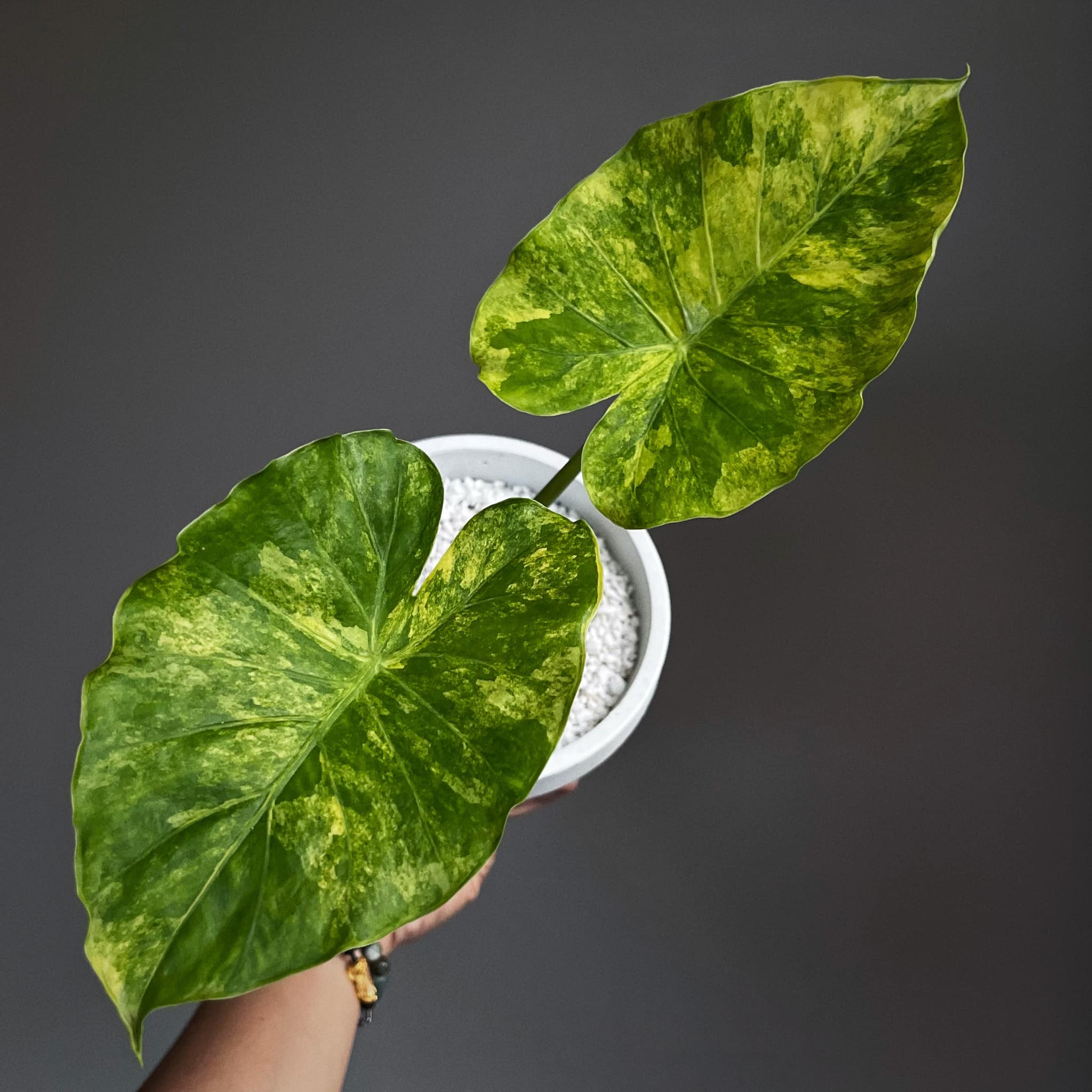

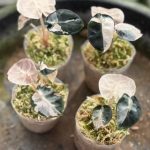

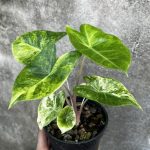
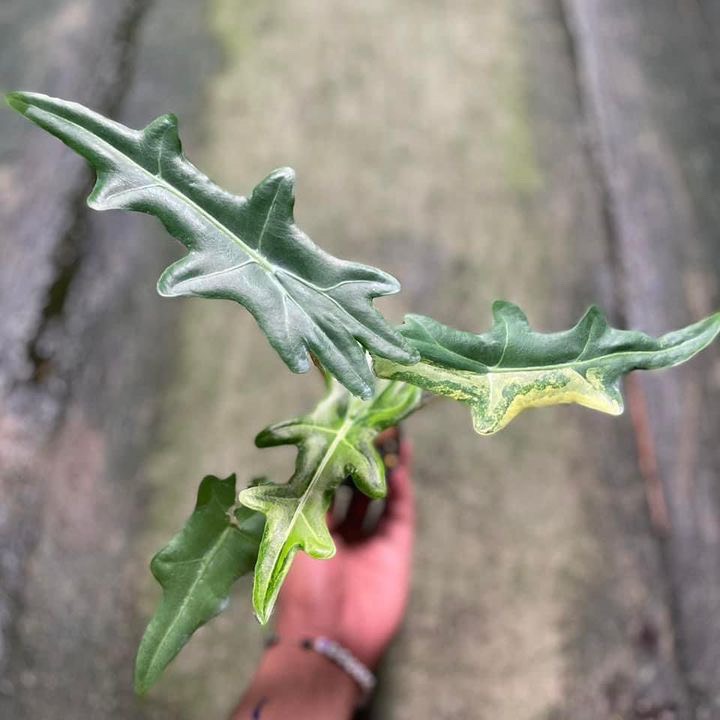
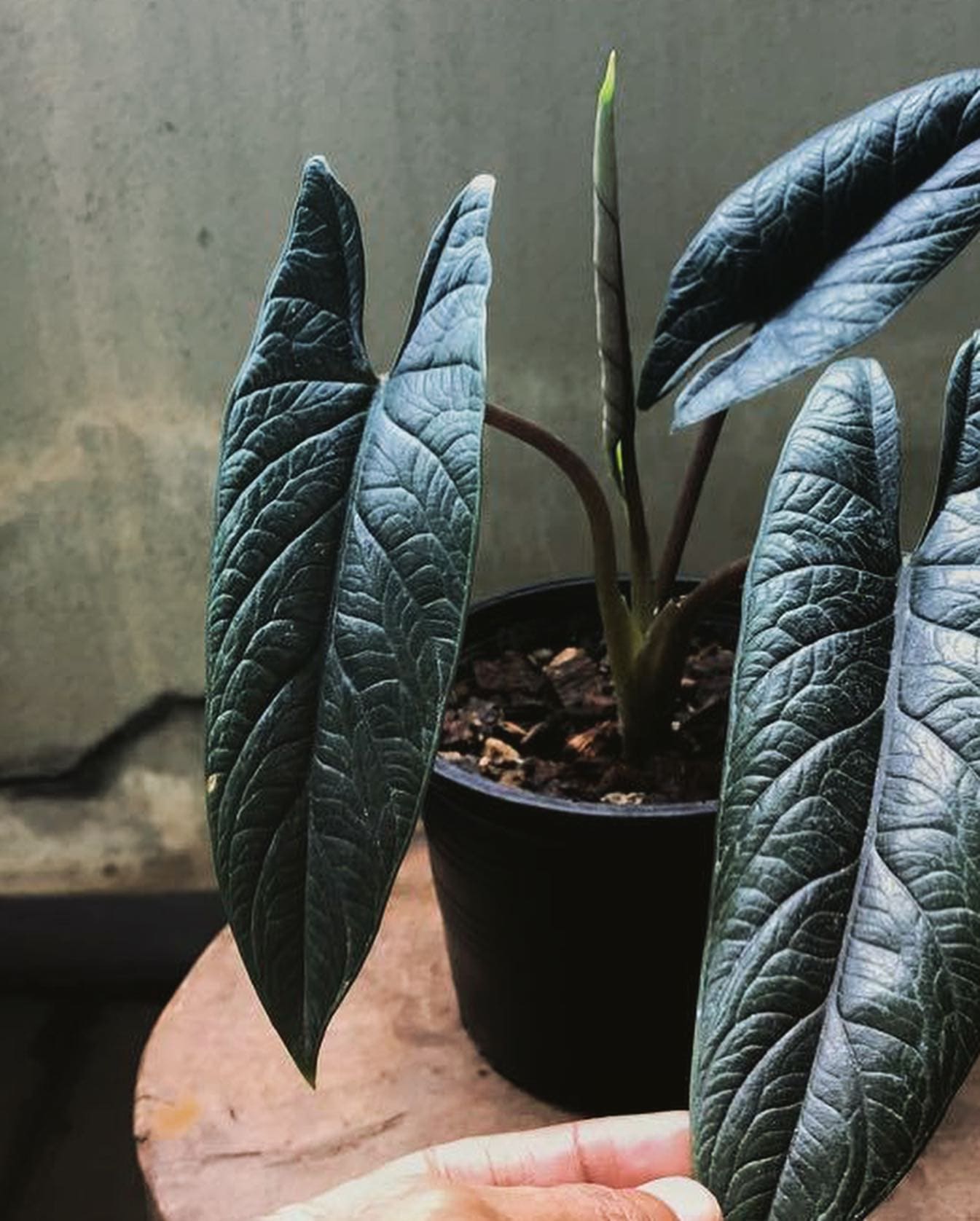
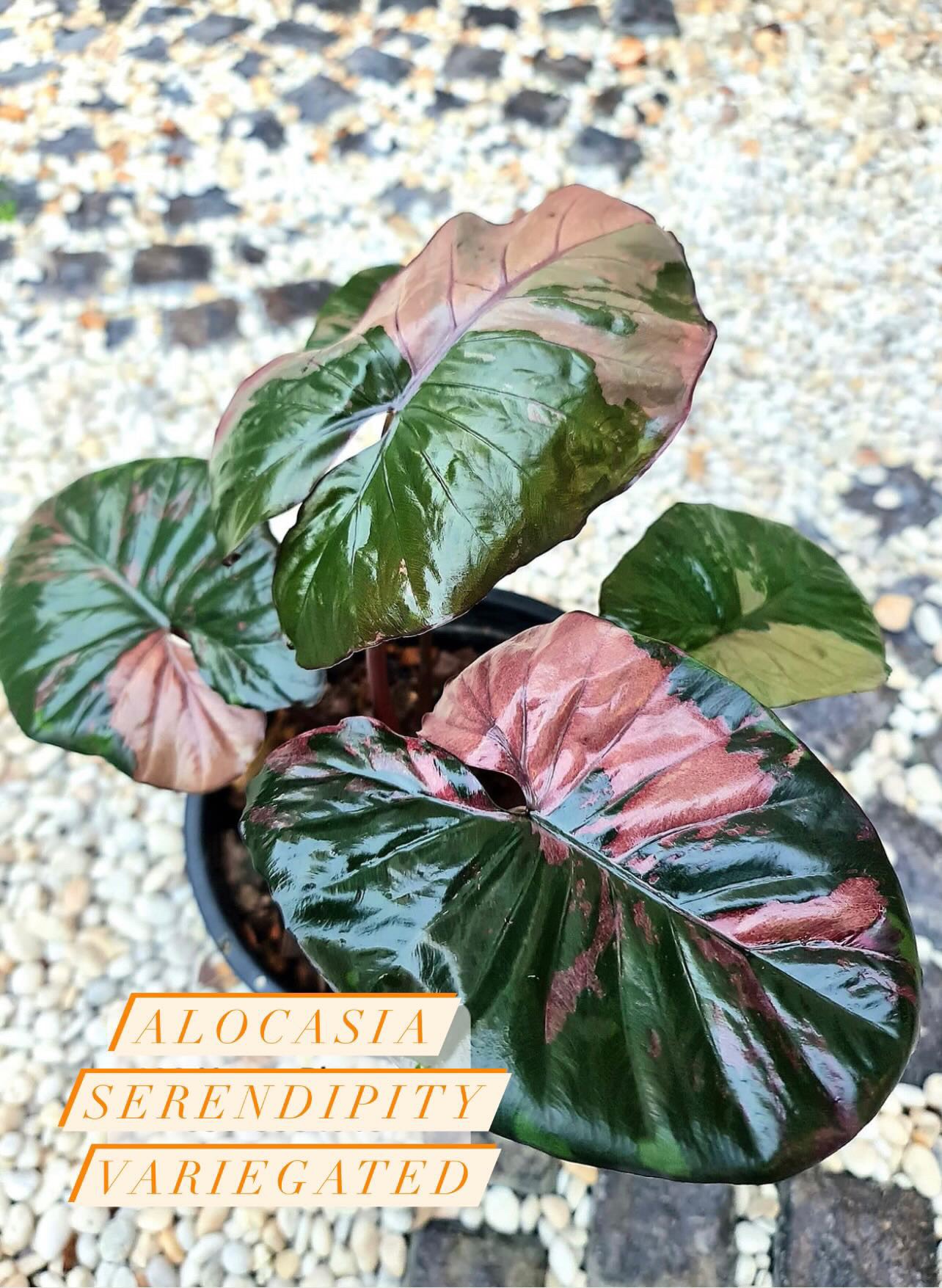
Greenboog Alocasia buyer guide
Choose by plant stage and footprint—not one dramatic leaf
The product grid above is the live source for current stock, price and available variations. Before checkout, confirm the selected pot or plant format, current size, exact-versus-representative imagery, quantity and variegation wording; then compare the plant’s likely footprint with your light, warmth and receiving space.
This collection is for rare-foliage collectors, international buyers and small nurseries comparing current Alocasia. Leaf texture and color attract attention, but plant stage, root condition, growth habit and transit sensitivity determine what happens after delivery.
Decide which evidence matters for your setup
Compact foliage forms
A smaller current pot may fit a shelf now, but the named plant’s eventual spread still matters. Use the selected listing for present size and the entity guide for growth context.
Larger structural forms
Broad leaves and long petioles need stable floor or bench space. Check current pot size, shipping format and whether the room can support future width without crowding foliage.
Variegated selections
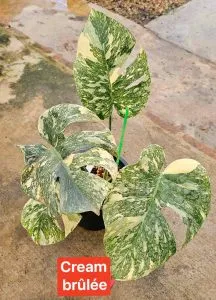
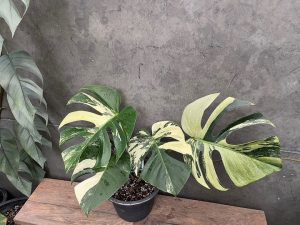
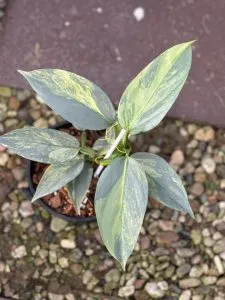
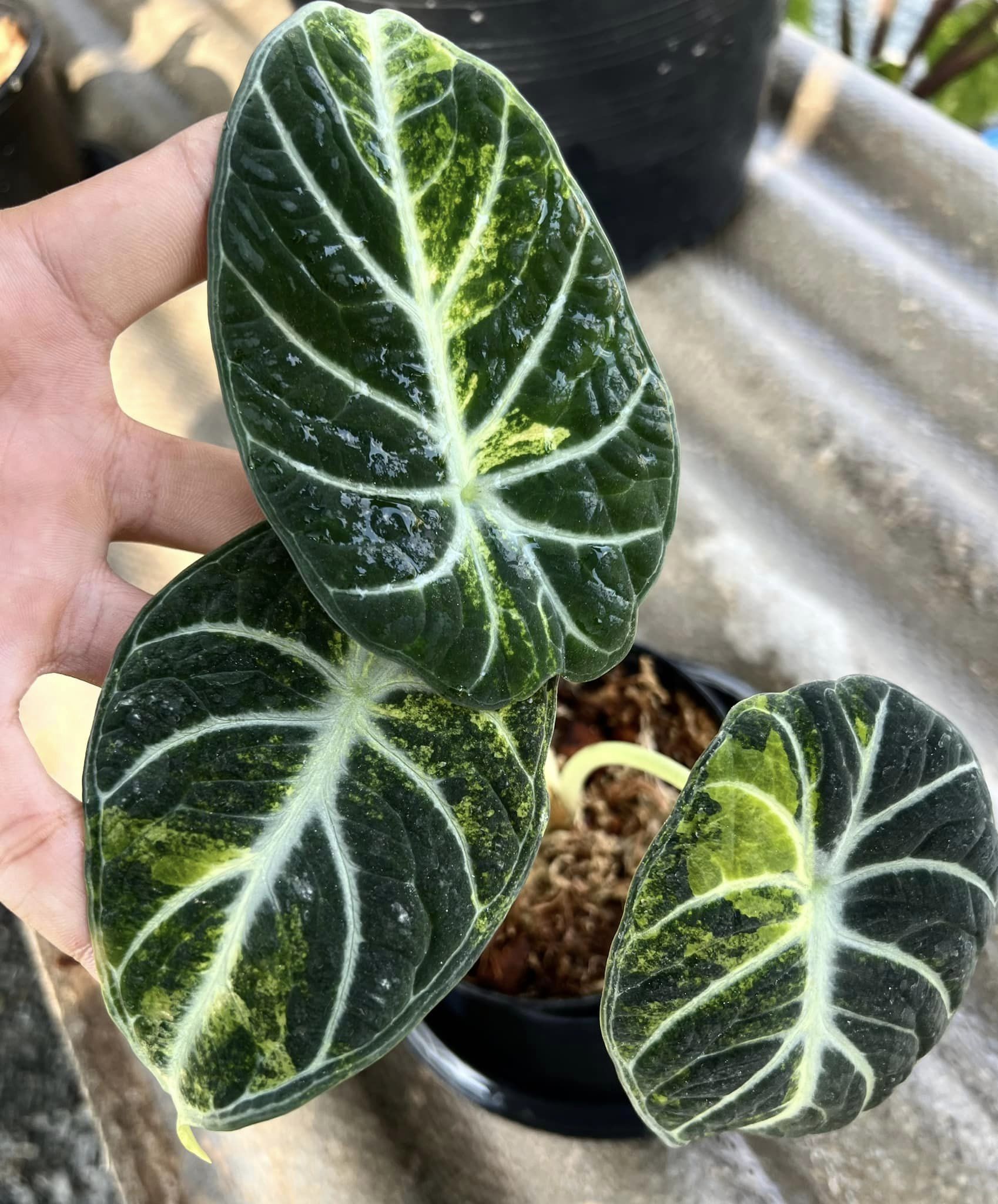
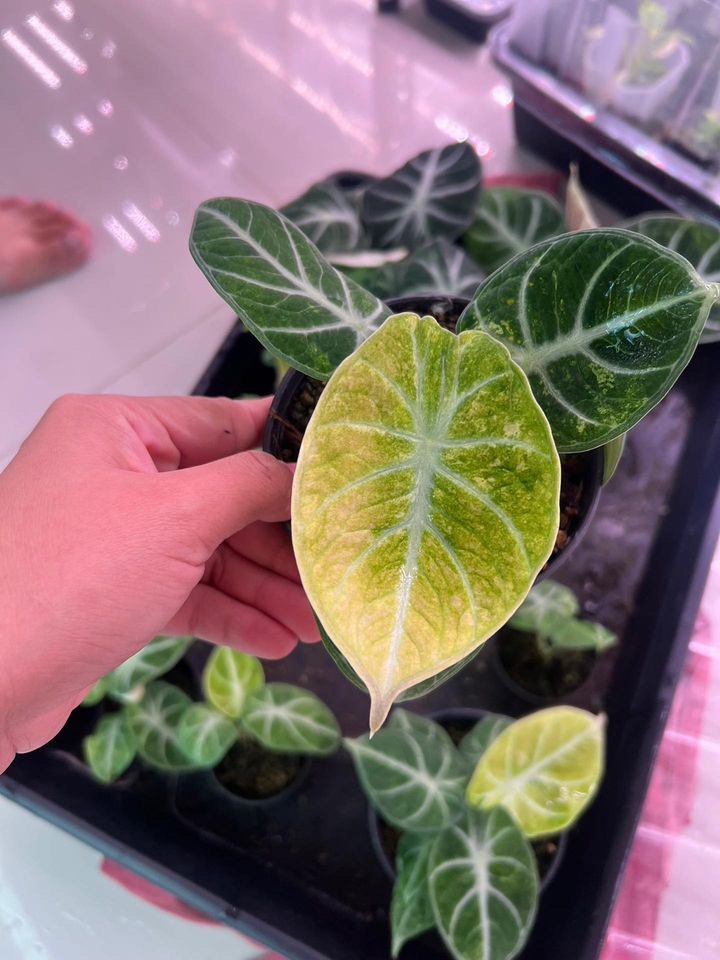
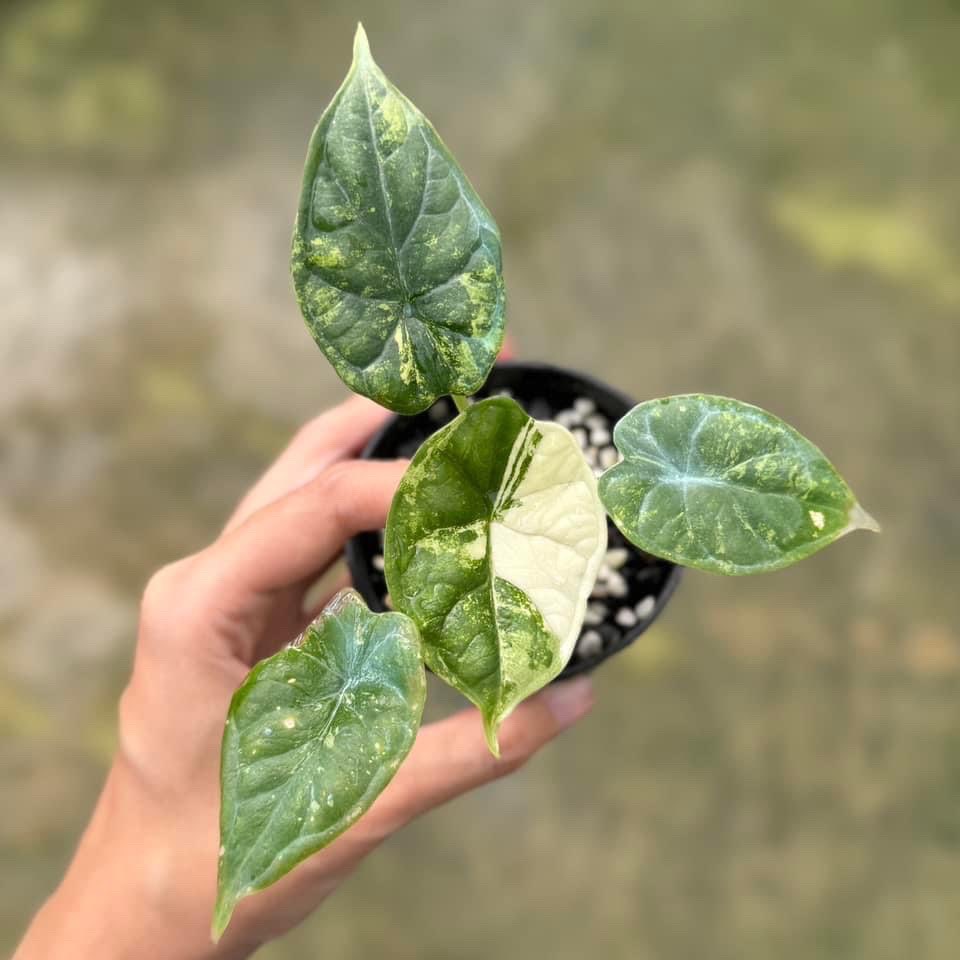
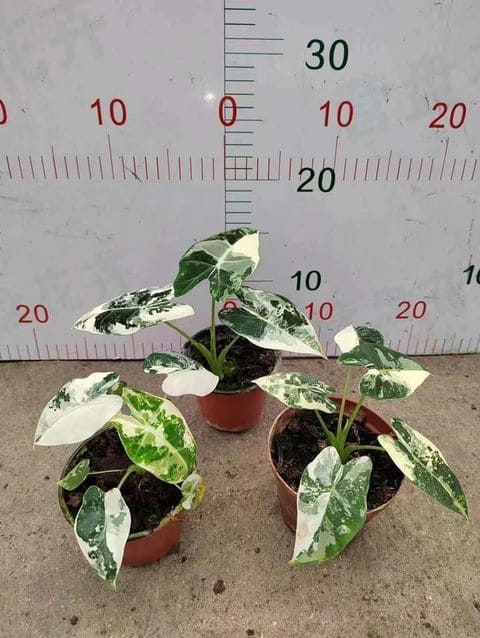
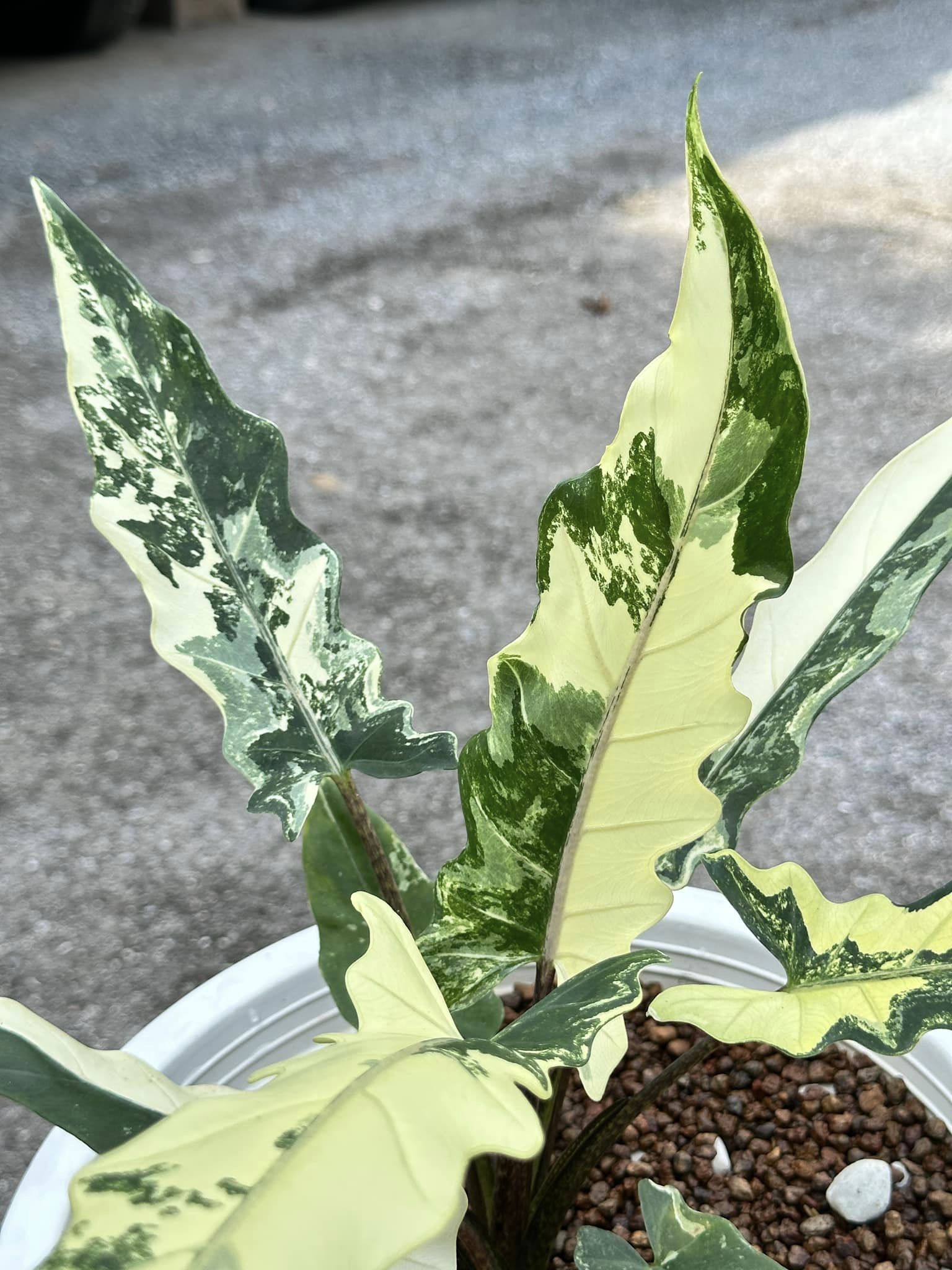
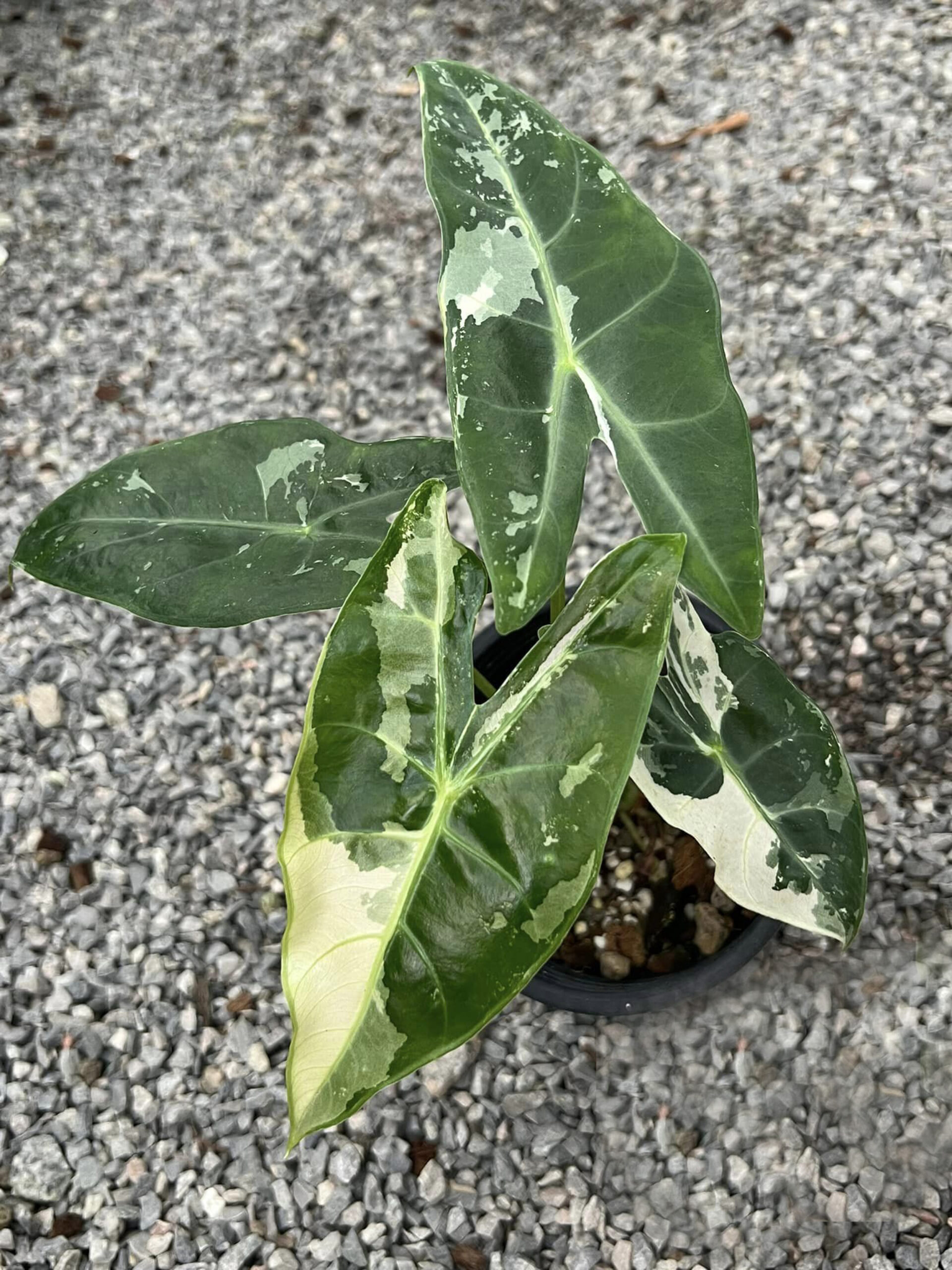
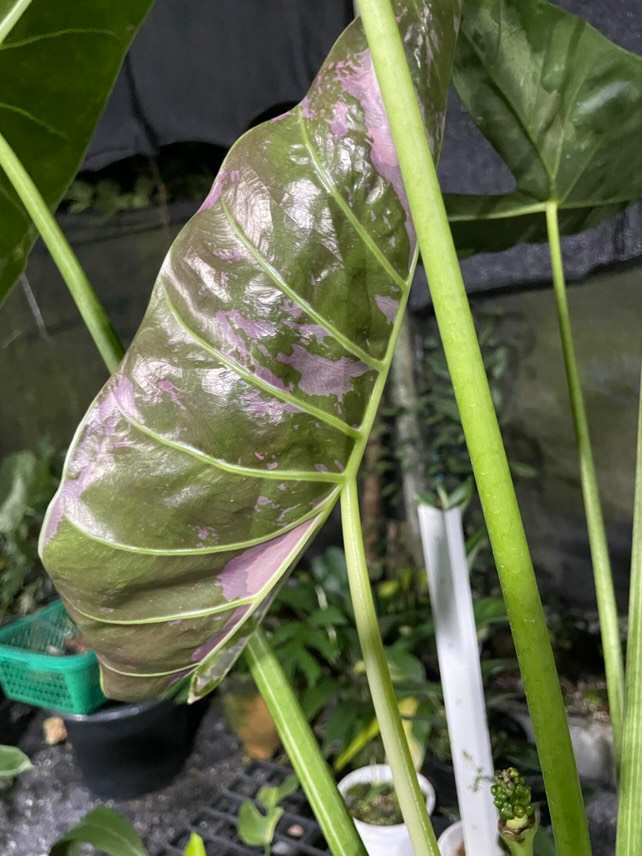
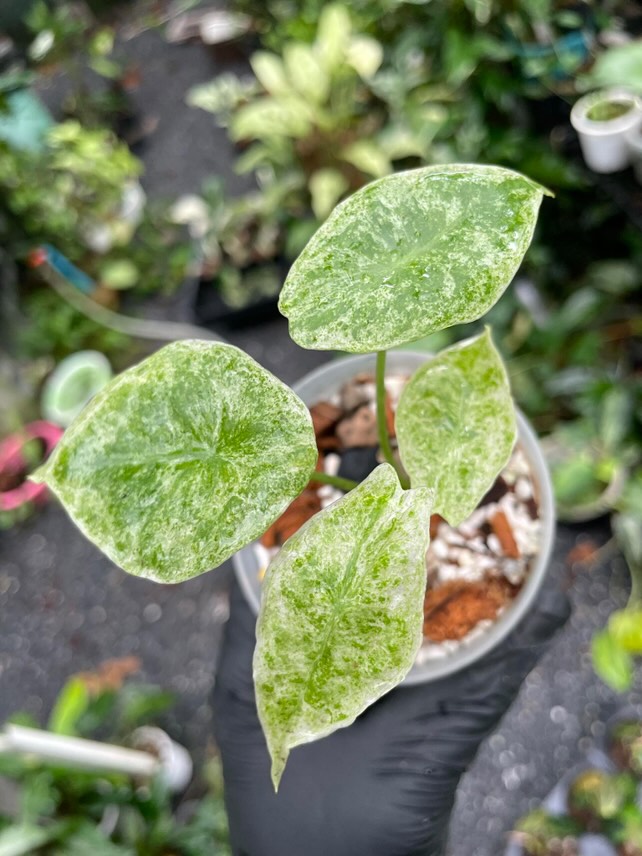
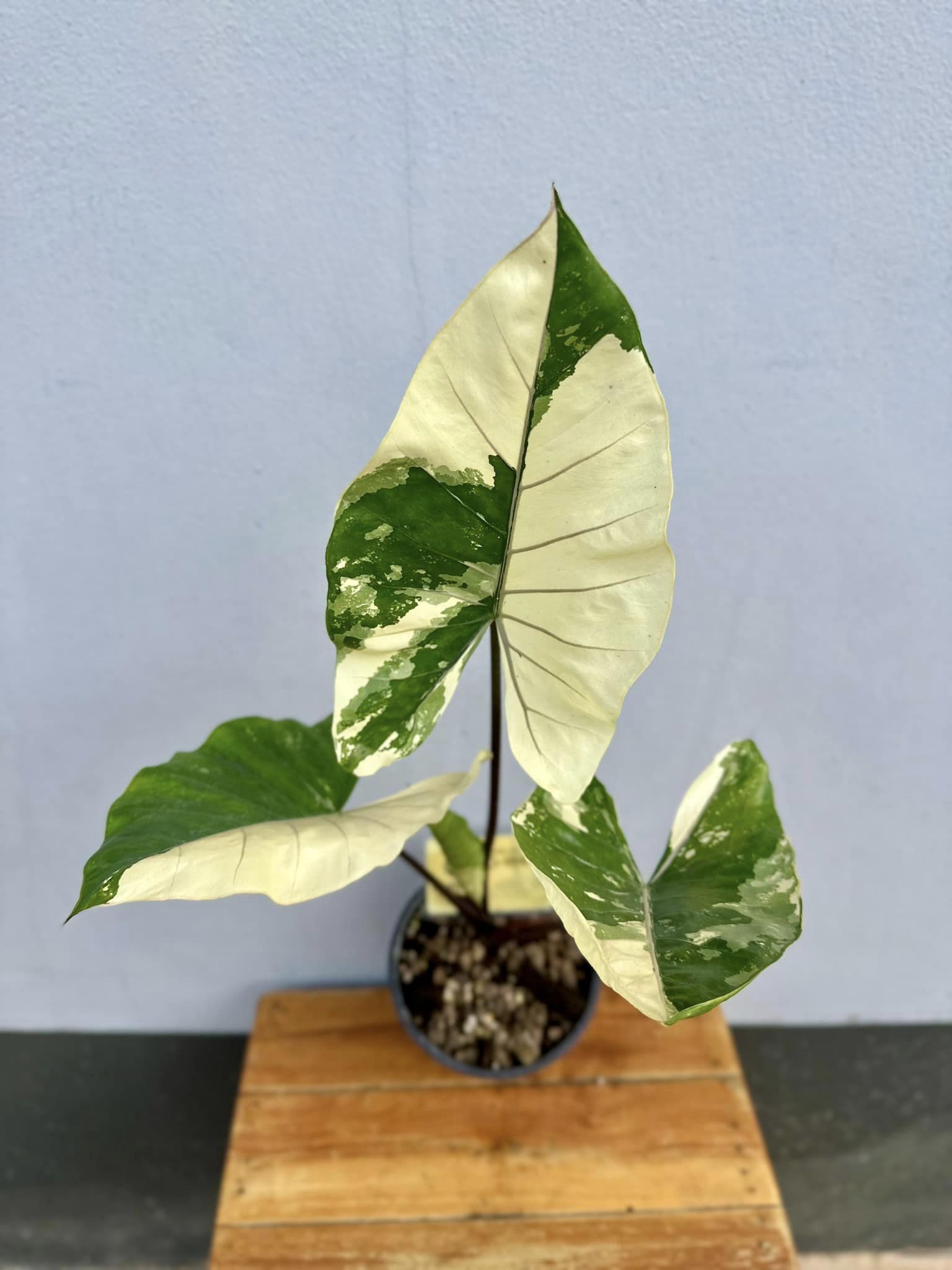
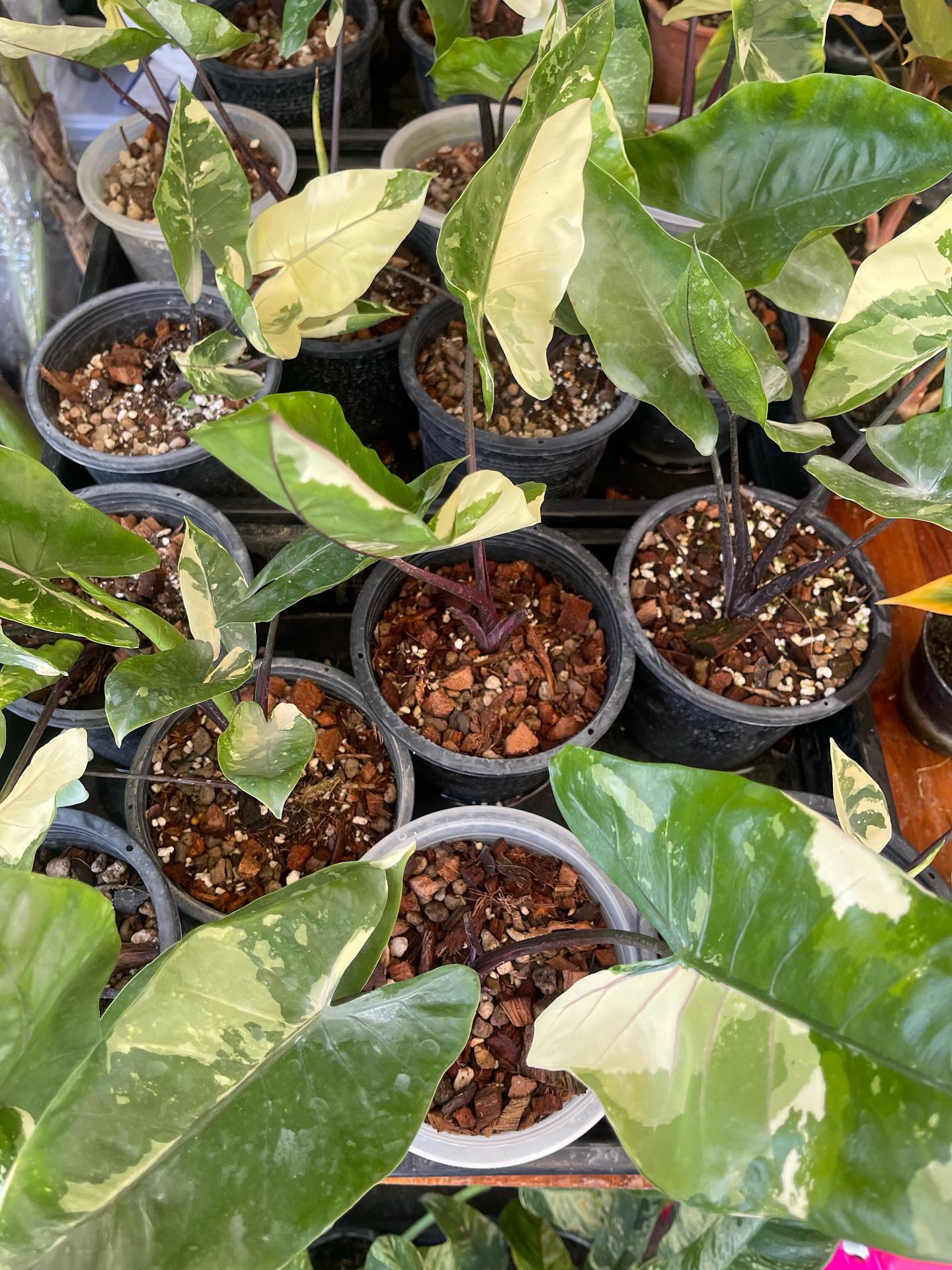
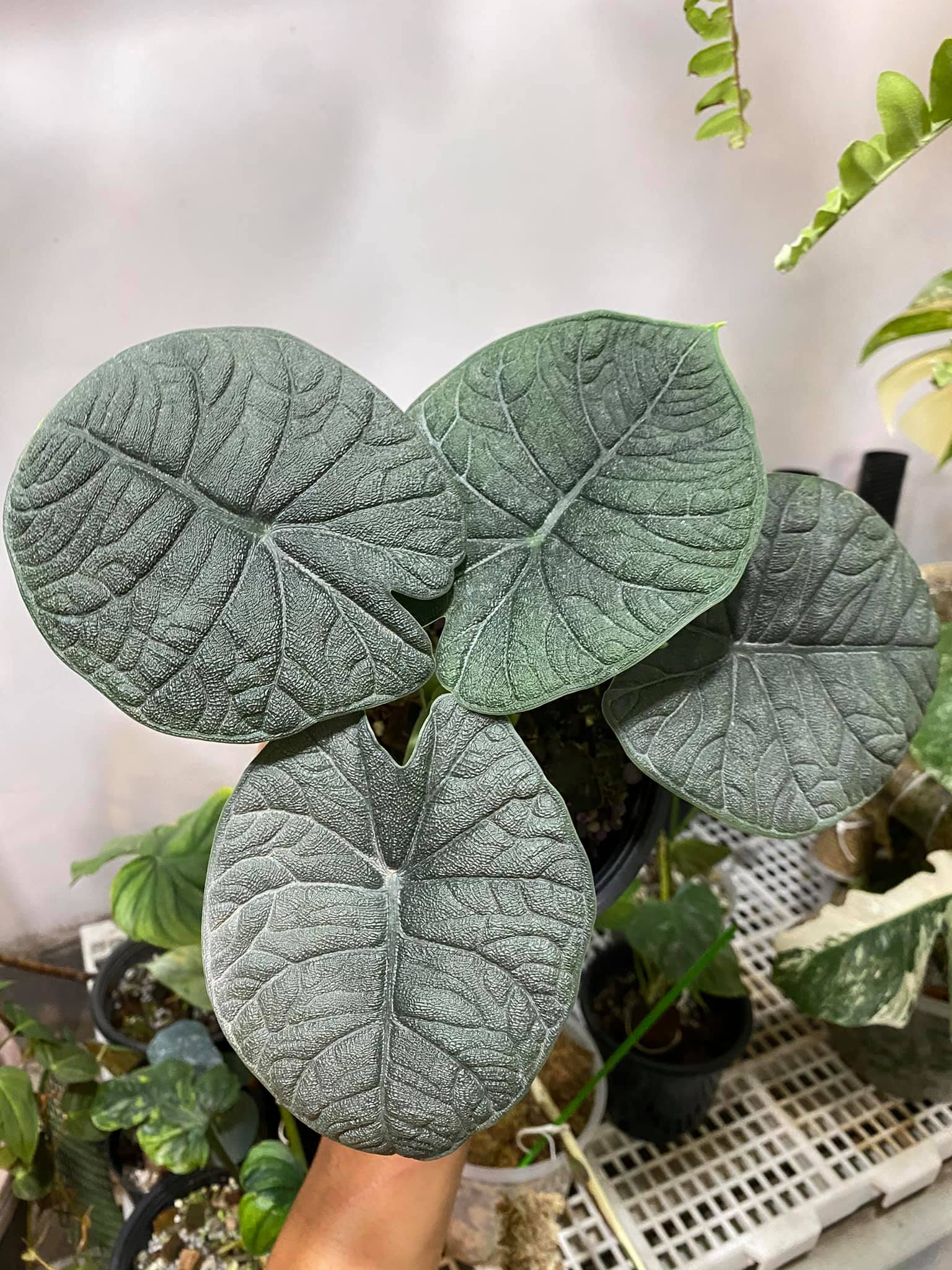
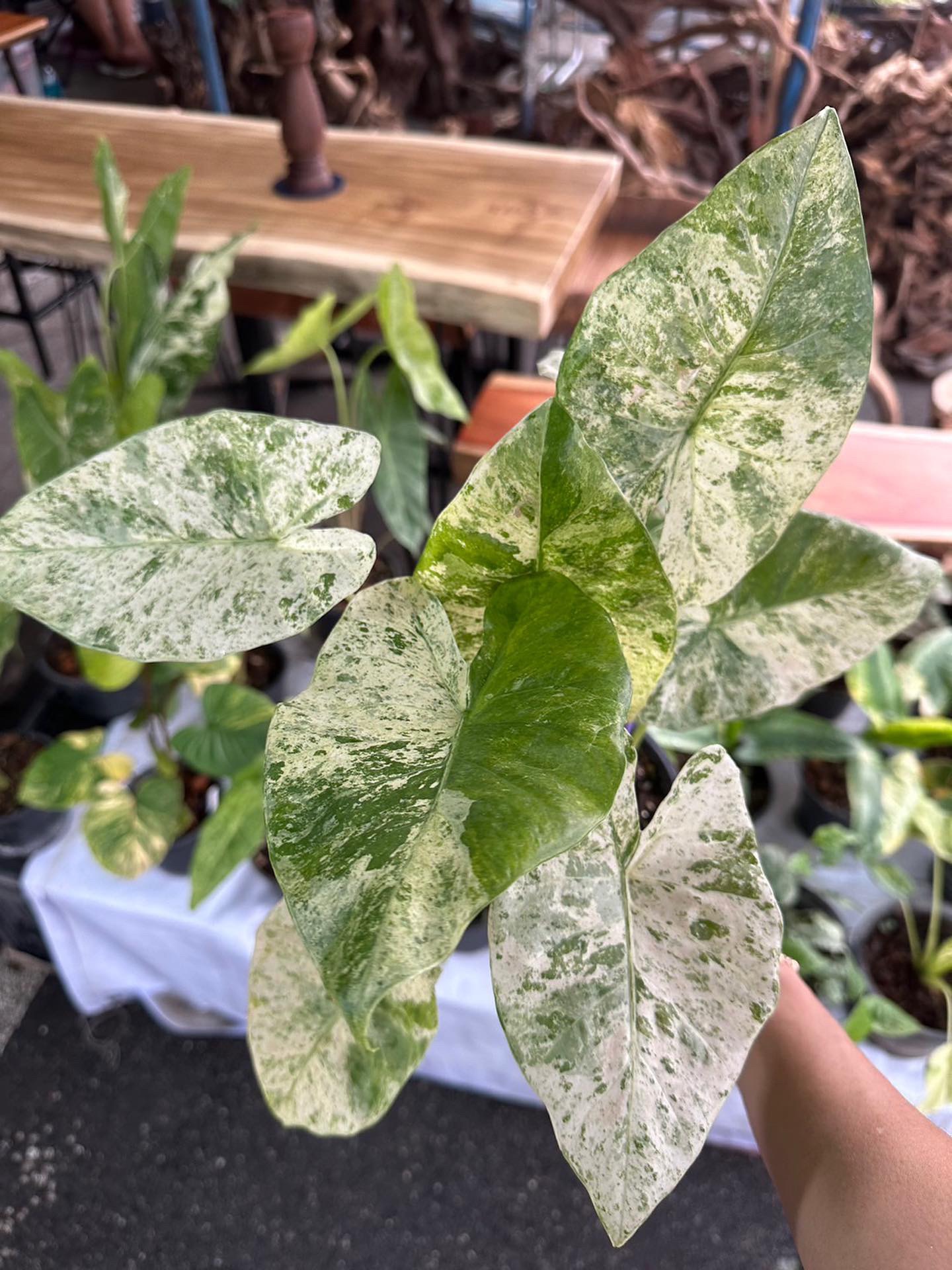
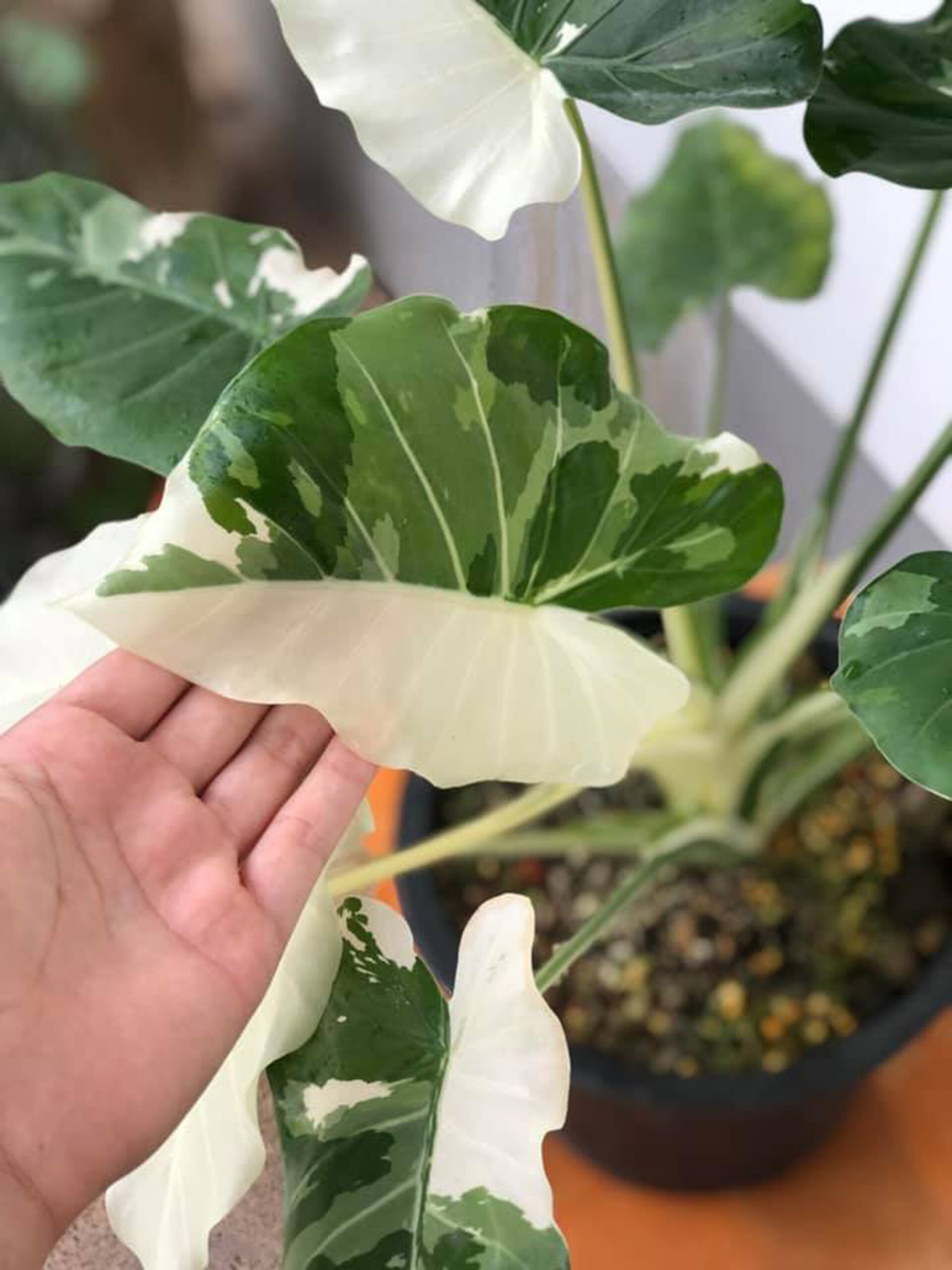
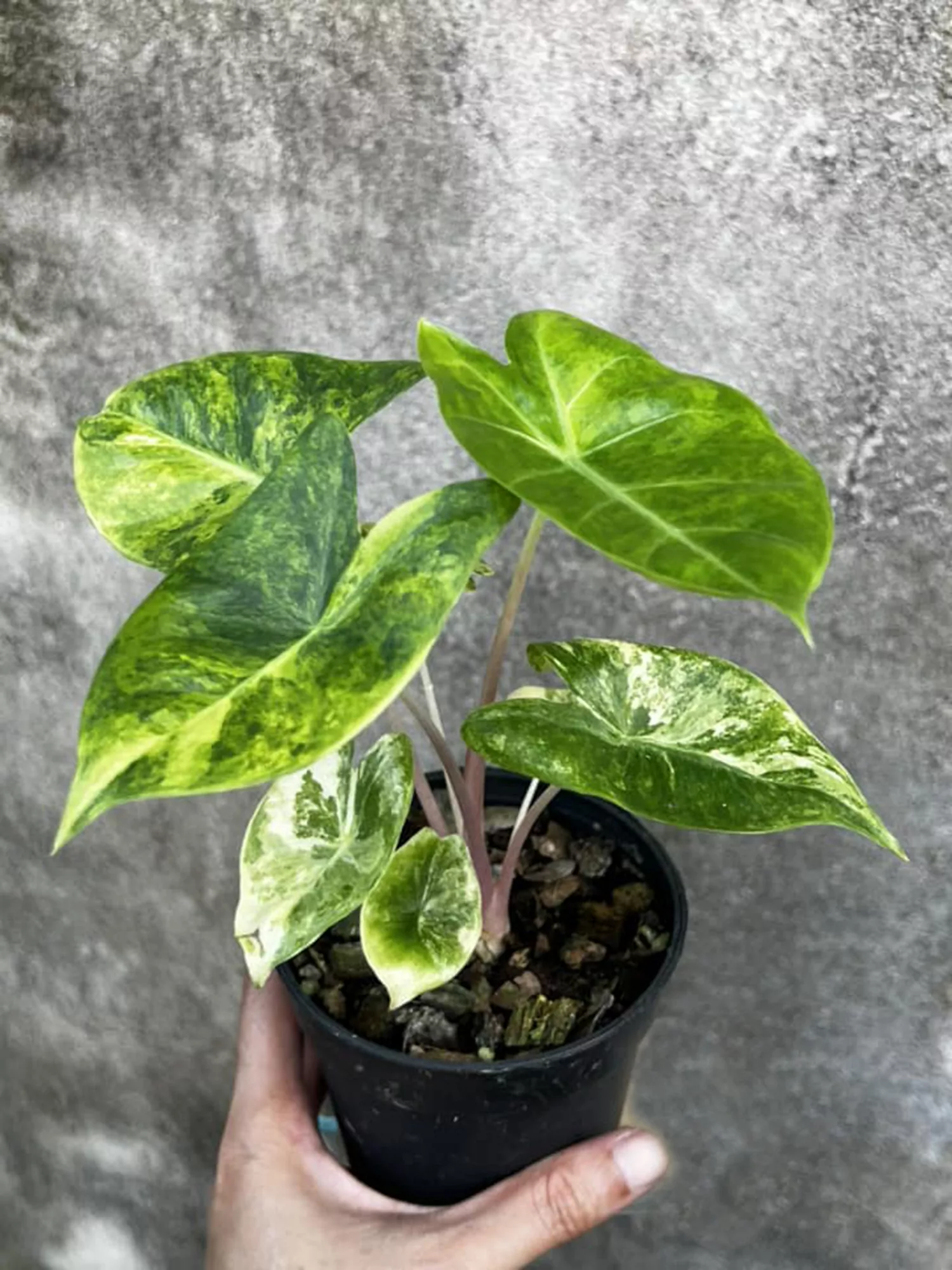
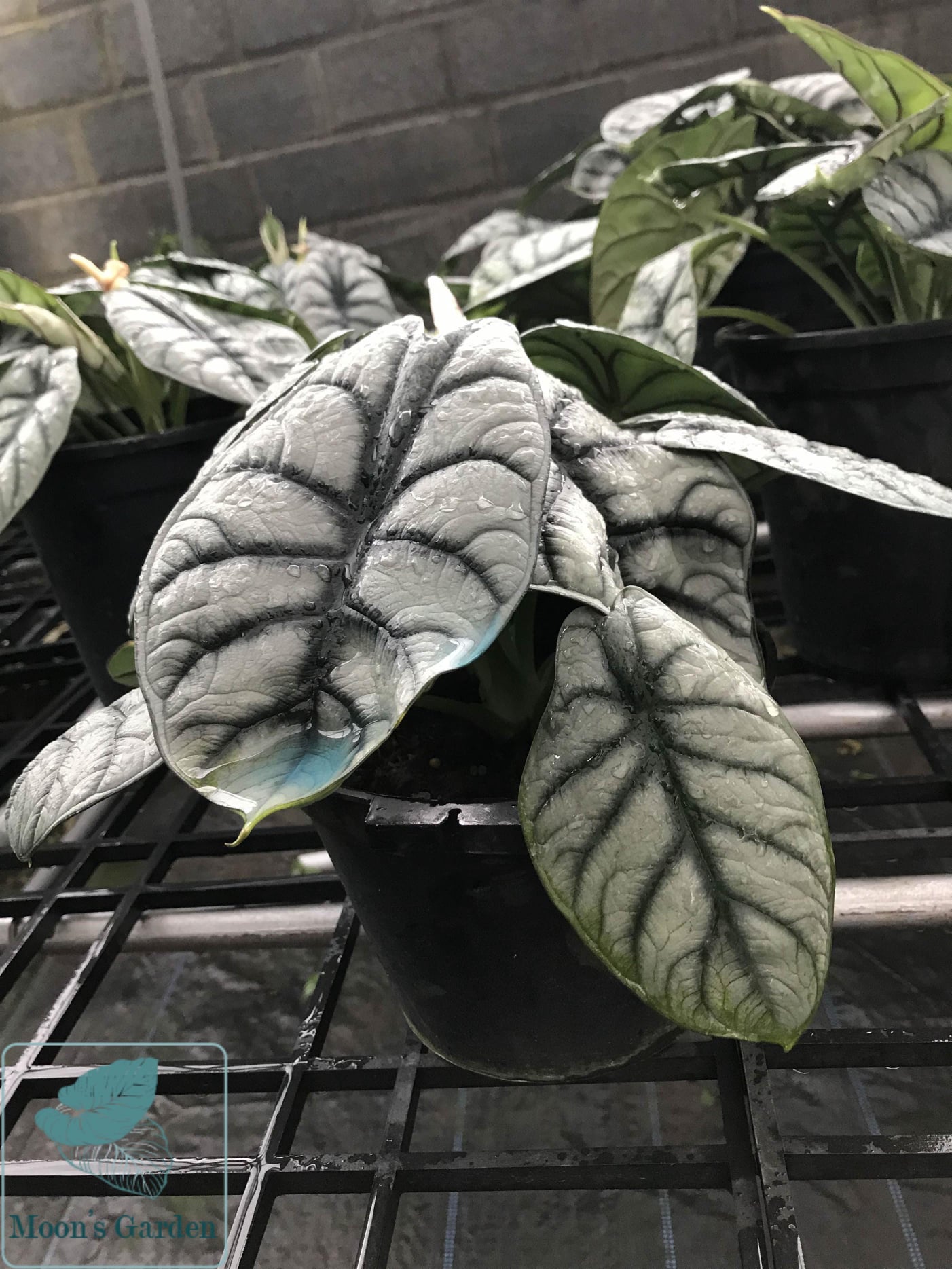
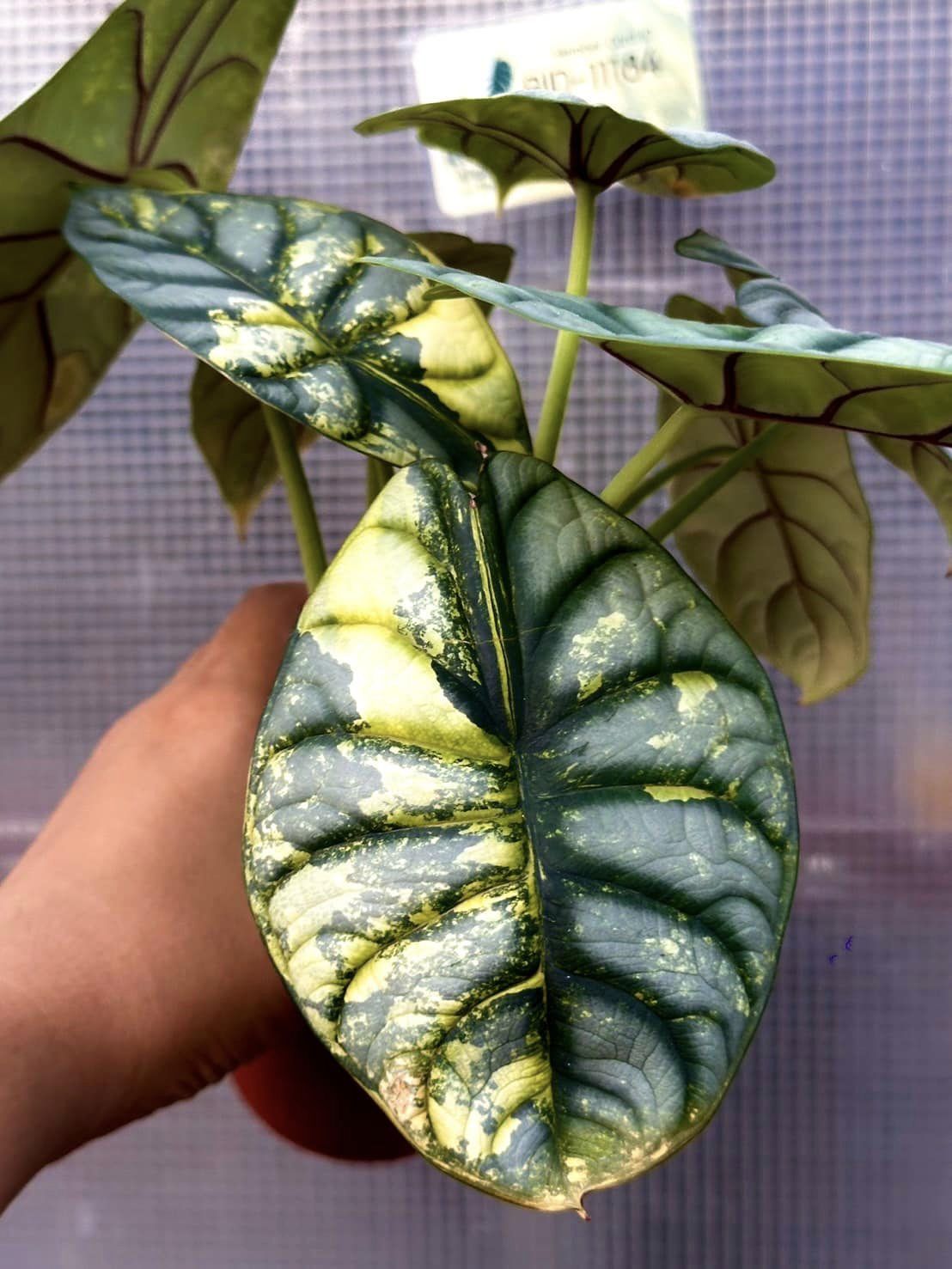
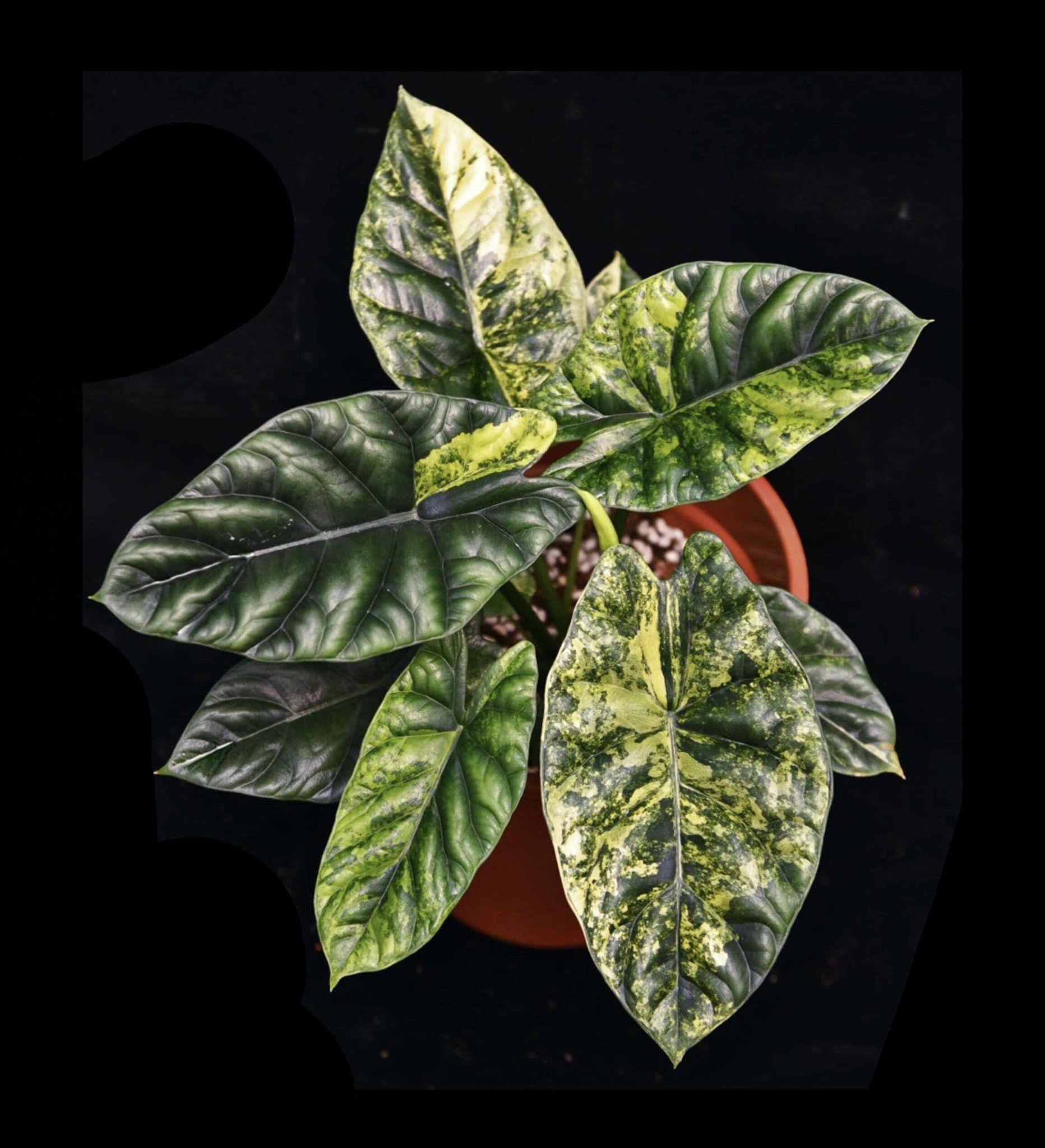
Pink, aurea, albo, mint and splash labels describe pattern or color expectations, not identical future leaves. Compare multiple current leaves, petiole/corm evidence and seller notes.
Potted versus tissue culture
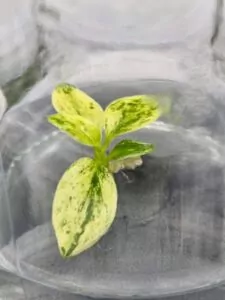
A potted plant and an acclimating tissue-culture plantlet are different projects. Choose the route that matches your experience, quarantine space and tolerance for establishment work.
Read the selected listing in this order
| Check | Why it changes the decision | Evidence to use |
|---|---|---|
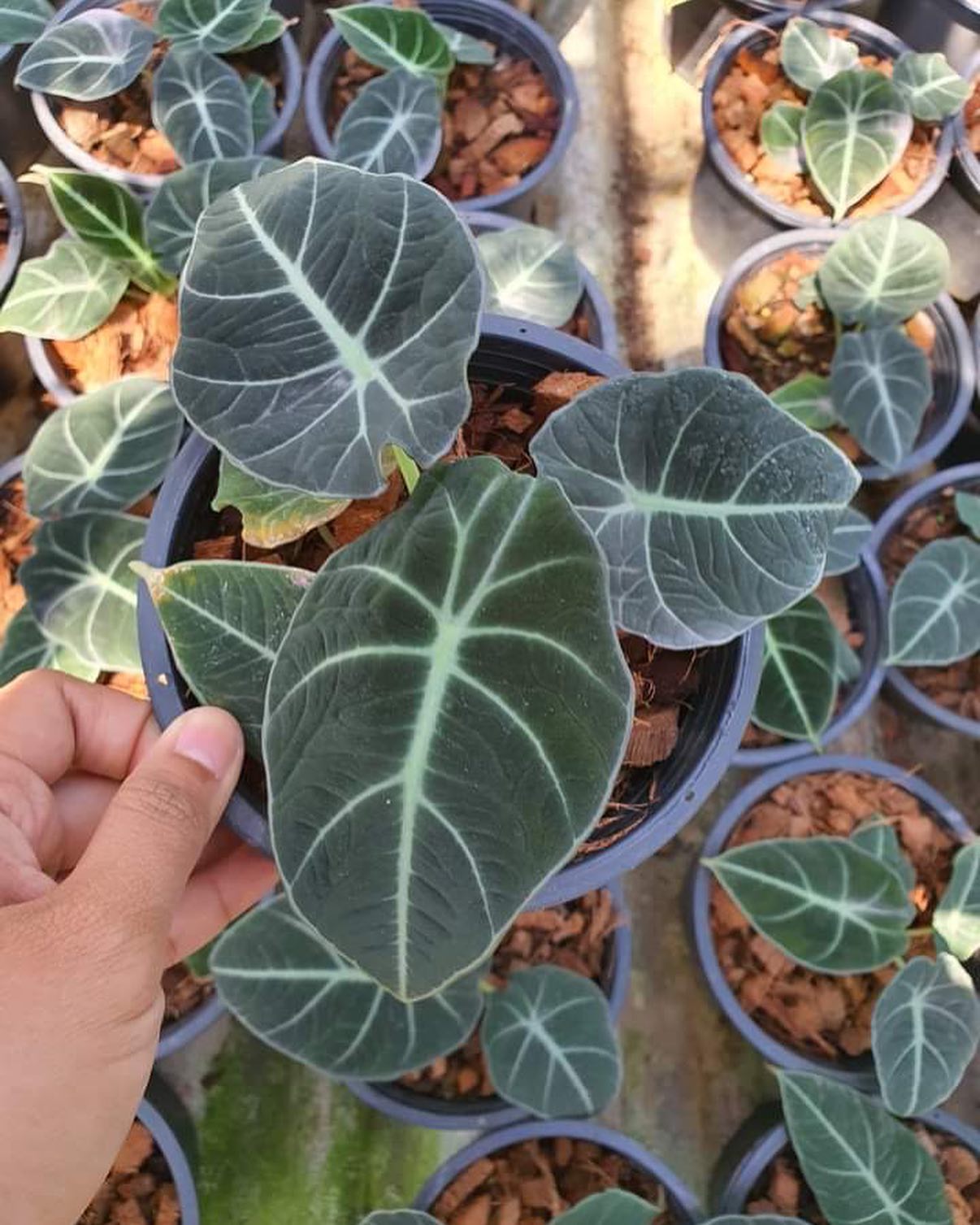
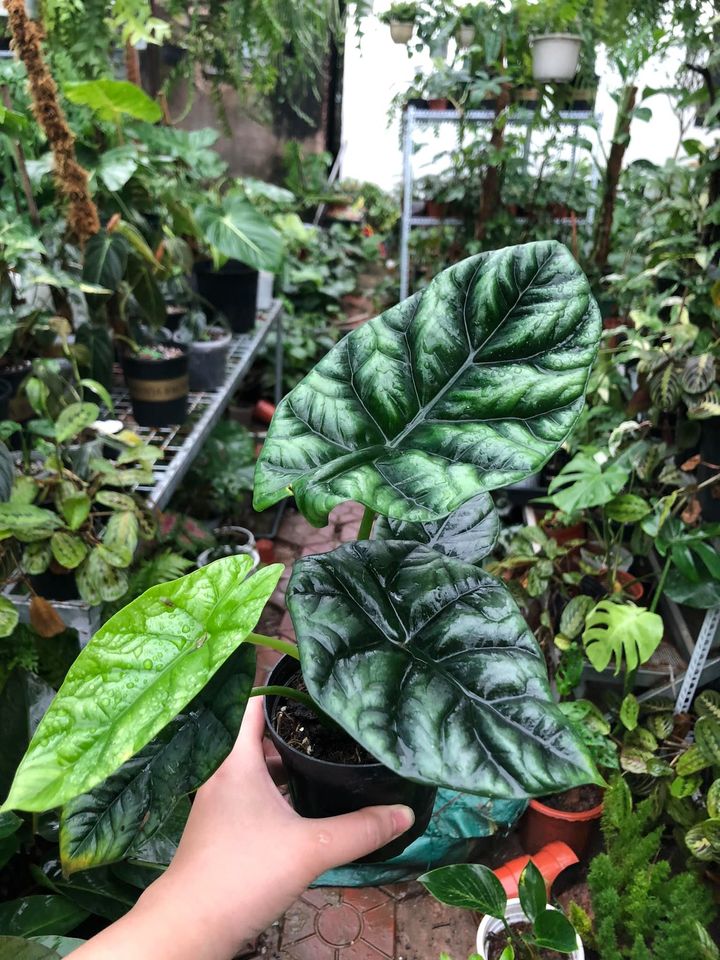
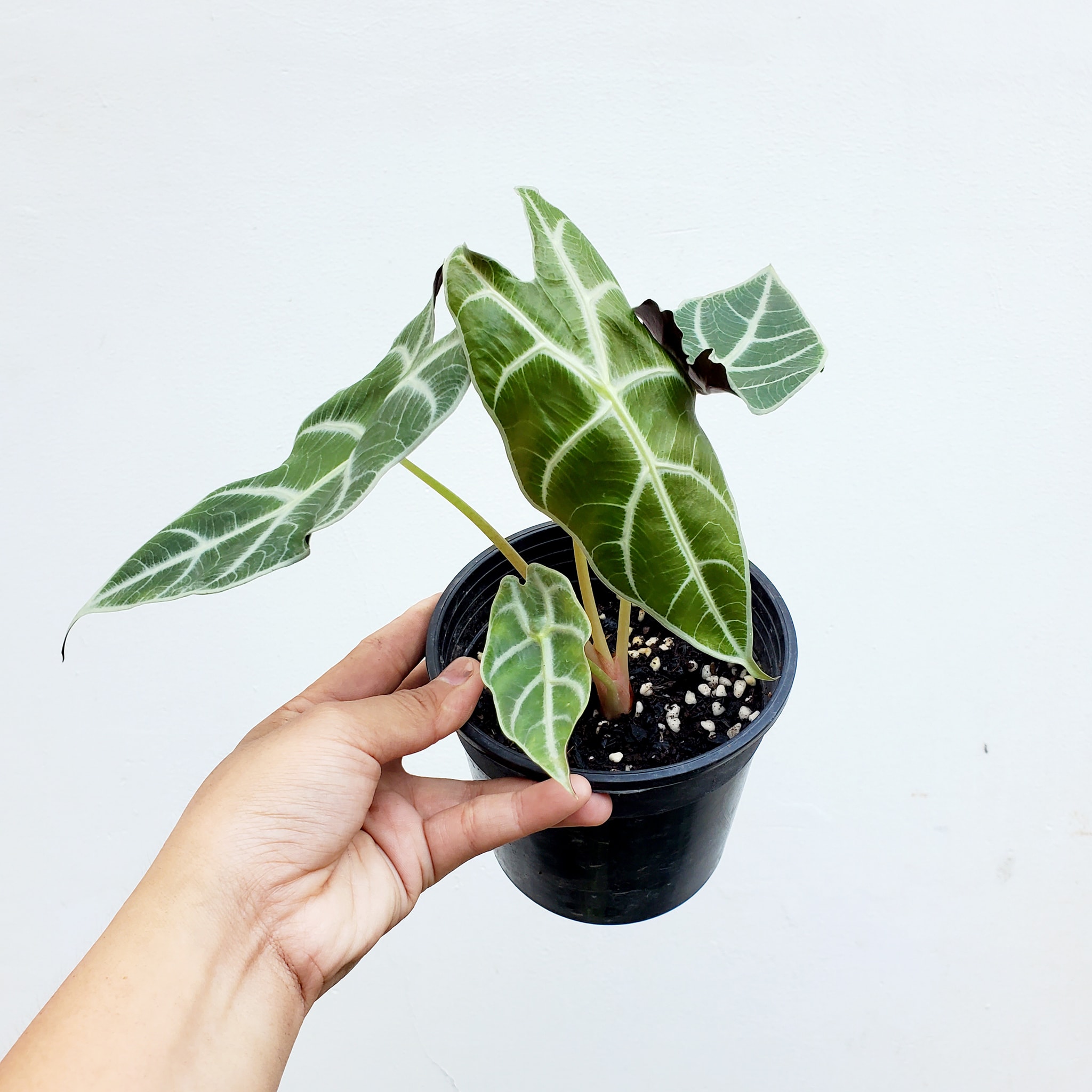
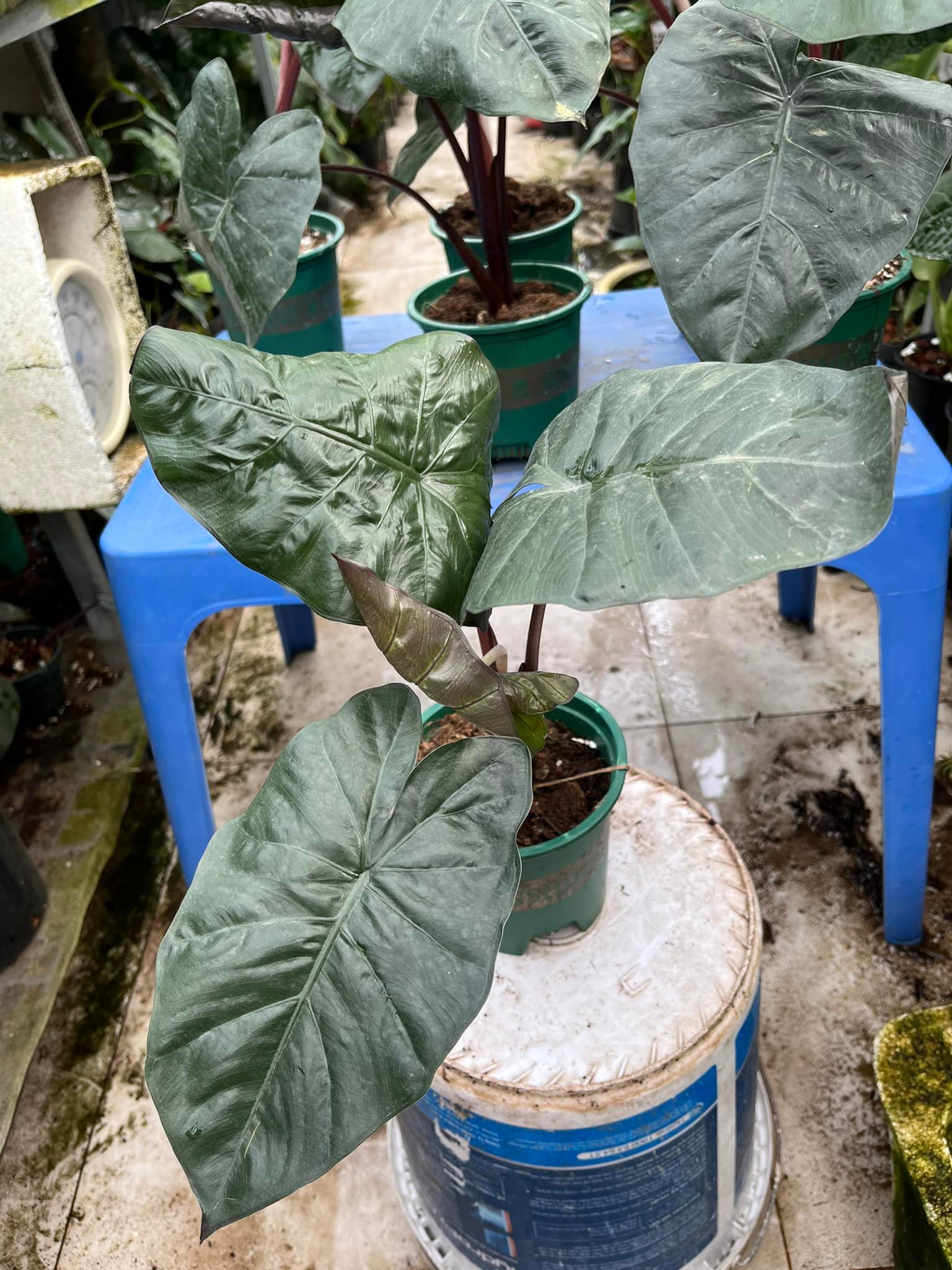
| Exact or representative plant | An exact plant identifies one specimen; representative imagery describes a range rather than a guaranteed leaf. | Image captions, option name and description. |
| Plant stage and roots | A recently established plant, larger potted specimen and tissue-culture plantlet need different receiving work. | Root/medium evidence, pot size and stage wording. |
| Current and future footprint | Pot diameter is not the same as leaf span or mature size. | Current dimensions plus the named plant’s growth context. |
| Variegation evidence | Pattern and intensity can change between leaves and plants. | Several current leaves, petiole/corm evidence and seller notes. |
| Quantity | Single plants and multi-pot packages can share similar imagery. | The selected option and quantity beside the live price. |
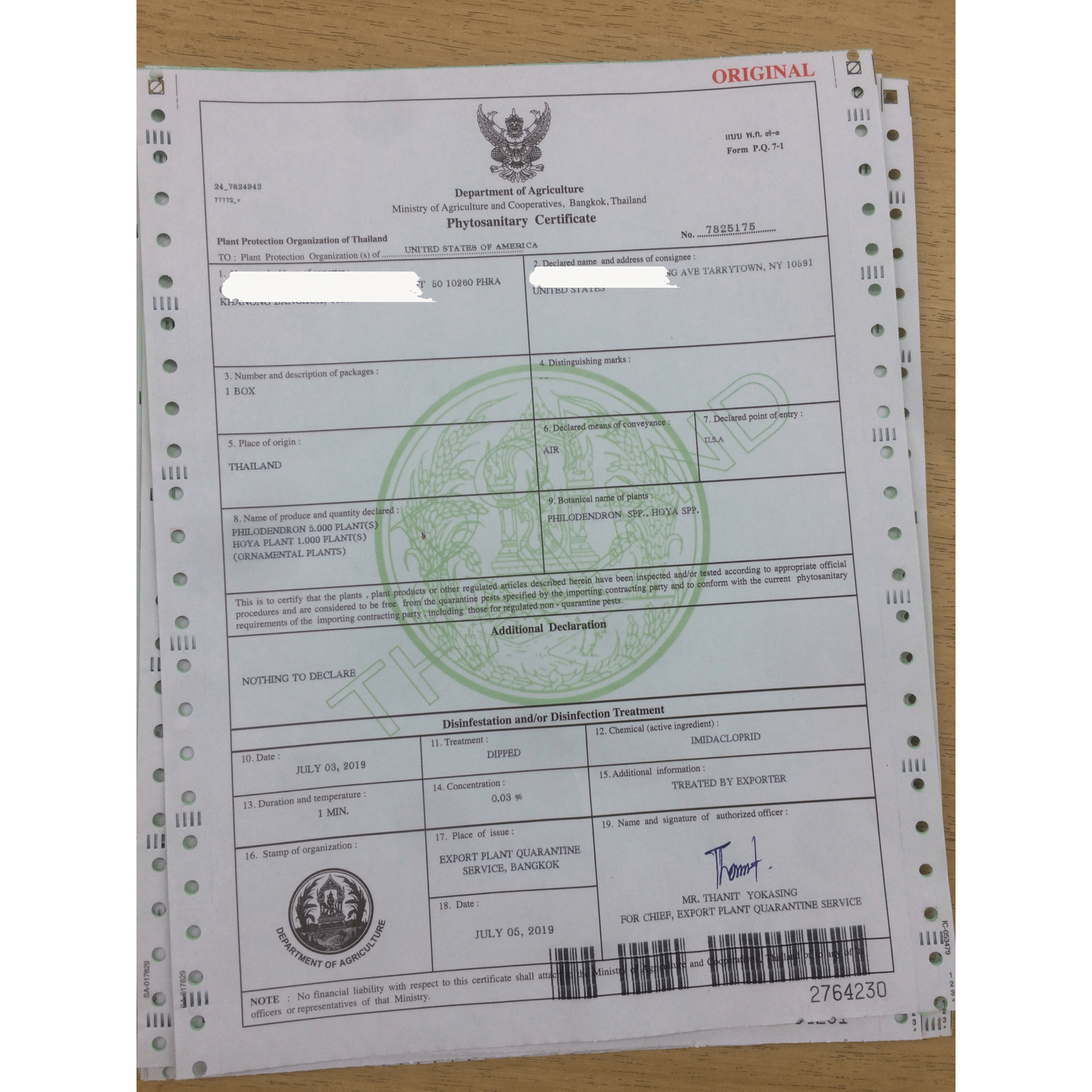
| Destination requirements | Import conditions may vary by taxon, origin, material, quantity and destination. | Shipping policy and destination authority before payment. |
Alocasia and Colocasia need separate decisions
Both may be sold under the broad “elephant ear” name, but they are different genera and should not share one buying promise. Use this Alocasia archive for current Alocasia inventory. If your goal is Colocasia, move to the separate Colocasia collection and its own evidence and growing context.
Use the cluster guides for named-plant context
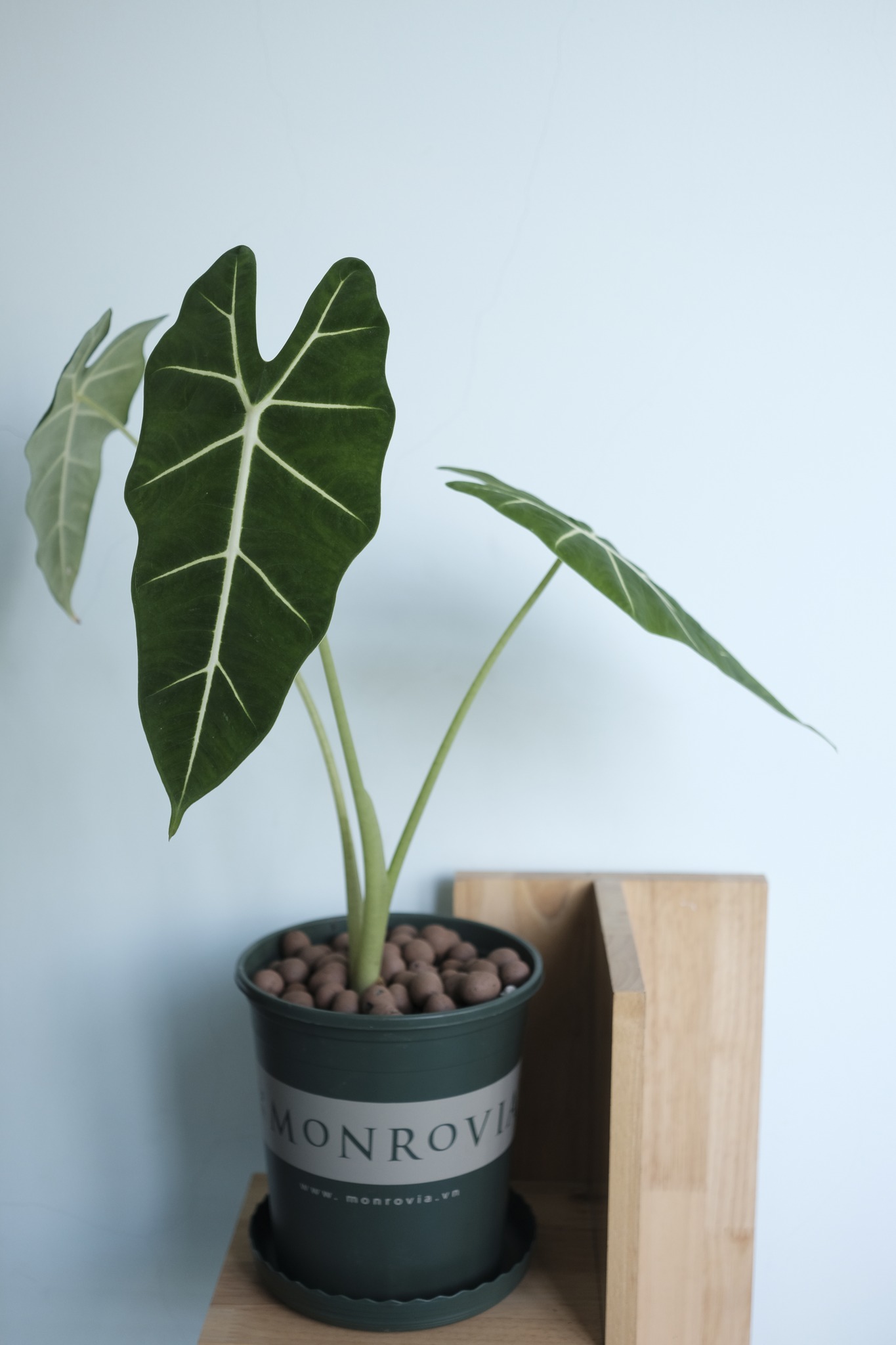
Start with the Alocasia types guide, then use the specific owner for a plant you are considering: Jacklyn, Frydek Variegated or Yucatan Princess. These guides explain identity and care context; the product page owns current stock, size, price and fulfillment.
Prepare for warmth, inspection and a measured transition
- Set aside a warm, draft-free quarantine area with bright indirect light.
- Inspect the parcel, leaves, growing point, roots and medium before making changes.
- Photograph arrival condition before pruning, washing or repotting.
- Base watering on the received root zone and active growth, not a fixed calendar.
- Wear gloves when handling damaged tissue and keep Alocasia away from children and pets; it contains irritating calcium oxalate crystals.
The Royal Horticultural Society recommends warmth and bright indirect light for Alocasia and notes that some plants may become cooler and drier during seasonal dormancy. Use that as general context, then respond to the selected plant’s stage and condition.
International buyers must verify current requirements
Review Greenboog’s shipping information before checkout. U.S. buyers should confirm current commodity/origin requirements with USDA APHIS; buyers elsewhere should use their own plant-health authority. A rule that applies to one shipment should not be assumed for every order.
Quick buying questions
Are Alocasia and Colocasia the same plant?
No. They are separate genera, even though both may be called elephant ears. Use the botanical name and the correct category before comparing a listing.
Does a 4-inch pot tell me the delivered plant height?
No. Pot diameter does not define leaf span, petiole length or plant height. Check the selected variation and current images for the offered stage.
Will a variegated Alocasia produce identical new leaves?
No guarantee should be assumed. Pattern and color can vary between leaves and plants, so compare current evidence and the exact-versus-representative photo policy.
Does losing a leaf after transit mean the plant is dead?
Not necessarily, but do not diagnose from one leaf alone. Document arrival, inspect the growing point, corm and roots, and follow the seller’s arrival process before making irreversible changes.